
Reviewed · SNORKELING
Jervis Bay: Guided Snorkelling Tour with expert guide
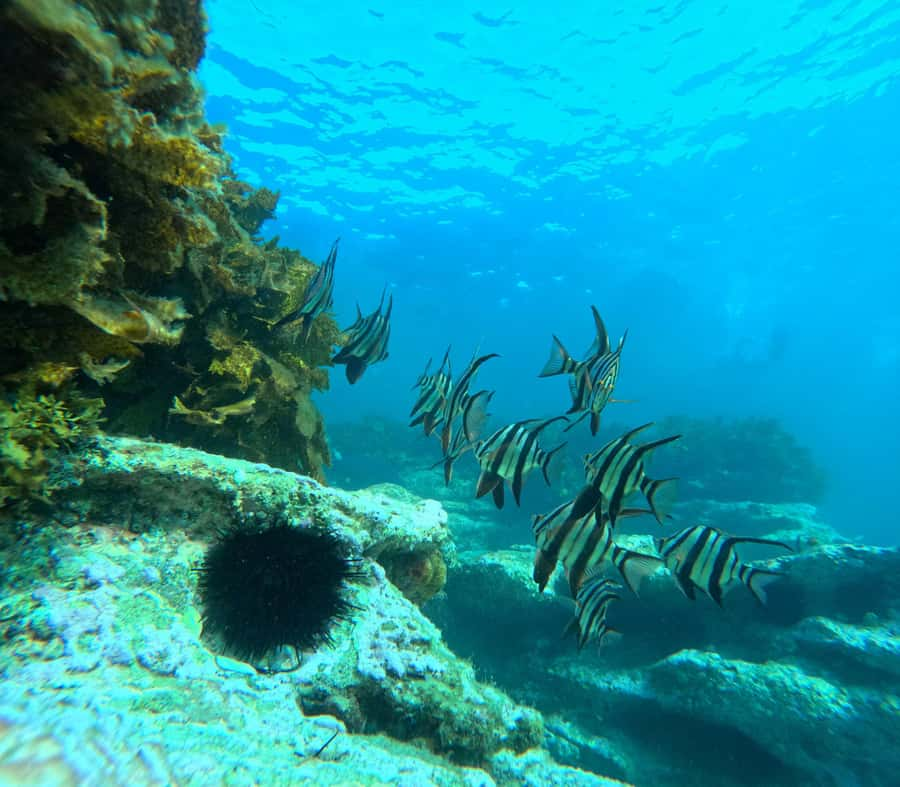
Jervis Bay is at its best just below the surface, where rays, wobbegong sharks, cuttlefish, turtles, and colourful fish may be tucked among the rocks. This three-hour outing gives you a guide who knows what to look for, rather than leaving you to swim past the bay’s smaller creatures.
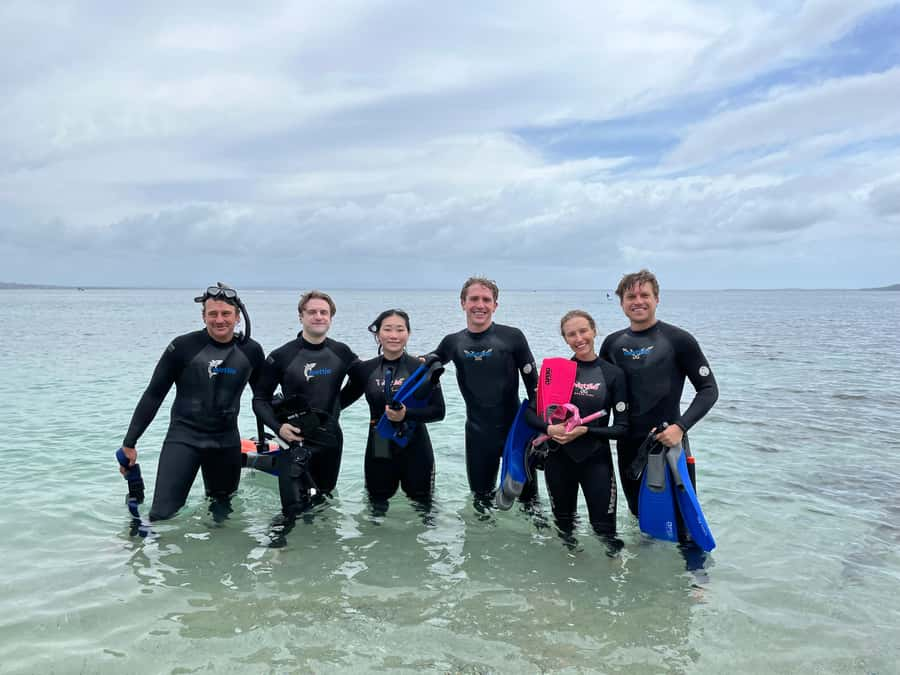
I like the small group of up to eight, which makes it easier for Scott and his team to keep an eye on everyone. I also like the thoughtful finish: free photos and videos, then coffee, refreshments, and homemade morning tea, often including banana bread or cake.
The main consideration is that this is a real in-water activity, not a boat trip for sightseers. You must be comfortable in the water, and the tour is not suitable for non-swimmers, children under eight, people with back problems, or those prone to seasickness.
Key points at a glance
- Marine scientist as your guide: Scott explains the animals and the relationships between them, not just where to point your mask.
- Murray’s Beach meeting point: Look for the blue and white dive flag on the vehicle at Murray’s Beach Carpark in Booderee National Park.
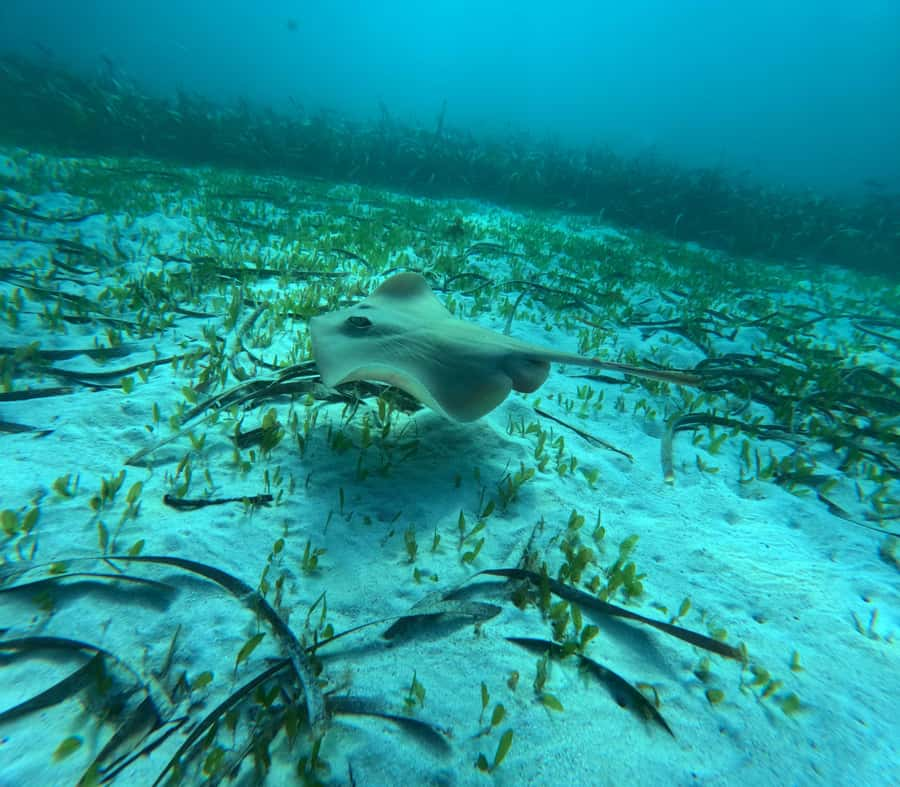
- Good wildlife odds, but no guarantees: You might see wobbegongs, rays, turtles, sharks, cuttlefish, dolphins, and many fish species.
- Equipment is supplied: A mask, snorkel, fins, and wetsuit are included, along with a safety and technique briefing.
- A genuinely small group: The limit of eight helps the guides adapt to different comfort levels and abilities.
- Morning tea and media included: Finish with refreshments, homemade treats, and photos or videos from the outing at no extra charge.
Why this Jervis Bay snorkel tour is different
Many snorkelling outings give you equipment, point you toward the water, and leave you to work out the rest. This one is built around interpretation. Scott has a marine science qualification, so the animals become part of a larger story about how the bay works.
That matters when you are looking at a flat sandy bottom or a patch of seaweed and wondering if anything is there. A guide can point out the creature that blends into the seabed, explain why a ray is resting in a certain spot, or help you recognise a small shark before you swim past it.
The friendly, family-run feel is another strong point. Scott is the main guide named throughout the experience, while Emma helps with hospitality and support. Matt has also helped answer questions and assist the group. The result is less like a large commercial outing and more like a carefully managed morning with people who want you to feel at ease.
You also receive photos and videos captured during the experience. That is useful for two reasons. First, you can keep a record of what you saw without worrying about carrying your camera through every moment. Second, it lets you focus on your breathing, body position, and the wildlife around you.
More reefs to snorkel from Australia:
- Ocean Rafting: Whitehaven Beach, Snorkelling & Hill Inlet Lookout
★ 5.0 · 4,777 reviews - Great Barrier Reef Snorkeling and Diving Cruise from Cairns
★ 4.5 · 3,714 reviews - Whitehaven Beach and Hill Inlet Lookout Snorkeling Cruise
★ 5.0 · 2,953 reviews
Meeting at Murray’s Beach in Booderee National Park
Most outings begin at Murray’s Beach Carpark. Once you arrive, follow the signs in the car park toward the beach side and look for the large blue and white dive flag on the vehicle.
The setting in Booderee National Park is part of the appeal. You are not being rushed through a city marina or sent straight from a crowded wharf into the water. The tour begins in a protected natural area, with the beach acting as the starting point for a close look at Jervis Bay’s marine life.
The exact meeting location can change because conditions affect the activity. The operator contacts you in the days before the tour if the meeting point needs to be altered, so keep an eye on your messages.
Bring swimwear, a towel, sunscreen, water, a hat, snacks, and a camera if you want your own pictures before or after the snorkel. The operator supplies the main water equipment, including the mask, snorkel, fins, and wetsuit.
The first 30 minutes: safety, equipment, and confidence
The tour starts with an introduction to snorkelling technique and safety. This is not wasted time, particularly if you have only snorkelled a few times or feel unsure about using fins.
You learn how to use the equipment and how to move through the water without making unnecessary effort. The guide also helps you get comfortable before the group sets off to explore.
The small group size helps here. With no more than eight participants, Scott and the team can pay attention to individual needs instead of giving one speech and moving on. Several families have found the relaxed preparation useful, and older participants have also taken part successfully.
Still, be honest about your ability. This is not suitable for non-swimmers, and it may not suit anyone with back problems. People prone to seasickness should also avoid it. The activity is described as wheelchair accessible, but the snorkelling itself still requires you to enter and move through the water, so discuss your needs with the operator before booking.
Exploring the bay: look for the small signs
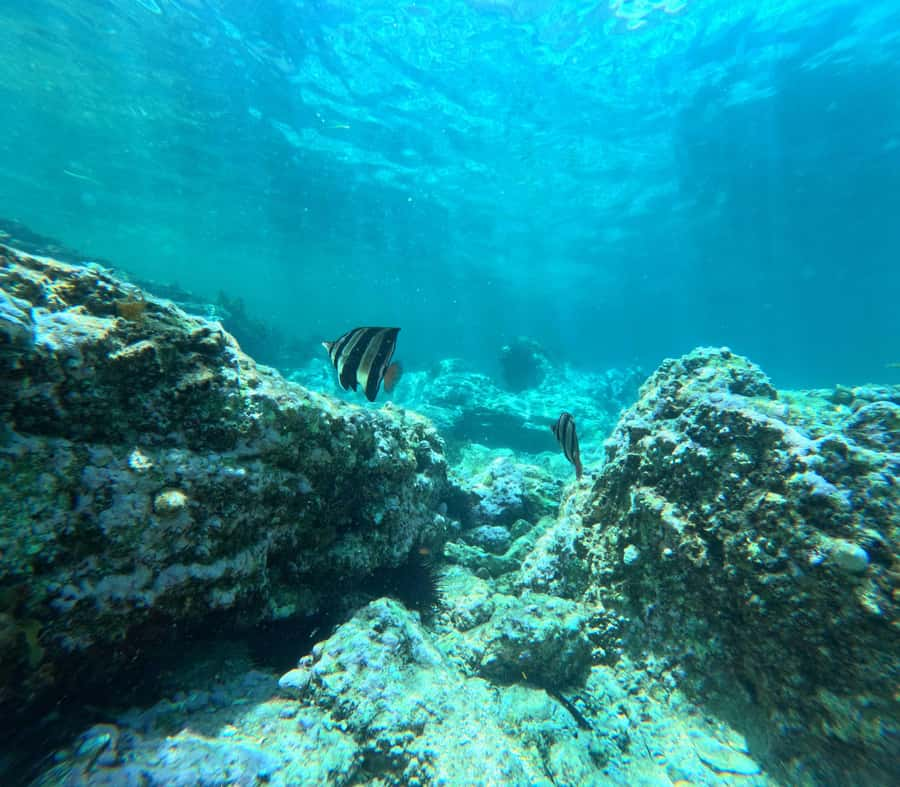
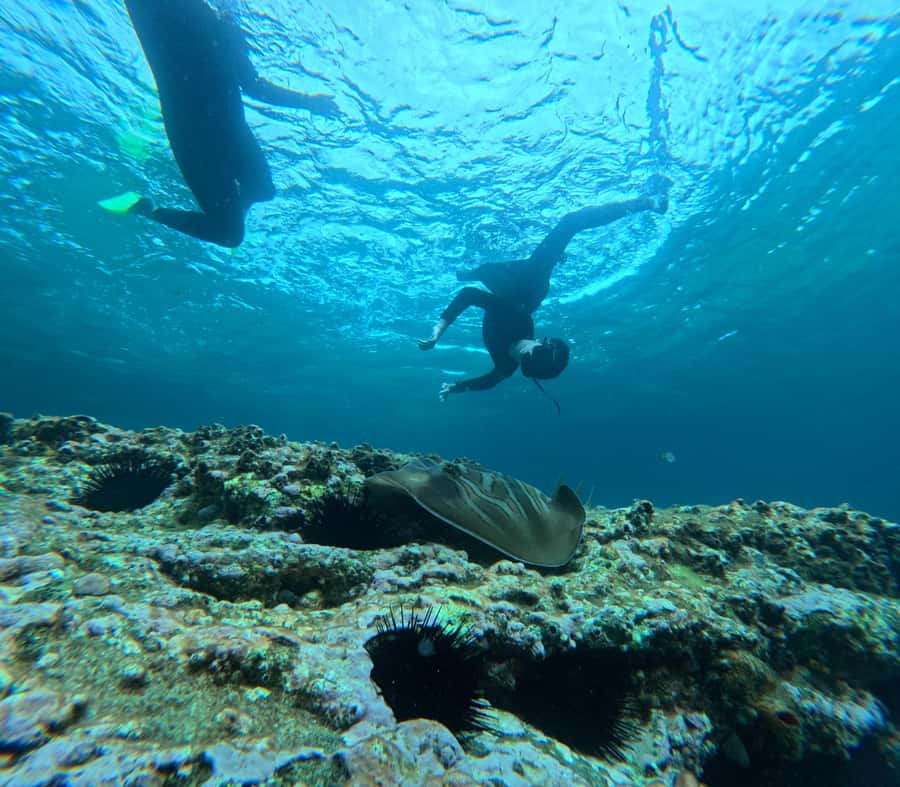
Once you are equipped, you head into the water in Booderee National Park. The focus is on seeing marine life in its natural setting and understanding how the animals share the bay.
The most exciting sightings reported from this outing include wobbegong sharks, Port Jackson sharks, rays, turtles, octopus, cuttlefish, dolphins, and many fish species. These sightings are not guaranteed, since marine animals move freely and visibility changes, but the guide’s local experience improves your chances of noticing what is already there.
Wobbegongs are a good example of why a guide helps. Their patterned bodies can be hard to separate from the bottom, especially when you are still working on your breathing and mask. Rays can also sit quietly until you are almost above them. A trained eye makes the snorkel more rewarding because you see more than the obvious fish.
Cuttlefish and octopus add another layer of interest. They are not always the first creatures a beginner spots, and their colour and shape can make them easy to miss. Scott’s role is not just to lead the group from one place to another, but to show you where to look and explain the animal you are seeing.
Do not touch marine life or plants. This is both a conservation rule and a simple safety habit. Keep your hands to yourself, give animals room, and let the guide handle the spotting and explanation.
A few more things to do in Australia worth a look
- Sydney: Opera House Guided Tour with Entrance Ticket
★ 4.8 · 8,312 reviews - Sydney Opera House Official Guided Walking Tour
★ 4.5 · 3,770 reviews - From Cairns: Self-Guided Kuranda Trip with Train and Skyrail
★ 4.6 · 3,392 reviews - Whitsundays Guided Jet Ski Tour
★ 5.0 · 3,348 reviews
What the marine science adds
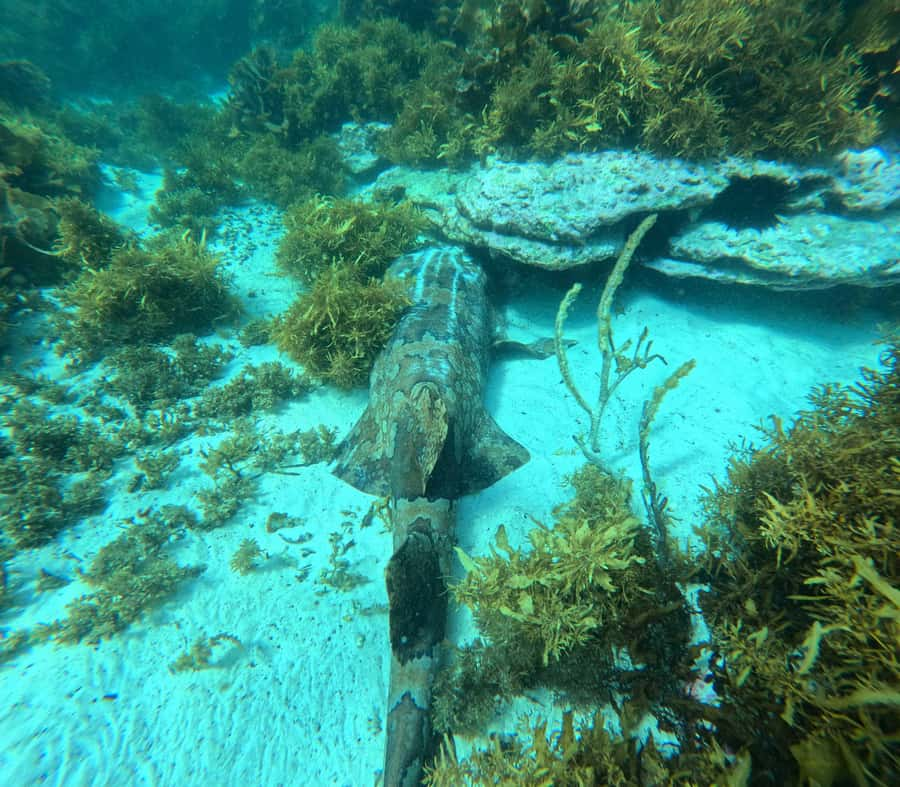
The best part of a guided snorkel is often the meaning behind the sighting. A ray is not just a photograph. A wobbegong is not just an unusual shark. The guide helps you understand how animals use the bay and how the underwater environment fits together.
That interpretation is especially helpful for families. Children can spend more time looking when they have a clear target, and adults gain a better sense of what they are seeing instead of collecting a blur of fish names.
The tour also suits experienced snorkellers who want more than a casual swim. One participant who had snorkelled often still appreciated Scott pointing out small sharks and rays that would otherwise have been missed. You may know how to use a mask and fins, but local eyes can still change what you notice.
The English-language guiding is clear and practical. If you have questions, the guides are happy to discuss the animals you encountered and offer suggestions for other things to see and do around Jervis Bay.
The post-snorkel picnic and morning tea
After the water portion, the group gathers for a debrief and presentation. This is a useful pause because you can ask about what you saw while the details are still fresh.
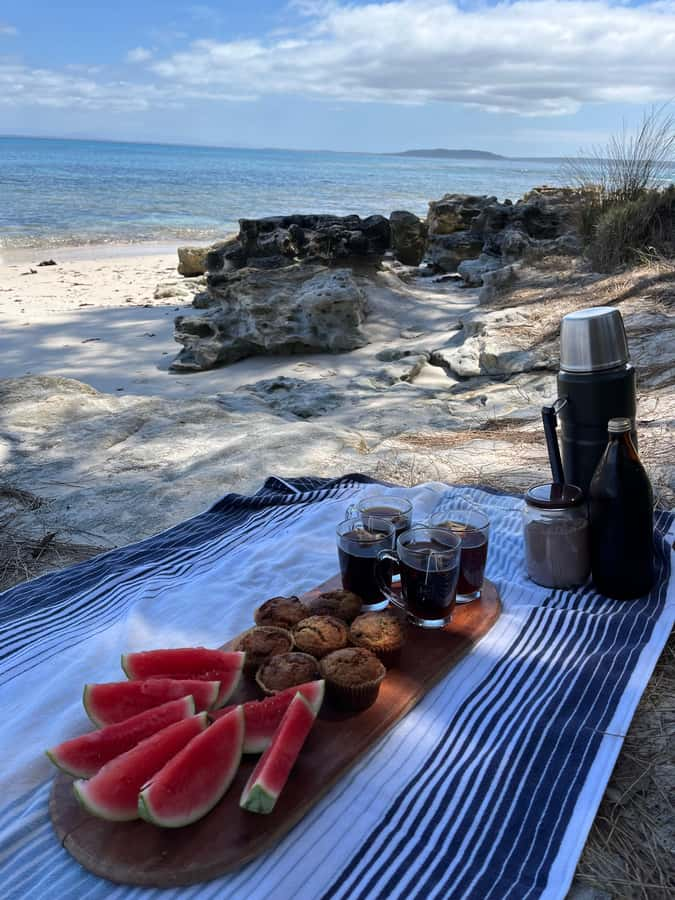
Refreshments and homemade morning tea are included. Coffee, tea, banana bread, cake, and snacks have all been part of the welcome described for this experience. These details may sound minor, but they matter after a morning in a wetsuit. They also give the outing a warm, local feel rather than ending abruptly at the beach.
The food is not a replacement for breakfast, so bring snacks if you need a full meal. Water is also on the recommended packing list. Think of the morning tea as a pleasant finish and a chance to talk through the marine life, not as a catered lunch.
Photos and videos without the usual fuss
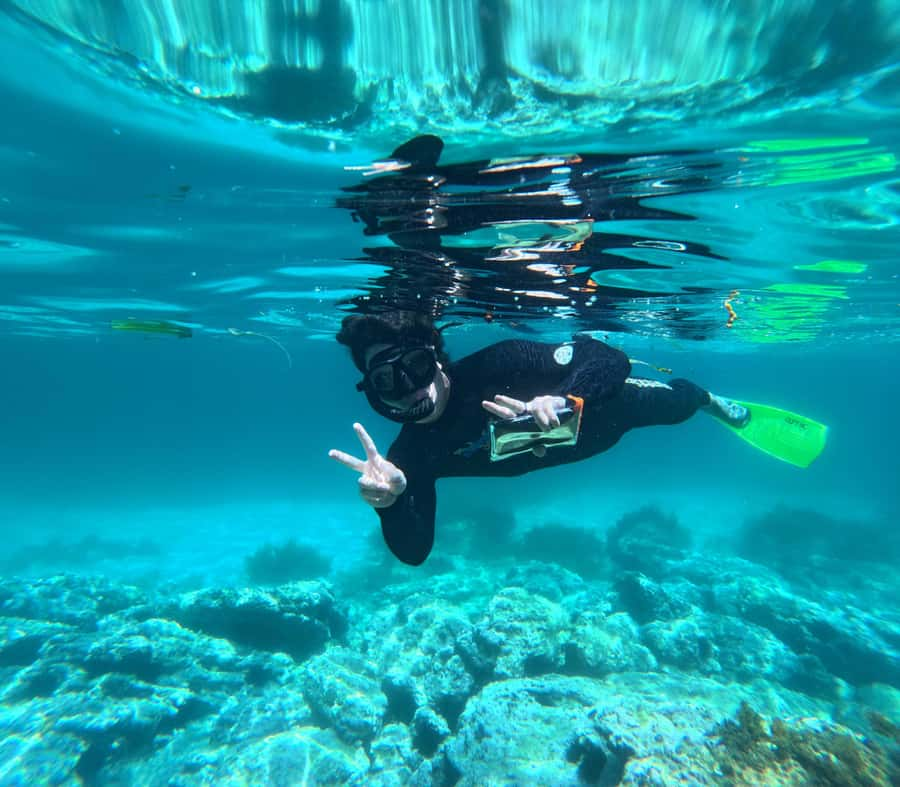
The tour includes photos and videos from the day. This is one of the better-value features because underwater photography can be awkward when you are concentrating on staying calm and keeping your mask clear.
You can bring your own camera, but do not feel that you must. The included media lets you focus on the experience and still take home a visual record. The guide has also shared footage with participants after the outing, which adds value beyond the time spent in the water.
You should still treat the photos as a bonus, not the main reason to book. Wildlife sightings, water clarity, and the exact footage available can vary. The strongest reason to go is the guided access to the marine environment, with the media as a welcome extra.
How the $81 price works out
At $81 per person, this is reasonably priced for a three-hour guided outing that includes the main equipment, wetsuit, marine interpretation, photos, videos, refreshments, and homemade morning tea.
A self-guided snorkel can cost less if you already own everything and know the area. But that comparison leaves out the value of the guide. You are paying for equipment, safety instruction, wildlife spotting, local knowledge, and a small group rather than simply hiring a mask and fins.
The price also makes sense for families or first-timers who want a managed introduction. You do not need to buy a full snorkelling kit for one holiday, and you do not have to spend the whole morning guessing which part of the bay is worth exploring.
For experienced snorkellers, the value depends on your priorities. If you prefer complete independence, you may find a self-guided swim more flexible. If you want to locate animals you would likely miss, the guide earns the extra cost.
Who should book this experience
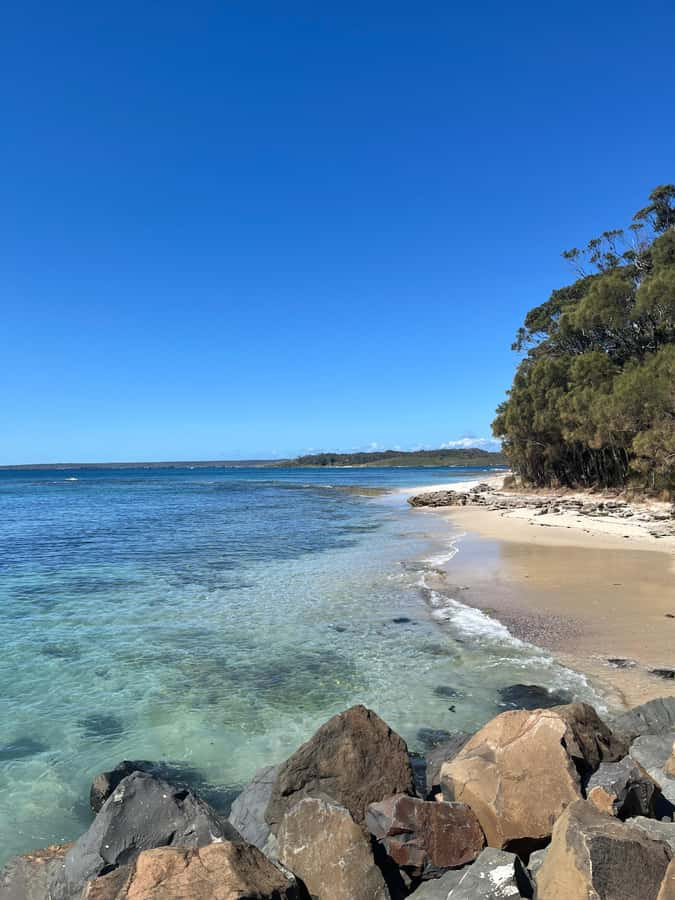
I would choose this tour if you are new to snorkelling, travelling with family, or keen to learn about Jervis Bay rather than simply swim in it. The calm preparation, small group, and patient support make it a good fit for people who want structure without a large organised crowd.
It also suits wildlife fans. The possibility of seeing wobbegongs, rays, turtles, cuttlefish, octopus, and Port Jackson sharks gives the outing a clear purpose, while the guide’s explanations add substance to each sighting.
Children must be at least eight, and they must be comfortable in the water. The experience has worked well for families with older children, but parents should judge their child’s swimming confidence honestly.
Older adults may also enjoy it, provided they meet the physical requirements. One recent outing included a participant in her 70s who had a wonderful time, but that does not remove the need to consider mobility, back issues, and water confidence.
Practical limits to consider before booking
Weather affects the meeting location and the running of the activity. Conditions also influence underwater visibility and what you see, so avoid booking this as if every outing will deliver the same list of animals.
The tour is three hours, but remember that this includes the introduction, preparation, water time, and post-snorkel discussion. It is a compact morning experience, not an all-day expedition.
The tour is conducted in English. Bring your own sunscreen, water, towel, swimwear, hat, and snacks. Do not touch marine life or plants, and follow the guide’s instructions around animals and the environment.
Free cancellation is available up to 24 hours before the activity for a full refund. You can also reserve now and pay later, which is useful when your Jervis Bay plans depend on weather.
Should you book the Jervis Bay guided snorkel?
Book it if you want a friendly, tightly managed introduction to the bay’s marine life, especially if you value expert spotting and local explanation. The small group, complete equipment, free media, and generous morning tea make the $81 price feel fair.
Skip it if you are a non-swimmer, under eight, prone to seasickness, or dealing with a back problem. You may also prefer a self-guided outing if you already know the area and want total freedom.
For everyone else, this is one of the more useful ways to experience Booderee National Park. You get into the water, learn what you are seeing, and finish with a cup of coffee and something homemade. That is a sensible three hours in Jervis Bay.
FAQ
Where does the snorkelling tour meet?
Most tours meet at Murray’s Beach Carpark in Booderee National Park. Follow the signs in the car park toward the beach side and look for the vehicle displaying a large blue and white dive flag.
How long does the experience last?
The tour lasts three hours. Starting times vary, so check availability when booking.
How much does the tour cost?
The listed price is $81 per person.
What equipment is included?
The tour includes a mask, snorkel, fins, and wetsuit. It also includes an introduction to snorkelling technique and safety.
What marine life might I see?
You might see sharks, wobbegongs, rays, turtles, cuttlefish, octopus, dolphins, and various fish species. Sightings depend on conditions and the animals present on the day.
Is the tour suitable for beginners?
Yes. The experience includes safety and technique instruction and is designed to cater to different abilities. You must still be comfortable in the water because the tour is not suitable for non-swimmers.
Is there a minimum age?
Children under eight are not permitted on the activity.
What should I bring?
Bring a hat, swimwear, towel, camera, snacks, sunscreen, and water.
Are photos and videos included?
Yes. Photos and videos from the day are included at no extra charge.
Is morning tea provided?
Yes. The experience includes refreshments and homemade morning tea after snorkelling.
Can I cancel the booking?
You can cancel up to 24 hours before the tour for a full refund. A reserve now and pay later option is also available.
Just added in Australia
- 6-Day Tasmanian Explorer Adventure Tour from Hobart★ 5.0 · 66 reviews
- 3 day Tasmanian highlights tour – Hobart, Port Arthur and Bruny Island★ 5.0 · 41 reviews
- 7-Day Super Value Tour of Tasmania: Explore Tasmania’s West and East Coasts★ 5.0 · 77 reviews
- 4 Day Wild Tasmania Tour / Wildlife, Nature, Hiking / Inc. Accom★ 5.0 · 126 reviews
- A Day At Wineglass Bay★ 5.0 · 33 reviews
- 5-Day Best of Tasmania Tour from Hobart★ 5.0 · 184 reviews
- Enjoy a VIP Booth Shared Experience From Gympie★ 4.5 · 22 reviews
- Bruny Island Wilderness Cruise from Adventure Bay, Bruny Island★ 5.0 · 293 reviews
Snorkeling, compared.
Ocean Rafting: Whitehaven Beach, Snorkelling & Hill Inlet Lookout
Read our review →
Great Barrier Reef Snorkeling and Diving Cruise from Cairns
Read our review →
Whitehaven Beach and Hill Inlet Lookout Snorkeling Cruise
Read our review →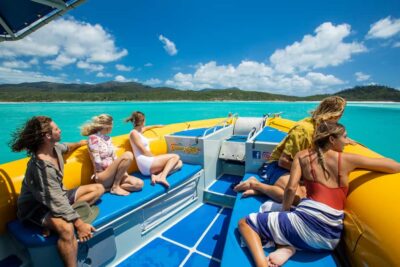
Snorkel, Hill Inlet Lookout & Whitehaven Beach
Read our review →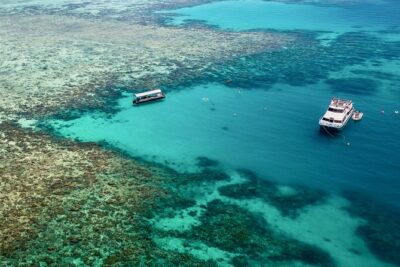
Ocean Freedom Great Barrier Reef Luxury Snorkel and Dive Cruise
Read our review →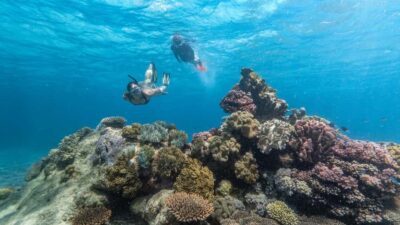
Premium Snorkelling and Diving Reef Day Trip
Read our review →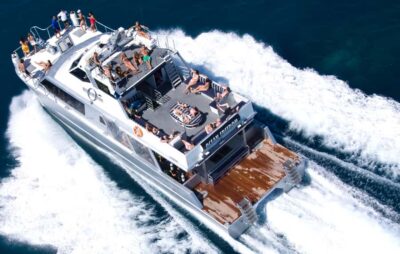
Magnetic Island Discovery Tour with Snorkeling & Paddle Boarding
Read our review →Browse the lists this tour appears in