
Reviewed · PORT ARTHUR & CONVICT HISTORY
Port Arthur: Cape Raoul Wilderness Cruise
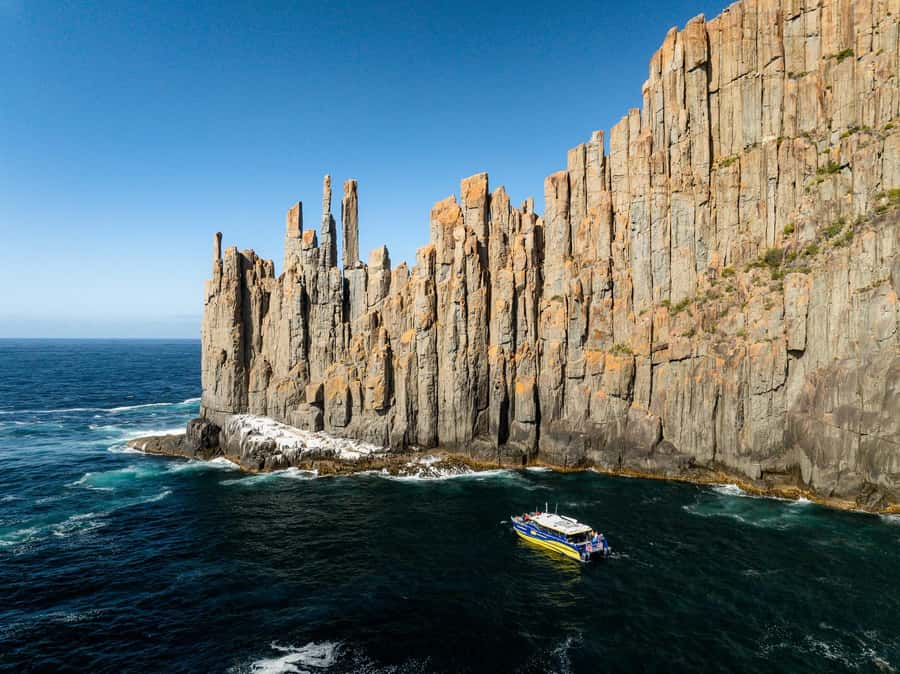
Cape Raoul rises straight from the Southern Ocean in a wall of 170-million-year-old dolerite, with seals resting below and seabirds circling overhead. This is the sort of scenery you cannot reach from the road, and the boat puts you close enough to feel its scale without a long hike.
I like the cruise for two clear reasons: the route packs a lot into 90 minutes, and the local crew bring useful explanations rather than leaving you to guess at every cliff and island. I also like the chance to see dolphins, fur seals, and migrating whales, though wildlife is never guaranteed.
The main catch is the sea. Wind and swell can make the ride rough, and poor weather may prevent the boat from reaching Cape Raoul. You should dress warmly, consider motion sickness medicine, and keep some flexibility in your day.
Key points to know before you go
- Cape Raoul’s dolerite columns rise more than 250 metres above the sea, giving you a striking view from water level.
- The route combines natural scenery with Port Arthur’s convict-era sites, including Point Puer and Isle of the Dead.
- Australian fur seals lounge at the cliff base, while dolphins, albatrosses, sea eagles, and whales may appear along the route.
- The cruise lasts 90 minutes, a useful length for families or anyone fitting several Tasman Peninsula sights into one day.
- Weather can change the route, so allow time to rebook or accept an alternate destination if reaching Cape Raoul is unsafe.
- You must pay entry to Port Arthur Historic Site to reach the jetty, so include that cost in your budget.
Leaving Port Arthur for the open coast
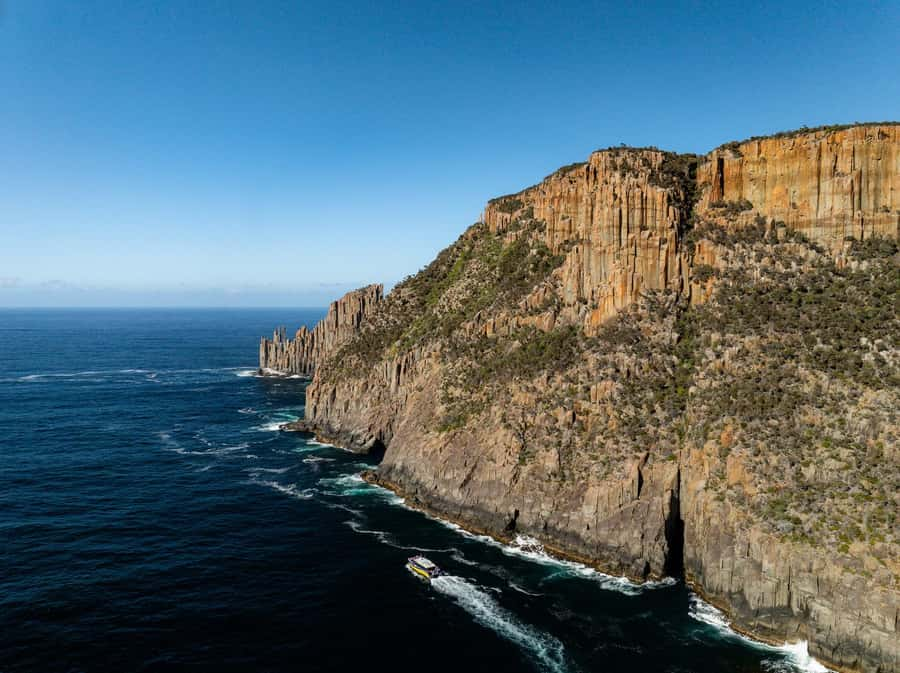
The cruise departs from Port Arthur Jetty, inside the Port Arthur Historic Site. That location matters: your boat ticket does not by itself provide access to the historic site, so you need a valid Port Arthur entry ticket as well.
The site ticket is not a wasted expense if you have not yet visited Port Arthur. The historic settlement is one of Tasmania’s major sights, and the cruise adds a very different view of the peninsula. If you visited the day before, check your ticket carefully before buying another one. Port Arthur tickets can remain valid for two days, which may let you return for the boat without paying again.
Arrive about 15 minutes before departure. The tour is in English, and a live guide provides commentary as the coast comes into view. Bring a camera, hat, sunscreen, and warm layers. Tasmania’s weather can feel mild on land and biting on the water, so I would dress for the colder conditions rather than the sunny ones.
There is no food or drink included. For a 90-minute cruise, that is not a major problem, but you should eat before boarding if you are combining this with a full day around Port Arthur.
Other convict-history days from Australia:
- From Port Arthur: Tasman Island Wilderness Cruise
★ 4.9 · 704 reviews - Port Arthur Full-day Guided Tour with Harbour Cruise and Tasman National Park
★ 4.5 · 585 reviews - Port Arthur Historic Site Admission and Tour Options
★ 4.8 · 509 reviews
Point Puer and Isle of the Dead from the water
The first part of the route gives you a useful sense of how tightly natural and convict history are tied together around Port Arthur. The cruise passes Point Puer and Isle of the Dead, two important sites connected with the former penal settlement.
From the boat, you do not get the same close historical detail as you would on a walking tour or guided visit ashore. Still, seeing these places from the water helps explain Port Arthur’s setting. The settlement was not simply placed beside a calm bay. It sits within a rough, enclosed corner of the Tasman Peninsula, where cliffs, headlands, and islands shaped movement and isolation.
I like this early section because it prevents the cruise from becoming a simple scenic ride. You get layers: human history close to the harbor, then increasingly wild coastline as the boat moves toward the open sea.
The guide’s commentary is part of the value here. Crew members have been praised for pointing out geographical features and wildlife as they appear, rather than giving one long speech that leaves you searching for the right cliff. On some departures, crew members Drew and Hayden have added jokes and lively conversation, which can help keep children interested during stretches between major sights.
Safety Cove and Crescent Bay’s white sand
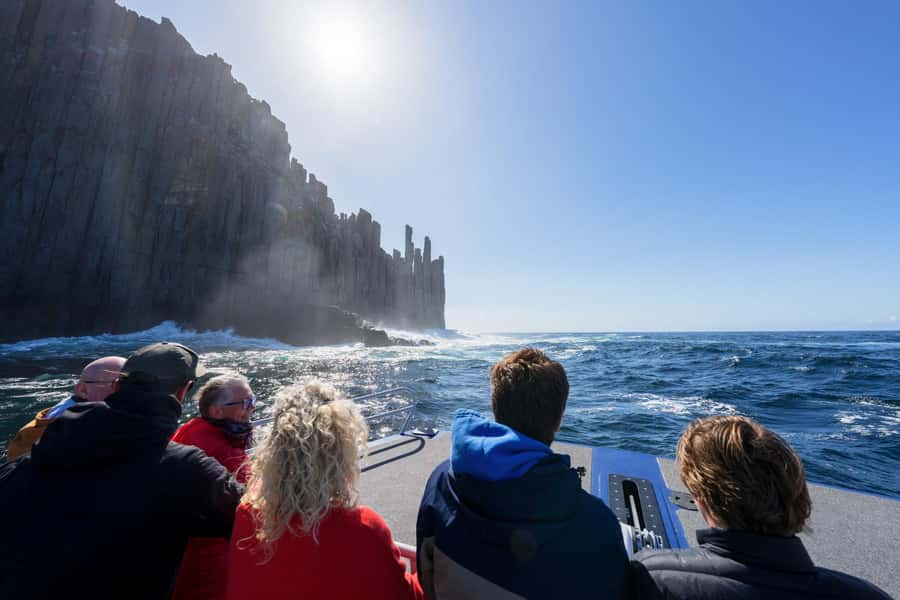
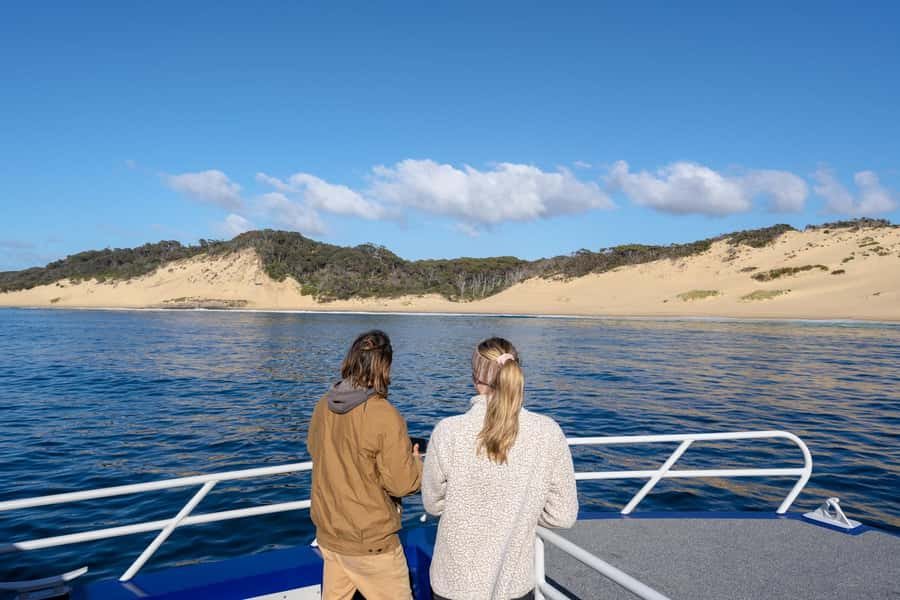
As the boat moves along the peninsula, the scenery opens into pale beaches backed by rugged rock. Safety Cove is known for its white sand, while Crescent Bay is framed by tall dunes and a more remote coastal feel.
You will not be stopping for a beach walk on this cruise. The reward is the view from offshore, where you can see the shape of the bays and the way the dunes meet the rocky coast. The boat gives you a wider picture than a viewpoint on land, especially when the shoreline curves away toward the headlands.
This part of the route also shows why conditions matter. Calm water lets you concentrate on the beaches and take photographs. Strong wind and swell may make it harder to hold your camera steady, and spray can become part of the experience. Protect phones and cameras if you plan to keep them out for the whole ride.
The cruise can feel especially worthwhile if you have limited time on the peninsula. In 90 minutes, you see beaches that would require separate walks or drives to reach, along with cliffs and offshore formations that are not accessible on foot.
Cape Pillar, Tasman Island, and the changing coast
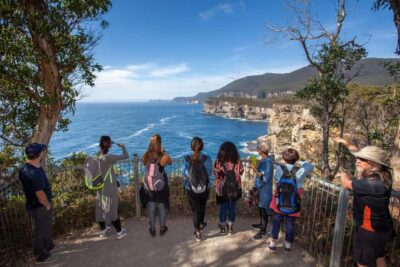
The route offers broad views toward Cape Pillar and Tasman Island, two landmarks that help you understand the size of Tasmania’s southeastern coast. These are not quick photo stops in the usual sense. The boat’s movement gives you changing angles, and the scale becomes clearer as the headlands line up across the water.
Mt Brown provides a backdrop near West Arthur Head. The scenery here is less about one single object and more about the meeting of open ocean, steep rock, distant islands, and long stretches of coast. I would keep looking behind the boat as well as ahead. The view changes quickly, and a headland that looked close a few minutes earlier may already be part of a much wider panorama.
This is also where the ride may feel more exposed. The sea can be bumpy, and one departure had to change plans because of bad weather. The crew offered another destination or the chance to rebook, which is a sensible safety response. If reaching Cape Raoul is your main reason for booking, choose a day with a favorable forecast and avoid scheduling something tightly timed immediately afterward.
A few more things to do in Australia worth a look
- Litchfield National Park and Jumping Crocodile Cruise
★ 5.0 · 2,119 reviews - Grampians National Park Small-Group Eco Tour from Melbourne
★ 5.0 · 761 reviews - Sydney: Blue Mountains National Park Tour with River Cruise
★ 4.6 · 701 reviews - From Hobart/Adventure Bay: Bruny Island Wilderness Cruise
★ 4.8 · 601 reviews
The towering dolerite cliffs of Cape Raoul
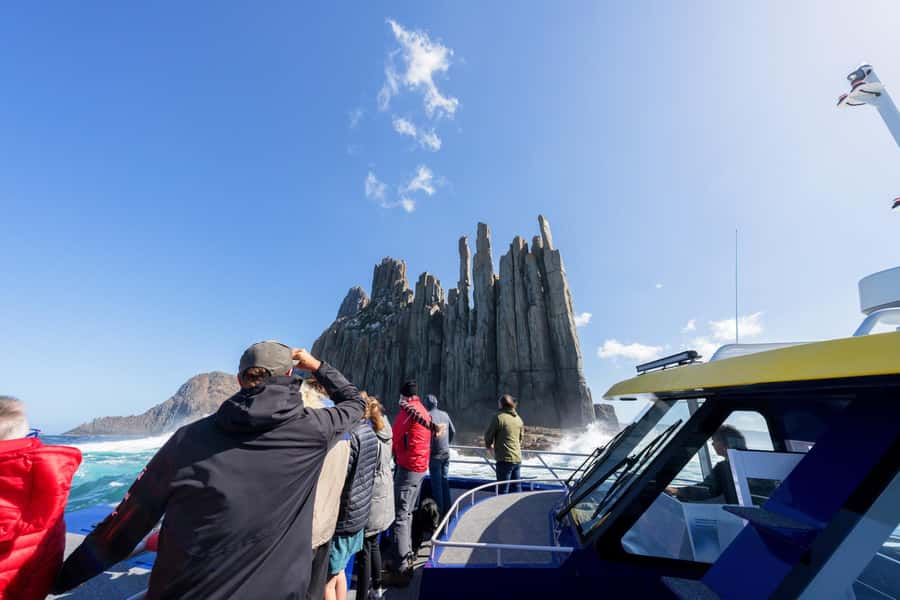
Cape Raoul is the main event. Its columnar dolerite cliffs rise more than 250 metres from the ocean’s edge, creating a wall of dark, vertical rock that is difficult to grasp from photographs.
The rock formed roughly 170 million years ago. You do not need a geology lecture to appreciate it, but the age adds useful context. These cliffs are not just tall; they are the result of ancient volcanic rock shaped over immense spans of time, then exposed along a coast where the sea continues to wear at the edges.
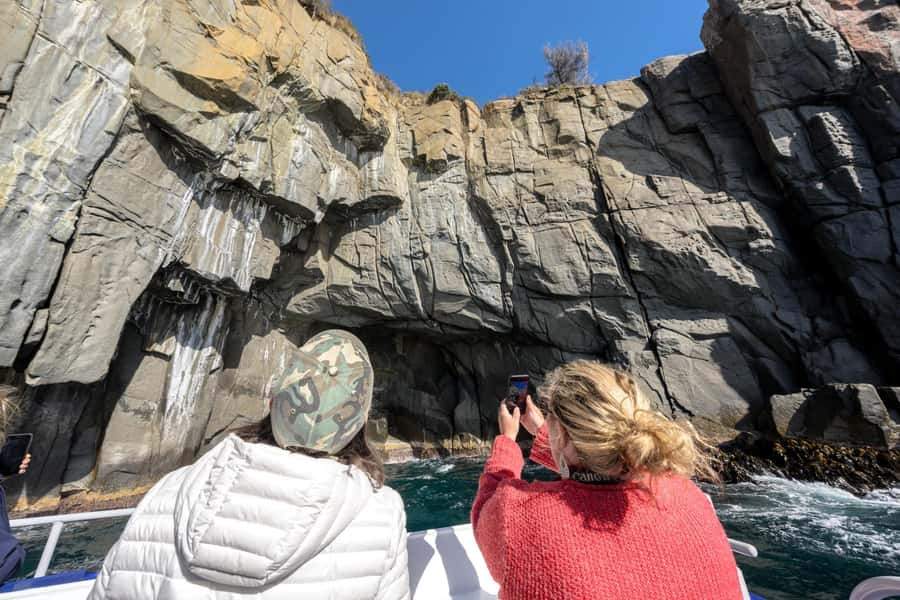
From the boat, you can look upward from the base of the columns. That angle gives the cliffs their force. A walking route above the coast might offer a grand view across the headland, but the cruise lets you see the rock face close to sea level, including caves, arches, and the places where the cliffs meet the waves.
Keep your camera ready, but do not spend the whole approach looking through a screen. The scale is easiest to understand with your own eyes. The boat may move past the best angle quickly, so wide shots are more useful than trying to capture every detail in one frame.
Cape Raoul also attracts climbers, and you might see people working their way up the near-vertical rock. That adds a human point of scale to an already huge scene. It also gives the cliffs a bit of drama beyond the usual sweep of coast and ocean.
Australian fur seals below the cliffs
The Australian fur seals are one of the most appealing parts of the cruise. They rest on rocks at the base of the Cape Raoul cliffs, where you can watch them lounge, shift position, and slip into the water.
The word cheeky fits their behavior better than any formal wildlife description. They are not performing for the boat, and that is exactly why the sightings feel natural. You may see several seals gathered on the rocks, but the number and viewing distance will depend on conditions and animal behavior.
The crew helps here by pointing out where to look. Without that guidance, seals can be easy to miss against dark rock and moving water. Bring binoculars if you have them, though the boat’s proximity may still offer good views.
Dolphins are another possibility, especially around the bow wave. If they appear, the action can be brief. Keep watching the water even when the cliffs are holding your attention. Migrating whales may pass along Tasmania’s southeastern coast, and seabirds are a more regular part of the coastal scene.
You may see albatrosses, white-bellied sea eagles, and other birds riding the air above the cliffs. Wildlife sightings are a bonus rather than a promise, so book this for the coastline first and treat animals as an extra reward.
What the 90-minute timing means
A 90-minute cruise is long enough to reach the major coastal features without taking over your whole day. I see that as a real strength. You can visit Port Arthur Historic Site, take the boat, and still have time to see more of the Tasman Peninsula.
The short duration also suits families. One child-focused advantage is that the cruise is not so long that everyone becomes restless, but it still offers enough changes in scenery to hold attention. The crew’s humor can help as well, especially during stretches when wildlife does not appear.
The tradeoff is that the trip is tightly timed. You are seeing the coast from the boat, not stopping for long at each bay or formation. If you want quiet time on a beach, a long wildlife watch, or a slow photography session, this will feel brisk.
I think the timing works best for first-time visitors who want a strong overview. It gives you a taste of the peninsula from the sea and may inspire you to return for a longer walk or another coastal outing.
Price, value, and the cost of getting to the jetty
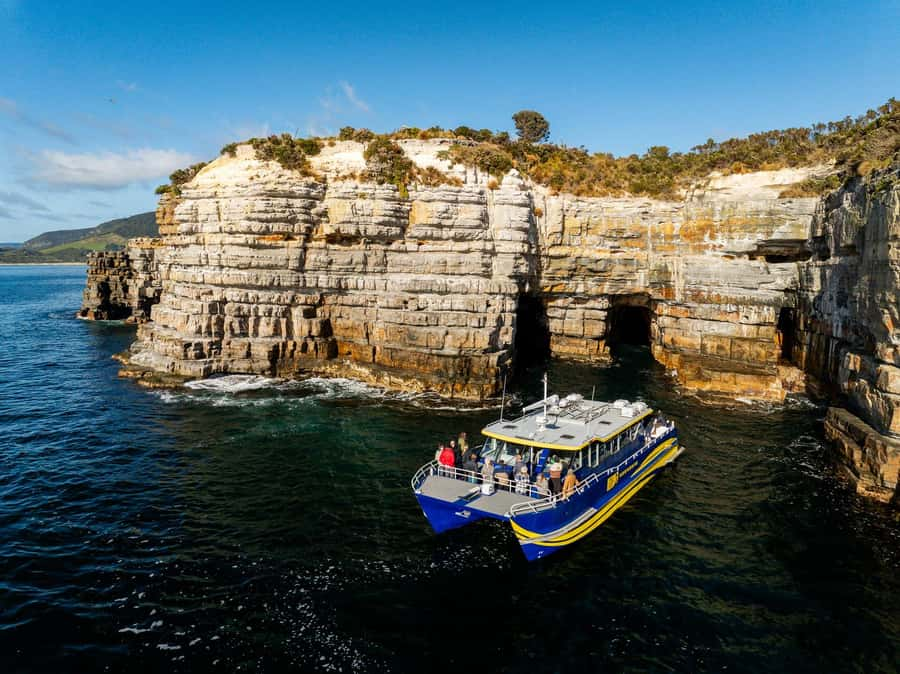
At $92 per person, the cruise is not a casual harbor ride, but the price is fair for a 90-minute trip to a remote section of coastline. The value comes from access. You are paying to see the seaward face of Cape Raoul, sea caves, arches, cliffs, and offshore wildlife without arranging transport or tackling a demanding coastal walk.
You should budget separately for entry to Port Arthur Historic Site. That extra cost can change the calculation, especially if you have already visited Port Arthur. Check if your existing ticket remains valid for a second day before booking.
I would consider the cruise good value if Cape Raoul is high on your list, if you want to combine history and nature, or if you have limited time. It is less compelling if you dislike boats, are very prone to seasickness, or mainly want a relaxed beach visit.
Free cancellation up to 24 hours before departure and the option to reserve now and pay later make planning easier. Still, the most important practical factor is the forecast. A sunny day does not guarantee calm water, but poor conditions can mean an altered route or a missed Cape Raoul section.
Who should book the Cape Raoul cruise
I would recommend this experience to:
- Scenery-focused visitors who want close views of cliffs, arches, caves, and beaches.
- Families looking for a manageable 90-minute activity.
- Wildlife watchers who are happy to search for seals, dolphins, seabirds, and possible whales.
- History fans who want to connect Port Arthur’s sites with the wider peninsula.
- Photographers who can work quickly and protect equipment from spray.
- People without time for a longer coastal walk who still want to see Cape Raoul from the sea.
I would think twice if rough water makes you uncomfortable. The crew can make a bumpy ride feel safe and interesting, but no guide can remove the motion of the ocean. Take motion sickness medicine if you are prone to seasickness, and wear layers that can handle wind.
The cruise is wheelchair accessible, though you should still confirm any personal boarding needs when booking. Smoking is not allowed.
Should you book it?
Yes, if you want a compact, well-organized look at Tasmania’s wild southeastern coast. The cliffs at Cape Raoul are the reason to go, but the route earns its price by adding Port Arthur’s historical sites, Safety Cove, Crescent Bay, distant Cape Pillar views, and a genuine chance of seals or dolphins.
Book with a little weather flexibility. If the forecast is poor, rebooking may give you a much better chance of reaching Cape Raoul. On a suitable day, this is one of the most efficient ways to see the peninsula from a side that roads and walking tracks cannot provide.
FAQ
How long is the Cape Raoul Wilderness Cruise?
The cruise lasts 90 minutes.
Where does the cruise depart?
It departs from Port Arthur Jetty, located within the Port Arthur Historic Site.
Do I need to pay for entry to Port Arthur Historic Site?
Yes. Entry to Port Arthur Historic Site is required to take part in the cruise.
What wildlife might I see?
You might see Australian fur seals, dolphins, migrating whales, albatrosses, white-bellied sea eagles, and other seabirds. Wildlife sightings are not guaranteed.
What should I bring?
Bring warm clothing, a hat, sunscreen, a camera, and comfortable clothes. Layers are useful because conditions can change on the water. Motion sickness medication is recommended if you are prone to seasickness.
Is the cruise wheelchair accessible?
Yes, the activity is listed as wheelchair accessible.
Just added in Australia
- 6-Day Tasmanian Explorer Adventure Tour from Hobart★ 5.0 · 66 reviews
- 3 day Tasmanian highlights tour – Hobart, Port Arthur and Bruny Island★ 5.0 · 41 reviews
- 7-Day Super Value Tour of Tasmania: Explore Tasmania’s West and East Coasts★ 5.0 · 77 reviews
- 4 Day Wild Tasmania Tour / Wildlife, Nature, Hiking / Inc. Accom★ 5.0 · 126 reviews
- A Day At Wineglass Bay★ 5.0 · 33 reviews
- Bruny Island Wilderness Cruise from Adventure Bay, Bruny Island★ 5.0 · 293 reviews
- 5-Day Best of Tasmania Tour from Hobart★ 5.0 · 184 reviews
- Enjoy a VIP Booth Shared Experience From Gympie★ 4.5 · 22 reviews
Port Arthur & Convict History, compared.
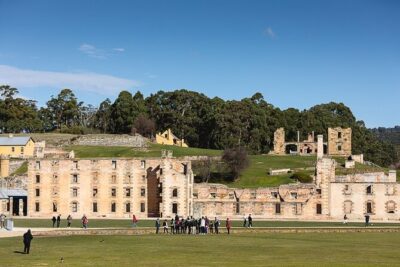
Port Arthur Full-day Guided Tour with Harbour Cruise and Tasman National Park
Read our review →
Port Arthur Historic Site Admission and Tour Options
Read our review →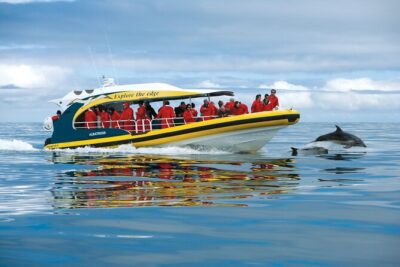
Tasman Island Cruises and Port Arthur Historic Site Day Tour from Hobart
Read our review →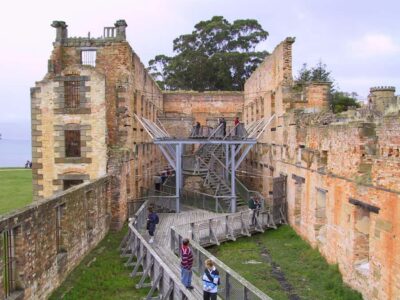
Port Arthur & Tasman Park Full-Day Trip with Cruise
Read our review →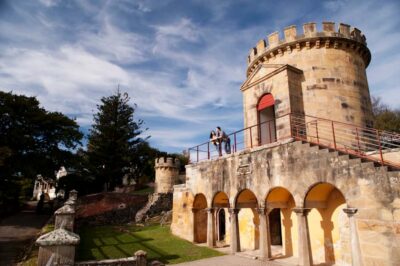
Port Arthur, Richmond & Tassie Devil – Active Tour
Read our review →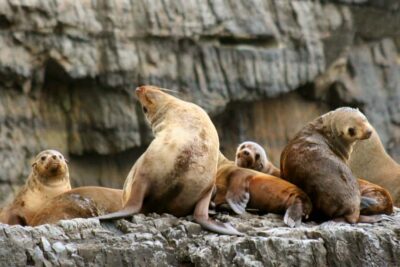
Tasman Peninsula Tour, Cruise & Port Arthur Historic Site
Read our review →Browse the lists this tour appears in