
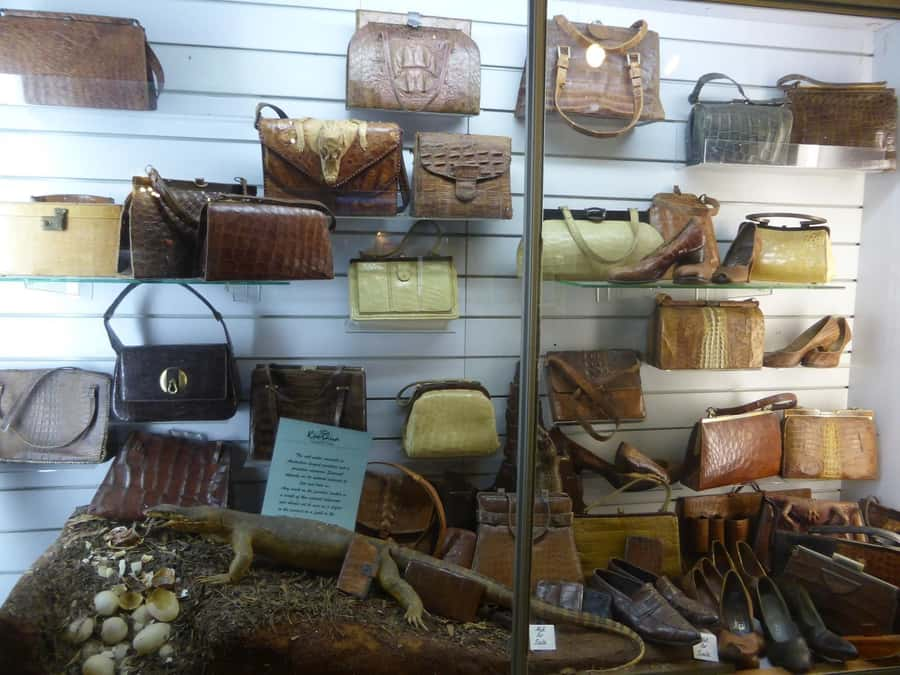
Reviewed · CROCODILE CRUISES & ENCOUNTERS
Rockhampton: Koorana Crocodile Farm Guided Tour
Koorana Crocodile Farm puts you close enough to a crocodile for a photo, then gives you the facts to understand what you are seeing. You’ll watch feeding, inspect eggs and learn how baby crocs hatch at Queensland’s first commercial crocodile farm.
I like the mix of hands-on fun and proper conservation talk. Guides such as Kia and Mel bring plenty of energy, and the 90-minute format gives you a useful look without taking up half your day. The catch is the heat and sun, with much of the experience outdoors, so bring water, sunscreen, a hat and insect repellent.
Key points to know before you go
- Hold a small crocodile: A supervised photo opportunity gives you the tour’s most memorable moment.
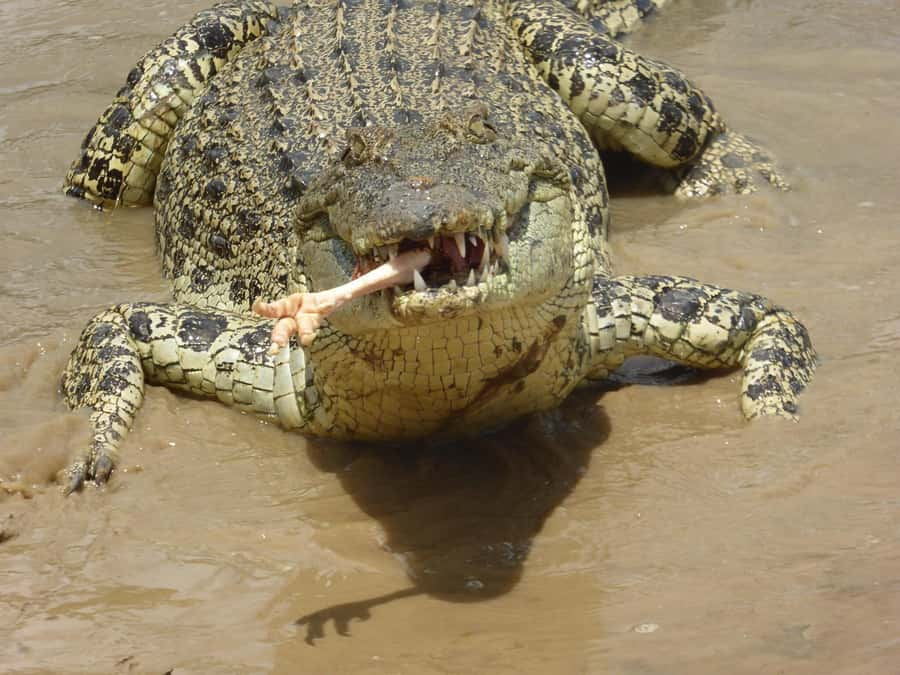
- See feeding up close: Farm staff feed the crocodiles during the walk, with safety kept front and center.
- Time your visit for hatchlings: Egg collection usually happens from December to February, and hatching from February to May.
- Learn before you look: The introductory talk and video explain crocodile behavior, farm history and conservation.
- Plan for Queensland heat: Comfortable shoes, water, sunscreen, a hat and insect repellent will make the visit easier.
- Pay $28 for 90 minutes: The price includes the full guided experience, but food and drinks are not included.
Meeting crocodiles at Koorana Farm
The first surprise at Koorana Crocodile Farm is how quickly the experience moves beyond the standard animal-photo stop. You are not simply shown a crocodile and sent on your way. The tour begins with an explanation of crocodile conservation and the role of commercial farming, giving you a clearer idea of why the farm exists.
That context matters. Crocodiles are easy to treat as scenery, especially when one is lying still in the sun. The opening talk asks you to look at behavior, breeding and the relationship between conservation and farming. I find that this makes the later feeding session more interesting because you have already learned what to watch for.
The tour is led in English, and the guide’s personality can shape the pace. Kia has been praised for his enthusiasm and strong explanations, while Mel is known for making the hands-on part fun and easy to follow. The exact guide can vary, but the experience depends on having someone who can explain the animals clearly while keeping everyone safe.
The farm’s focus is crocodile behavior. That makes this a better choice for someone who wants to understand these reptiles, rather than only collect a quick photograph. You will hear about how crocodiles live, how they behave and why conservation work matters.
Other croc trips out of Australia:
- Litchfield National Park and Jumping Crocodile Cruise
★ 5.0 · 2,119 reviews - Solar Whisper Daintree River Crocodile and Wildlife Cruise
★ 5.0 · 1,663 reviews - Adelaide River Cruises – Jumping Crocodile Experience
★ 5.0 · 997 reviews
The video gives you the basics first
After the introduction, you watch a video presentation on crocodile behavior and the farm’s history. This is a useful pause before the outdoor walk. It gives you the basic vocabulary and background needed to make sense of what comes next.
The video also helps on a hot day. The farm can be warm, and one of the practical lessons from this experience is that comfort affects how much you take in. You may appreciate having a shaded or indoor section before walking around the enclosures, though the supplied details do not specify the exact facilities or how long the video runs.
I like this part because crocodiles are not always active on command. If one animal is resting, the video and guide’s explanations fill in the gaps. You get information about a living creature, not a staged performance that depends on constant movement.
The presentation is also helpful for children old enough to follow the tour. The activity is not suitable for children under three, and younger children may find the heat or long explanations tiring. Older children can get much more from the visit, especially if they are curious about animals, eggs and how farms operate.
Walking the farm and watching feeding time
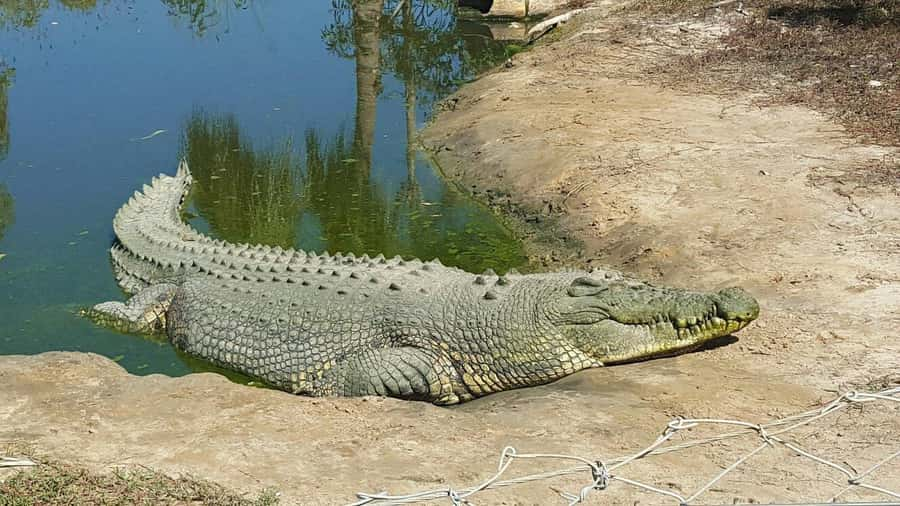
The farm walk is the main part of the tour. You move around the property with the guide and see crocodiles in the farm setting. Staff feed the animals as part of the visit, giving you a chance to watch their reactions and hear more about their behavior.
Feeding is naturally the liveliest section. Crocodiles may spend long periods looking still, so the arrival of food gives you a better sense of their strength and speed. The guide keeps attention on what the animals are doing, rather than turning the moment into a reckless stunt.
Safety is treated seriously. You are not left to approach a large crocodile on your own, and the feeding takes place with staff control. One useful point is that the tour may focus on breeding pairs and selected animals, so you should not expect every crocodile on the farm to be active or visible throughout the walk.
That limitation is worth understanding before you book. This is not a wildlife safari where animals appear in a changing natural setting. It is a working crocodile farm with managed enclosures, a feeding demonstration and an educational purpose. I prefer it when visitors know that in advance, because it keeps expectations realistic.
The guide’s narration is a major part of the walk. Kia has received especially strong praise for explaining species, behavior and ecological importance in an engaging way. If English is not your first language, the pace may sometimes feel quick. One practical suggestion is to stay near the guide and ask for a point to be repeated if needed.
The baby crocodile photo
The hands-on photo opportunity is the tour’s obvious crowd-pleaser. If you are feeling brave, you can hold a small crocodile under staff supervision and have a photograph taken. This is a controlled encounter, not an invitation to handle the animal freely.
The photo works best when you treat it as part of the lesson. You get a close look at the young crocodile’s body, skin and shape, then understand that the small animal in your arms is an early stage of a much larger reptile. That contrast makes the moment memorable, especially for families with older children.
I also like that the photo comes after the behavior talk and farm walk. You have already learned how to respect the animal, so the encounter feels less like a novelty with no context. It is still a brief moment, and not everyone will want to hold a crocodile. Watching is a perfectly sensible choice.
Check the booking details carefully if the photograph is a major reason for your visit. The listed admission includes the hands-on photo opportunity, while one booking account referred to a separate $40 baby croc experience. The supplied tour information states that the tour includes the photo opportunity, so confirm the current arrangement when reserving if you want to avoid any confusion.
A few more things to do in Australia worth a look
- Amazing Yarra Valley Wine Tour + Chocolate, Farm Fresh, Gin
★ 5.0 · 1,566 reviews - Hidden Gems: Boutique Full-Day Wine, Farm & Lunch Tour
★ 5.0 · 881 reviews - Melbourne: Yarra Valley Wine, Choc, Farm Fresh, Gin Tour
★ 4.9 · 258 reviews - Experience Coffin Bay Oyster Farm and Bay Tour
★ 5.0 · 161 reviews
Eggs, nests and the hatching season
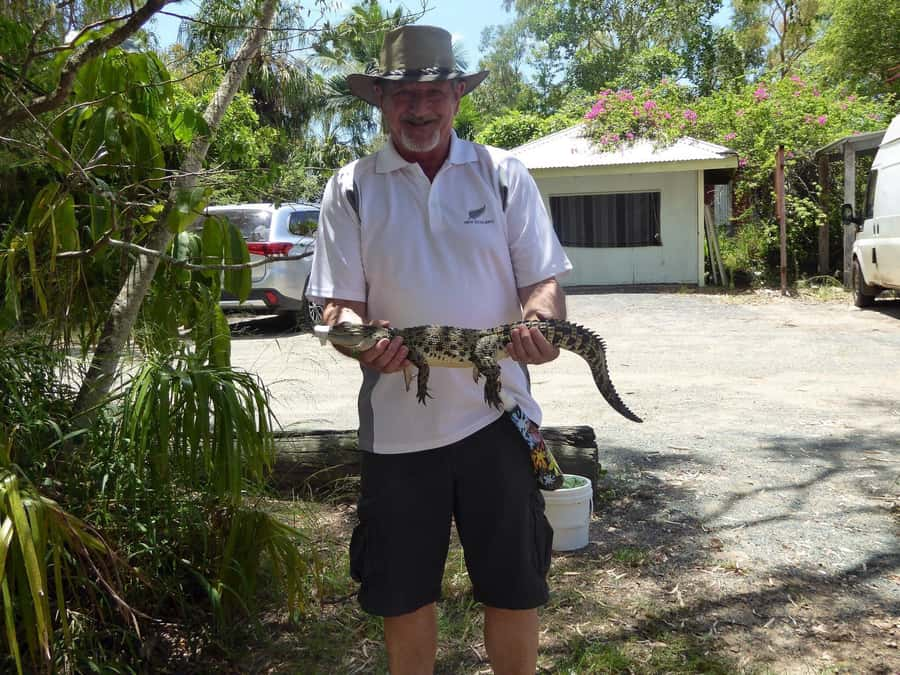
Koorana becomes especially interesting at certain times of year. From December to February, staff may conduct nest raids to collect eggs. From February to May, you may see baby crocodiles hatching.
These seasonal activities give the tour a stronger connection to the farm’s breeding work. Seeing an egg or learning how hatching happens turns an abstract conservation lesson into something you can picture. Baby crocodiles are also likely to be a highlight for children, though the farm cannot promise that every stage will be visible on every date.
Timing matters here. A visit in the hatching period may offer a more dramatic experience, while an earlier summer visit may include egg collection. The two periods overlap in February, so that month may offer a chance to learn about both parts of the process, subject to what is happening on the day.
I would not book this tour expecting a guaranteed hatchling scene. Seasonal activities depend on the farm’s breeding cycle, and the information provided describes them as included special activities rather than a fixed daily show. If seeing a hatch is your main goal, check current availability before paying.
What the $28 price really gives you
At $28 per person, the tour is fairly priced for a 90-minute guided visit with several distinct parts. You receive the introductory conservation talk, video presentation, farm walk, feeding session, seasonal content when available and small crocodile photo opportunity.
The value comes from the guide and the range of activities. A short animal encounter alone can feel thin, but this visit builds from explanation to observation to hands-on contact. You leave with more than a photograph, provided you pay attention during the talk and ask questions.
Food and drinks are not included. That matters in Queensland’s heat, especially if you are visiting with children. Bring your own water, and do not assume lunch is part of the ticket. You should also allow for extra time if you want to eat before or after the tour.
The experience offers free cancellation up to 24 hours before the start time, and you can reserve now and pay later. Those terms are useful if your Rockhampton plans are still shifting. Starting times vary, so check availability for the date you want.
Staying comfortable in the Queensland sun
This is an outdoor farm visit, and the weather can affect your enjoyment. A June visit has still been worthwhile in poor weather, but sunny days require more preparation. Wear comfortable shoes for the farm walk, and bring water, sunscreen, a hat and insect repellent.
Comfortable clothing also helps because the tour combines standing, walking and watching. You do not need special equipment, but you do need to be ready for sun and insects. Keep your camera handy for the crocodile photo, while remembering that the guide will control the handling moment.
The 90-minute duration is a good fit for a wider Capricorn Coast day. It is long enough to cover the farm’s story and animals, yet short enough to combine with another activity. The pace may feel full if you want to stop and study every enclosure, but the guided structure prevents the visit from becoming aimless.
Pregnant women and children under three are listed as not suitable for this activity. For everyone else, the central question is comfort around crocodiles. You can enjoy the tour without holding one, but you should be comfortable being near animals that are powerful, large and unpredictable by nature.
Who will enjoy this tour most?
I would recommend Koorana to families with school-age children, couples who want a distinctive stop near Rockhampton and anyone interested in wildlife conservation. The baby crocodile photo adds a strong memory, while the feeding and video keep the visit from being only a photo opportunity.
It also suits visitors who prefer a guide-led experience. You do not need to arrive with detailed crocodile knowledge. The tour explains the basics first, then gives you examples to watch during the walk.
It may be less suitable if you want a quiet, self-guided animal park or a purely wild encounter. The farm is commercial, the animals are managed and the schedule is structured. That is also what makes the visit accessible and safe.
If English is not your first language, the tour can still work well, but some explanations may require extra concentration. Kia’s enthusiasm has been a real strength, though one account found the speaking pace quick. Ask questions and stay close enough to hear the guide clearly.
Should you book Koorana Crocodile Farm?
Book it if you want a compact, informative crocodile experience with a supervised hands-on moment. The $28 price is good value for 90 minutes that include conservation, behavior, feeding, farm history, eggs and a small crocodile photo.
For the best chance of seeing eggs or hatchlings, aim for December through May and confirm what seasonal activity is expected on your date. If you are visiting outside that period, the regular tour still offers plenty: a video, farm walk, feeding and strong guide commentary.
I would bring water, sunscreen, a hat, comfortable shoes and insect repellent without fail. If you can accept a managed farm setting rather than a wild encounter, Koorana is an engaging and practical way to get close to crocodiles without giving up the educational side.
FAQ
How much does the Koorana Crocodile Farm tour cost?
The tour costs $28 per person. Admission includes the 90-minute guided tour and the listed activities, but food and drinks are not included.
How long does the tour last?
The guided tour lasts 90 minutes.
What language is the tour in?
The tour is conducted in English with a live English-speaking guide.
Is holding a small crocodile included?
The tour includes a supervised hands-on photo opportunity with a small crocodile.
Will I see crocodiles being fed?
Yes. The farm walk includes a feeding session conducted by farm staff.
Can I see crocodile eggs or hatchlings?
Seasonal activities include nest raids and egg collection from December to February, and baby crocodile hatching from February to May. These activities depend on the season and what is happening at the farm.
What should I bring?
Bring comfortable shoes, a camera, sunscreen, water and insect repellent. A hat is also useful in the Queensland sun.
Are young children allowed on the tour?
Children under three are not suitable for this activity.
Can I cancel or pay later?
You can cancel up to 24 hours before the tour for a full refund. You can also reserve your place and pay later.
Just added in Australia
- 6-Day Tasmanian Explorer Adventure Tour from Hobart★ 5.0 · 66 reviews
- 3 day Tasmanian highlights tour – Hobart, Port Arthur and Bruny Island★ 5.0 · 41 reviews
- 7-Day Super Value Tour of Tasmania: Explore Tasmania’s West and East Coasts★ 5.0 · 77 reviews
- 4 Day Wild Tasmania Tour / Wildlife, Nature, Hiking / Inc. Accom★ 5.0 · 126 reviews
- A Day At Wineglass Bay★ 5.0 · 33 reviews
- Bruny Island Wilderness Cruise from Adventure Bay, Bruny Island★ 5.0 · 293 reviews
- 5-Day Best of Tasmania Tour from Hobart★ 5.0 · 184 reviews
- Enjoy a VIP Booth Shared Experience From Gympie★ 4.5 · 22 reviews
Crocodile Cruises & Encounters, compared.
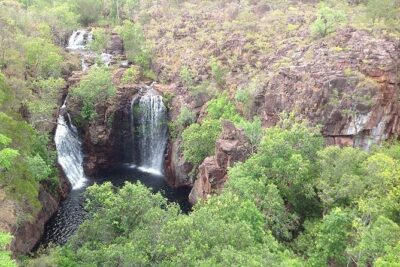
Litchfield National Park and Jumping Crocodile Cruise
Read our review →
Solar Whisper Daintree River Crocodile and Wildlife Cruise
Read our review →
Adelaide River Cruises – Jumping Crocodile Experience
Read our review →
Litchfield Park Tour & Jumping Crocodile Cruise
Read our review →
The Croc Bus to the Famous Jumping Crocodile Cruise
Read our review →
Litchfield and Jumping Crocodiles Full Day Trip from Darwin
Read our review →
Malcolm Douglas Crocodile Park Tour Including Transportation
Read our review →
Browse the lists this tour appears in