
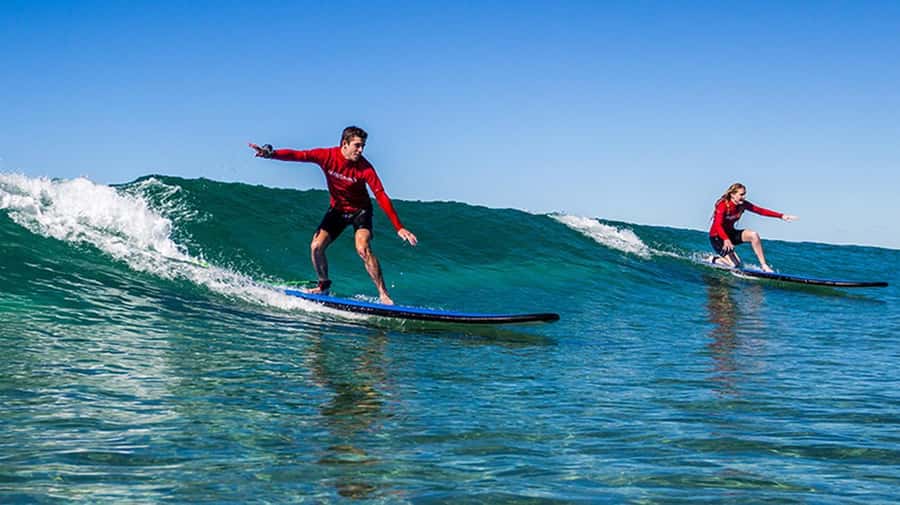
Reviewed · SURF LESSONS
Surfers Paradise: 2 Hour Surf Experience on the Gold Coast
Surfing at Surfers Paradise is a fine way to meet the Gold Coast on its own terms: barefoot, sandy, salty, and slightly chaotic. Go Ride A Wave keeps the first lesson simple, starting on the beach before taking you into waist-deep water, and most beginners have a real chance of standing up before the two hours are done.
I like the clear teaching plan and the friendly coaching. Instructors such as Taj, Danny, Kal, Hudson, Jack, and Ciara are repeatedly praised for giving beginners calm, useful help instead of barking instructions from shore. I also like the soft-top boards and included rash shirt or wetsuit, which save you from hiring beginner gear separately.
The catch is that surfing depends on the sea. Rough waves, wind, or rain can make the lesson harder, and two hours will teach you the basics rather than turn you into a polished surfer. You will also carry the board between the shop and beach, so allow a little effort before the fun begins.
Key points at a glance
- First-lesson stand-up goal: The session is designed to get beginners standing on a board during their first lesson.
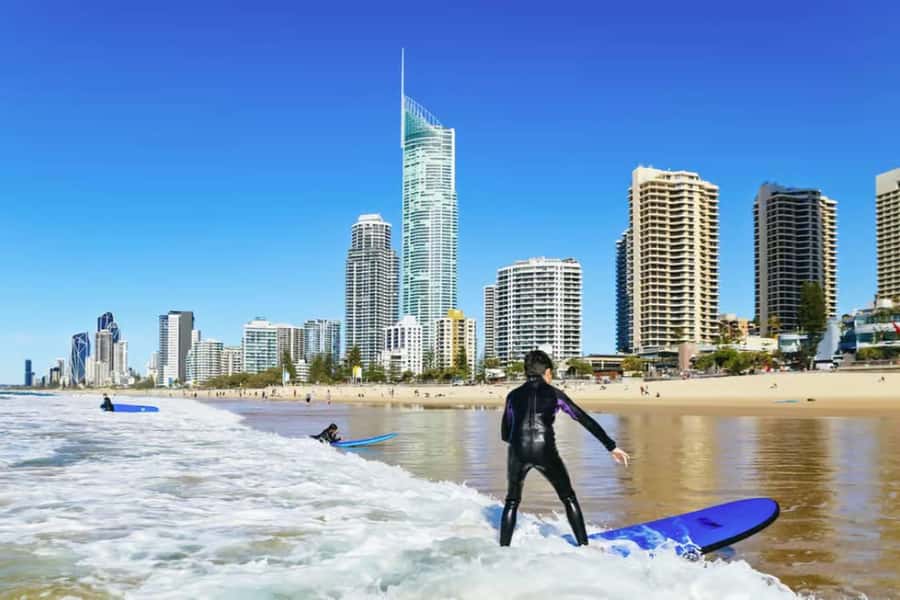
- A real beach setting: You learn on Surfers Paradise Beach, beside one of Australia’s best-known stretches of sand.
- Patient, practical coaching: The instructors cover safety, wave position, board control, and the pop-up in plain steps.
- Gear is included: You receive a soft-top surfboard, long-sleeved rash shirt or wetsuit, and sunscreen.
- Good for families and first-timers: Children aged eight and above can take part, with special rules for children under nine.
- A useful two-hour workout: You get enough water time to make progress, but you will likely feel tired afterward.
Starting beside Cavill Avenue and the Surfers Paradise sign
You meet at shop 26A in the Paradise Center, next door to Hungry Jacks and just off the beach end of Cavill Avenue. The famous Surfers Paradise sign is nearby, so the meeting point is easy to locate once you are in the central beach area.
Arrive 20 minutes before the lesson. That time matters. You need to check in, collect your board and clothing, and get organised before the group walks toward the beach. Arriving late would cut into the part you paid for, and surfing lessons work best when everyone hears the same safety instructions from the start.
You should bring swimwear and a towel. Food and drinks are not included. Sunscreen is supplied, but I would still arrive ready for strong Australian sun, particularly if you plan to spend more time on the beach before or after the class.
The walk from the shop to the sand is part of the setup. You carry the board, and one person specifically found this tiring for anyone without strong arms. A soft-top board is beginner-friendly in the water, but it is still a long, wide object to carry. Wear practical clothing and avoid bringing anything you do not want covered in sand.
More Surf Lessons in Gold Coast
- Learn to Surf at Surfers Paradise on the Gold Coast
★ 5.0 · 491 reviews - 2 Hour Ultimate Learn to Surf Adventure
★ 5.0 · 235 reviews - Broadbeach: 2 Hour Surf Experience on the Gold Coast
★ 4.9 · 225 reviews
Getting fitted with a board and rash shirt
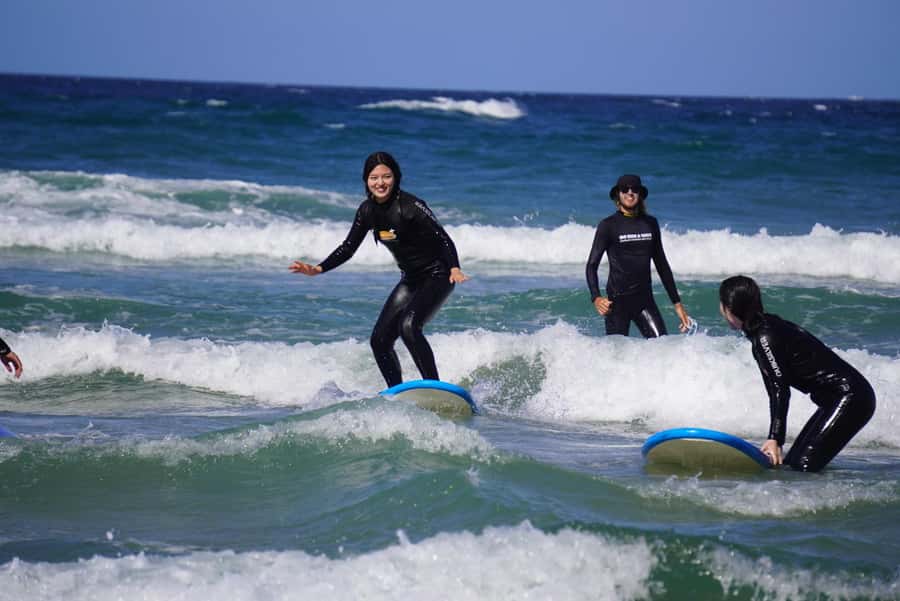
Go Ride A Wave supplies a soft-top surfboard, a long-sleeved rash shirt or wetsuit, and sunscreen. The soft-top board is the sensible choice for a first lesson. It is designed for stability and forgiveness, which gives you a better chance of learning the basic movements without worrying about a hard board.
The rash shirt or wetsuit also helps with comfort. On a warm day, the rash shirt protects your skin from rubbing against the board. In cooler or wet weather, a wetsuit can make a major difference. One lesson took place in torrential rain and wind, and the instructor noticed that a student was cold and fetched a wetsuit without being asked. That kind of attention is worth having when conditions turn unpleasant.
Your board is not just a float. You will learn how to lie on it, position your body, paddle, control the nose, and prepare for the pop-up. Beginners often focus so hard on standing that they forget the earlier steps. The instructor’s job is to build those steps in the right order.
Learning safety before catching waves
The lesson begins with a safety briefing and basic technique. You learn how to read the water, where to position yourself, how to handle the board, and what signs and wave features to watch for. This may feel less exciting than catching a wave, but it is the part that makes the water feel manageable.
Safety matters even in waist-deep water. A board can move quickly, and a group of beginners needs to keep enough space between people. The instructors have been praised for managing tight surfing areas and helping the group stay spread out. They also give attention to students who need extra reassurance, including people who are not yet strong swimmers.
You do not need to arrive with surfing experience. The teaching is built for complete beginners, though people with some experience can use it as a refresher. One returning surfer found the class useful for getting back into the waves while visiting the Gold Coast.
The instructors teach in English. You should be comfortable following spoken directions in English, especially during the safety briefing and while you are in the water.
Practising the pop-up on dry sand
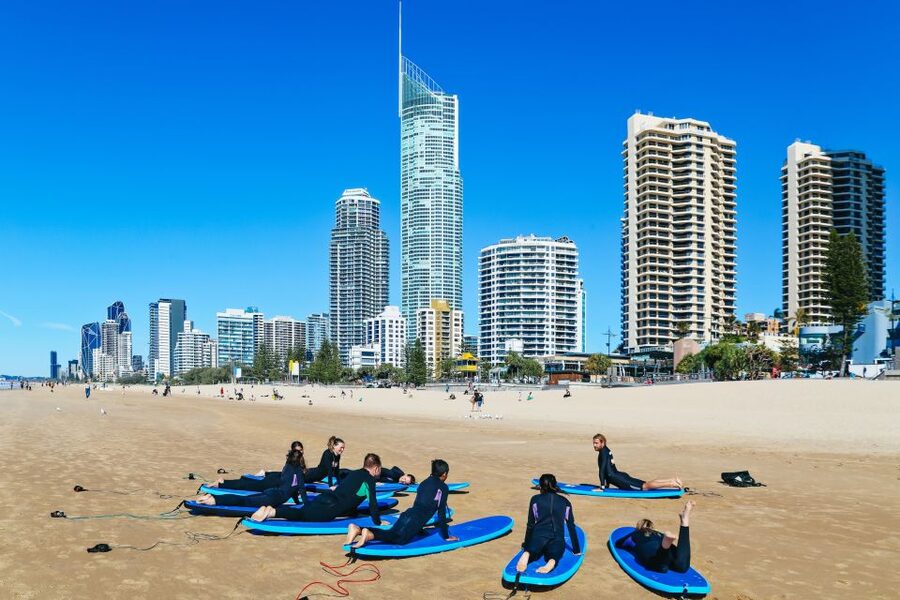
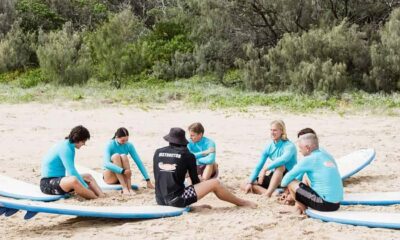
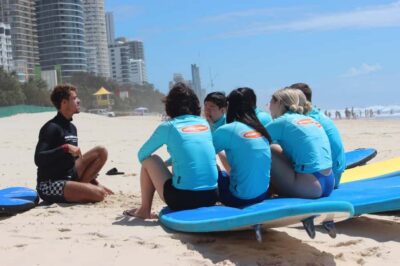
After the first water work, the group returns to the sand for more direct instruction on standing. This split is one of the smartest parts of the lesson. On the beach, you can concentrate on hand position, foot placement, balance, and timing without a wave pushing the board beneath you.
The basic movement looks simple when an instructor demonstrates it. In practice, beginners often place a foot too slowly, lift their hips too high, or try to stand before the board has enough speed. Repeating the motion on the sand gives you a physical pattern to remember.
This is also where the instructors can correct small mistakes. Anna described the sand practice as important and helpful, while other students appreciated that the steps were explained and demonstrated before returning to the water. You are not left to guess what standing should look like.
The beach section is not wasted time. It gives you a better shot at standing during the second water session, which is when the lesson becomes especially rewarding.
Other breaks to learn on near Gold Coast:
- Bondi Beach: 2-Hour Surf Lesson Experience for Any Level
★ 4.9 · 935 reviews - Byron Bay: 2-Hour Small Group Surf Lesson
★ 4.8 · 657 reviews - Noosa Heads: 2 Hour Surf Experience on the Sunshine Coast
★ 4.9 · 644 reviews - Half Day Surf Lesson
★ 4.5 · 234 reviews
Returning to the water for your first rides
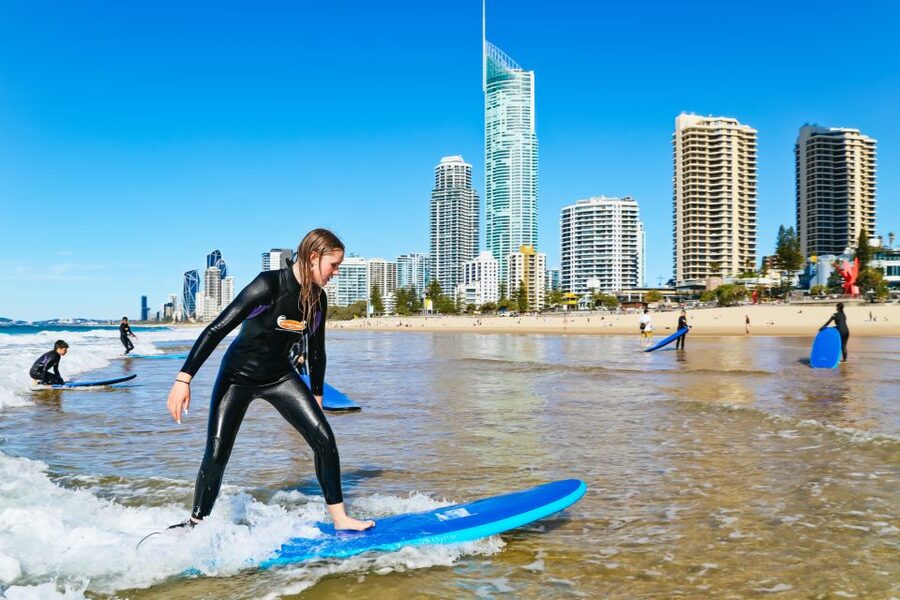
Back in the surf, you begin catching small waves with the instructor close by. At first, the goal is not stylish surfing. It is learning to feel the board move, keep your weight centred, and recognise when a wave is carrying you.
The instructor may help position you, tell you when to paddle, and give a short cue for the pop-up. The best part of the teaching is its individual nature. Even in a larger group, several students found that instructors came around repeatedly and offered one-on-one help. If the class includes many children, the staff may give extra attention to those who need it.
You should expect some failed attempts. That is normal. A rough sea can make even the first few rides difficult, and one student admitted that confidence disappeared in harsh conditions. The lesson is still worthwhile, but your result depends partly on the waves, your comfort in the water, and your willingness to keep trying.
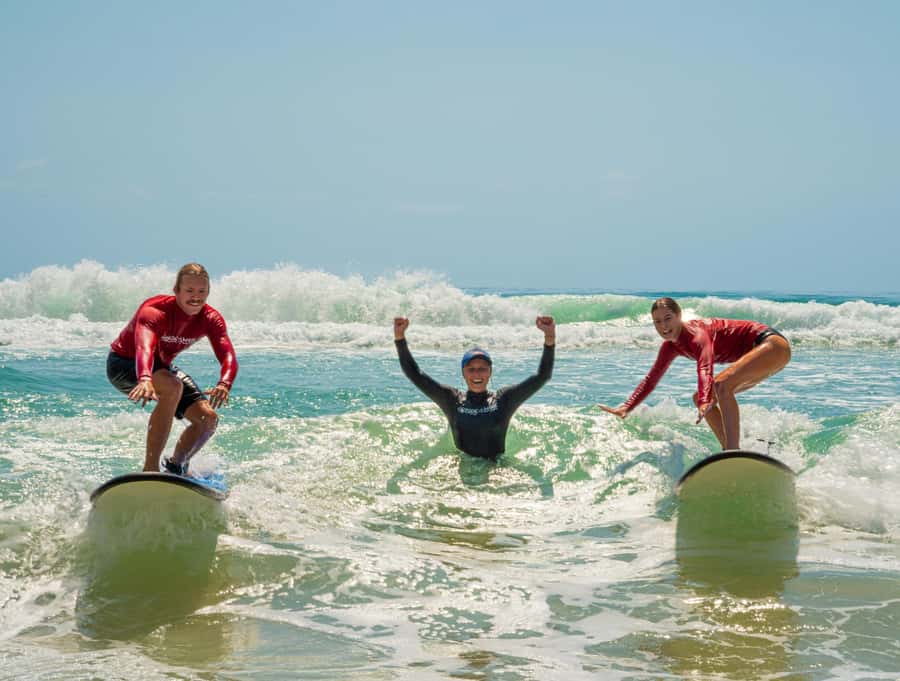
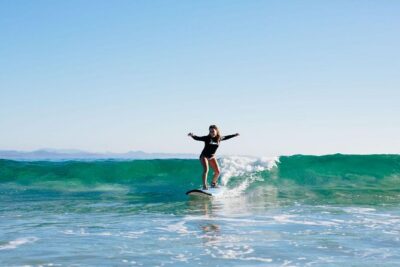
When it works, the feeling is immediate. You stand, the board moves, and for a few seconds you are no longer practising a movement on the sand. You are actually riding. The instructors encourage those moments, and the group atmosphere can make a successful pop-up feel like a small team victory.
How much surfing fits into two hours
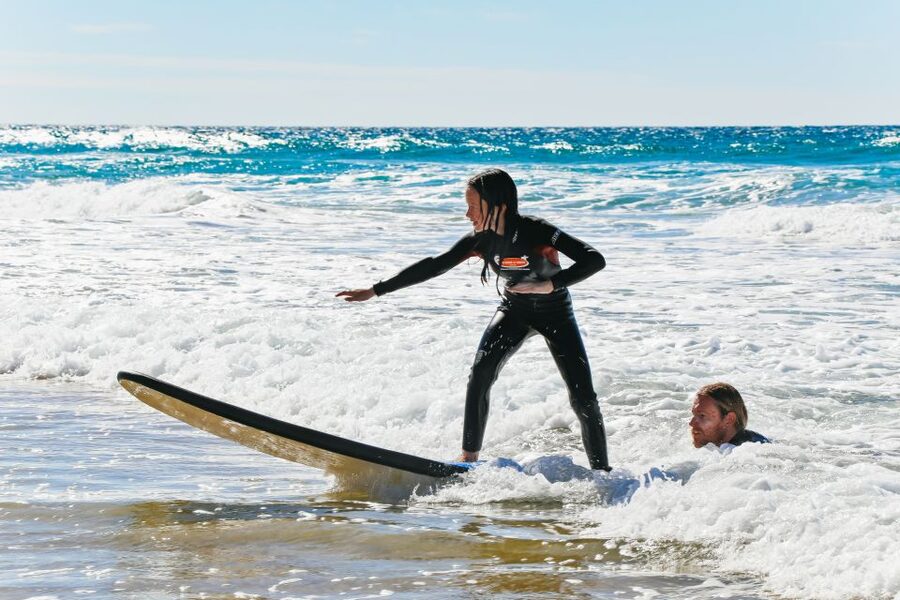
The stated activity duration can appear as two to six hours when you check times, but the surf instruction itself is two hours. Treat that as a focused starter lesson, not a full day at surf school.
Two hours is enough to cover the basics, practise on sand, spend meaningful time in the water, and make several attempts at standing. It is also physically demanding. Surfing requires paddling, pushing up from the board, balancing, and repeatedly walking through the water. Several students found the class tiring, even when they considered the length just right.
I think two hours offers good value for a first session. A shorter class might leave you just as you begin to understand the board, while a much longer class could be uncomfortable for a beginner who is already worn out. If you finish wanting more, Go Ride A Wave also offers a 1.5-hour private lesson and a progressive course with three two-hour lessons.
A single class can show you whether surfing suits you. The three-lesson option makes more sense if you want to build a proper skill base, because surfing improves through repetition. The first lesson introduces the movements; later sessions give you more time to make them natural.
The instructors make the difference
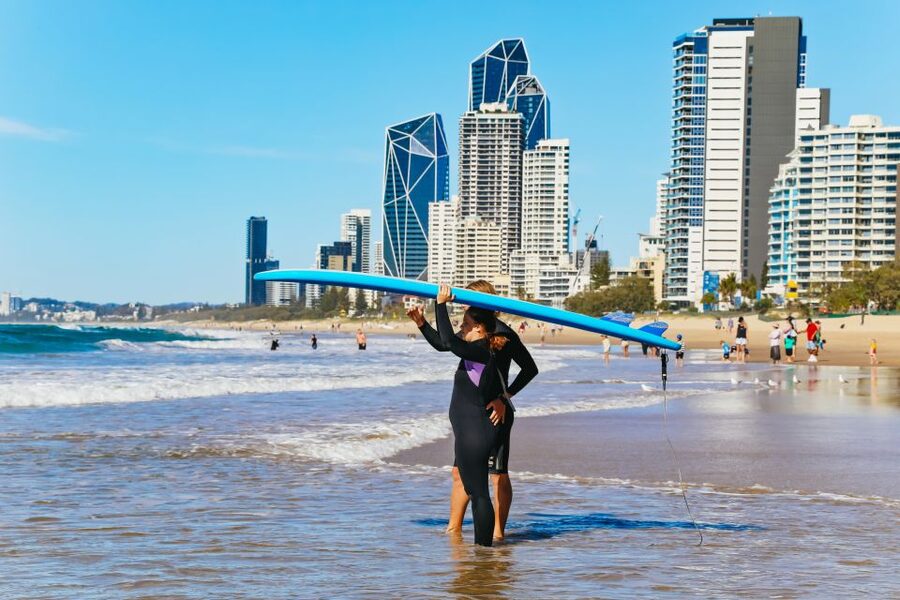
The strongest part of this experience is the teaching. Names that appear repeatedly in the feedback include Taj, Danny, Kal, Hudson, Jack, Ciara, Tyler, Trent, Dan, Damo, Blake, Karl, Charlie, Jamie, Cal, and Rohan. You may not receive a particular instructor, but the pattern is clear: the team puts effort into encouragement, clear demonstrations, and personal help.
That matters because beginners often need different types of support. One student may need help with foot placement. Another may need someone to explain the wave again. Someone nervous in the water may simply need a calm instructor nearby before attempting a ride.
Several instructors were praised for making sure nearly everyone stood at least once. That does not mean a stand-up is guaranteed. It means the lesson is structured around giving you repeated opportunities, rather than demonstrating surfing and leaving you to struggle alone.
The staff also appear comfortable teaching mixed groups. Children, adults, complete beginners, and people with a little experience can share a lesson. The tradeoff is that group coaching can never provide the constant attention of a private class. If you want every instruction tailored to you, choose the private option.
Surf conditions, weather, and confidence
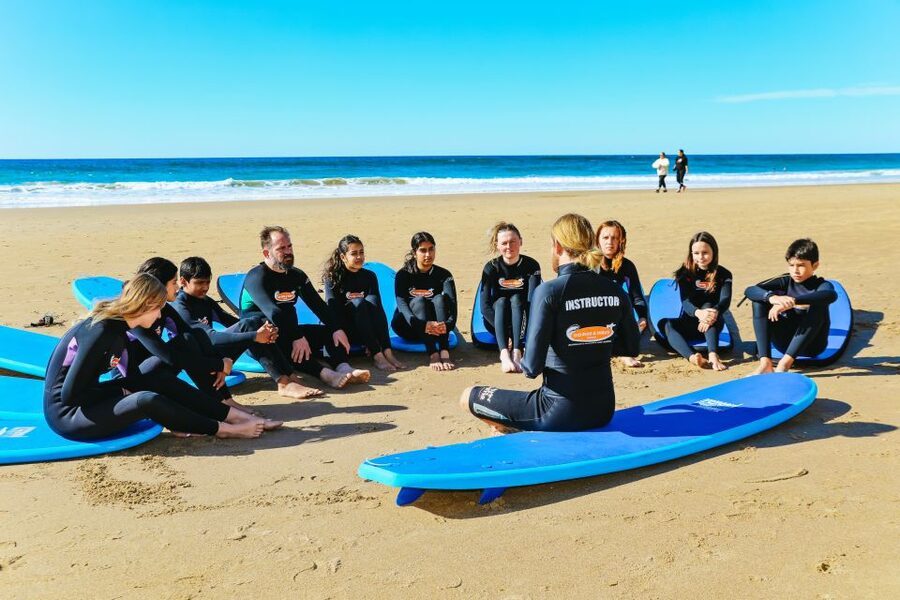
Surfers Paradise gives you a memorable setting, but the ocean does not promise easy conditions. Rain, wind, and rough waves can arrive on lesson day. One class took place in torrential weather and still produced a good experience, partly because the instructors adjusted their help and found warmer clothing for a cold student.
Calmer water will usually make a first lesson feel easier, but you cannot book a particular sea state from the information provided. If you are nervous, tell the instructor early. The teaching includes safety and positioning, and students who lacked confidence still received support in the water.
You should also understand that standing on the first lesson is a goal, not a guarantee. Many people do it, sometimes several times. Others may spend the session learning to catch a wave while lying down or kneeling. That still gives you useful foundations for future practice.
The setting itself adds value. You are not learning in an indoor pool or on a quiet, anonymous beach. You are on the golden sand of Surfers Paradise, with the Gold Coast’s best-known beach culture all around you. The conditions may test you, but the location makes the lesson feel like part of the place rather than a generic activity.
Is $59 good value?
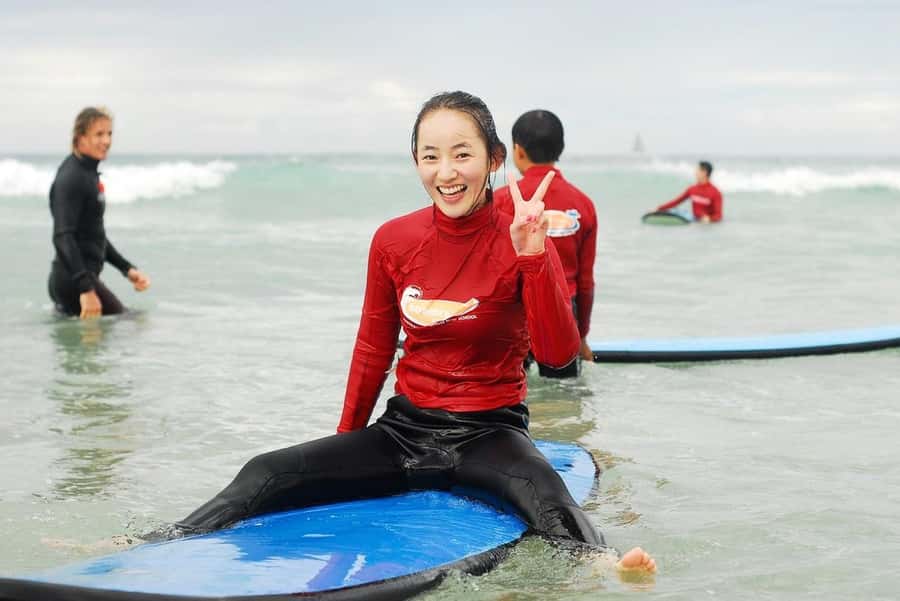
At $59 per person, the lesson is reasonably priced for a two-hour introduction because the main equipment and instruction are included. You do not need to arrange a board, rash shirt, wetsuit, or sunscreen separately.
The price is particularly fair if you are starting from zero. A beginner lesson without equipment can quickly become more expensive once you add board hire and protective clothing. Here, the cost covers the practical items that make participation simple.
Value depends on your goal. If you want a professional surf-training program, two hours will feel brief. If you want a lively Gold Coast activity that teaches you the basics and gives you a real chance to ride a wave, the price makes sense.
Photos are not listed as an included item. One student wished there had been a photo option, so do not book expecting a package of action shots. Bring only what is safe to leave behind, and ask the provider about any available photo arrangement when you book.
Free cancellation is available up to 24 hours before the start time, and you can reserve now and pay later. Those terms help if your Gold Coast schedule depends on weather or changing plans.
Who should book this surf lesson?
I would choose this for a first-time surfer, a couple looking for an active beach morning, or a family with older children who want to try something more memorable than sitting on the sand. It also suits a solo visitor because the instructors and group setting make the activity easy to join.
The official age rules need attention. Children under eight are not suitable for the lesson. Children under nine must be accompanied by a parent who is not taking part, and that parent can enter the water to assist. Check the age requirement carefully before booking, especially if your child is close to the cutoff.
You should be ready for physical effort. You will carry the board, paddle, push up, stand, fall, and repeat the process. You do not need advanced fitness, but you should be comfortable taking part in an active water lesson.
If you are already a strong surfer, this class may be too basic unless you want a refresher. If you are uneasy in the ocean, the safety briefing and instructor support help, but you should be honest about your confidence and ability before entering the water.
Should you book Go Ride A Wave at Surfers Paradise?
Book it if you want a practical, well-supported first taste of surfing and like the idea of learning on one of the Gold Coast’s most famous beaches. The combination of included gear, two hours of coaching, a soft-top board, and a real chance of standing up makes $59 a sensible starting point.
Skip it if you want guaranteed calm water, private coaching, professional action photos, or advanced surfing instruction. The sea can be rough, the group may be busy, and two hours only covers the foundation.
For most beginners, I would book it early in your Gold Coast stay. If the first session hooks you, you can follow it with a private lesson or the three-session course. Either way, you will leave knowing more about wave safety, board control, and the basic pop-up, which is a useful result from a single morning on the sand and in the surf.
FAQ
Where does the surf lesson meet?
Meet at shop 26A in the Paradise Center, next door to Hungry Jacks, near the beach end of Cavill Avenue and close to the Surfers Paradise sign.
How early should I arrive?
Arrive 20 minutes before the scheduled lesson start time.
How long is the actual surf lesson?
The surf lesson lasts two hours. Available booking times may show a wider duration range of two to six hours.
What equipment is included?
You receive a soft-top surfboard, a long-sleeved rash shirt or wetsuit, sunscreen, and two hours of instruction from a Level 1 qualified surf instructor.
What should I bring?
Bring swimwear and a towel. Food and drinks are not included.
Can children take part?
Children under eight are not suitable for the activity. Children under nine must have a parent who is not participating accompany them, and that parent can enter the water to assist.
Is the lesson suitable for complete beginners?
Yes. The lesson covers safety, positioning, wave awareness, board control, and standing up from the beginning. It is designed to give beginners a first chance to catch waves and stand on the board.
What language is the lesson taught in?
The instruction is in English.
Can I cancel the booking?
You can cancel up to 24 hours in advance for a full refund. A reserve-now-and-pay-later option is also available.
Are longer surf courses available?
Yes. Go Ride A Wave offers a 1.5-hour private lesson and a progressive course with three two-hour lessons.
Just added in Gold Coast
- Gold Coast: Dreamworld 1-Day Entry Ticket★ 4.3 · 134 reviews
- Gold Coast Sunset Cruise with sparkling wine & nibbles platter★ 5.0 · 93 reviews
- Gold Coast: Tamborine Mountain Local Winery Tour with Lunch★ 4.7 · 70 reviews
- Gold Coast Whale Watching Cruise★ 5.0 · 342 reviews
- 1.5 hr Jet Ski Safari tour to South Stradbroke Island!★ 5.0 · 374 reviews
- Gold Coast: Wave Break Island Kayaking & Snorkeling tour★ 4.6 · 340 reviews
- Gold Coast Kayaking & Snorkelling Tour (2.5 Hours)★ 4.5 · 318 reviews
- Snorkel with Turtles Gold Coast★ 5.0 · 159 reviews
Surf Lessons, compared.
Noosa Heads: 2 Hour Surf Experience on the Sunshine Coast
Read our review →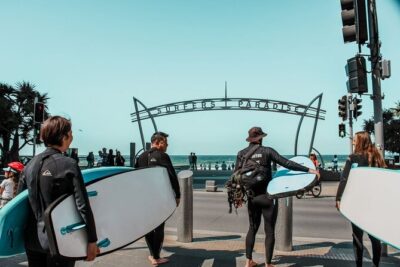
Learn to Surf at Surfers Paradise on the Gold Coast
Read our review →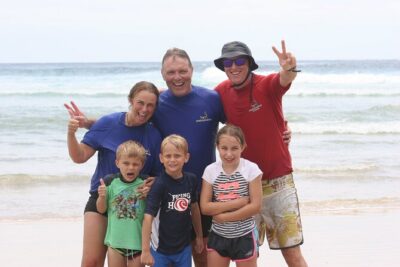
Broadbeach: 2 Hour Surf Experience on the Gold Coast
Read our review →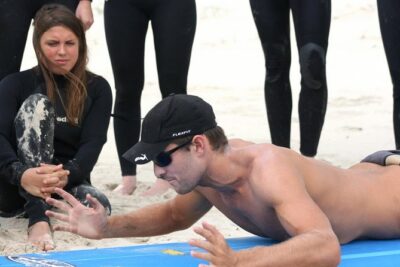
Browse the lists this tour appears in