
Reviewed · WILDLIFE SANCTUARIES & ZOOS
Taronga Zoo Sydney Wild Australia Experience
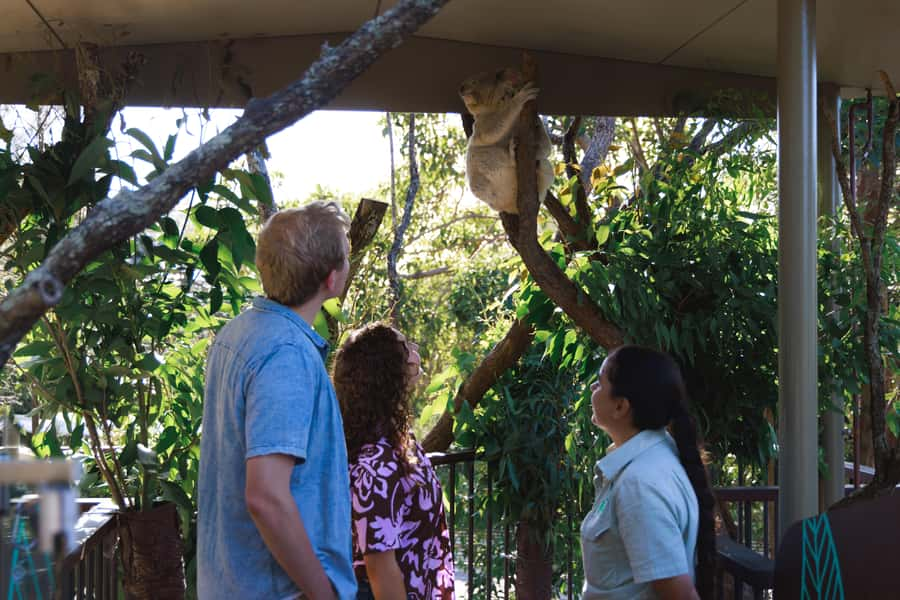
Taronga Zoo’s Wild Australia Experience takes you past the usual viewing paths and into the working side of the zoo. You may meet a koala, feed emus or wallabies, see echidnas and potoroos wander in a reserved area, and enter the nocturnal house after hours of ordinary zoo visitors.
I like the six-person group, which gives you a far better chance to ask questions than a large walking tour. I also like the working-zoo access, especially the food-preparation kitchen and keeper-only entrances. The drawback is value: two hours can feel brief for the premium price, particularly if your main goal is to see many different animals.
Key points to know before you book
- Koala time is personal: The tour includes a dedicated Koala Encounter, with close-up contact arranged by the zoo.
- The small group matters: Numbers are limited to six, so you can hear the keeper and ask about individual animals.
- It goes behind the public paths: You may visit the animal food kitchen and enter restricted areas linked to Australian wildlife exhibits.
- Nocturnal animals get proper attention: The tour focuses on unusual creatures such as echidnas, potoroos and feathertail gliders.
- The guide shapes the experience: Keepers such as Paul, Freya, Holly, Sam, Vanessa and Natalie have led tours, with a strong focus on animal care and conservation.
- Plan for practical rules: The experience lasts two hours, runs in English, requires closed-toe shoes and is non-refundable.
Why this two-hour Taronga tour feels different
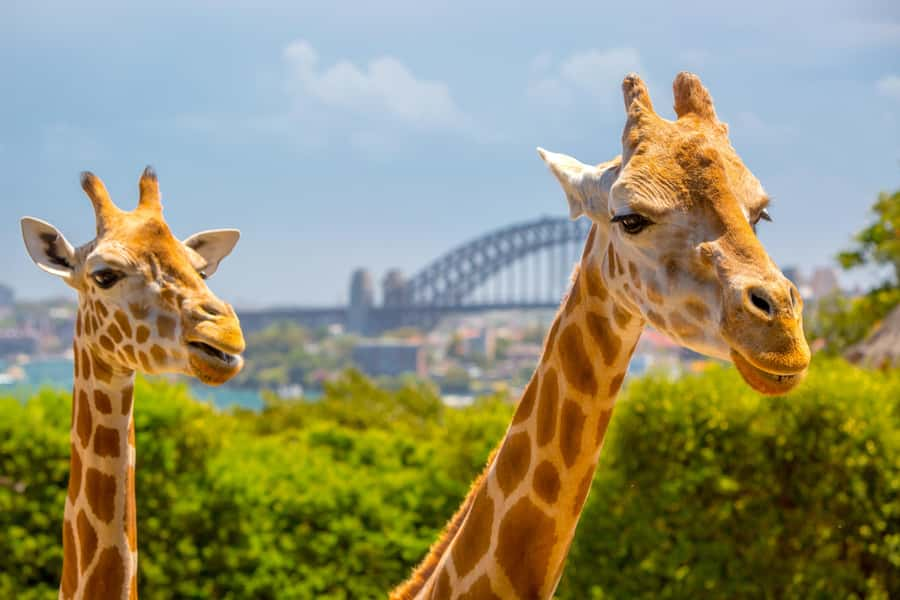
A normal zoo visit lets you set your own pace. That freedom is useful, but it can also leave you walking past an animal without understanding what makes it special. The Wild Australia Experience gives you a keeper who can explain the habits, habitats and physical traits of Australian animals as you meet them.
The best part is the change of viewpoint. You are not simply looking through glass or across a fence. You may pass through staff entrances, step into a reserved animal area, or see where meals are prepared before they reach the exhibits.
That does not mean every moment is a close encounter. Animals have their own routines, and the precise mix can change. Still, the tour is built around access and explanation, not just a fast circuit of popular exhibits.
The experience is suitable for all ages and is wheelchair accessible. Tell Taronga about accessibility needs or allergies before the visit so the tour can be adjusted when needed.
More Wildlife Parks in Sydney
- All Inclusive Blue Mountain,Scenic World,Lunch,Koalas,ferry
★ 5.0 · 7,832 reviews - Blue Mountains Small-Group Tour from Sydney with Scenic World,Sydney Zoo & Ferry
★ 5.0 · 3,709 reviews - Blue Mountains Adventure: Scenic World, Zoo & Koala Photo
★ 4.7 · 2,062 reviews
Meeting your keeper at the zoo entrance
Your starting point is the Visitor Information Desk at Taronga Zoo’s main entrance. That detail matters because the zoo is large, and you will want to arrive with enough time to find the desk without rushing.
The tour is conducted in English. The guide is a working zoo keeper, not just a general sightseeing host, and the quality of the visit depends heavily on who leads your group. Past guides have included Paul, Freya, Holly, Sam, Vanessa and Natalie.
Several guides have been praised for making the animals feel like individual creatures rather than a list of species. Paul, in particular, has spent many years at the zoo and is known for his strong interest in nocturnal animals. Freya has led visitors through detailed explanations of koalas, while Holly, Sam, Vanessa and Natalie have each been noted for friendly, clear guidance.
I would not book this expecting a scripted performance. A keeper may spend more time on one animal because it is active, because a question opens up a useful topic, or because an animal is not ready to appear. That flexibility is part of the appeal, though it also means the exact sequence is not fixed.
The Australian wildlife encounters
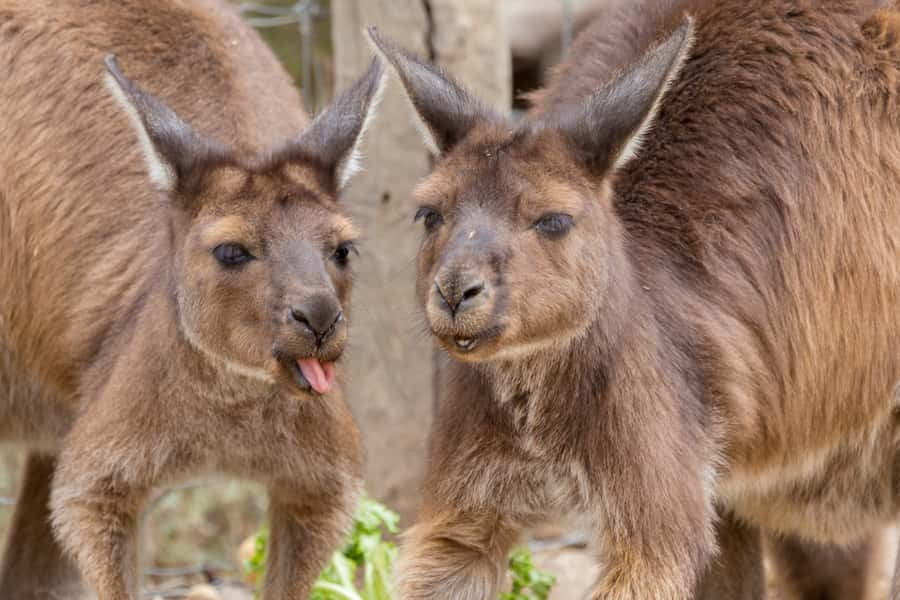
The tour focuses on animals native to Australia and on the adaptations that help them live in very different habitats. You can expect discussion of the animals’ homes, feeding habits and conservation needs, rather than a simple name-and-diet talk.
The koala is the headline encounter. You receive a personal introduction to a koala, and the keeper explains more about the animal while arranging close access. This is the moment many people will remember, but it is worth paying attention to the interpretation as well. A close photo is nice. Understanding how koalas live and what pressures affect them gives the meeting more meaning.
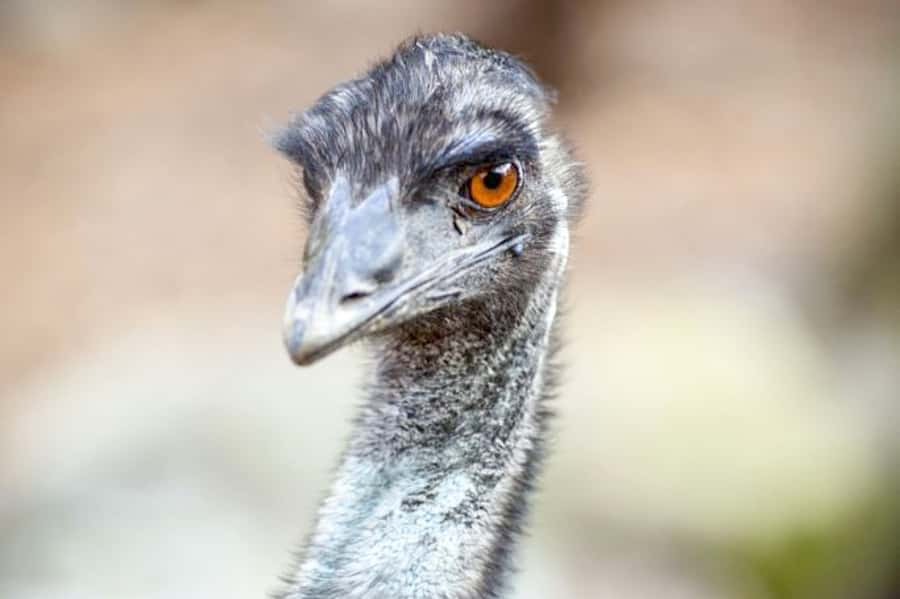
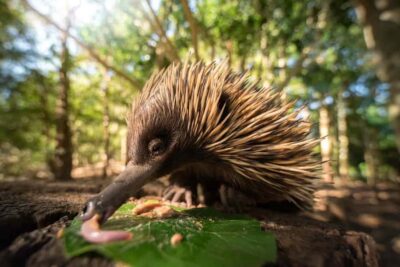
Other possible encounters include emus, wallabies, echidnas and potoroos. Some visitors have been able to feed emus and wallabies, while others have entered a reserved area where echidnas and potoroos moved freely. These are exactly the sorts of experiences that make a small group useful. You have time to watch how an animal behaves instead of being hurried along by a crowd.
The tour can also introduce you to less familiar marsupials and small nocturnal species. A feathertail glider, for example, is tiny enough to surprise you. One past encounter even involved the animal urinating on a visitor’s hand, a reminder that close wildlife contact is not a polished photo opportunity every time.
That unpredictability is worth keeping in mind. The zoo cannot promise that every animal will be active, visible or interested in the group. The strongest reason to book is the chance to learn from a keeper and see selected animals in a different setting, not a guarantee of a particular animal performance.
Inside the animal food-preparation kitchen
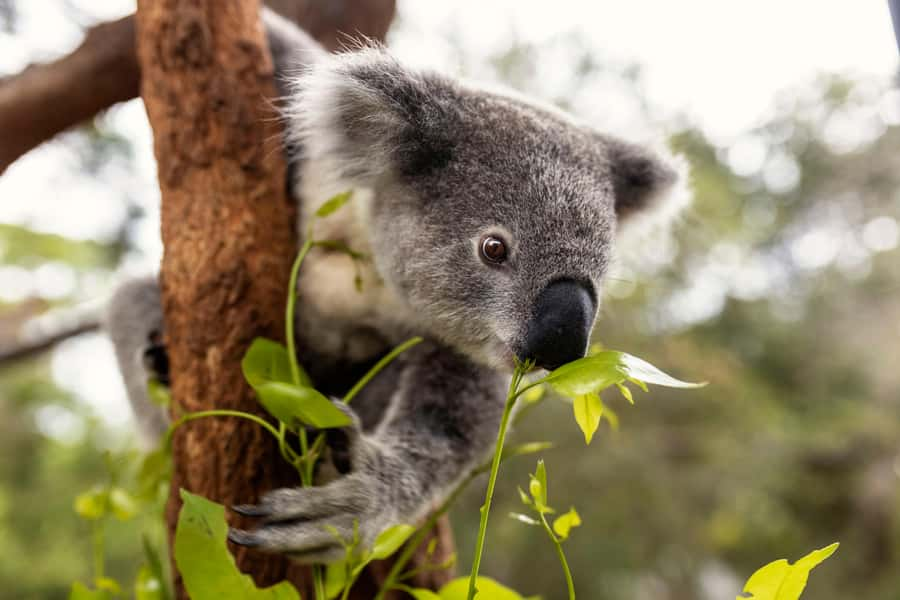
The visit to the working food-preparation kitchen adds useful context. You see where animal meals are made and gain a better sense of the labor behind a zoo’s daily operation.
This is not a cooking demonstration for visitors. Its value is practical. Animal diets must match the needs of different species, and food preparation is part of daily care. A stop here shows that a modern zoo is also a large care facility with routines, planning and staff working out of public view.
If you have only visited zoos as a casual day out, this may be the part that changes how you see the place. The exhibits are what you notice first, but food, health care and habitat management are what keep the animals in good condition.
The kitchen visit also helps explain why a two-hour tour cannot cover every corner of Taronga. Time is being used to show you the zoo’s working systems, not just its most famous animals.
More places to meet the animals near Sydney:
- Sydney: Taronga Zoo Tickets
★ 4.6 · 1,551 reviews - From Sydney: Blue Mountains, Scenic World, Zoo, & Ferry Ride
★ 4.8 · 1,484 reviews - Blue Mountains: Three Sisters, Scenic World and Wildlife park
★ 5.0 · 1,481 reviews - Sydney: Taronga Zoo Ticket with Return Ferry
★ 4.5 · 1,142 reviews
The nocturnal house and Australia after dark
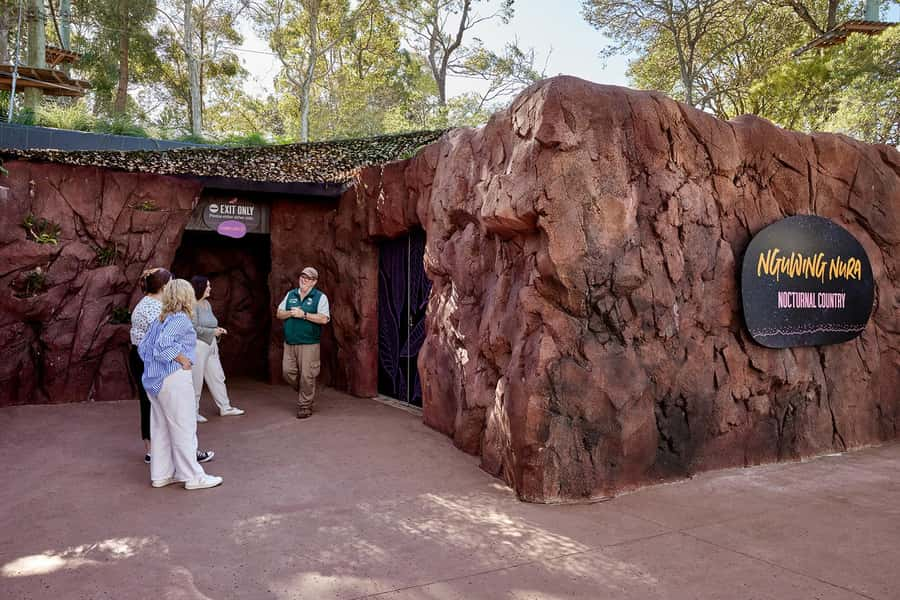
The Australian Nightlife exhibit is another major reason to choose this tour. You get behind-the-scenes access to the nocturnal house and a closer introduction to animals that are often hard to spot during a normal visit.
Nocturnal animals are easy to miss. They may be tucked into foliage, hidden in a burrow or active only when the light is low. A keeper can point out their special features and explain how they manage life after dark.
The focus may include echidnas, potoroos, feathertail gliders and other unusual Australian animals. These are not always the creatures people name first when planning a zoo visit, yet they are among the most distinctive parts of Australia’s wildlife.
Paul’s enthusiasm for these animals has made a strong impression on past groups. His approach is a good match for this section because the small, lesser-known species need more explanation than a large, instantly recognizable animal. You may not see every nocturnal animal, but you are likely to leave with a better idea of why these species matter.
The lighting and animal activity can vary, so do not expect the nocturnal house to work like a stage show. Its appeal is the chance to see a specialist environment from a keeper’s point of view.
What the keeper adds to the experience
The guide is the main difference between this experience and general admission. A zoo map can tell you where an animal lives. A keeper can explain how that animal behaves, what makes it unusual and what the zoo is doing to support conservation.
The strongest guides bring a personal connection to the work. Past tours led by Paul, Freya, Holly, Sam, Vanessa and Natalie have been described as friendly, enthusiastic and full of useful detail. That does not mean every tour will feel identical, but it does show why the guide matters so much here.
You should ask questions. The group is small enough that you can ask about an animal’s diet, habitat or behavior without holding up a large line. This is also a good setting to ask about conservation activities at Taronga and the practical challenges of caring for Australian wildlife.
A guide may give you general facts, then add details about an individual animal. That personal layer is often more memorable than a standard exhibit label. It also makes the experience feel less like a lecture and more like a conversation while moving through the zoo.
Is two hours enough?
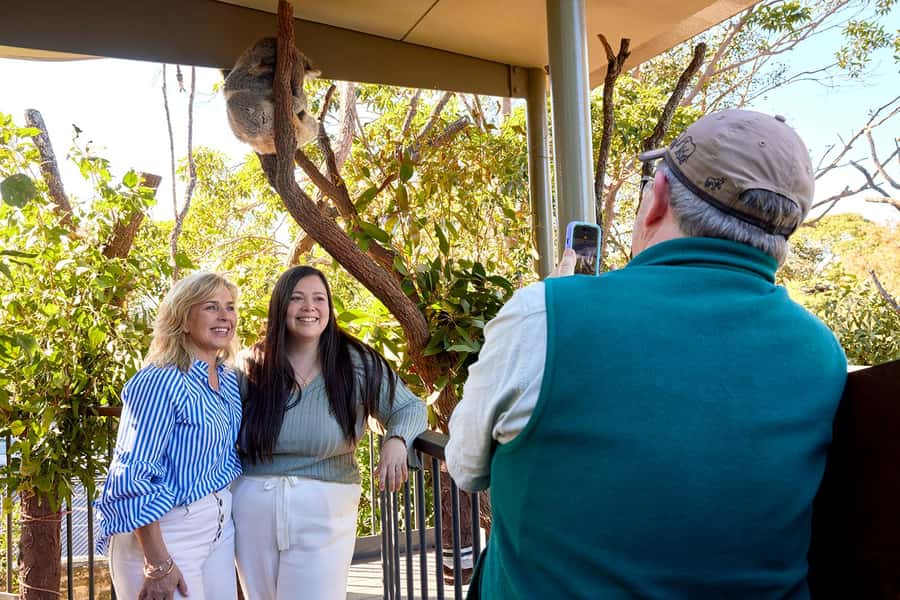
Two hours is a sensible length for a focused behind-the-scenes visit. It is long enough to cover several parts of the Australian wildlife collection without exhausting younger children or leaving you unable to enjoy the rest of Taronga Zoo.
It is not long enough to see the whole zoo. You should treat this as a special tour within a larger zoo visit, not as a replacement for general admission. If you want the full collection, allow separate time for the public exhibits.
The short duration works well for families, first-time Sydney visitors and anyone with a packed itinerary. It also gives you a clear plan rather than asking you to navigate the zoo on your own.
The tradeoff is the cost per hour. The exact price is not provided here, but this is a premium add-on rather than a basic entry ticket. I think the value is strongest when you care about native Australian animals and want keeper access. It is weaker if you only want a quick koala photo or a broad overview of the zoo.
Group size, comfort and what to bring
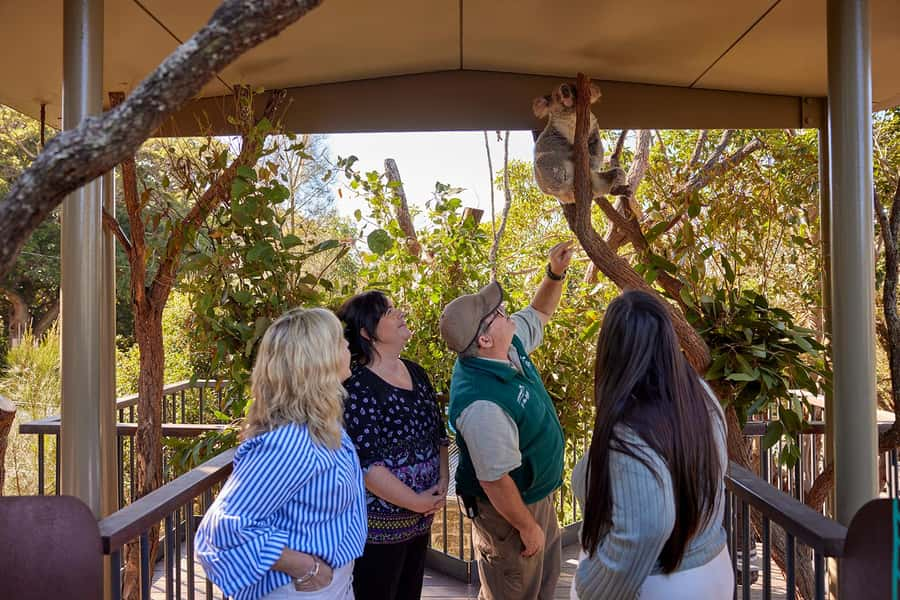
The group is limited to six participants. That is small enough for direct conversation and better views during demonstrations or animal introductions. It also means the experience can feel personal even when the tour is fully booked.
Closed-toe shoes are required. Choose comfortable enclosed footwear because you may move through working areas rather than staying on a single polished visitor route.
The tour is wheelchair accessible, but access needs should be shared in advance. Taronga may be able to adjust the route or arrangements when needed. You should also report specific allergies before the visit.
Download the Taronga Zoo Sydney app before you arrive. It can help you plan the rest of your day, find your way around the grounds and book other animal encounters.
The activity is non-refundable, and date or time changes require at least 24 hours notice. That makes it worth checking your Sydney schedule carefully before committing.
Who will get the most from this experience?
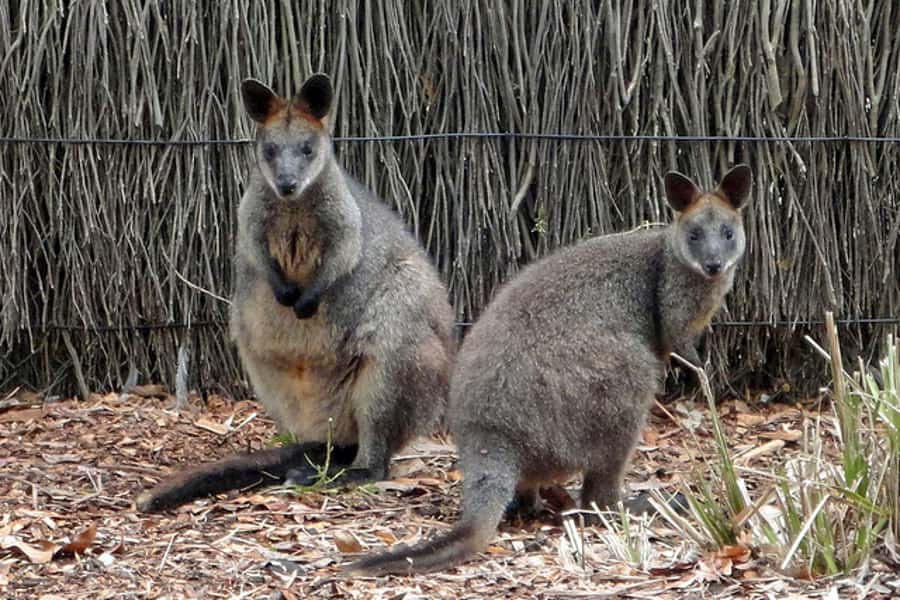
I would choose this tour for an animal lover who wants more than a standard zoo visit. It suits families with children, couples, older visitors and anyone curious about Australian species that do not get much attention outside the country.
It is especially useful if you are visiting Sydney for a short time and want a guided introduction to native wildlife. The keeper does the sorting for you, bringing together koalas, marsupials and nocturnal animals in one focused visit.
It also suits repeat zoo visitors. You may already know the public paths, but the food kitchen, keeper entrances and reserved areas give you a different view of Taronga.
I would hesitate if you dislike fixed schedules, do not want close animal encounters, or expect to see every major species. The tour is intimate and educational, but it is not a full zoo tour and animal access can vary.
Should you book the Wild Australia Experience?
Book it if your priority is close access to Australian wildlife with a keeper who can explain what you are seeing. The koala meeting is the obvious draw, but the nocturnal house, working kitchen and chance to encounter echidnas, potoroos, emus and wallabies give the tour more substance.
Skip it if the price feels too high for two hours or if you would rather spend the day exploring independently. General admission gives you more time and freedom, while this experience gives you access, focus and a small group.
For most visitors who care about animals, I think the extra cost is easiest to justify when you treat it as the special feature of your Taronga visit. Arrive early, wear closed-toe shoes, ask questions and leave time afterward to explore the rest of the zoo at your own pace.
FAQ
How long does the Wild Australia Experience last?
The experience lasts two hours.
Where does the tour meet?
Meet at the Visitor Information Desk at the main entrance to Taronga Zoo in New South Wales.
Is the tour conducted in English?
Yes. The live tour guide speaks English.
How many people are in the group?
The group is limited to six participants.
Is a koala encounter included?
Yes. The experience includes a personal Koala Encounter.
What animals might I see?
The tour focuses on native Australian wildlife. Possible encounters include koalas, platypuses, emus, wallabies, echidnas, potoroos, feathertail gliders and other nocturnal animals.
Does the tour include behind-the-scenes access?
Yes. The experience includes access to the animal food-preparation kitchen and behind-the-scenes access to the Australian Nightlife exhibit.
Is the tour wheelchair accessible?
Yes, the tour is wheelchair accessible. Tell Taronga about specific accessibility needs in advance so adjustments can be considered.
What should I bring, and can I change my booking?
You must wear closed-toe shoes. The activity is non-refundable, and date or time changes require at least 24 hours notice.
Just added in Sydney
- Taronga Zoo Aussie Backyard Adventure★ 4.8 · 85 reviews
- Sydney Harbour: Tall Ship Lunch Cruise★ 4.8 · 69 reviews
- Sydney: Spirits of the Rock and Dark Past Walking Tour★ 4.0 · 144 reviews
- Sydney: Whale Watching Cruise and Taronga Zoo Package★ 4.2 · 37 reviews
- Sydney Whale Watching Cruise with Breakfast or Lunch★ 4.4 · 340 reviews
- Sydney: The Rocks Pub Tour★ 4.8 · 60 reviews
- Sydney: Ultimate City Pass for 4 Attractions with Skywalk★ 4.4 · 60 reviews
- Sydney: Turandot at the Sydney Opera House★ 4.7 · 23 reviews
Wildlife Sanctuaries & Zoos, compared.
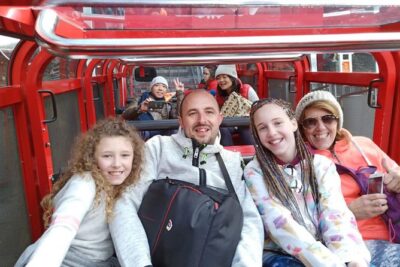
All Inclusive Blue Mountain,Scenic World,Lunch,Koalas,ferry
Read our review →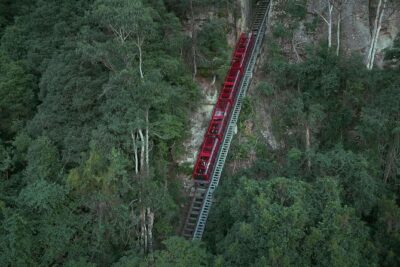
Blue Mountains Small-Group Tour from Sydney with Scenic World,Sydney Zoo & Ferry
Read our review →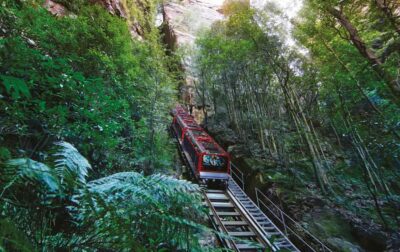
Blue Mountains Adventure: Scenic World, Zoo & Koala Photo
Read our review →
Brisbane River Cruise with entry to Lone Pine Koala Sanctuary
Read our review →
Blue Mountains, Scenic World, Zoo, & Ferry Ride
Read our review →Browse the lists this tour appears in