
Reviewed · TOURS IN ADELAIDE
Adelaide Oval Stadium Tour
Adelaide Oval’s best trick is hiding a working museum inside a modern sports ground. You’ll walk through the heritage manual scoreboard, past century-old Moreton Bay fig trees, into player and media areas, and out near the turf where cricket and football history have unfolded.
I like the way the tour connects old and new, especially the scoreboard machinery and the preserved members’ areas. I also like the guides’ personal feel. Alex, Tony, Brenton, Craig, Ian, Terry, and others have brought strong local sport knowledge to recent tours.
The main consideration is the subject mix. Cricket fans will find plenty to enjoy, but some sections focus heavily on AFL, and access to certain rooms can change. You’ll also walk about 2.5 kilometres, so wear sensible enclosed shoes.
Key things to know before you go
- The manual scoreboard is the star attraction: You can see its workings from inside, not just admire it from the stands.
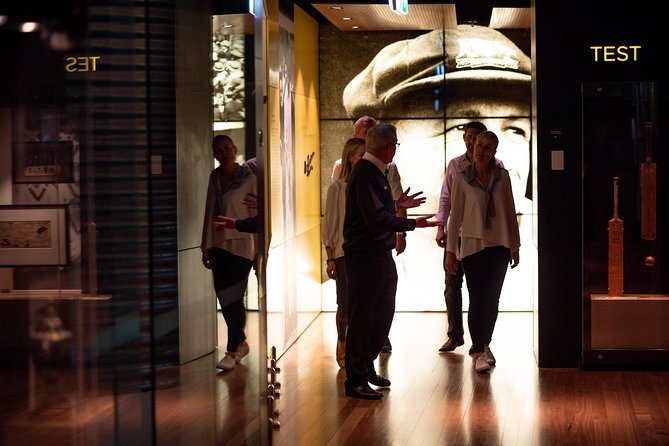
- The route covers more than the oval: Expect player areas, media rooms, corporate spaces, members’ rooms, the Sheffield Room, and the Bradman Museum.
- The tour takes about 90 minutes: Some guides have allowed extra time when questions and group interest kept the visit moving.
- You step close to the playing surface: The player’s race and the edge of the ground provide the strongest sense of what match day feels like.
- The venue blends heritage and modern design: Moreton Bay fig trees, the grassy northern mound, and the old scoreboard sit beside newer stadium facilities.
- Plan for a 2.5-kilometre walk: Enclosed footwear is required, and stiletto heels are not permitted.
Why Adelaide Oval is worth seeing from inside
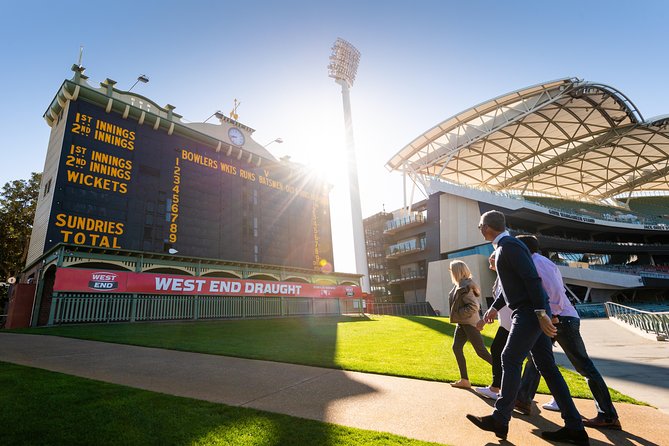
From outside, Adelaide Oval can look like a fine place to watch a match. Inside, it becomes much more interesting. The ground has been redeveloped, but its older character was not swept aside. The heritage scoreboard, the members’ areas, the northern mound, and the Moreton Bay fig trees remain part of the experience.
That blend gives the tour its purpose. You are not simply walking around a new stadium and hearing dates read aloud. You are seeing how an old sporting ground adapted to modern football, cricket, concerts, hospitality, and media work.
The current rating is 4.7 out of 5, with 95 percent recommending the experience. That matches the strongest feature of the visit: the guide. A good guide turns a collection of rooms into a story about South Australian sport, local players, famous matches, and the way the ground functions on a busy event day.
You may hear stories from guides including Alex, Tony, Brenton, Craig, Ian, Terry, Brian, or Chook, depending on the departure. Their styles differ, but the best guides add personal memories and local detail without rushing the group.
Other trips people book in Adelaide:
- Barossa Premium Wine Tasting Tour & lunch Departs 7 days a week
★ 5.0 · 1,475 reviews - Adelaide: Barossa Premium Wine Tasting tour & Winery Lunch
★ 4.8 · 1,452 reviews - Kangaroo Island Full Day Experience by Ferry Including Lunch
★ 4.5 · 1,202 reviews
Starting at War Memorial Drive
The meeting point is at 1 War Memorial Drive, North Adelaide, with the tour ending back there. Adelaide Oval is near public transportation, so you do not need a car to reach the starting point.
Allow a little time to arrive and get oriented. The tour is designed for a maximum of 30 people, though the feel can depend on the actual group size and the guide’s pace. Smaller groups make it easier to hear questions and move through tighter areas, especially inside the scoreboard.
You need enclosed footwear. The walking distance is about 2.5 kilometres, and the route can include stairs or uneven movement through working stadium areas. Comfortable shoes are far more useful here than smart footwear.
The Bradman Museum may be available before the main walk begins, depending on timing and the day’s arrangements. If you care about cricket, arrive ready to make use of that opportunity rather than saving the museum for a quick glance at the end.
The old scoreboard, still doing its job
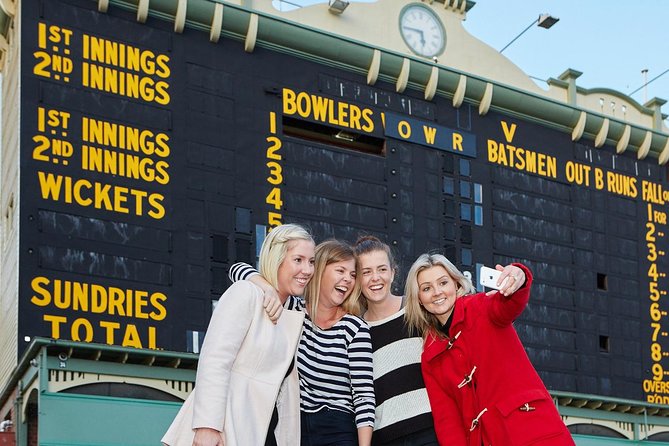
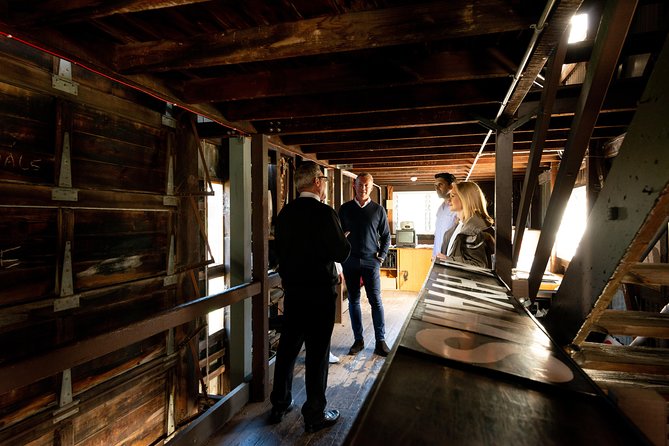
The heritage scoreboard is the tour’s most distinctive stop. You do not just look up at the old structure from a distance. You can go inside and see the manual operation that once kept spectators informed.
That is a rare kind of stadium experience. Modern scoreboards are bright, electronic, and easy to take for granted. The old Adelaide Oval system shows the human side of scoring, with its physical parts and practical mechanics. It helps you picture the work required to update a match before digital displays took over.
Several guides have made the scoreboard a highlight, explaining how it works from both the outside and inside. The cramped interior and old equipment give the stop a strong sense of place. It is also a good section for children, provided they are comfortable walking and listening for a while.
The scoreboard is not a guaranteed private visit in every circumstance. Stadium operations and access restrictions can affect the route. Still, when it is open, this is the part I would prioritize.
Through the players’ race and toward the turf
One of the more atmospheric moments comes through the interactive player’s race. The tour uses sound and presentation to suggest the roar of a crowd as you move toward the ground.
This is not the same as attending a packed match, of course. But it gives you a useful sense of the transition players make from private preparation to public performance. You see the route from the back areas toward the field rather than only sitting in the spectator bowl.
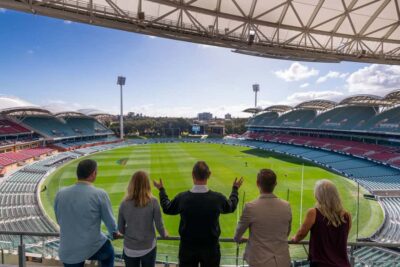
The tour also reaches the edge of the playing surface. For cricket followers, this is a meaningful point. You are close to the turf where major players have batted, bowled, and fielded, and where the honor board includes names such as Sachin Tendulkar, Virat Kohli, V. V. S. Laxman, Virender Sehwag, Cheteshwar Pujara, Ricky Ponting, Steve Waugh, and Adam Gilchrist.
The exact area available can change, but the chance to stand near ground level gives the visit a physical quality that a standard stadium photograph cannot match.
Same base, a different sort of day:
- Discover Barossa: 4 Wine Tastings, Gourmet Lunch, and Hidden Gems
★ 5.0 · 1,027 reviews - Adelaide: River Torrens Popeye Sightseeing Cruise
★ 4.6 · 949 reviews - From Adelaide: Barossa to Hahndorf Wine Tasting and Lunch
★ 4.6 · 877 reviews - Adelaide Oval Stadium Guided Tour
★ 4.8 · 760 reviews
Media rooms, changerooms, and the working stadium
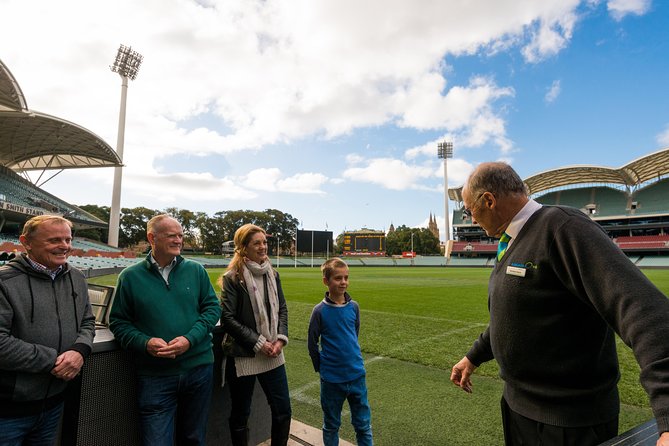
The route can include the cricket media room, media areas, changerooms, and the tunnel used by players. These stops explain the work that happens around the match, not just the action that spectators see.
The media centre is especially useful if you want to understand how a major event is presented to the public. From there, you can consider the difference between watching from the stands and working behind the scenes to report, record, and manage the game.
The tour may also pass through the Sheffield Room, corporate lounges, the members’ area, and spaces connected with the Adelaide Oval Hotel. One corporate area has a restaurant open to the general public, which gives you a practical idea of how the oval now works as more than a match venue.
Access is not always complete. One part of the tour was unable to include the Bodyline room, and another account noted access issues. That is worth keeping in mind if you expect to enter every named room. The ground remains an operating venue, so event preparation, private functions, or match-day restrictions can affect the route.
Cricket, AFL, concerts, and local sporting identity
Adelaide Oval is not only a cricket ground. The tour covers both cricket and AFL, and it may also touch on concerts and major music acts that have filled the venue.
For cricket lovers, the Bradman Museum and scoreboard will likely provide the strongest material. The Sir Donald Bradman collection includes cricket memorabilia and adds context to the sport’s place in Australian life. It is a compact museum visit within the larger stadium tour, not a substitute for a full day at a dedicated cricket museum.
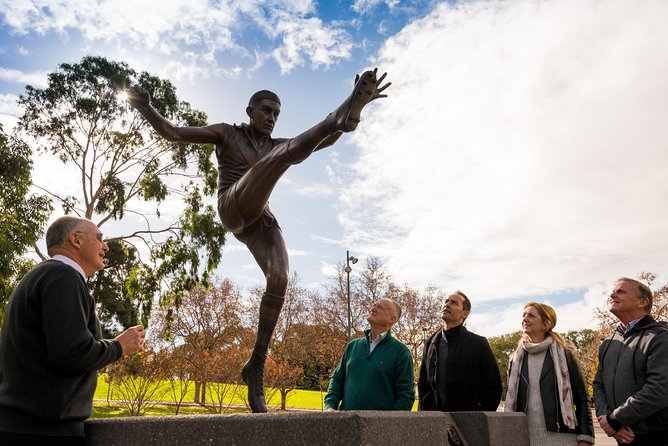
The AFL material gives the tour a wider local focus. You may see photos, statues, changeroom areas, and references to South Australian football. That variety is useful if your interests extend beyond cricket, but it can feel like a detour if you came only for the Test-match story.
I would describe the balance as mixed rather than cricket-only. One account found too much AFL emphasis, while other visitors valued learning how the oval works for both codes. If you are a general sports fan, the mix should suit you. If you want a tightly focused cricket tour, check your expectations before booking.
The concert history also adds a surprising layer. The oval has hosted famous music groups as well as sporting teams, so the guide may explain how the same space changes from a cricket ground to a football venue or concert arena.
The Moreton Bay figs and the northern mound
The older natural features help explain why Adelaide Oval feels different from a purpose-built modern stadium. The Moreton Bay fig trees are about 100 years old, and the grassed northern mound remains part of the ground’s character.
The mound is especially useful for understanding the old-fashioned social life of cricket. It offers a reminder that a sports ground can include open grass, trees, and informal viewing areas rather than only rows of fixed seats.
These features also make the walk more varied. You are not confined to interior corridors and concrete concourses. The route links architecture, trees, open ground, old structures, and newer stadium sections.
Do not expect a garden tour. The trees and mound are part of the wider stadium story, used to show how the oval has changed while retaining familiar features.
The Bradman Museum inside the oval

The Bradman Museum is included within the stadium complex and provides a focused look at cricket memorabilia connected with Sir Donald Bradman.
This stop has particular value for cricket fans who want more than architecture. It adds faces, objects, and sporting memory to the guide’s account of the ground. The collection can also make the visit worthwhile for someone who knows the name Bradman but wants more context around his place in Australian cricket.
The museum is not the whole tour. You should think of it as one part of a broader route that includes architecture, operations, local football, media, and match-day spaces.
If you have already visited the Bradman Museum in Bowral, the Adelaide Oval collection will feel smaller and more specific. Its advantage is location. You see the material as part of a working oval, alongside the scoreboard and the playing surface.
How the guides shape the experience
The tour’s quality depends heavily on who leads it. The strongest guides combine facts with affection for the place. Brenton, for example, has been praised for extending a scheduled 90-minute visit when the group remained engaged. Alex has been described as welcoming questions and connecting players, matches, and the oval’s details with clear enthusiasm.
Tony, Chook, Craig, Ian, Terry, and Brian have also led tours praised for their local knowledge and friendly pace. That variety is part of the charm, but it also means the tone can differ from one departure to another.
Most of the time, expect an informative walk rather than a theatrical performance. One isolated account described a guide spending too much time on personal stories and making an inappropriate remark. That experience was far outside the general pattern, but it is a reminder that the guide matters.
If you cannot hear clearly, say so early. One person found a guide difficult to hear without a microphone. A group of 30 in a large stadium can spread out, so staying close and asking for repetition is sensible.
Is $20.80 good value?
At $20.80 per person, the tour is reasonably priced for a 90-minute guided visit that includes behind-the-scenes access and the Bradman Museum. You are paying for a guide who can explain the ground, not simply for entry into a building.
The value is strongest if you care about cricket, AFL, architecture, or the practical workings of major venues. The old scoreboard alone gives the tour something you cannot easily reproduce by attending a match from the stands.
It is also a good choice on a wet day. You will still move through outdoor sections, but much of the experience involves sheltered interior spaces, and the stadium gives you a structured activity when outdoor sightseeing is less appealing.
The value drops if you want an unrestricted look at every room or if you dislike walking tours. Access can change, and the 2.5-kilometre route requires steady movement. Food and drinks are not included, though the oval complex has hospitality spaces and a restaurant open to the public in one area.
Who should book this tour?
I would recommend it first to cricket fans, especially anyone interested in Australian grounds, historic scoreboards, Bradman memorabilia, and famous players. It is also a solid pick for AFL followers who want to see the oval’s football side and understand how the venue operates beyond cricket.
Families can join, but children must be accompanied by an adult. The tour is best for children who can manage a 90-minute guided walk and pay attention through several history-based stops.
Architecture fans will find plenty to study in the older members’ areas, the integration of the scoreboard, the newer stands, and the relationship between the mound, trees, and stadium bowl. Concert fans may also enjoy learning how the oval has hosted large music events.
I would hesitate only if you need step-free certainty, cannot manage 2.5 kilometres, or want a cricket-only route with guaranteed access to every room. The supplied information does not promise full access to all spaces, so treat the route as flexible.
Should you book the Adelaide Oval Stadium Tour?
Book it if you want to see the working parts of one of Adelaide’s most important sporting venues. The manual scoreboard, player’s race, Bradman Museum, media spaces, and ground-level view give the visit more substance than a simple lap of the seating bowl.
For the best experience, wear enclosed walking shoes, stay near the guide, and arrive with an interest in both cricket and AFL. At $20.80, it offers good value for a short Adelaide activity, particularly on a rainy day or when no match is scheduled.
If the old scoreboard is open and your guide is one of the enthusiastic local sports storytellers, this can be a memorable stop. If you require a tightly controlled route or guaranteed access to every room, book with more modest expectations.
FAQ
How long does the Adelaide Oval Stadium Tour take?
The tour lasts approximately 90 minutes. Some guides may spend longer with a group if questions and discussion keep the visit going.
Where does the tour start?
The meeting point is 1 War Memorial Drive, North Adelaide, South Australia 5006.
Where does the tour finish?
The activity ends back at the meeting point.
How much walking is involved?
The tour covers about 2.5 kilometres of walking around Adelaide Oval.
What footwear is required?
Enclosed footwear is required. Stiletto heels are not permitted.
Is the Bradman Museum included?
Yes. The tour includes a visit to the Bradman Museum within the Adelaide Oval complex, where you can see cricket memorabilia.
Can I go inside the old scoreboard?
The tour includes access to the heritage scoreboard, including its interior when access is available. Stadium operations may affect which areas are open.
How many people can join the tour?
The tour has a maximum group size of 30 travelers.
Are food and drinks included?
No. Food and drinks are not included in the tour price.
Can children join the tour?
Yes. Children must be accompanied by an adult, and most participants can take part.
Just added in Adelaide
- Wild Dolphin Swim Cruise★ 5.0 · 55 reviews
- Welcome to Adelaide Walking Tour★ 5.0 · 119 reviews
- d’Arenberg Cube / McLaren Vale Regional Tour★ 4.5 · 26 reviews
- Victor Harbor and Fleurieu Peninsula Tour★ 4.5 · 145 reviews
- Victor Harbor and Southern Highlights from Adelaide★ 4.0 · 47 reviews
- Ultimate Adelaide Walking Tour★ 5.0 · 222 reviews
- The F Factor: Adelaide food tour★ 5.0 · 89 reviews
- Ultimate Adelaide City and Hahndorf Tour★ 4.5 · 45 reviews
Tours in Adelaide, compared.

Barossa Premium Wine Tasting tour & Winery Lunch
Read our review →
Kangaroo Island Full Day Experience by Ferry Including Lunch
Read our review →
Discover Barossa: 4 Wine Tastings, Gourmet Lunch, and Hidden Gems
Read our review →



Browse the lists this tour appears in