
Reviewed · ULURU & KATA TJUTA TOURS
7 Day Adelaide to Uluru Adventure and Cultural Tour
Uluru is the headline, but the real surprise comes earlier. This seven-day trip links South Australia’s rugged Flinders Ranges, Coober Pedy’s underground rooms, Kings Canyon, and the sacred Red Centre in one long overland journey. You leave Adelaide before sunrise and finish at Yulara, with a strong mix of hiking, Aboriginal culture, and outback camping.
I like the small maximum group of 20, which should make a long road journey more manageable, and I like that the price includes national park fees, guided activities, six breakfasts, and three dinners. The main drawback is the amount of time on the road. Some days involve many hours on the bus, and the 5:30 am start plus several early hikes will test your energy.
Key points at a glance
- A true Adelaide to Uluru crossing: You travel north through the Flinders Ranges, Port Augusta, Lake Hart, Coober Pedy, Kanku-Breakaways, Kings Canyon, and the Red Centre.
- Strong Aboriginal cultural focus: A local Yura guide welcomes you at Wilpena Pound, while Uluru-Kata Tjuta National Park adds a Cultural Centre visit and time at sacred sites.
- Big hiking days: Plan for the 7-kilometre Wangara Lookout walk, 6-kilometre Kings Canyon Rim Walk, and 2.6-kilometre Walpa Gorge Walk.
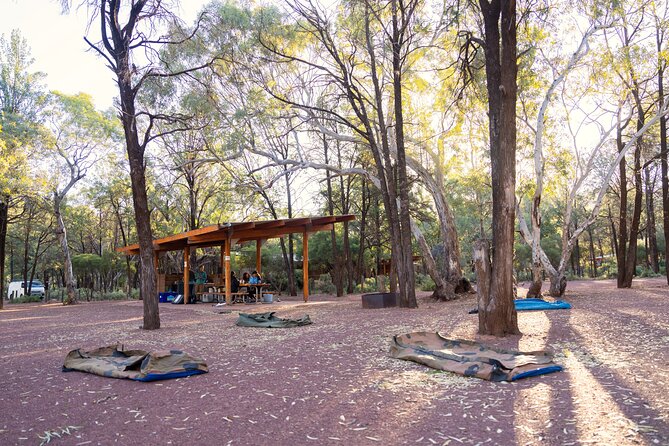
- Unusual overnight stays: You sleep underground at Radeka Downunder in Coober Pedy and sleep in a swag under the stars near Uluru.
- Guides can shape the trip: Eli and Brandon are named among the guides associated with memorable departures, with storytelling and group spirit receiving especially strong praise.
- A one-way finish: The trip ends at Yulara, not Adelaide, and the transfer to Alice Springs is not included.
Why this seven-day route works
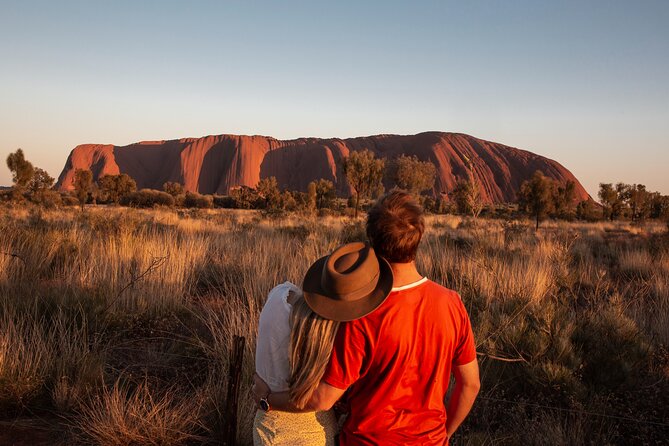
This is not a quick Uluru visit. It is an overland trip through changing parts of South Australia and the Northern Territory, and that gradual northward journey gives the Red Centre more weight when you reach it.
The route begins with red and ochre ranges, moves across saltbush plains and salt lakes, then reaches the strange opal-mining town of Coober Pedy. After that comes the red dirt and open sky of the Northern Territory. By the time Uluru appears, you have already seen several very different forms of outback scenery.
The trade-off is clear. You gain variety and a sense of distance, but you give up comfort and spare time. This is camping travel, not a relaxed hotel circuit. It suits you if you enjoy long drives, early starts, shared meals, basic accommodation, and days built around walking.
Other trips to the rock and the domes from Adelaide:
- 7 Day Uluru to Adelaide Cultural and Adventure Tour
★ 5.0 · 30 reviews - From Alice Springs: Day Trip to Uluru with BBQ Dinner
★ 4.6 · 761 reviews - Ayers Rock Day Trip from Alice Springs Including BBQ Dinner
★ 4.5 · 639 reviews
Day 1: Arkaroo Rock and a Yura welcome at Wilpena Pound
The first morning begins at 5:30 am outside YHA Adelaide Central on Waymouth Street. That early departure matters. You cover serious distance on this trip, and leaving before sunrise gives the group time to reach the Flinders Ranges for a proper walk.
A short stop in Wirrabara provides a coffee and stretch break. It is not a major attraction, but it breaks up the first road section and helps you get your bearings before the main scenery begins.
The day’s first substantial stop is Arkaroo Rock in Adnyamathanha Country. The 3.2-kilometre trail leads through native bush to a rock shelter with ochre and charcoal art. This is one of the most meaningful stops because the site connects the physical setting with Aboriginal culture. You are not simply walking to a viewpoint. You are seeing marks left in a place with deep importance.
After the walk, the route continues to Wilpena Pound, the natural mountain basin that becomes your base for the night. A local Yura guide welcomes the group to Country and shares stories first spoken in Yura Ngawarla before explaining them in English. That detail gives the cultural welcome more substance than a standard scenic stop.
I especially like the order of this day. You first see the country on foot, then hear from someone connected to it. You are less likely to treat Wilpena Pound as just a dramatic mountain setting.
The caution is the pace. You leave Adelaide before dawn, walk at Arkaroo Rock, then arrive at Wilpena Pound late in the day. If you need a slow first day after a flight, this schedule may feel demanding.
Day 2: Wangara Lookout and the old pastoral station
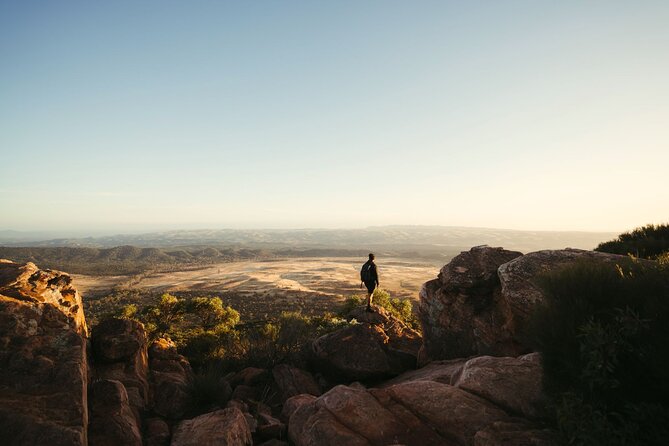
The second morning starts with the Wangara Lookout Hike in Flinders Ranges National Park. The 7-kilometre return route begins at the Wilpena Pound Visitor Centre and passes through Pound Gap, with river red gums and mountain views along the way.
This is one of the trip’s more substantial walks, but it is not presented as a technical climb. You should still have a moderate level of fitness, since the combination of distance, heat, and uneven ground can make an outback hike feel harder than the number suggests.
After the walk, the group visits Old Wilpena Station. Here you get a different view of the region, focused on pastoral life and the people who worked the land. The visit adds useful context to the scenery. The Flinders Ranges are not only a place of ancient geology and Aboriginal culture, but also a setting shaped by more recent farming history.
The day includes travel to Hawker for lunch and a stop at Warren Gorge. These shorter visits help break up the route, but the schedule still has a lot of bus time. The stated stop length for the day is roughly 13 hours, so you should expect a full day rather than a leisurely sequence of short excursions.
The value here is variety. You hike in the morning, see a pastoral site, eat in Hawker, and reach another gorge before settling in. The downside is that you may not have much independent time at any one place.
Day 3: Salt plains, Lake Hart, and underground Coober Pedy
Day three changes the mood. You leave the Flinders Ranges after a refreshment stop in Port Augusta and continue north through saltbush plains and wide open country.
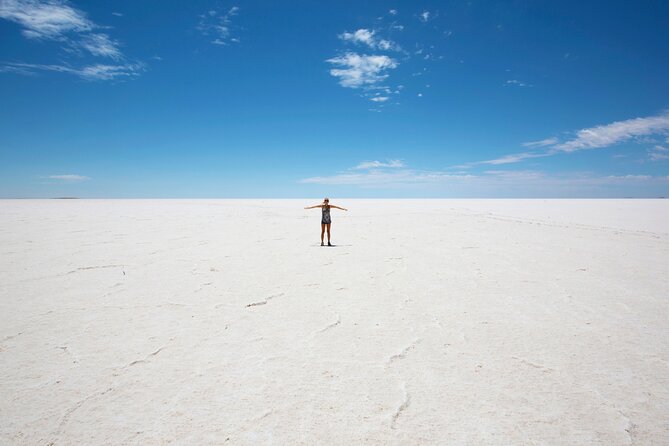
Lake Hart is the visual centerpiece of the day. The salt lake offers a stark contrast to the mountains behind you. It is the kind of stop where the emptiness is the attraction. Give yourself time to take in the space rather than expecting a packed schedule of activities.
By late afternoon, you reach Coober Pedy, the opal-mining town known for its underground buildings. The Old Timers Mine introduces you to opal mining, with original underground workings and an explanation of how opals form. This is a good practical stop because it explains why the town looks and feels so unusual.
Your overnight stay at Radeka Downunder is one of the trip’s memorable details. Rooms are carved into the rock, using the underground setting to escape the desert heat. You may also have time to explore Coober Pedy independently, including the possibility of eating pizza in a cave.
This is a strong value day because the underground stay is not an optional add-on. It is part of the main experience. Still, you should know that the evening is not built around a polished resort setting. Coober Pedy is deliberately rough-edged and unusual, which is exactly its appeal.
A few more things to do in Adelaide worth a look
- Ultimate Melbourne Walking Tour: History, Laneways & Culture
★ 5.0 · 1,451 reviews - Puffing Billy Railway: Heritage Steam Train Journey
★ 4.6 · 1,195 reviews - Morning World Heritage Cruise on the Gordon River from Strahan
★ 5.0 · 1,193 reviews - Strahan: World Heritage Cruise on Gordon River with Lunch
★ 4.8 · 1,143 reviews
Day 4: The Dingo Fence, Kanku-Breakaways, and a long transfer
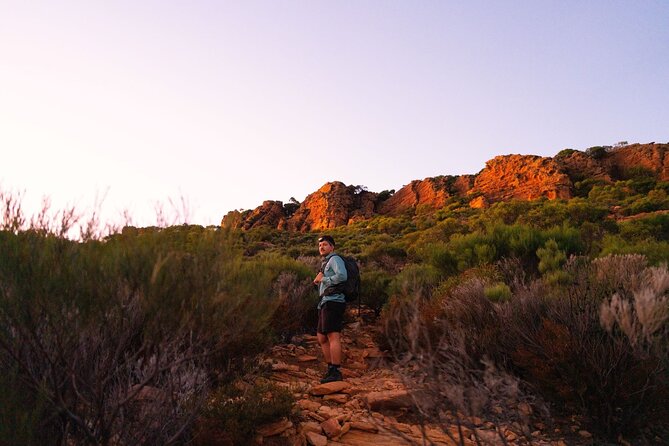
Day four is the big road day. You travel through red dirt and open sky, pass the Dingo Fence, and continue toward Kanku-Breakaways Conservation Park.
The Dingo Fence is a memorable roadside detail because it is tied to the practical realities of life in the outback. At Kanku-Breakaways, the scenery becomes more dramatic, with weathered formations and broad desert views. The route then crosses into the Northern Territory and continues toward Watarrka National Park.
This is where you need realistic expectations. The stop description for the day has no detailed timing for the early sections, but the transfer to Kings Canyon is clearly substantial. You will spend a large part of the day seated in the vehicle. Bring water, snacks, sun protection, and something to read, although the changing scenery will do much of the work.
By late afternoon, you reach Kings Creek Station, your base for the night. The stay positions you well for the early Kings Canyon walk on day five.
The benefit of this long day is that it takes you from the South Australian mining country to the Northern Territory’s Red Centre without adding another separate transfer day. The cost is comfort. If you dislike long drives, this will be the hardest part of the trip.
Day 5: Kings Canyon’s 6-kilometre rim walk and first sight of Uluru
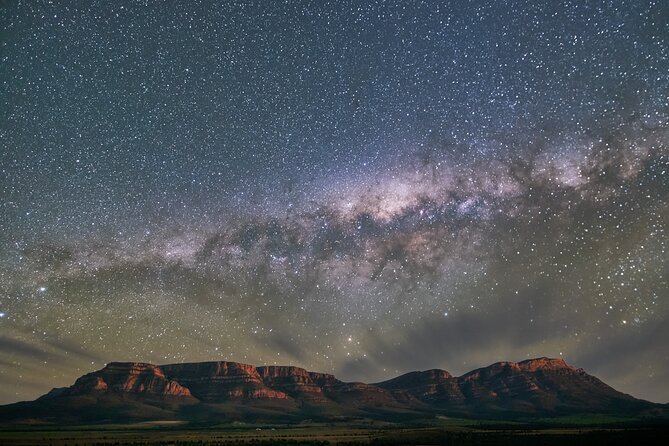
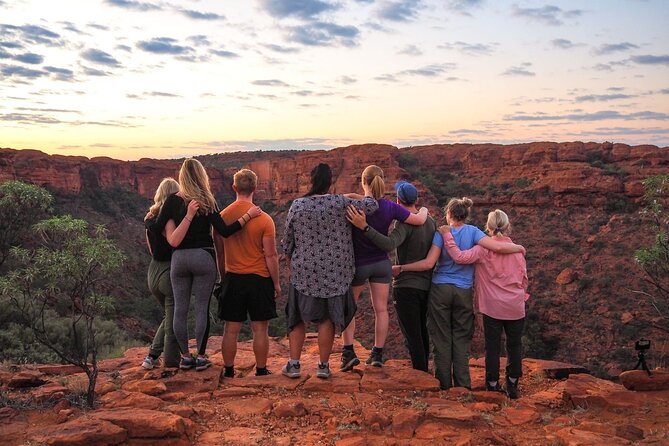
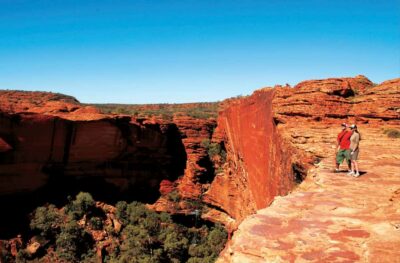
The Kings Canyon Rim Walk is one of the trip’s main physical highlights. It covers 6 kilometres and takes about three and a half hours, with sandstone cliffs, ancient domes, and wide views across Watarrka National Park.
The walk begins early, which is sensible in a hot desert region. You climb at the start, then continue along the rim and through the canyon area. The early timing helps with heat, but you still need sturdy shoes, water, and enough fitness for uneven ground and sustained walking.
After lunch, the bus continues to Uluru-Kata Tjuta National Park. The road time gives your legs a rest, and the scenery shifts again as you enter the Red Centre.
The first Uluru sunset is a key moment. At Ayers Rock Campground, you have time to sit with a camp chair and watch the rock change colour as the light fades. Dinner follows, then you roll out your swag under the stars.
Swag camping is a major part of the trip’s character. You are not sleeping in a standard room, and desert nights can feel exposed even when the camp is organized. For you, that may be the experience you came for, or it may be the point where you wish you had booked a more comfortable option. The tour data does not describe upgraded accommodation, so assume the camping element is central rather than incidental.
Day 6: Kata Tjuṯa, the Cultural Centre, and an optional barbecue
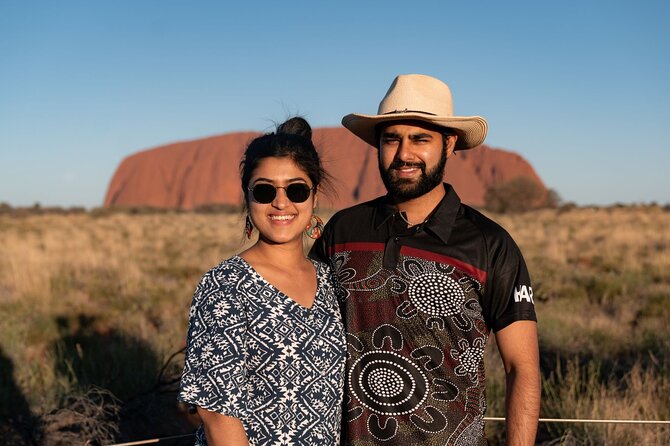
The morning begins at Kata Tjuṯa with the 2.6-kilometre Walpa Gorge Walk. The path follows a gorge between towering red rock walls, and the name Walpa refers to wind. This is a shorter walk than Kings Canyon, but the setting is just as distinctive.
Afterward, the group visits the Cultural Centre. This is an important part of the trip because Uluru is not just a scenic landmark. The centre helps explain Aṉangu culture, the meaning of Country, and the significance of the park’s sacred places.
The schedule allows a long block at the campground before the evening meal. That pause is useful after two demanding walking days. You can rest, sort your gear, and enjoy the slower rhythm of camp.
The final night includes an Outback BBQ at your own cost. Dinner is not included here, so budget for it separately. The social side is part of the appeal: shared food, stories from the road, and a final evening under the desert sky.
An optional Field of Light experience is also available for A$50 per person. It is not part of the included price, so decide ahead of time if it interests you and allow room in your budget.
Day 7: Uluru at sunrise and the end at Yulara
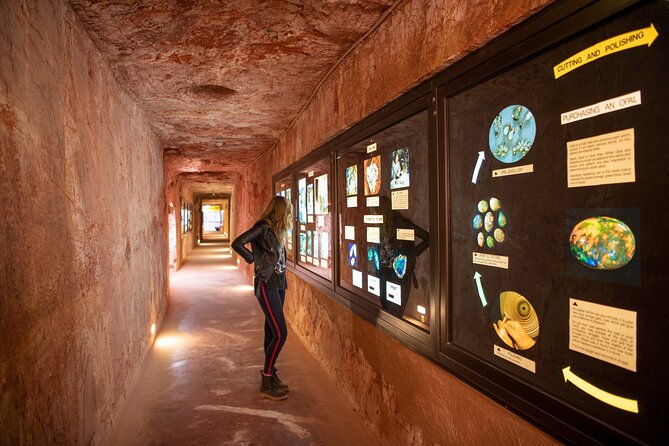
The final morning starts early again, this time with sunrise over Uluru. The changing light and long shadows are the reason to set the alarm. The quiet matters too. After several days of driving and group activity, this is a chance to pause before the trip ends.
The schedule then brings you close to Uluru itself. The supplied details describe time to stand near the rock and take in its scale and cultural importance. The exact final activity timing is not fully specified, so you should confirm the day’s precise finish with the operator before arranging onward plans.
The tour ends at Yulara in the Northern Territory. It does not return to Adelaide. A transfer bus from Yulara to Alice Springs is not included, and you must inquire directly about that connection. This is one of the most important planning details. If you need to continue to Alice Springs, leave enough time and money for the separate transfer.
What the price includes, and where you still spend more
At $1,108.14 per person, the tour is not a cheap bus ride, but the price covers a lot over seven days. You receive all listed activities, national park and entrance fees, a storyteller guide, six breakfasts, three dinners, and the camping and accommodation elements described along the route.
The included fee structure is useful because park charges can add up on a route that passes through several protected areas. Guided cultural experiences at Wilpena Pound and the Uluru Cultural Centre also give the trip more purpose than a simple point-to-point transfer.
You should still budget for the Outback BBQ on day six, the optional Field of Light experience at A$50, personal snacks and drinks, and the onward transfer from Yulara to Alice Springs. The price also does not remove the practical cost of time. You give up seven days and accept long drives, early mornings, and basic camping.
For the right person, the value is strong because the route would be difficult to organize independently in one week. You would need to arrange transport, park access, accommodation, walks, and cultural stops across two states and the Northern Territory.
Who should book this outback trip?
I would choose this tour if you want to see more than Uluru and you enjoy active, social travel. It suits you if you like hiking, campfire evenings, unusual accommodation, and guides who add stories to the drive. A group of up to 20 gives the trip a shared feel without the scale of a large coach tour.
The trip also suits visitors who want Aboriginal culture included in the route rather than added as a token stop. Arkaroo Rock, the Yura welcome, and the Cultural Centre all help place the scenery in a cultural setting.
You should think twice if you need private rooms, late mornings, short transfers, or a flexible schedule. The moderate fitness requirement is real, especially with the Wangara Lookout Hike and Kings Canyon Rim Walk. The trip is also not ideal if you plan to return to Adelaide immediately afterward, since it finishes at Yulara.
The cancellation terms are worth noting before you commit. Cancel at least six full days before departure for a full refund. Cancellations two to six days ahead receive 50 percent, while cancellations less than two full days before departure are nonrefundable. Weather or minimum group numbers can also cause a cancellation, in which case you are offered another date or a full refund.
Should you book it?
Book this tour if you want a full outback story, not just a photograph of Uluru. The strongest parts are the route’s range, the cultural stops, the unusual underground night in Coober Pedy, the Kings Canyon walk, and the chance to sleep in a swag beneath the stars.
Skip it if long road days and basic camping sound tiring rather than exciting. For everyone else, this is a well-packed way to connect Adelaide with the Red Centre, especially if you value real time on foot and strong guide storytelling over polished comfort.
FAQ
Where does the tour begin?
It begins at YHA Adelaide Central, 135 Waymouth Street, Adelaide, South Australia 5000.
What time does the tour start?
The start time is 5:30 am.
Where does the tour end?
The tour ends in Yulara, Northern Territory 0872, near Uluru.
Is transport from Yulara to Alice Springs included?
No. The Yulara to Alice Springs transfer bus ticket is not included, and you need to inquire directly about it.
How many people can join the tour?
The maximum group size is 20 people.
What level of fitness is needed?
You should have a moderate level of physical fitness. The route includes the 7-kilometre Wangara Lookout Hike, the 6-kilometre Kings Canyon Rim Walk, and the 2.6-kilometre Walpa Gorge Walk.
Are meals included?
Six breakfasts and three dinners are included. The Outback BBQ on the sixth evening is at your own cost.
Is the Field of Light experience included?
No. Field of Light is an optional extra costing A$50 per person.
Are park entrance fees included?
Yes. All national park and entrance fees are included, along with the listed activities and experiences.
Can I cancel for a full refund?
Yes, if you cancel at least six full days before the experience start time. Cancellations two to six days ahead receive a 50 percent refund, while cancellations less than two full days ahead are not refunded.
Just added in Adelaide
- Wild Dolphin Swim Cruise★ 5.0 · 55 reviews
- Welcome to Adelaide Walking Tour★ 5.0 · 119 reviews
- d’Arenberg Cube / McLaren Vale Regional Tour★ 4.5 · 26 reviews
- Victor Harbor and Fleurieu Peninsula Tour★ 4.5 · 145 reviews
- Victor Harbor and Southern Highlights from Adelaide★ 4.0 · 47 reviews
- Ultimate Adelaide Walking Tour★ 5.0 · 222 reviews
- The F Factor: Adelaide food tour★ 5.0 · 89 reviews
- Ultimate Adelaide City and Hahndorf Tour★ 4.5 · 45 reviews
Uluru & Kata Tjuta Tours, compared.

Ayers Rock Day Trip from Alice Springs Including BBQ Dinner
Read our review →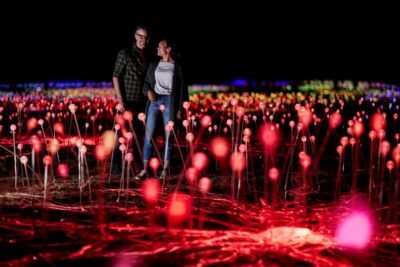
Kings Canyon: Full-Day Tour from Ayers Rock Resort
Read our review →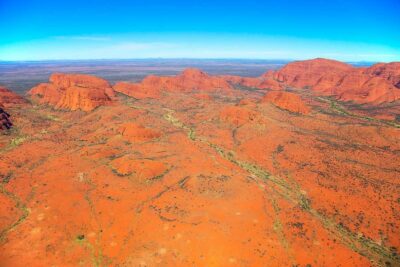
Uluru & Kata Tjuta 25-Minute Helicopter Experience
Read our review →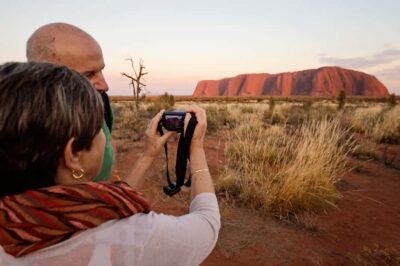
Sacred Sites & Sunset Tour with Wine & Cheeseboard
Read our review →Browse the lists this tour appears in