
Reviewed · WALKING TOURS
Ultimate Adelaide Walking Tour
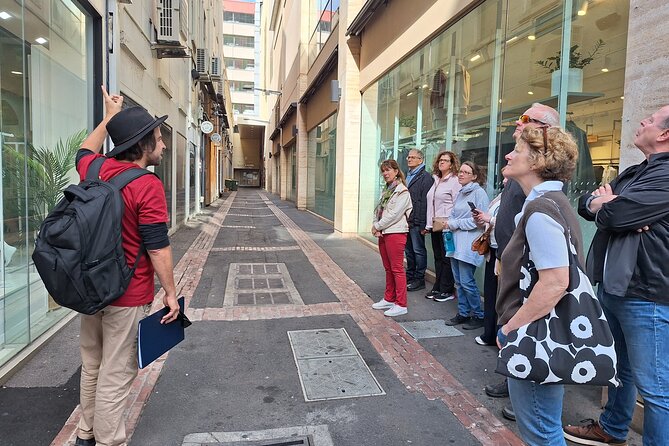
Adelaide reveals itself best on foot, where grand civic buildings, old arcades, public art, river paths, and local food stops sit within an easy city walk. This tour links the major sights with lesser-known stories, from Don Dunstan and social reform to the inventions and oddities tied to Adelaide.
I like the small group limit of 12, which gives guides Dax or Graeme room to answer questions and adjust the pace. I also like the local tasting break, with South Australian coffee, biscuits, and fruchocs adding a real sense of place. The main consideration is simple: you cover about 3 kilometres, so comfortable shoes matter.
Key points at a glance
- See Adelaide’s city core in one walk: Victoria Square, Rundle Mall, Adelaide Arcade, the cultural zone, Parliament House, and the area near Central Market all fit into one route.
- Expect stories, not just dates: Guides explain characters such as Constantine Polites and Don Dunstan, along with Adelaide’s role in women’s rights and social reform.
- Enjoy a local snack break: South Australian treats, coffee, biscuits, and fruchocs are served during a rest stop beside the River Torrens.
- Choose a useful first-day activity: The route helps you understand Adelaide’s layout and gives you ideas for places to revisit.
- Keep the pace manageable: Walking time is built into the 2 to 3-hour duration, with regular stops and, according to tour information, a free tram ride may help reduce the distance.
- Support a local cause: Five percent of each tour fee is donated to local and Indigenous charities.
Why this Adelaide walk works well on day one
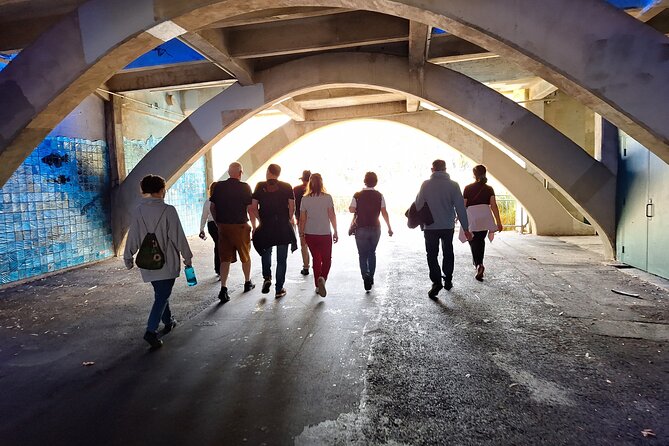
I would place this tour early in an Adelaide visit. It gives you a working map of the city rather than dropping you at one isolated landmark. You move from the central square through the main shopping street, cultural institutions, university grounds, riverfront, government buildings, and the market district.
That route matters because Adelaide’s center is easy to underestimate. The streets are laid out clearly, but the city’s stories are spread across buildings, statues, arcades, public spaces, and place names. A guide helps connect those pieces.
The tour also keeps one foot in the past and one in present-day Adelaide. You hear about political and social change, then learn practical ideas about where to eat, what to visit, and which sights deserve more time. Several people have specifically valued the useful recommendations for the rest of their stay.
The experience is capped at 12 people. That is small enough for a personal feel without the cost of a private tour. Dax and Graeme both receive repeated praise for clear explanations, easy conversation, and the ability to alter the pace for the group.
A few more things to do in Adelaide worth a look
- Cultural Caper Adelaide Walking Tour
★ 5.0 · 122 reviews - Welcome to Adelaide Walking Tour
★ 5.0 · 119 reviews - Adelaide: City Walking Tour with Guide
★ 4.8 · 83 reviews
Victoria Square and Adelaide’s first stories
The walk begins at Victoria Square, also known as Tarntanyangga. This is a useful starting point because it places Adelaide’s history in a central public space rather than in a museum room.
You learn about the history of Adelaide and South Australia while standing in the square. The short listed stop is only about five minutes, but a guide can use the space to set up the wider story of the city and its development.
The use of the name Tarntanyangga also points to Adelaide’s continuing connection with Indigenous culture and language. Later, the tour returns to Indigenous heritage through the city’s cultural institutions, so this is more than a quick photo stop.
From here, you are already in the heart of central Adelaide. The route is designed to keep moving, but short stops give you time to listen without turning the morning into a lecture.
Beehive Corner and stories of modern Adelaide

At Beehive Corner Building, the focus shifts from broad city history to the people who helped shape modern Adelaide. Constantine Polites and Don Dunstan are among the characters discussed.
That people-first approach is one of the tour’s strengths. Buildings tell you how a city was built, but personalities help explain why it changed. Don Dunstan, in particular, gives the guide a way to discuss South Australia’s political and social development through an individual story.
This stop is brief, around five minutes, so do not expect a full political history. Instead, you get context that makes later sights more meaningful. It is the sort of introduction that can send you back through the city with new questions.
Rundle Mall, public art, and the city’s main street
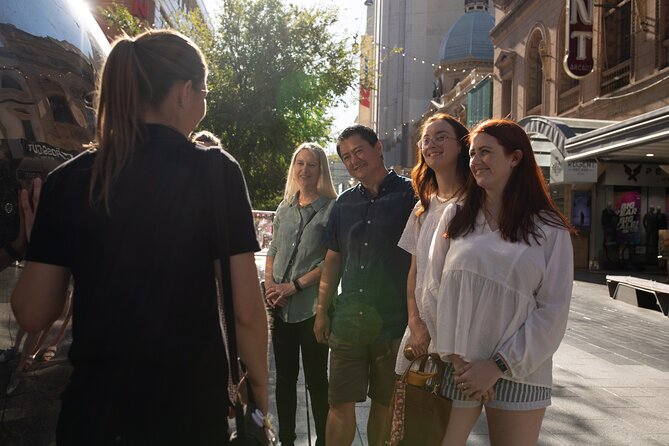
Rundle Mall is the first longer urban stroll, with roughly 10 minutes spent pointing out buildings and artworks. It is a practical part of the tour because it helps you understand where Adelaide’s shopping and pedestrian center sits.
The guide does not simply send you down the mall and name the obvious stores. The focus is on the buildings, artworks, and details you might otherwise pass without noticing. Keep your eyes up and around you, since the value here is in the mix of architecture and public space.
Rundle Mall is also a useful orientation point for later independent exploring. You can return here after the tour and decide which arcades, shops, or nearby cultural sites deserve more time.
Same base, a different sort of day:
- Barossa Premium Wine Tasting Tour & lunch Departs 7 days a week
★ 5.0 · 1,475 reviews - Adelaide: Barossa Premium Wine Tasting tour & Winery Lunch
★ 4.8 · 1,452 reviews - Kangaroo Island Full Day Experience by Ferry Including Lunch
★ 4.5 · 1,202 reviews - Discover Barossa: 4 Wine Tastings, Gourmet Lunch, and Hidden Gems
★ 5.0 · 1,027 reviews
Adelaide Arcade and its resident ghosts
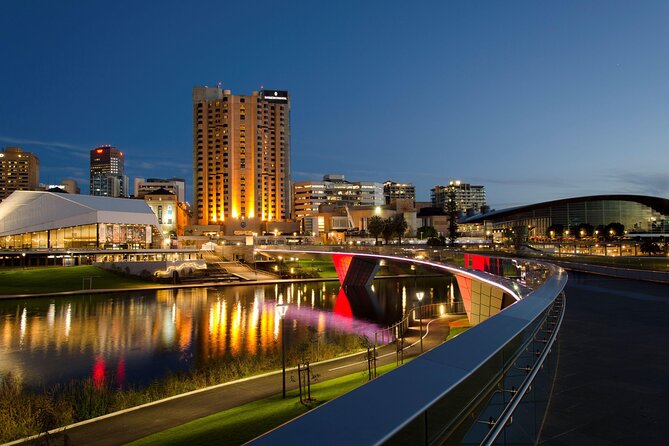
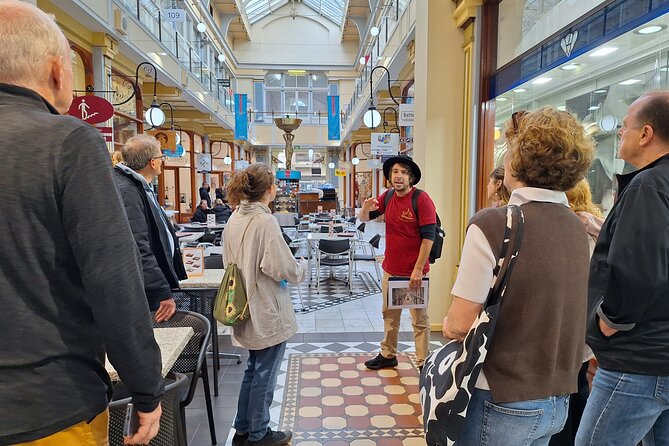
Adelaide Arcade brings a change of mood. You enter the arcade to look at its architecture, design details, and shops, with a few stories about its resident ghosts added for fun.
This is a good example of how the tour mixes serious history with lighter material. Adelaide’s past is not presented as a string of dates. The ghost stories give the group something playful to discuss while the guide points out the character of the building.
The stop takes about 10 minutes. That is enough for an introduction, but not enough for a slow shopping visit. If the arcade catches your interest, note it as a place to revisit later rather than expecting time to browse every shop.
Art Gallery, social reform, and the cultural zone
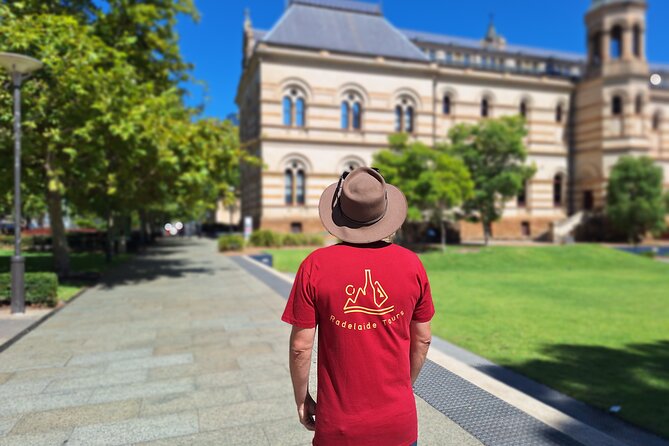
Near the Art Gallery of South Australia, the guide explains the wealthy South Australian businessman whose donations helped fund several of the city’s landmark buildings, including the gallery.
This adds an important layer to the architecture around you. Grand public buildings do not appear by accident, and private money, civic ambition, and political priorities all play a part in the way Adelaide looks today.
The tour then moves into Adelaide’s cultural zone. The listed stops also point to the city’s record in social reform and women’s rights, as well as the museum’s major collection of Australian Indigenous artefacts.
You should see this section as a preview rather than a substitute for entering the institutions. The outside commentary helps you choose what to return to. If art, social history, or Indigenous culture matters to you, this part of the walk can help you plan a fuller museum visit later.
The University of Adelaide and some very Australian inventions
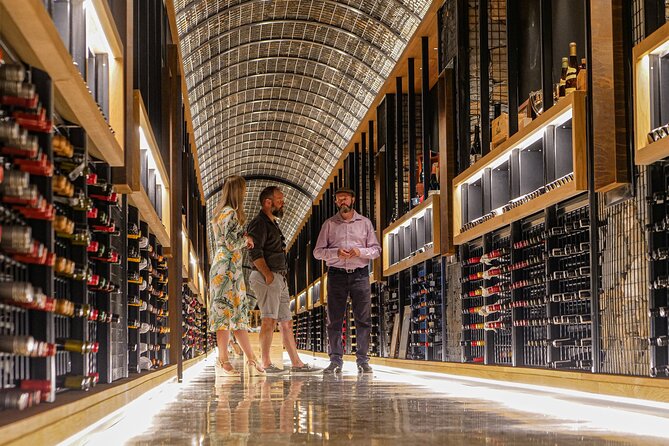
At the University of Adelaide, the guide moves into a lively list of local achievements and inventions. The tour connects Adelaide and the university with WiFi, sunscreen, cask wine, also called goon, Stobie poles, and the pie floater.
That combination tells you plenty about the tone of the experience. Some subjects are serious scientific achievements, while others are distinctly Australian cultural oddities. Stobie poles and pie floaters are especially useful examples because they link local infrastructure and food with everyday life.
The stop lasts about 10 minutes. You will not receive a technical history of each invention, but you will get memorable facts that make Adelaide easier to talk about and understand.
I like this section because it avoids treating the city as only a collection of old buildings. Adelaide also has a practical, inventive, sometimes eccentric side. The guide’s job here is to show you that personality.
A rest beside the River Torrens
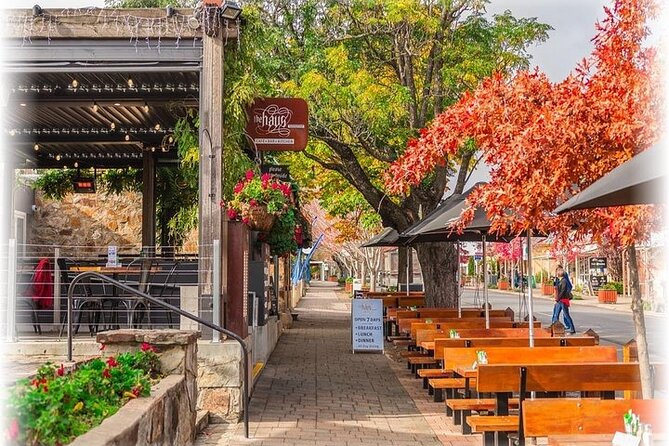
The route continues to the Karrawirra Parri, also known as the River Torrens. This is one of the longer stops, at about 20 minutes, and includes a small picnic of Adelaide food and drink specialties.
The rest break is well timed. By this point, you have walked through several central streets and cultural areas, so sitting or pausing by the river gives you a chance to reset. South Australian coffee, biscuits, fruchocs, and other local treats have been included on tours, giving you a taste of regional favorites without adding a separate food tour cost.
The river also changes the feel of the walk. Instead of more facades and intersections, you get open views and a calmer setting. The route includes a look at one of the country’s most beautiful sporting grounds, though the supplied details do not specify a full stadium visit.
One practical note: walking time is included in the total tour length. The route covers about 3 kilometres, or 1.8 miles, with regular stops. A low level of fitness is enough according to the tour information, but comfortable shoes are still a smart choice.
Elder Park and Adelaide’s skyline
At Elder Park, you pause for around 10 minutes to see the bandstand and views toward Adelaide’s skyline. This is a scenic stop, but it also links the riverfront with the city center you have just explored.
The nearby discussion includes Australia’s first multipurpose art center. This gives the area more weight than a simple riverside photo stop. You begin to see how Adelaide combines performance, public space, sport, and civic buildings in a compact central district.
The views here are likely to be more useful for orientation than for a long sightseeing session. You are looking back toward the city, recognizing buildings and areas from earlier in the route.
Parliament House and two chapters of government
Parliament House of South Australia is one of the most story-driven stops. The guide explains the trials and delays behind the newer parliament building, as well as why the old parliament still stands beside it and remains in use.
That contrast makes the stop easy to remember. You are not only looking at a grand government building. You are seeing two structures side by side, each tied to a different stage of South Australia’s political life.
The stop lasts about 10 minutes. The guide’s role is to give you the backstory and explain what you are seeing from outside. If government architecture is a particular interest, you may want to return later for a closer look, but the tour provides a useful first layer.
Finishing near Adelaide Central Market
The walk finishes close to Adelaide Central Market, at or near a pub or bar in the Gouger Street area. The official end point is listed as Adelaide Central Market, 44/60 Gouger Street.
This is a smart place to finish. You are close to one of Adelaide’s best-known food areas, with an easy chance to continue your day over lunch or return to the market when it suits you.
The market is an important timing consideration. A past tour tip recommends choosing Tuesday through Saturday if you want the best chance to include the market in your plans. The walk itself ends nearby rather than promising a full market tasting experience, so treat the market as your next stop, not as the main food portion of the tour.
What the €43.92 price gets you
At €43.92 per person, this is not the cheapest way to walk around Adelaide, since you can visit many of the outdoor sights without an admission fee. The value comes from the guide’s commentary, the tightly connected route, the small group size, the local tasting break, and the time saved working out the city on your own.
I think the price makes the most sense for a first visit, especially if you have only a few days. You see a lot in 2 to 3 hours, then finish near the market where you can continue exploring without paying for another transfer.
The five percent donation to local and Indigenous charities adds a useful social benefit. It will not change your sightseeing plan, but it gives the fee a purpose beyond the walk itself.
If you already know central Adelaide well, the tour may feel less essential. Locals can still enjoy the personal stories and food samples, but the strongest value is for someone who wants a clear introduction and practical suggestions.
Pace, group size, and booking details
You can choose a morning or afternoon departure, which makes it easier to fit the walk around museum visits, meals, or an arrival schedule. The maximum group size is 12, and the experience uses a mobile ticket.
Most people can take part, and service animals are allowed. The minimum drinking age is 18, relevant because the local food and drink stop or the finishing venue may include an alcoholic option. The tour requires good weather, and poor conditions can lead to a different date or a full refund.
Free cancellation is available up to 24 hours before the start time. Changes or cancellations inside that window are not refunded, so check the local start time before making last-minute plans.
Who should book the Ultimate Adelaide Walking Tour?
I would choose this for first-time visitors, couples, solo visitors, and families with older children who can manage a few kilometres of walking. It suits anyone who wants history, architecture, local food, and practical city advice in one outing.
It is also a strong choice if you prefer stories over a checklist of monuments. Dax and Graeme are described as engaging guides who answer questions, adjust the pace, and explain Adelaide with warmth and humor.
You should think twice if you want a slow museum tour, extensive market tasting, or a private experience. The route moves through many areas, and each stop is an introduction rather than a long visit.
Should you book it?
Book this tour if you want to get your bearings quickly, understand Adelaide’s story, and find places worth revisiting. The combination of Rundle Mall, Adelaide Arcade, the cultural zone, the river, Parliament House, and Central Market gives you a useful first look at the city.
Wear comfortable shoes, choose Tuesday through Saturday if the market matters to you, and leave room afterward for lunch near Gouger Street. For a first day in Adelaide, the €43.92 fee buys more than sightseeing. It buys context, local guidance, and a clearer plan for the rest of your stay.
FAQ
How long does the Ultimate Adelaide Walking Tour last?
The tour lasts approximately 2 to 3 hours, including walking time and stops along the route.
How many people can join the tour?
The tour has a maximum of 12 travelers, creating a small-group experience.
Where does the tour begin?
The tour begins at 25 Pirie Street, Adelaide SA 5000, Australia.
Where does the tour finish?
The route finishes near Adelaide Central Market at 44/60 Gouger Street. The tour may end at a pub or bar close to the market.
Are food and drinks included?
A small picnic of local Adelaide food and drink specialties is included during the River Torrens stop. Past tour details specifically mention South Australian coffee, biscuits, and fruchocs.
Can I cancel for a full refund?
Yes. You can cancel at least 24 hours before the experience start time for a full refund. Poor weather or failure to reach the minimum number of travelers can also lead to a different date or a full refund.
Just added in Adelaide
- Welcome to Adelaide Walking Tour★ 5.0 · 119 reviews
- Wild Dolphin Swim Cruise★ 5.0 · 55 reviews
- d’Arenberg Cube / McLaren Vale Regional Tour★ 4.5 · 26 reviews
- Victor Harbor and Fleurieu Peninsula Tour★ 4.5 · 145 reviews
- Victor Harbor and Southern Highlights from Adelaide★ 4.0 · 47 reviews
- The F Factor: Adelaide food tour★ 5.0 · 89 reviews
- Ultimate Adelaide City and Hahndorf Tour★ 4.5 · 45 reviews
- Hahndorf Walking Tour, South Australia★ 5.0 · 34 reviews
Walking Tours, compared.
Sydney Opera House Official Guided Walking Tour
Read our review →
Blue Mountains Tour with Waterfall Walk & Lunch
Read our review →

Ultimate Melbourne Walking Tour: History, Laneways & Culture
Read our review →
Great Ocean Road Tour Plus Koalas, Forest Walk and Morning Tea
Read our review →
Blue Mountains Small Group Tour with Waterfall Walk & Fresh Lunch
Read our review →
Maria Island Cruise and Guided Walk Day Tour with Lunch and Drinks
Read our review →Browse the lists this tour appears in