
Reviewed · AUSTRALIA
National Anzac Centre General Entry Ticket
The most affecting part of Albany’s National Anzac Centre is the way it turns a huge war into individual lives. You follow one service man or woman through the Great War, using interactive displays, old photographs, film, and personal records. I especially like the personal story cards and the chance to trace one person’s service from beginning to end. I also like that the ticket includes the full Princess Royal Fortress, not just the museum.
The main catch is time. You can see the centre in an hour or two, but the displays invite slow reading, and the fortress grounds add guns, bunkers, and coastal views. If you arrive late or have only a short window, you may leave feeling you saw only part of it.
Key points to know before you go
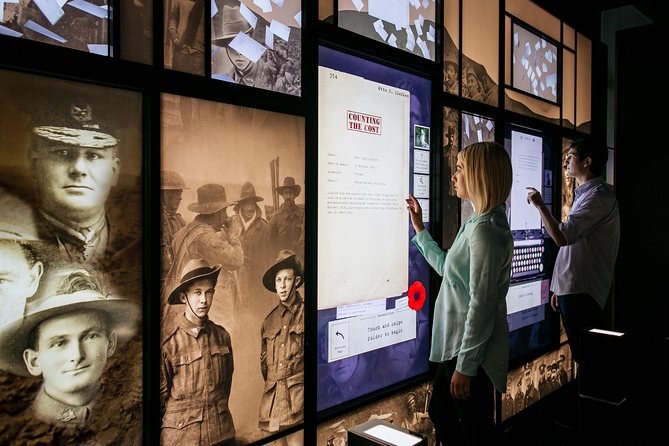
- Follow one real wartime journey: Each visitor can take on the identity of a service man or woman and track that person through the conflict.
- See where the convoys departed: The centre overlooks King George’s Sound, the harbour from which more than 41,000 men and women left Australia for the Great War.
- Use the full ticket outdoors: Entry includes the buildings and attractions within Princess Royal Fortress, including its coastal guns, bunkers, and fortifications.
- Allow two to four hours: The centre alone can occupy a couple of hours, while the fortress grounds deserve extra time.
- Expect a reflective visit: This is a place of remembrance as much as a museum, with personal accounts and wartime film at its heart.
- Plan your own visit: Transportation, food, drinks, and a guide are not included, so you explore at your own pace.
Why Albany is the right place for an Anzac story
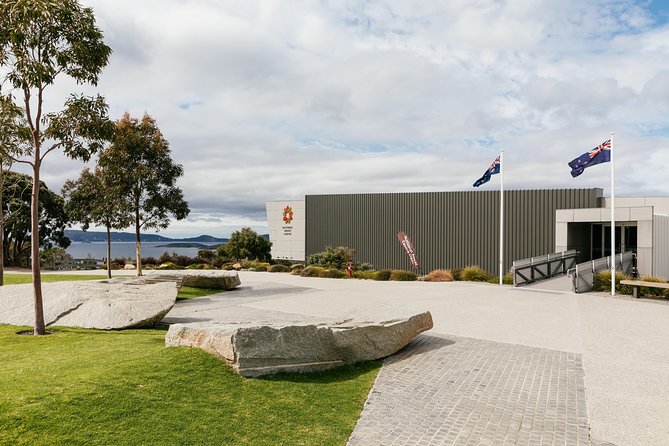
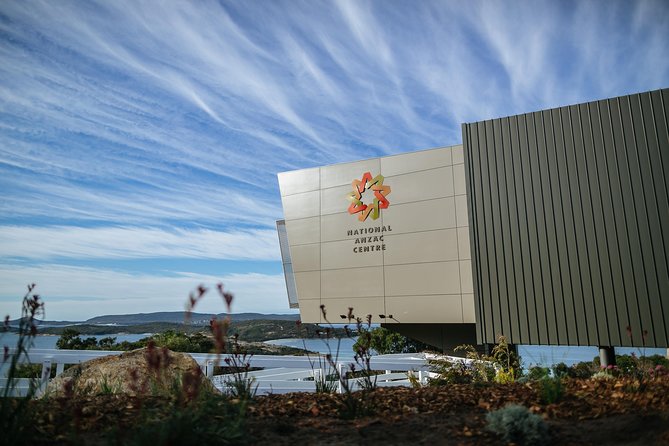
Albany gives the subject a powerful setting. The National Anzac Centre sits inside the heritage-listed Princess Royal Fortress, looking across the harbour where more than 41,000 Australian and New Zealand service men and women departed for the Great War.
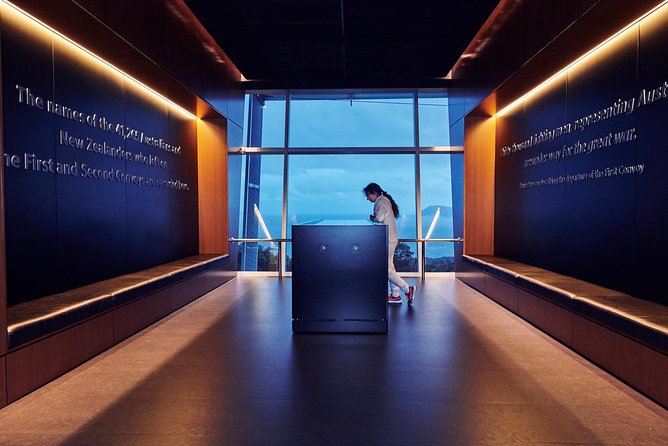
That view matters. You are not studying a distant event in an ordinary gallery. You are looking toward the water that carried the convoys away from Australia. The centre connects the harbour, the fort, and the people who left, giving the visit a clear sense of place.
The centre also puts the Anzac story into human terms. Military history can become a list of dates, battles, and troop movements. Here, the focus is on individual lives, shared experiences, service, separation, and loss. That approach makes the visit accessible even if you do not already know much about the First World War.
You should still expect a serious experience. This is a memorial and learning centre, not a light entertainment stop. The mood is quiet and thoughtful, and the material asks you to give it time.
A few more things to do in Australia worth a look
- Sydney: Opera House Guided Tour with Entrance Ticket
★ 4.8 · 8,312 reviews - Sydney: Taronga Zoo Tickets
★ 4.6 · 1,551 reviews - From Brisbane: Australia Zoo Transfer and Entry Ticket
★ 4.9 · 1,539 reviews
Entering the National Anzac Centre
Your admission is valid at any time during opening hours, with the stated start time listed as 9:00 am. That flexibility is useful in Albany, where you may be fitting the centre around other sights, weather, or a longer visit to the fortress.
Inside, the displays combine historic artefacts with multimedia and interactive technology. The aim is to make the wartime record personal rather than simply presenting objects behind glass.
One of the most effective features is the individual identity you receive. You can follow a real service man or woman through the displays and learn what happened to that person during the war. This gives you a thread to follow as you move through the building.
I like this format because it gives shape to a large subject. Instead of trying to absorb every panel at once, you have one life to guide you. You may also find yourself comparing that story with the experiences of people from other sides of the conflict, since the centre presents a range of personal accounts.
The interactive cards are a particularly memorable part of the visit. They help connect the information in the building to a named individual, making the experience more direct and, at times, quite moving.
Personal stories instead of a wall of dates
The centre’s strongest feature is its use of personal records. You will encounter photographs, stories, and early moving images that show the people behind the military events.
That material helps explain why the Anzac story remains important in Australia. The centre is not only about battles. It also deals with departure, duty, uncertainty, service, and the human cost of war.
A visit can also broaden your view of the period. One account pointed to the worldwide flu outbreak that killed millions in the same era. This reminder places the war within a larger period of hardship, when military conflict and disease affected families across the world.
You should not rush this section. The amount of information can be greater than you expect, and many displays reward careful reading. A quick visit will give you the basic story, but a longer visit allows the personal details to settle.
Some people may find the quantity of material tiring. That is a fair concern, especially for younger children or anyone with limited time. The centre is best for visitors willing to pause, read, and think rather than move quickly from one display to the next.
The convoy light table and the harbour view

The convoy light table is one of the notable displays. It helps explain the movement of ships and the importance of King George’s Sound as a gathering and departure point.
This is where the geography becomes easier to understand. You are not just told that Albany played a role in the war. You can connect the harbour below with the convoys that assembled there before heading overseas.
After the interior displays, step outside for the view. The harbour outlook is one of the visit’s most useful features because it ties the museum to the place itself. If you have only enough time for one brief outdoor stop, make it this one.
Do not assume the outside walk will be a full guided tour. The ticket provides access to the fortress buildings and attractions, but a guide is not included. Some visitors have had an interesting guided experience with a guide named Brian, but you should plan this admission as a self-directed visit unless a separate guide service has been arranged.
Same base, a different sort of day:
- All Inclusive Blue Mountain,Scenic World,Lunch,Koalas,ferry
★ 5.0 · 7,832 reviews - Great Ocean Road Small-Group Eco Tour from Melbourne
★ 5.0 · 6,607 reviews - From Melbourne: Great Ocean Road, 12 Apostles, Wildlife Tour
★ 4.7 · 6,020 reviews - Ocean Rafting: Whitehaven Beach, Snorkelling & Hill Inlet Lookout
★ 5.0 · 4,777 reviews
Exploring Princess Royal Fortress after the museum
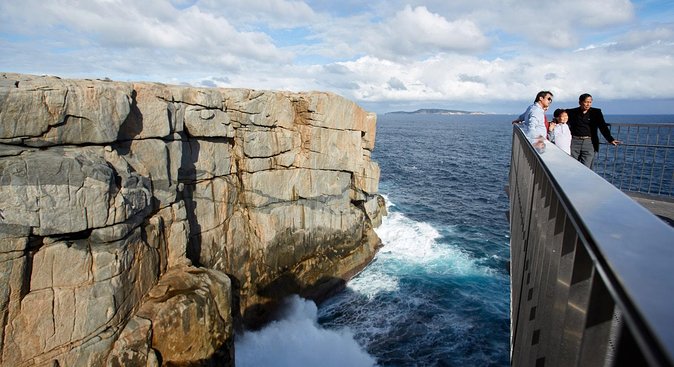
Your ticket covers all buildings within Princess Royal Fortress, which adds real value to the admission price. The fortress is a pre-Federation coastal defence system, and its guns, bunkers, and fortifications provide a physical counterpoint to the stories inside the centre.
The centre explains the people and convoys. The fortress shows the defensive setting that protected the harbour. Together, they give you a fuller sense of Albany’s role.
You may want to see the main museum first, while the personal stories are fresh, then walk through the fortress grounds. Or you can use the outdoor buildings as a break from reading. Either order works, depending on your energy and schedule.
The fortress also changes the pace of the visit. Inside, you are concentrating on documents and screens. Outside, you are looking at coastal defences and the harbour. That contrast makes the overall experience feel less confined.
Allow extra time if the fort interests you. A visitor who spends only an hour inside the centre may miss much of what is included in the ticket. On the other hand, if you have a packed Albany schedule, the centre alone still offers the central experience.
How long should you allow?
The stated duration is about one to four hours. That range is sensible because people visit in very different ways.
Allow around one hour only if you want a brief look at the main displays and a quick view outside. You can learn a lot in that time, but you will need to pass over some of the personal material.
Two hours gives you a better chance to follow an individual story, study the photographs and film, see the convoy display, and step outside for the harbour view. This is a practical minimum for visitors who want more than a quick stop.
Three to four hours works best if you want to explore the fortress buildings and outdoor defences as well. The centre contains enough material to hold your attention, and the grounds add their own set of places to examine.
The admission is valid during opening hours rather than tied to a tightly timed tour. That makes the visit easier to fit into a day in Albany. Still, check the opening hours when planning, since the ticket information confirms the validity during opening hours but does not state the closing time.
Is the $17.93 price good value?
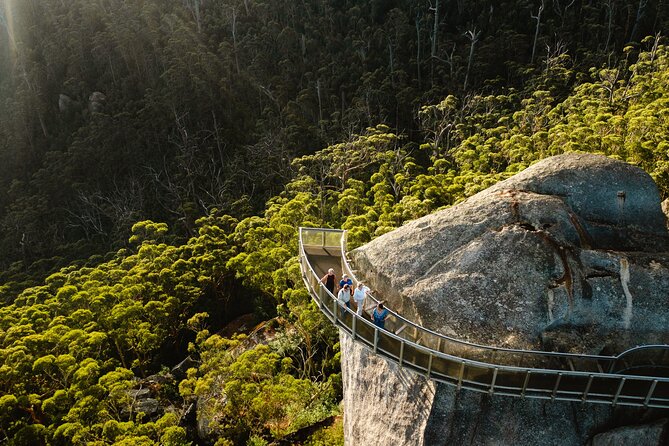
At $17.93 per person, this is a reasonable admission for a museum and historic fortress site. The value comes from the combination of the National Anzac Centre and access to the buildings and attractions around Princess Royal Fortress.
If you spend only a short time at the centre, the price may feel less attractive. The strongest value appears when you set aside enough time for both the indoor displays and the outdoor fortifications.
You are also paying for a carefully designed presentation, not just access to old objects. The individual service stories, multimedia, interactive technology, and convoy display give the centre a clear purpose and structure.
I would consider it particularly good value for anyone with an interest in Australian history, military history, family remembrance, or museums that use personal records. It is also a worthwhile stop for anyone who wants to understand why Albany mattered during the Great War.
The price does not include transportation, food, drinks, or a guide. That is normal for a general admission ticket, but it means you need to arrange your own way to the fortress and plan your own visit once inside.
Who will enjoy this most?

This experience suits adults, older children, history students, and anyone with a personal connection to Australian or New Zealand wartime service. The individual stories make the subject easier to follow than a display based only on military dates.
It is also a good choice for visitors who prefer to set their own pace. You are not tied to a moving group or a fixed talk, and the ticket can be used at any time during opening hours.
Families should consider the tone and the amount of reading. The centre can be meaningful for children who are already interested in history, but very young children may not engage with every display. The fortress grounds may help by giving them more space to move between the indoor sections.
You should choose another activity if you want a light, fast-paced attraction or a guided tour with constant narration. This visit asks for quiet attention, and the ticket does not include a guide.
The centre is also suitable for many people with limited mobility because most travellers can participate, service animals are allowed, and the site is near public transportation. The available information does not provide detailed access notes for every building, so you should confirm specific needs before booking.
Practical planning for your visit
The meeting information lists 9:00 am as the start time, but the ticket itself is valid at any time during opening hours. Use that flexibility to avoid squeezing the centre into the end of a busy day.
Wear something suitable for moving between indoor galleries and an exposed coastal fortress. The site overlooks the harbour, and the outdoor sections may feel different from the protected museum rooms.
Bring enough time for reading. The centre’s strength is its detail, and rushing from screen to screen will reduce the impact of the individual stories.
You do not need to plan a meal as part of the admission. Food and drinks are not included, so arrange those separately before or after your visit.
The maximum group size is listed as 50 people, but this is an admission experience rather than a guided group tour. You should expect to explore independently.
Free cancellation is available if you cancel at least 24 hours before the experience start time. Changes or cancellations made less than 24 hours ahead are not accepted for a refund, with cut-off times based on local time.
Should you book the National Anzac Centre?
Book it if you want a thoughtful Albany experience that combines personal wartime stories with a real historic defence site. The harbour view, convoy display, interactive identity cards, and access to Princess Royal Fortress give the admission more substance than a short museum visit.
Plan on at least two hours if possible. That is the best way to follow one person’s journey, understand Albany’s role, and see some of the guns, bunkers, and fortifications outside.
Skip it only if your schedule allows no more than a quick stop, or if you are looking mainly for entertainment rather than remembrance and history. For most visitors interested in Australia’s past, the $17.93 ticket is a sensible use of time and money, especially when you include the full fortress grounds.
FAQ
Where is the National Anzac Centre?
It is located within the heritage-listed Princess Royal Fortress in Albany, Australia.
What does the ticket include?
The ticket includes admission to the National Anzac Centre and access to all buildings and attractions within Princess Royal Fortress.
How long does the visit take?
The approximate duration is one to four hours. A shorter visit covers the main centre, while a longer visit gives you time for the fortress buildings, guns, bunkers, and outdoor areas.
Can I visit at any time?
The ticket is valid at any time during the attraction’s opening hours. The listed start time is 9:00 am.
Is a guide included?
No. A guide is not included with the admission ticket. The experience is designed for you to explore the centre and fortress at your own pace.
Is transportation included?
No. Transportation to and from the attraction, hotel pickup, and hotel drop-off are not included.
Can I cancel for a refund?
Yes. You can cancel at least 24 hours before the experience start time for a full refund. Cancellations or changes made less than 24 hours before the start time are not accepted for a refund.
Just added in Australia
- 6-Day Tasmanian Explorer Adventure Tour from Hobart★ 5.0 · 66 reviews
- 3 day Tasmanian highlights tour – Hobart, Port Arthur and Bruny Island★ 5.0 · 41 reviews
- 7-Day Super Value Tour of Tasmania: Explore Tasmania’s West and East Coasts★ 5.0 · 77 reviews
- 4 Day Wild Tasmania Tour / Wildlife, Nature, Hiking / Inc. Accom★ 5.0 · 126 reviews
- A Day At Wineglass Bay★ 5.0 · 33 reviews
- Bruny Island Wilderness Cruise from Adventure Bay, Bruny Island★ 5.0 · 293 reviews
- 5-Day Best of Tasmania Tour from Hobart★ 5.0 · 184 reviews
- Enjoy a VIP Booth Shared Experience From Gympie★ 4.5 · 22 reviews