
Reviewed · TOURS IN LAUNCESTON
After Dark Tasmanian Devil Feeding Tour at Cradle Mountain
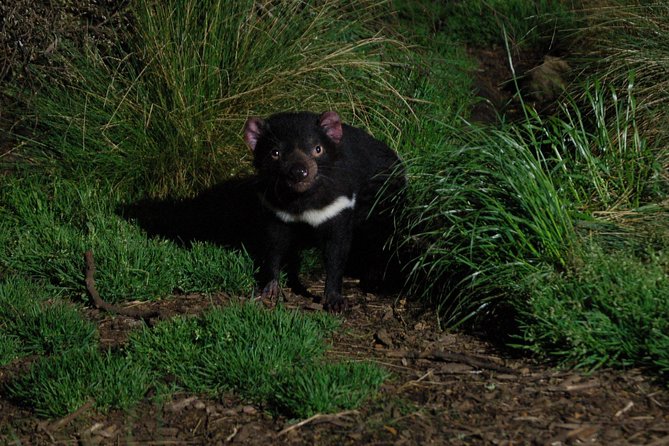
The best part of this Cradle Mountain experience is hearing Tasmanian Devils feed after dark. Their sounds and sudden bursts of energy make the shy-looking animals seem far fiercer than they appear in daylight. A keeper also introduces you to quolls and explains the conservation work behind the sanctuary.
I like the close access to the enclosures and the chance to see feeding rather than just sleeping animals. I also like the strong conservation focus, with clear explanations of devil biology, threats, and quoll breeding work. The main drawback is the group size, which can reach 45 people. If you end up at the back, your view may be limited at some enclosures.
Key points to know before you go
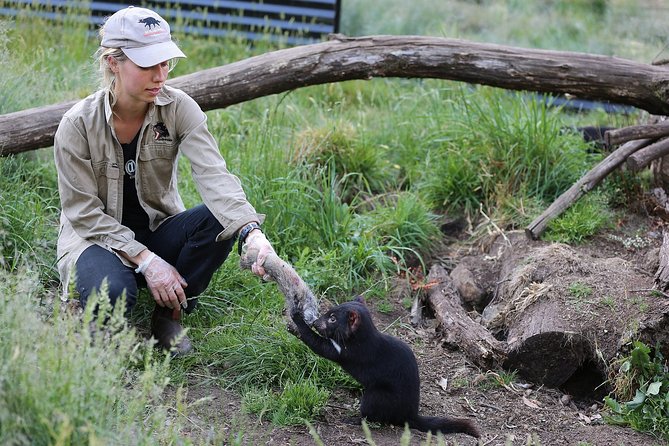
- Feeding brings the Devils to life: Watch Tasmanian Devils eat while a keeper explains their behavior and biology.
- Three species are part of the visit: The sanctuary manages Tasmanian Devils, spotted-tailed quolls, and Eastern Quolls.
- Arrive early for more animals: You can explore Devils@Cradle before the 5:30 pm tour begins.
- The cold is real: Cradle Mountain evenings can be very cold, especially in winter, so bring several warm layers and waterproof clothing.
- Your guide matters: Past sessions have been led by keepers such as Sarah, Rory, Pru, and other passionate staff members.
- The price includes admission: At $30.48 per person, the tour includes entry and a guided walk, but not transport.
Why feeding time changes the whole experience
Tasmanian Devils are nocturnal, so an after-dark visit suits their natural rhythm better than a midday stop. Feeding gives you something specific to watch: animals approach, react to one another, and show the fierce behavior that has made them famous.
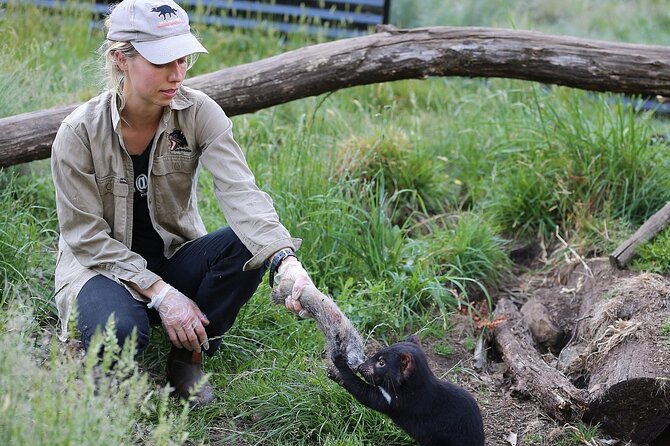
You are not simply looking at an animal behind glass. The keeper enters the enclosures to feed several animals while explaining what you are seeing. That live connection helps you understand why a devil may suddenly become noisy, defensive, or intensely focused on food.
The sanctuary uses environmentally sensitive lighting during the feeding session. That matters because bright lights can interfere with nocturnal animals. You should still expect a public wildlife facility rather than a wild encounter, but the low-impact lighting and keeper-led format make the experience more respectful than a simple display.
The sounds are part of the appeal. Devils can hiss, growl, and snap at one another, and their ears may flare red when they are angry. Those small details are easy to miss in a standard zoo visit. Here, the keeper points out the behavior as it happens.
Other trips people book in Launceston:
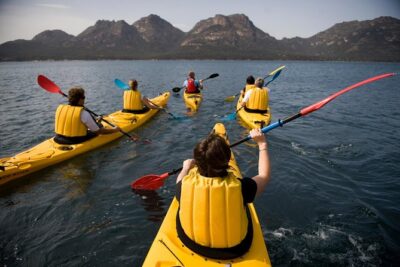
- The Freycinet Paddle
★ 5.0 · 985 reviews - Wineglass Bay Cruise from Coles Bay
★ 4.5 · 982 reviews - Tamar Valley Wine Tour with Lunch
★ 5.0 · 836 reviews
Starting at Devils@Cradle at 5:30 pm
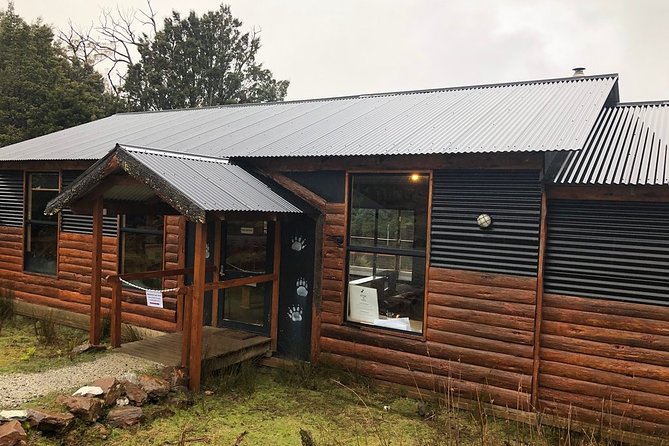
You make your own way to Devils@Cradle, at 3950 Cradle Mountain Road, Cradle Mountain, Tasmania. There is free onsite parking, but hotel pickup and drop-off are not provided. Plan your route before the afternoon fades, since the attraction is in an alpine setting and the evening walk finishes back at the same meeting point.
The tour starts at 5:30 pm with a short introduction on the main viewing deck. This opening covers the three species managed at the sanctuary and gives you a useful framework for the walk that follows.
You can arrive before the start time and explore the sanctuary on your own. Arriving 30 to 45 minutes early is a sensible plan. It gives you time to see the enclosures in daylight, get familiar with the site, and notice how the animals behave before feeding begins.
That early visit also makes the after-dark portion more meaningful. You can compare the quieter daylight setting with the sudden activity at feeding time. It is one of the simplest ways to get more value from a short tour.
The guided walk through the sanctuary
After the introduction, the larger part of the experience takes place outdoors within the sanctuary. The group follows the keeper between enclosures, stopping as different animals are fed and discussed.
The walk involves a small amount of walking on some uneven surfaces. It is not described as a strenuous activity, and most people can take part, but you should wear sensible shoes. Cradle Mountain weather can change quickly, and the tour operates in all weather conditions.
This is also when the guide’s presentation style makes a difference. Staff members such as Rory, Sarah, and Pru have been praised for clear explanations, humor, and a strong connection with the animals. The best guides do more than recite facts. They explain what each animal is doing, then leave time for questions.
One practical point: a past group found that a guide spoke quickly, which made parts of the talk harder to follow. If you have difficulty hearing outdoors, stay near the guide and ask for a repeat when needed. Most of the positive feedback centers on the keepers’ strong subject knowledge and their willingness to answer questions.
Seeing quolls as well as Tasmanian Devils
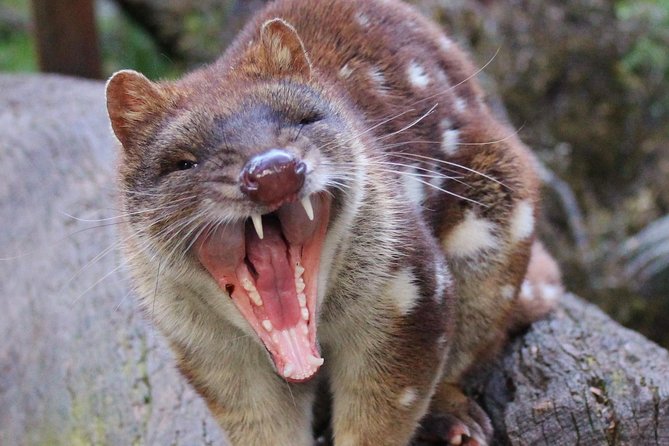
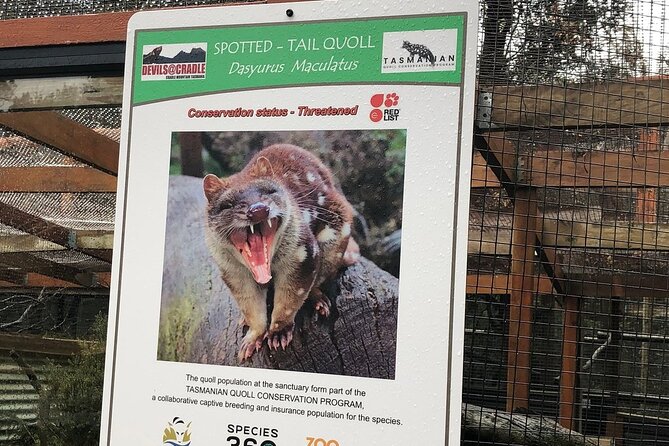
The Devils are the headline act, but the quolls may be your pleasant surprise. The sanctuary works with spotted-tailed quolls and Eastern Quolls, which are closely related to Tasmanian Devils.
Watching different species feed helps you see how varied these small marsupial predators can be. The keeper explains that feeding is not the same for every animal, so you get more than one repeated demonstration. The quolls are often described as especially appealing, but the useful part is learning why their populations need support.
The sanctuary’s quoll breeding work gives the tour a wider purpose. You hear about efforts to build a breeding population and support endangered quoll numbers, rather than treating the animals as isolated exhibits. That conservation message is one of the strongest reasons to choose this experience over a quick walk around an ordinary wildlife park.
You should not expect every animal to perform on cue. Feeding brings activity, but animals still behave according to their own routines. The guide helps by explaining what is happening, even when an animal moves quickly or stays out of sight for a moment.
Same base, a different sort of day:
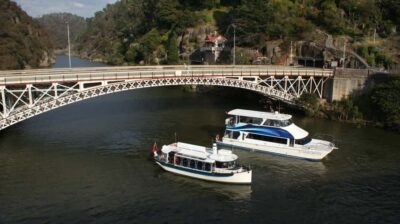
- Launceston: 50-Minute Cataract Gorge Cruise
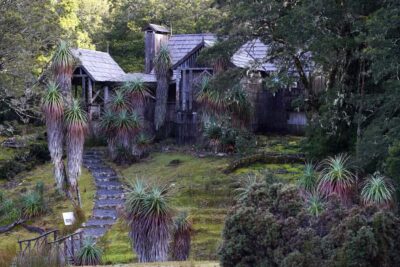
★ 4.6 · 813 reviews - Cradle Mountain: Day Trip from Launceston with Lunch
★ 4.7 · 540 reviews - From Coles Bay: Wineglass Bay Cruise with Lunch
★ 4.8 · 539 reviews - Launceston: 2.5-Hour Afternoon Discovery Cruise
★ 4.7 · 291 reviews
A closer look at Tasmanian Devil behavior
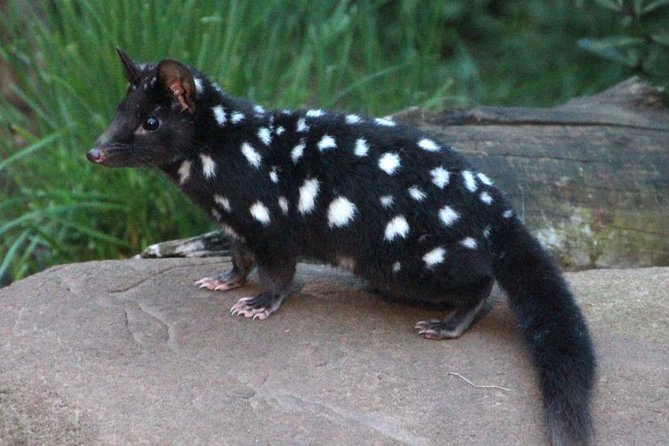
The keeper’s interpretation is the heart of the tour. You learn about devil behavior, biology, threats, and conservation while watching the animals respond to food and to one another.
This can change your view of the species. Tasmanian Devils are often reduced to their aggressive name and loud calls, yet the tour also presents them as shy animals with complex behavior. Seeing both sides makes the animals easier to understand.
The conservation discussion is especially important in Tasmania. The experience focuses on the threats facing Devils and on the work needed to keep their populations alive. You are given a practical reason to care about the species, not just a chance to take photographs.
Photography is welcome, so you can bring a camera or phone. The after-dark lighting may make sharp photographs harder than daytime pictures, and you should keep your attention on the keeper and animals rather than treating the session as a photo shoot. The most valuable moments are often quick: a sudden head turn, a defensive display, or a burst of feeding activity.
Group size and your view of the animals
The maximum group size is 45 people. That is a reasonable capacity for a popular evening program, but it can affect how close you get to the enclosures.
A large group may spread around a viewing area, and people at the edge or back may not see every feeding moment. One past experience specifically found that there were too many people to get close at times. That is the clearest practical weakness of the tour.
Arriving early does not guarantee a front position during the walk, but it helps you settle in and understand the sanctuary before the group forms. Once the tour begins, stay close to the guide without crowding other people. If you are particularly interested in animal behavior or have young children, standing where you can hear clearly may matter more than being directly against the enclosure.
Children must be accompanied by an adult. The activity suits families, but keep in mind that the feeding sounds and displays may surprise younger children. The information is accessible, and the walking is limited, yet this is still a live animal encounter rather than a quiet viewing session.
Cold weather planning at Cradle Mountain
The tour begins in the evening and takes place outdoors, so clothing can make or break your experience. Several people have found winter conditions extremely cold. Bring warm layers, a waterproof outer layer, and shoes suitable for uneven ground.
Do not dress only for the temperature when you leave your accommodation. Cradle Mountain is an alpine area, and the temperature can drop as daylight disappears. The program runs in rain and other weather, so a warm, waterproof setup is a sensible part of the ticket price.
There is no need to arrange special equipment based on the information provided. Just plan for an outdoor walk after dark. If you are comfortable, the weather becomes part of the setting. If you dislike cold or wet conditions, you may find the evening less enjoyable even though the animals remain active.
Is $30.48 good value?
At $30.48 per person, the tour is fairly priced for a guided wildlife program that includes sanctuary admission. You are paying for a keeper-led walk, animal feeding, interpretation, and access to a conservation facility rather than just a viewing platform.
The value improves if you arrive early and explore the sanctuary before the tour. You can use the included entry for more than the scheduled feeding session, then join the keeper once the program starts. A rushed arrival would leave some of that value unused.
The price does not include transport. You need to reach Devils@Cradle yourself, and there is no hotel pickup or drop-off. If you already have a car while visiting Cradle Mountain, free parking keeps the extra cost down. If you are relying on a tour transfer, this experience will not provide it.
For animal lovers, the price is easier to justify because the feeding gives you a focused, guided encounter and the conservation work adds substance. If you only want a quick look at a Tasmanian Devil, the standard sanctuary visit may be enough. The evening tour earns its cost through the keeper’s explanations and the chance to see nocturnal behavior.
Who should book this evening visit?
I would choose this tour if you care about Australian wildlife, enjoy guided interpretation, or want a clear introduction to Tasmanian Devil conservation. It also suits families who want something more active than a standard enclosure visit, provided children are supervised.
It is a good fit for photographers who are happy to put the camera second. The lighting is designed with the animals in mind, not for bright, easy pictures. You will get photographs if conditions allow, but the real reward is seeing behavior that is difficult to observe in daylight.
I would think twice if you dislike cold weather, uneven surfaces, or groups. The tour is outdoors, can run in poor weather, and may include as many as 45 people. You should also avoid booking it if you need hotel transportation, since you must make your own way to the sanctuary.
Service animals are allowed, and most people can participate. The activity ends back at the meeting point, so you do not need to arrange a separate return transfer from the tour itself.
Book it or skip it?
Book the After Dark Tasmanian Devil Feeding Tour if you want more than a quick photograph. The combination of feeding, keeper commentary, quolls, and conservation information gives you a real reason to visit Devils@Cradle at night.
Arrive early, explore the sanctuary before 5:30 pm, and bring serious cold-weather clothing. Accept that the group may be large and that animals do not always position themselves perfectly for every person. With those limits in mind, this is a strong-value wildlife experience at Cradle Mountain, especially for anyone who wants to understand these unusual marsupials rather than simply see them.
You can cancel for a full refund if you do so at least 24 hours before the start time. Changes or cancellations made within 24 hours are not accepted for a refund.
FAQ
Where does the Tasmanian Devil feeding tour start?
The tour starts at Devils@Cradle, 3950 Cradle Mountain Road, Cradle Mountain, Tasmania 7306, Australia.
What time does the tour begin?
The scheduled start time is 5:30 pm.
How long does the experience last?
The tour is advertised as approximately 1 hour and 15 minutes. The main itinerary describes about 1 hour at Devils@Cradle.
Is admission to Devils@Cradle included?
Yes. Admission to the sanctuary is included with the experience.
Is transportation provided?
No. You must make your own way to Devils@Cradle. Hotel pickup and drop-off are not provided, but free onsite parking is available.
Which animals can I see?
The experience covers Tasmanian Devils, spotted-tailed quolls, and Eastern Quolls. Feeding takes place at several enclosures.
Does the tour operate in bad weather?
Yes. The tour operates in all weather conditions, so dress appropriately for a cold outdoor evening.
Can children join the tour?
Yes, but children must be accompanied by an adult. A small amount of walking takes place on some uneven surfaces.
How many people can join the tour?
The activity can have a maximum of 45 people.
Can I take photographs?
Yes. Photography is welcome during the experience.
What is the cancellation policy?
You can receive a full refund by cancelling at least 24 hours before the experience start time. Cancellations or changes made less than 24 hours before the start time are not accepted for a refund.
Just added in Launceston
- Wildlife Night Spotting at Cradle Mountain★ 5.0 · 84 reviews
- Sunset Experience★ 5.0 · 47 reviews
- 1-Hour Tasmanian Devil Feeding Day Tour at Cradle Mountain★ 5.0 · 65 reviews
- Day Keeper Tour★ 5.0 · 67 reviews
- Freycinet Walking Tour★ 5.0 · 100 reviews
- The Freycinet Paddle Kayak Tour★ 4.8 · 57 reviews
- Launceston: Tamar Valley Wine Tour with Lunch★ 4.8 · 219 reviews
- Launceston: 2.5-Hour Afternoon Discovery Cruise★ 4.7 · 291 reviews
Tours in Launceston, compared.


Cradle Mountain: Day Trip from Launceston with Lunch
Read our review →
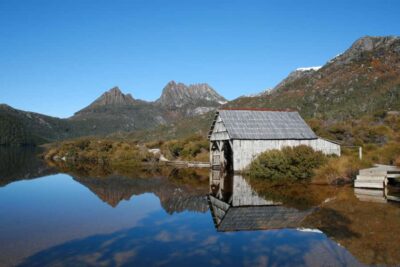

Cradle Mountain: After Dark Tasmanian Devil Feeding Tour
Read our review →Browse the lists this tour appears in