
Reviewed · TOURS IN LAUNCESTON
Wildlife Night Spotting at Cradle Mountain
The best part of this two-hour night tour is seeing Cradle Mountain’s animals when they are actually active. Wombats come out to feed, wallabies move through the scrub, and a lucky group may catch the quick eyes of a quoll or Tasmanian Devil. You travel by coach, then make short walks with hand-held torches.
I like the easy door-to-door pickup, and I like that the guides, including James, Belinda, Rita, and Andie on different outings, add real stories about local wildlife and plants. The small group limit of 15 also helps. The catch is simple: wild animals do not follow a schedule. Rain, cold, and poor visibility can mean fewer sightings.
Key things to know before you book
- Wombats are the main event: Several outings have seen large numbers of wombats feeding near the walking tracks.
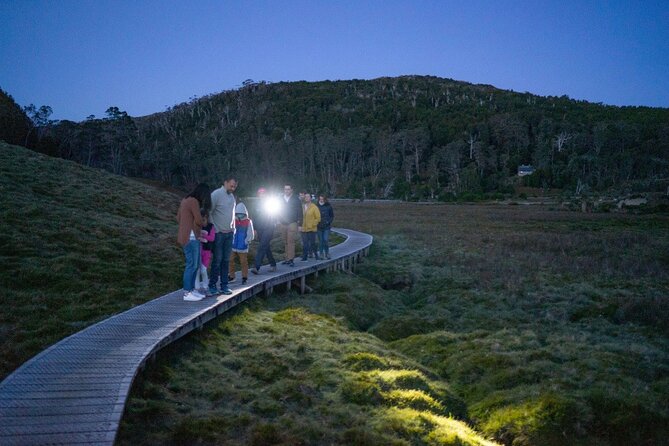
- You get more than a bus ride: The tour includes short walks near Ronny Creek and the Cradle Valley Boardwalk.
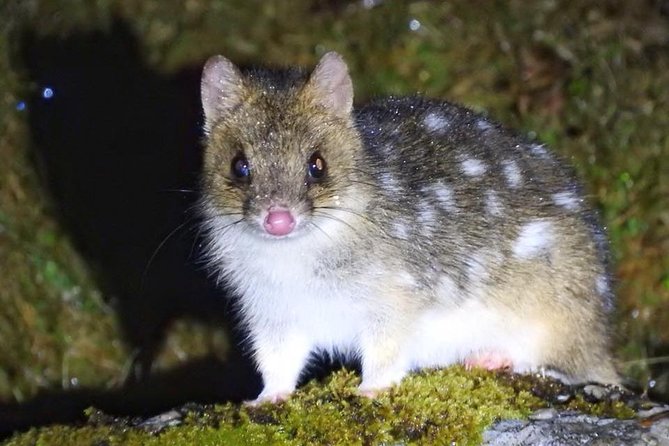
- A quoll is possible, not promised: Quolls have been spotted, but they can vanish quickly into the dark.
- Pickup makes the evening easy: McDermott’s Coaches collects you from your Cradle Mountain accommodation and returns you afterward.
- Weather matters: Bring a waterproof jacket, warm layers, gloves, and a beanie. Torches are supplied.
- The national park pass costs extra: A Parks Tasmania pass is not included in the tour price.
Why Cradle Mountain is worth seeing after dark
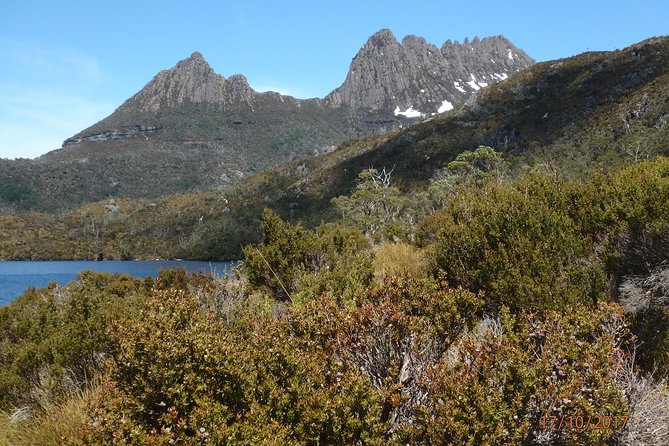
Cradle Mountain-Lake St. Clair National Park feels different once daylight fades. The familiar roads and walking tracks become quieter, and the animals that hide during the day begin moving toward their feeding areas.
This is not a zoo visit or a staged wildlife show. You are looking for animals in their own habitat, often by catching a pair of eyes in the beam of a torch. That uncertainty is part of the fun, but it also means you should not book this expecting a guaranteed Tasmanian Devil encounter.
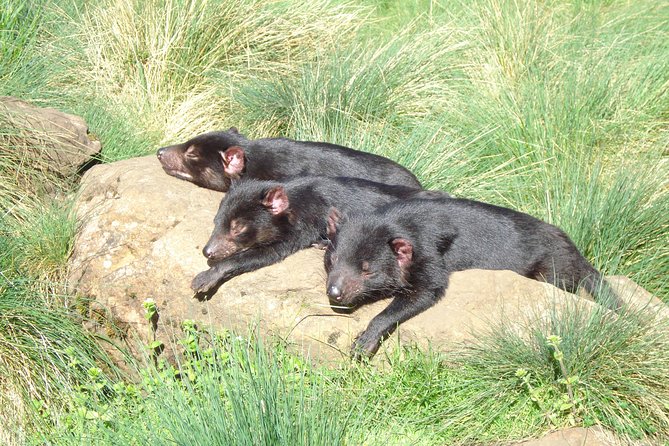
The most dependable sightings appear to be wombats and wallabies. Pademelons and possums are also possible, while quolls and echidnas have been seen on some evenings. One particularly strong outing recorded around 30 wombats, along with wallabies, pademelons, and a quoll. Another group saw a Tasmanian Devil.
Those results are encouraging, but not typical promises. One outing had limited luck finding animals, and rain made torch spotting harder on another. I would treat the tour as a guided search through the park, not a checklist.
A few more things to do in Launceston worth a look
- From Melbourne: Great Ocean Road, 12 Apostles, Wildlife Tour
★ 4.7 · 6,020 reviews - Penguin Parade, & Wildlife Encounters Eco Tour from Melbourne
★ 5.0 · 3,774 reviews - Blue Mountain Small Group Scenic World, Wildlife, Waterfall
★ 4.8 · 3,428 reviews
The 8:30 pm pickup and ride into the park
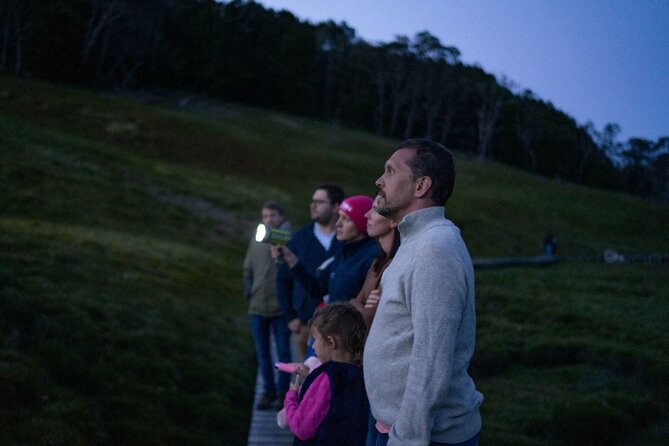
The evening begins at 8:30 pm, with pickup from your Cradle Mountain accommodation. This is a real advantage in a place where driving unfamiliar roads at night is less appealing, especially after a full day outdoors.
The coach ride into the national park also serves as an introduction. Your guide provides commentary on the park, its animals, flora, and ecosystem before the walking begins. The guides are a major part of the experience. James has been praised for his storytelling and clear answers, while Belinda, Rita, and Andie have also led outings with a warm, engaging approach.
The coach is used for more than transport. It gives you a warm place to watch the roadside and forest edges, where shy animals may appear briefly. The vehicle also allows the guide to cover several areas without asking you to walk long distances in the cold.
The group size is capped at 15 people. That is small enough to keep the outing manageable and should make it easier to hear the commentary. If you volunteer to sit at the front with a large torch during the drive back, you may get a better role in spotting animals from the coach. This is one of the more useful little touches of the outing.
Ronny Creek: sunset, dusk, and the first search
The first main stop is Ronny Creek Carpark. The timing gives you a chance to see the last light and dusk scenery before the night becomes fully dark. This change in light is one of the prettiest parts of the trip, even if the animals are slow to appear.
From the carpark, you leave the coach with hand-held torches and walk quietly toward the Mount Kate Hut area. The walk takes about 30 minutes. The pace is slow, and the aim is to avoid making too much noise while looking for animals beginning their evening feed.
This is a short walk, not a demanding hike, but you still need comfortable walking shoes. The ground and weather can be wet, and the tour operator requires wet weather jackets. Waterproof trousers are optional, though they may help in poor weather.
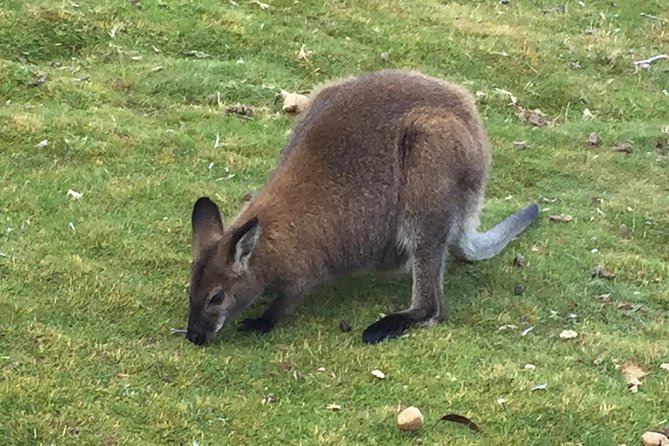
The first stop can produce wallabies, wombats, and other animals moving near the track. A torch beam may reveal a wallaby standing still, a possum in the trees, or the reflective eyes of a more elusive creature. Your guide will also explain what you are seeing, rather than simply pointing and moving on.
Cradle Valley Boardwalk and the Overland Track area
The next walking section lasts about 15 minutes and follows local boardwalks along the Cradle Valley Walk, with the possibility of reaching part of the Overland Track area. This is where wombat sightings often become the highlight.
Wombats are most active around dusk and after dark, and several outings have seen many of them close to the walking route. You may find them feeding or moving slowly across the open ground. They are not fast, dramatic animals, but seeing one at close range in the wild is far more memorable than seeing one behind a fence.
Wallabies and pademelons may also appear here. Quolls have been spotted too, though they are much harder to keep in view. One may cross the path and disappear before everyone in the group has seen it. That is why patience matters, and why the guide’s experience with local viewing areas adds value.
The walk is short, which works well in Cradle Mountain’s cold night air. You get enough time outside to feel part of the park without turning the tour into a long night hike. The drawback is that the walking sections may feel brief if you hoped for a full after-dark trek. One outing was described as feeling too short, even though the overall experience was well received.
Same base, a different sort of day:
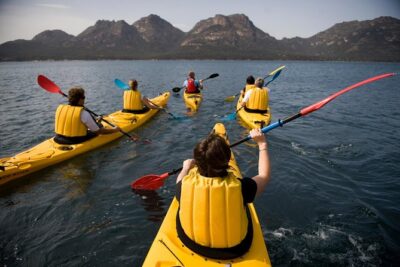
- The Freycinet Paddle
★ 5.0 · 985 reviews - Wineglass Bay Cruise from Coles Bay
★ 4.5 · 982 reviews - Tamar Valley Wine Tour with Lunch
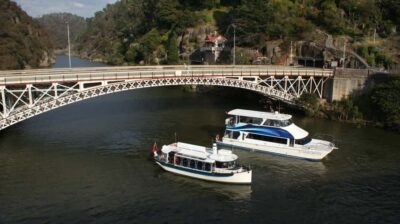
★ 5.0 · 836 reviews - Launceston: 50-Minute Cataract Gorge Cruise
★ 4.6 · 813 reviews
Waldheim Chalet and the return drive
At Waldheim Chalet, the search shifts back to the coach. The guide uses a spotlight along the road and into the forest, looking for animals before the return to your accommodation.
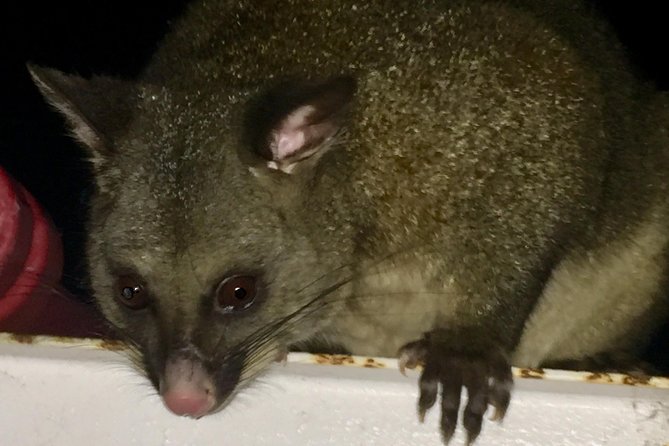
This final section is useful because some animals are more easily spotted from the vehicle. You can cover more ground, stay warmer, and watch the roadside without walking through every dark section. Possums have been seen from the coach, and the ride back can produce extra sightings after the main walk is finished.
The return drive also gives the guide time to explain animal behavior and answer questions. You may hear more about the park’s ecosystem, local species, and the practical challenges of spotting wildlife at night. The tour does not appear to be rushed, though the total duration is about two hours, so the evening remains manageable for children and for anyone facing an early start the next morning.
What wildlife can you realistically expect?
Wombats are the safest reason to book. They appear again and again in the strongest outings, sometimes in impressive numbers. If seeing a wombat in the wild is high on your list, this tour gives you a better chance than simply walking around the park after dark on your own.
Wallabies and pademelons are also common targets. Possums may show up in trees or near the road, while echidnas have been seen on at least one outing. Quolls are a special bonus. They are quick, shy, and easy to miss, so you should be pleased with even a brief sighting.
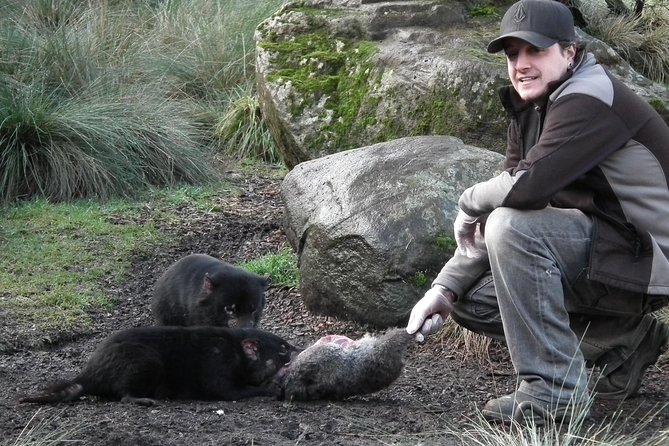
The Tasmanian Devil is the rare prize. It has been spotted, but there is no promise that you will see one. The same applies to every species. The guide can take you to places where animals are often active, but cannot control the weather, light, or animal movement.
I would bring a camera, but do not expect every photograph to work. Night photography is difficult, especially when animals move quickly. Your best memory may be the sight of a wombat in the torchlight rather than a sharp image.
Guide quality makes a real difference
A night wildlife tour rises or falls on its guide. Here, the guide is both driver and wildlife interpreter, and the strongest feedback centers on that combination.
James has been singled out for his storytelling and ability to answer questions. Belinda was praised for making the evening memorable, while Rita brought clear enthusiasm to showing families wombats, possums, quolls, pademelons, and wallabies. Andie helped create a friendly mood within the group.
The exact guide depends on the date, so you should not book expecting a particular person. What matters is the style of the outing: friendly commentary, local wildlife knowledge, and enough patience to stop when something appears.
This is especially useful for families. Children get more from the night when they understand what they are looking at, and the guide can turn a dark roadside sighting into a lesson about animal habits and habitat.
Price, weather, and practical value
The listed price is $89.66 per person. That is not a bargain basement outing, especially since the tour lasts about two hours and the national park pass is extra. Food and drinks are also not included.
Still, the price covers hotel pickup and drop-off, transport inside the park, a professional guide, commentary, and torches. You also avoid driving at night and trying to locate wildlife without knowing where to look. For a short evening activity in a remote national park, those conveniences add real value.
The weather is the main factor that can affect your value for money. Cradle Mountain can be cold and wet, and rain makes it harder to see animals with torches. The tour operates in those conditions, so arrive prepared rather than hoping the operator supplies warm gear.
Bring:
- A waterproof jacket, which is required
- Warm layers, including a fleece or jumper
- A beanie and gloves
- Comfortable walking shoes
- Optional waterproof trousers
- A camera, with modest expectations for night images
The tour does not provide jackets, hats, scarves, or gloves. Children under four can join at no charge, and service animals are allowed. Most people can take part, but the experience still involves outdoor walking in cold conditions.
Who should book this night tour?
I would recommend it to families, first-time visitors to Cradle Mountain, and anyone who wants to see native animals without planning a night walk alone. The pickup is especially helpful if you are staying locally and want a simple evening activity.
It also suits visitors who value explanation as much as sightings. The commentary covers animals, plants, and the park’s ecosystem, so you are not just riding around with a torch.
You may want to skip it if you dislike cold weather, short walks in the rain, or uncertain results. It is also not ideal if you want a long wilderness hike. The walking sections are short, and much of the searching happens from the coach.
The tour does not operate on Christmas Day. Free cancellation is available if you cancel at least 24 hours before the start time. Changes or cancellations inside that window are not accepted.
Should you book Wildlife Night Spotting at Cradle Mountain?
Book it if you want a well-organized chance to see wombats, wallabies, possums, and perhaps something rarer in the wild. The door-to-door service, small group size, torches, and experienced guides make the evening easy to manage.
Go in with realistic expectations. Wombats are the strongest possibility, while quolls, echidnas, and Tasmanian Devils are luckier sightings. Dress for cold, bring a waterproof jacket, and think of the tour as a guided search rather than a guaranteed animal show. For most visitors spending a few days at Cradle Mountain, it is a worthwhile way to see the park from a quieter, more mysterious side.
FAQ
What time does the tour start?
The tour starts at 8:30 pm.
How long does Wildlife Night Spotting at Cradle Mountain last?
The experience lasts approximately two hours.
Is hotel pickup included?
Yes. Complimentary pickup and drop-off are provided from your Cradle Mountain accommodation.
What animals might I see?
Possible sightings include wombats, wallabies, possums, pademelons, quolls, echidnas, and Tasmanian Devils. Sightings depend on the animals and the weather.
Are walking sections included?
Yes. You walk near the Mount Kate Hut area from Ronny Creek and along local boardwalks in the Cradle Valley area. The walking sections are short.
Are torches provided?
Yes. Hand-held torches and spotlights are provided for the wildlife search.
Is the national park entry pass included?
No. The national park pass for visitors using Parks Tasmania is not included.
What should I wear?
Bring warm clothing, a fleece jacket, beanie, gloves, and comfortable walking shoes. A wet weather jacket is required. Wet weather trousers are optional.
Can young children join the tour?
Yes. Children under four can join at no charge, and the experience is described as suitable for most participants.
Just added in Launceston
- Sunset Experience★ 5.0 · 47 reviews
- 1-Hour Tasmanian Devil Feeding Day Tour at Cradle Mountain★ 5.0 · 65 reviews
- After Dark Tasmanian Devil Feeding Tour at Cradle Mountain★ 5.0 · 243 reviews
- Day Keeper Tour★ 5.0 · 67 reviews
- Freycinet Walking Tour★ 5.0 · 100 reviews
- The Freycinet Paddle Kayak Tour★ 4.8 · 57 reviews
- Launceston: Tamar Valley Wine Tour with Lunch★ 4.8 · 219 reviews
- Launceston: 2.5-Hour Afternoon Discovery Cruise★ 4.7 · 291 reviews
Tours in Launceston, compared.

Cradle Mountain: Day Trip from Launceston with Lunch
Read our review →
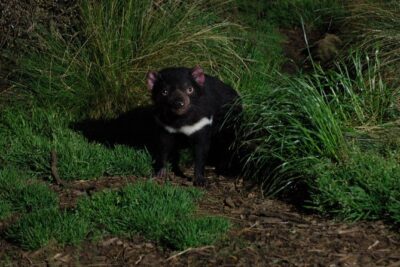
After Dark Tasmanian Devil Feeding Tour at Cradle Mountain
Read our review →
Browse the lists this tour appears in