
Reviewed · TOURS IN LAUNCESTON
Cradle Mountain: After Dark Tasmanian Devil Feeding Tour
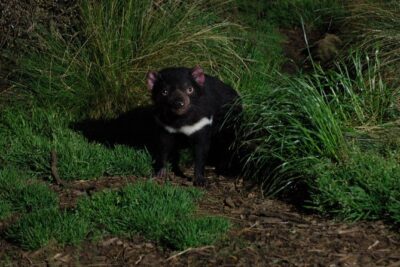
Tasmanian devils are at their most active after dark, and this 90-minute tour lets you see their noisy, muscular feeding behavior at close range. I like the mix of close animal viewing and serious conservation work, plus the chance to see spotted-tail and eastern quolls, not only devils.
I also like that your ticket includes time to explore Devils@Cradle before the keeper-led walk. The drawback is simple: Cradle Mountain gets very cold after sunset, and rain, wind, or snow can make the outdoor portions uncomfortable if you arrive in light clothing.
Key points to know before you book
- Watch Tasmanian devils feed in a group: The evening timing brings out their active, rough-edged behavior.
- Meet three threatened carnivorous marsupials: The sanctuary cares for Tasmanian devils, spotted-tail quolls, and eastern quolls.
- Use the included entry well: Arrive early enough to explore the sanctuary at your own pace before the feeding tour.
- Expect a passionate keeper: Guides including Prue, Renee, and Kay have been praised for clear, funny, and engaging talks.
- Dress for mountain weather: Wind and drizzle can cut through warm-looking clothes once the sun is gone.
- A strong value at $26: Entry, the 90-minute guided tour, and onsite parking are included.
Why the after-dark timing matters
The main reason to choose this experience over a daytime wildlife visit is the hour. Tasmanian devils are nocturnal, so the evening feeding gives you a better chance to see their natural energy and social behavior.
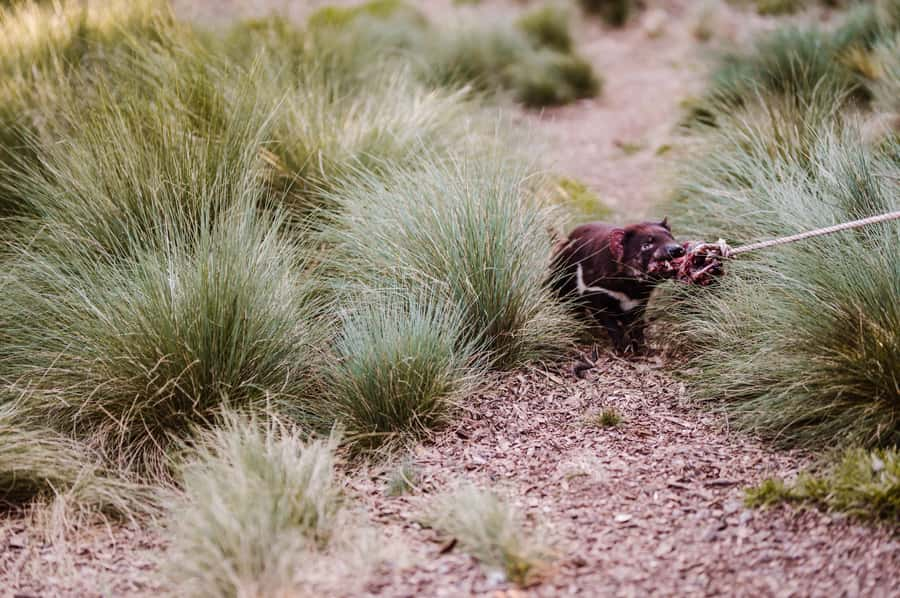
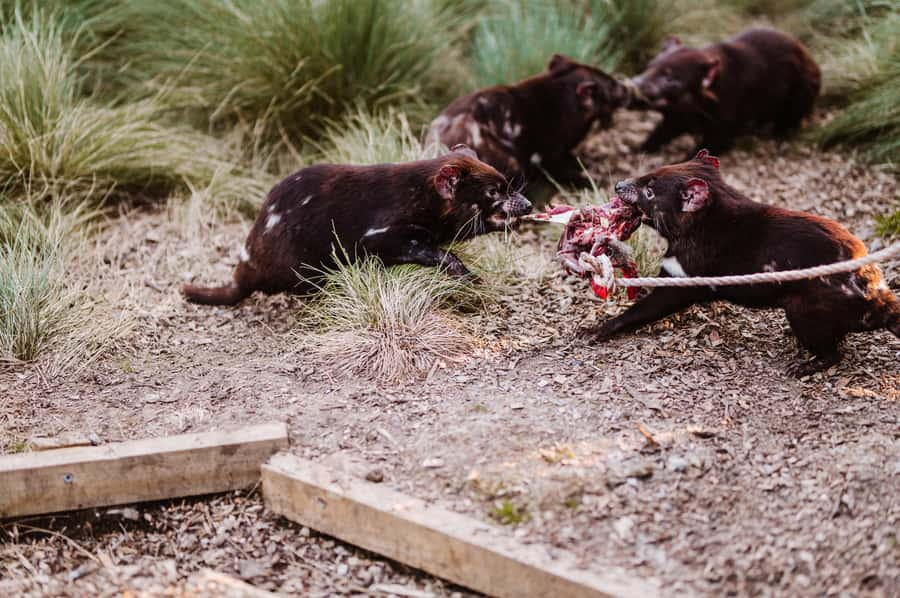
This is not a quiet animal presentation where a keeper simply points out an enclosure. The guide feeds several animals and explains what you are seeing as the devils gather and compete for food. Their feeding can look fierce, noisy, and surprisingly physical. That is part of the appeal, but it also helps you understand that these small marsupials are serious carnivores.
The tour begins with a short introduction on the main wildlife viewing deck. From there, you walk with the keeper through the sanctuary. The larger part of the experience takes place outside, at several enclosures, where the guide enters to feed the animals and continues the talk.
I would choose this tour if you want more than a quick photograph. The feeding creates a natural focus for a conversation about behavior, biology, threats, and conservation. You see the animals doing something meaningful, not simply waiting for attention.
Other trips people book in Launceston:
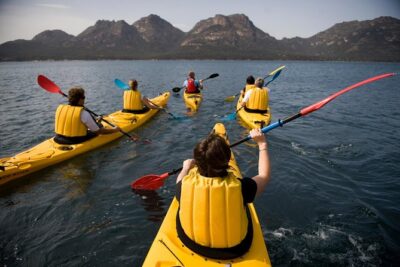
- The Freycinet Paddle
★ 5.0 · 985 reviews - Wineglass Bay Cruise from Coles Bay
★ 4.5 · 982 reviews - Tamar Valley Wine Tour with Lunch
★ 5.0 · 836 reviews
Start with a self-guided visit at Devils@Cradle
Your ticket includes entry to Devils@Cradle Wildlife Sanctuary, located at the entrance to Cradle Mountain National Park. Go to the entry gate, park onsite for free, and use the time before the evening tour to look around independently.
The self-guided portion matters because the feeding tour moves at a set pace. Before it begins, you can take your time at the sanctuary and get familiar with the animals and viewing areas. One useful approach is to arrive around 30 to 45 minutes early, giving yourself room to explore without rushing. The exact tour start time varies, so check the available time when booking.
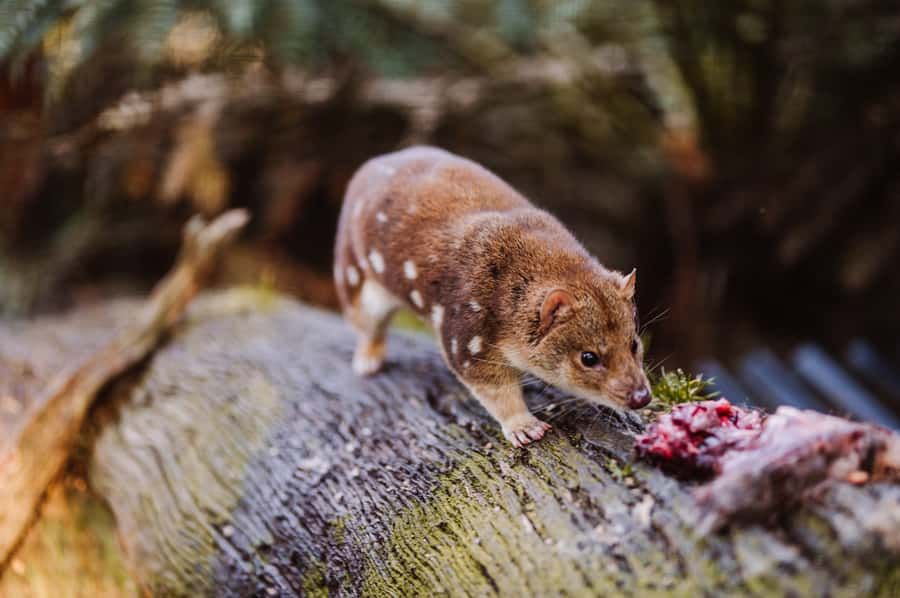
The sanctuary focuses mainly on Tasmanian devils, but it also cares for the spotted-tail quoll and eastern quoll. These are Tasmania’s three largest carnivorous marsupials, and each faces threats in the wild. Seeing them together gives the visit more depth than a single-species stop.
You may also see wombats during your time at the sanctuary. A wombat named Pancake received special attention from one family group, and the sanctuary’s wider collection helps make the pre-tour visit worthwhile for children.
The opening talk sets up the animals
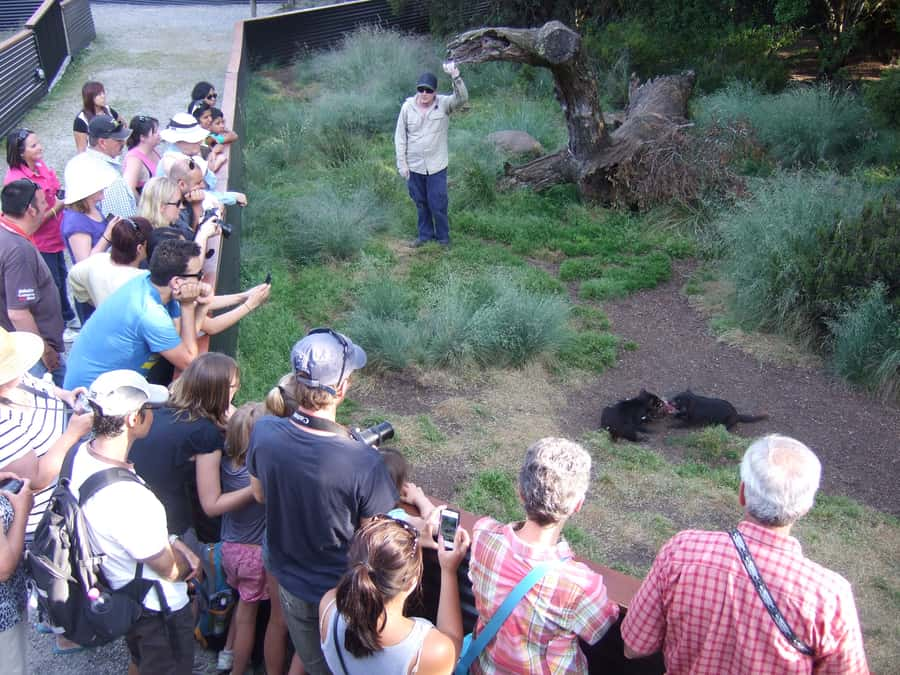
The keeper gathers the group on the main viewing deck for an introduction to the three species. This is where you learn what to watch for before heading outside.
The best guides make this part feel conversational rather than formal. Prue has been singled out for her passion and ability to answer questions, while Renee was remembered for her close connection with the animals. Kay was praised for delivering one of the most polished and well-informed presentations people had encountered on a wildlife visit.
Guide assignments can change, so you should not book expecting a particular person. What you can reasonably expect is an English-speaking sanctuary guide with direct experience caring for the animals. The strongest part of the tour is not a memorized list of facts. It is the keeper explaining individual behavior as it happens in front of you.
Stay close to the guide if you want to catch every explanation. The group moves between enclosures, and it is possible to hear less clearly if you hang back. There are repeated chances to watch the animals feed, so you do not need to panic if you miss one moment.
Watching devils feed is the main event
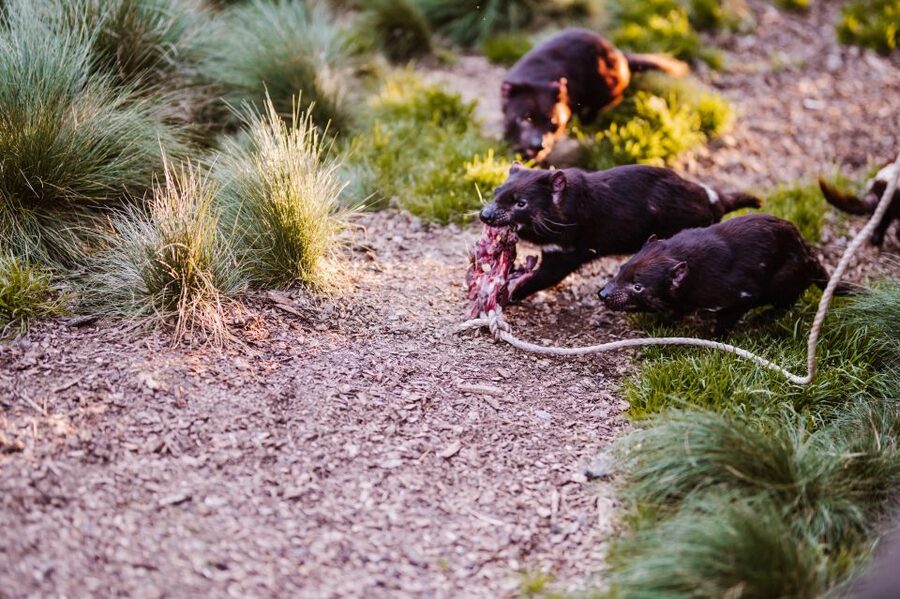
The feeding session is the tour’s vivid center. The devils become active as meal time approaches, and you can watch them feed at close range from within the sanctuary’s viewing areas.
Expect behavior that is more ferocious than cute. The animals may be small, but feeding time shows their strength, appetite, and competitive nature. One visitor described the experience as much more than watching devils destroy a wallaby leg, because the keeper explains the reasons behind the behavior and connects it to conservation.
That context makes a difference. Without it, the feeding could look like a short spectacle. With it, you begin to understand how the devils communicate, interact, and use their bodies as carnivores. The environmentally sensitive lighting is designed for nighttime viewing, while still allowing you to see the animals clearly.
The close viewing is a major strength, especially if you have never seen a Tasmanian devil before. A few people on Tasmania trips see no wild devils at all, so this sanctuary visit may be your only chance to observe the species during your stay.
You should keep expectations sensible. The animals are not being presented as trained performers, and the tour is built around their feeding routine. That makes the behavior feel more genuine, but it also means the experience depends on what the animals do at that moment.
Same base, a different sort of day:
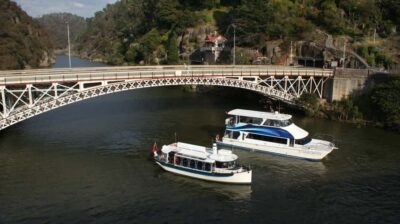
- Launceston: 50-Minute Cataract Gorge Cruise
★ 4.6 · 813 reviews - Cradle Mountain: Day Trip from Launceston with Lunch
★ 4.7 · 540 reviews - From Coles Bay: Wineglass Bay Cruise with Lunch
★ 4.8 · 539 reviews - Launceston: 2.5-Hour Afternoon Discovery Cruise
★ 4.7 · 291 reviews
Quolls add a welcome second act
The guide does not focus only on devils. The walk includes feeding and commentary at enclosures for spotted-tail quolls and eastern quolls, giving you a look at two less familiar marsupial predators.
The spotted-tail quoll is the larger of the two quolls and is a particularly useful comparison with the devil. The eastern quoll gives you another example of Tasmania’s threatened carnivorous wildlife. You may know the Tasmanian devil by name, but this tour shows that conservation concerns extend across several related species.
The quoll feeding also keeps the evening from becoming repetitive. You move between different enclosures, see different animals, and hear how their behavior and biology compare. Several people found that the quolls were an unexpected highlight.
The tour’s conservation message is practical rather than abstract. You hear about the threats facing these species and the sanctuary’s breeding and care efforts. The price also supports the work of Devils@Cradle, which gives the visit an added sense of purpose without turning it into a donation appeal.
The guides make or break the evening
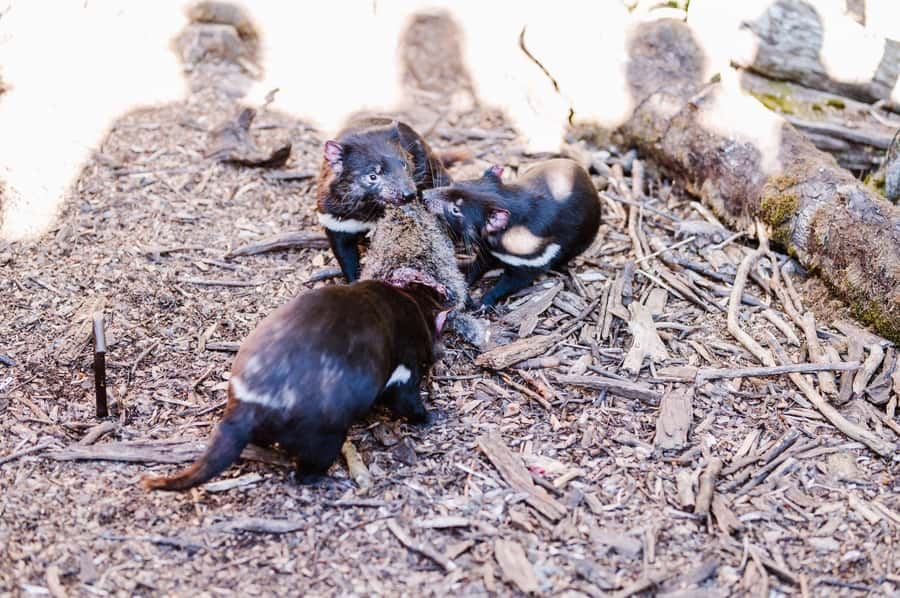
The animal access is important, but the guide is what turns the feeding into a proper tour. The best presentations combine facts with humor and allow time for questions.
Prue has been praised for explaining the animals, their environment, and wider concerns for Australian wildlife. Renee’s enthusiasm was clear in the way one devil reportedly tried to climb into her lap. Kay’s presentation was described as both professional and highly informative. These details suggest a staff culture built around genuine care, not just routine narration.
I would especially recommend this tour to families with older children who can listen while walking outdoors. An eight-year-old called the experience awesome after attending with a grandparent, and several families found it both educational and fun.
Adults who already know something about Tasmanian devils should still get value from the session. The keeper can answer questions, and the live feeding gives you details that are hard to pick up from a display panel. You are not just learning what a devil is. You are watching how it behaves when food arrives.
Prepare for cold, rain, and an outdoor walk
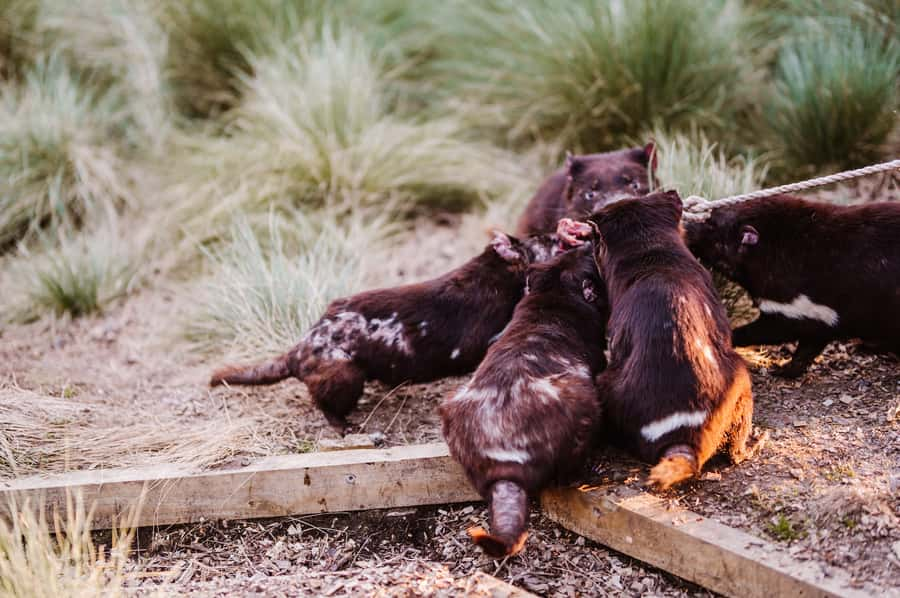
The biggest practical issue is weather. Cradle Mountain can feel cold after sunset, and the tour takes place outdoors within the sanctuary. Even in warmer months, the temperature drops once daylight fades.
Bring a genuinely warm outer layer, not only a light jumper. Add waterproof protection if rain is possible. Wind was strong enough for one person to leave early, while others completed the tour in drizzle, rain, or even a light sprinkling of snow. The guides continued explaining the animals in poor weather, but your comfort is still your responsibility.
This is the one clear weakness in the experience. Two people rated it four stars because the cold and rain affected the pace or forced them to shorten the visit. If you dislike standing outside in wet weather, a night feeding tour may not be your ideal Cradle Mountain activity.
On the other hand, the weather can give the visit a memorable mountain feel. Snow, rain, and darkness add atmosphere, but only if you have dressed for them. Warm clothes also help you concentrate on the guide instead of thinking about your fingers.
Is $26 good value?
At $26 per person, this is a strong-value wildlife experience. The price includes sanctuary entry, the 90-minute feeding tour, an English-speaking guide, and free onsite parking.
You are effectively getting two visits in one: independent time at Devils@Cradle and a guided after-dark session. That makes the price particularly reasonable if you are already staying near Cradle Mountain and want an evening activity without arranging transport.
There is no hotel pickup or drop-off, and food and drinks are not included. You need to make your own way to Devils@Cradle and go to the entry gate. This is easiest if you have a car or are already based nearby.
The value is not only in the number of minutes. A short animal encounter can feel thin if it offers little explanation. Here, the keeper covers biology, behavior, threats, and conservation while feeding several species. That combination gives the ticket substance.
The booking terms are also fairly flexible. You can cancel up to 24 hours before the activity for a full refund, and a reserve-now, pay-later option is available. The tour is wheelchair accessible, though the outdoor setting and weather are still worth considering when planning your visit.
Who should book this Cradle Mountain activity?
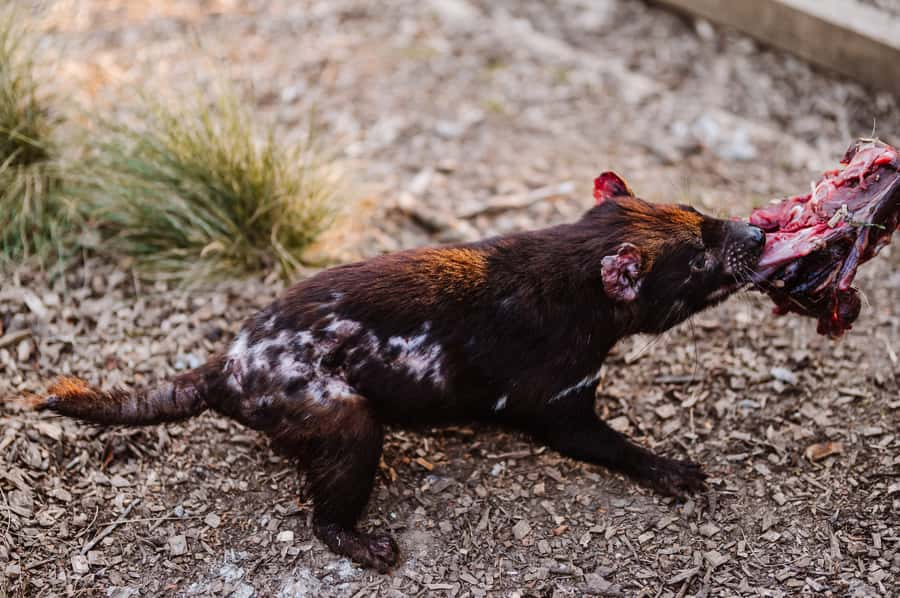
I would book it if you are spending a night near Cradle Mountain and want a focused wildlife experience after walking or sightseeing during the day. It is especially good for first-time visitors to Tasmania who want a close look at animals they may not see in the wild.
Families should find plenty to hold their attention, thanks to the active feeding and the variety of devils, quolls, and possibly wombats. Children who are fascinated by animals will get more from this than from a passive viewing stop, though very young children may find the darkness, cold, or feeding behavior challenging.
It also suits visitors interested in conservation. The breeding program and the wider problems facing Tasmania’s carnivorous marsupials are central to the talk. You leave with a clearer idea of why sanctuaries such as Devils@Cradle matter.
I would think twice if you plan to arrive in light clothes, dislike evening cold, or want a fast, purely visual attraction. The pace is relaxed, and one person found it a little slow. That slower rhythm is useful for questions and explanation, but it will not suit someone looking for a quick photo stop.
Should you book the Tasmanian Devil Feeding Tour?
Yes, if you are near Cradle Mountain and can handle an outdoor evening in changeable weather. The combination of close feeding views, three carnivorous marsupial species, strong keeper commentary, and included sanctuary entry makes $26 a sensible spend.
Book it as an educational wildlife visit, not a guaranteed photo performance. Arrive early enough to explore Devils@Cradle, stay near the guide, and bring serious cold and wet-weather clothing. If you do that, this is one of the most worthwhile ways to meet Tasmania’s famous devil while also learning about the less familiar quolls and the conservation work protecting them.
FAQ
Where does the Tasmanian Devil Feeding Tour begin?
The meeting point is Devils@Cradle Wildlife Sanctuary. Go to the entry gate.
How long does the experience last?
The guided after-dark feeding tour lasts 90 minutes. You can also visit the sanctuary on your own before the tour begins.
What animals can I see?
The sanctuary manages Tasmanian devils, spotted-tail quolls, and eastern quolls. Wombats may also be seen during a visit to the sanctuary.
Is sanctuary entry included?
Yes. Your ticket includes entry to Devils@Cradle Wildlife Sanctuary as well as the guided feeding tour.
Is transport included?
No. Hotel pickup and drop-off are not included. Free onsite parking is available.
What language is the tour offered in?
The live tour guide speaks English.
Can I cancel the booking?
Yes. You can cancel up to 24 hours in advance for a full refund. A reserve-now, pay-later option is also available.
Just added in Launceston
- Wildlife Night Spotting at Cradle Mountain★ 5.0 · 84 reviews
- Sunset Experience★ 5.0 · 47 reviews
- 1-Hour Tasmanian Devil Feeding Day Tour at Cradle Mountain★ 5.0 · 65 reviews
- After Dark Tasmanian Devil Feeding Tour at Cradle Mountain★ 5.0 · 243 reviews
- Day Keeper Tour★ 5.0 · 67 reviews
- Freycinet Walking Tour★ 5.0 · 100 reviews
- The Freycinet Paddle Kayak Tour★ 4.8 · 57 reviews
- Launceston: Tamar Valley Wine Tour with Lunch★ 4.8 · 219 reviews
Tours in Launceston, compared.


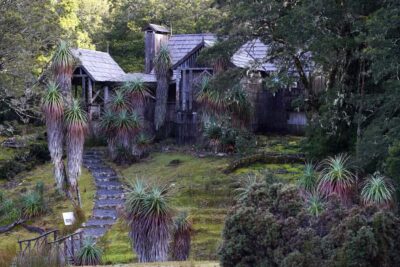
Cradle Mountain: Day Trip from Launceston with Lunch
Read our review →
After Dark Tasmanian Devil Feeding Tour at Cradle Mountain
Read our review →
Browse the lists this tour appears in