
Reviewed · WILDLIFE SANCTUARIES & ZOOS
Devils at Cradle: Day Keeper Tour and Entry to Wildlife Park
The best part of Devils@Cradle is hearing a keeper explain the animals while you watch them at close range. Tasmanian devils, spotted-tailed quolls, and eastern quolls all live here, giving you a rare look at Tasmania’s three largest carnivorous marsupials in one small sanctuary. I like the clear conservation purpose, and I like that the $17 price includes both the keeper tour and time to explore on your own.
The main catch is timing. Devils are often sleepy during the day, so you may see animals resting in dens rather than charging around. The paths also include steps, woodchips, gravel, platforms, and uneven ground, so the sanctuary is not effortless for every visitor. Warm clothing matters, even when the morning looked mild elsewhere.
Key points to know before you go
- A 45-minute keeper tour: Follow a professional keeper through the sanctuary and learn how the facility cares for threatened Tasmanian wildlife.
- Three rare carnivorous marsupials: See Tasmanian devils, spotted-tailed quolls, and eastern quolls in one visit.
- General admission included: Stay after the tour and walk through the wildlife park at your own pace.
- Daytime animal behavior: Expect sleeping, sunbaking, play fighting, and food-finding, with the chance of seeing active devils too.
- Useful Cradle Mountain stop: Devils@Cradle sits at the entrance to Cradle Mountain National Park and has free parking.
- Good value at $17: The price covers entry, the guided talk, and independent viewing time.
Why this small sanctuary matters
Devils@Cradle is not simply a place to tick off a native animal. It is a conservation facility focused on species that face real pressure in the wild.
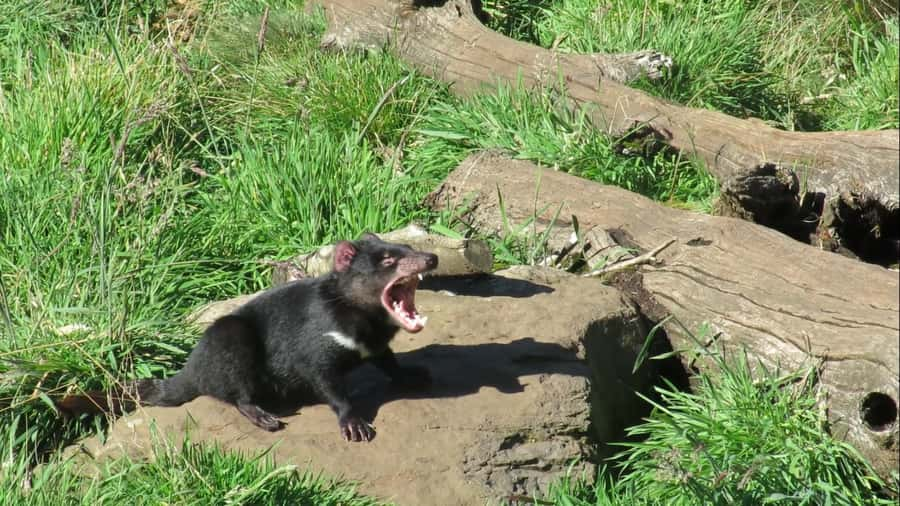
Tasmanian devils are threatened by devil facial tumor disease, a fatal illness that has had a major effect on wild populations. The sanctuary helps explain the problem without turning your visit into a lecture. You learn why breeding programs, careful animal management, and public support matter.
The two quolls add useful context. Spotted-tailed quolls and eastern quolls are closely related to devils, but they have their own habits and conservation needs. Seeing all three in one place helps you understand that Tasmania’s carnivorous marsupials are not just variations on one animal.
I appreciate the way the experience connects the animals in front of you with the wider work behind the scenes. Your entry fee supports that work, and the keeper tour gives you a better sense of what a sanctuary actually does.
More places to meet the animals near Australia:
- All Inclusive Blue Mountain,Scenic World,Lunch,Koalas,ferry
★ 5.0 · 7,832 reviews - Blue Mountains Small-Group Tour from Sydney with Scenic World,Sydney Zoo & Ferry
★ 5.0 · 3,709 reviews - Blue Mountains Adventure: Scenic World, Zoo & Koala Photo
★ 4.7 · 2,062 reviews
What happens during the 45-minute keeper tour
The guided part begins inside the wildlife park, where you follow a keeper through the sanctuary. The pace is easy enough to let you watch the animals, but the real purpose is interpretation. Your guide explains the species, their behavior, and the conservation programs designed to protect them.
Guides such as Pru and Sarah have led sessions here, and the strongest part of the experience is the staff’s clear passion for the animals. You are not just handed a map and pointed toward an enclosure. The keeper explains what you are looking at and why it matters.
The tour also gives you a chance to hear the famous devil calls. The screams can sound startling in the quiet Tasmanian bush, especially if you are not expecting them. That sound is part of what makes the visit memorable, but the guide helps put it into context rather than leaving it as a simple shock effect.
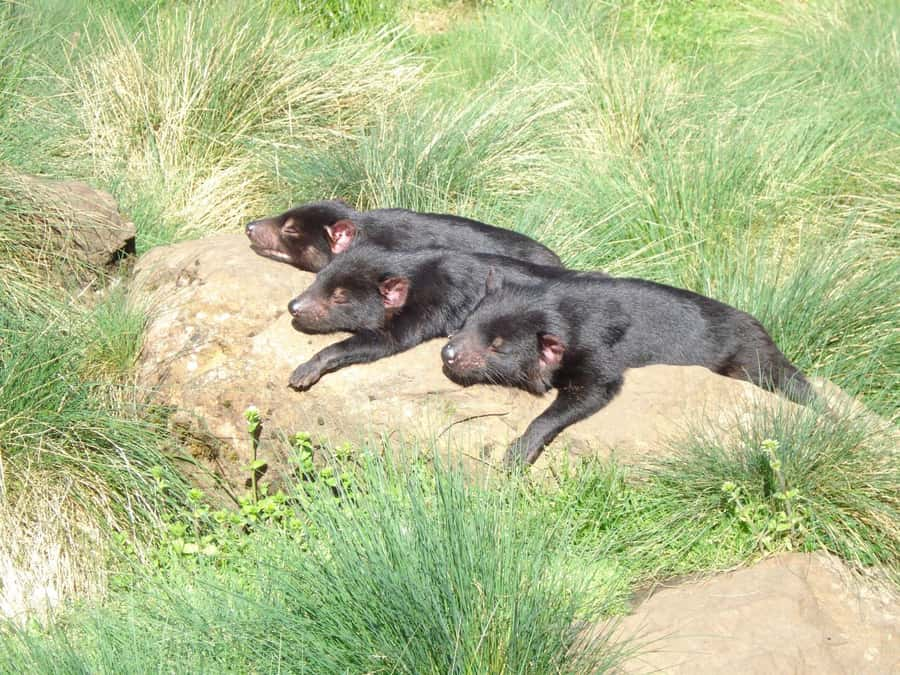
You may see devils sleeping in their dens, warming themselves in the sun, playing roughly, or searching for food. Daytime behavior can be quiet. That is not a flaw in the sanctuary. It is a reminder that the animals are being observed on their own schedule, not presented like actors waiting for a cue.
At other times, the animals are active. Some sessions have included healthy, lively devils and young pups, and the open viewing areas can provide very good sightlines. The exact animal activity will always depend on the time of day, weather, season, and the individual animals.
The devils: more than a cartoon character
Tasmanian devils are easy to recognize, but many people arrive with only a vague idea of what they are. The keeper talk helps replace the cartoon image with a more useful picture of a powerful, important marsupial.
You can expect information about their behavior, diet, sounds, and place in Tasmania’s natural system. The animals may look small from a distance, but their stocky bodies and intense feeding habits make it clear why they are Tasmania’s largest surviving carnivorous marsupial.
The sanctuary setting is useful here. You can watch the animals at ground level and see how they use dens and outdoor areas. The enclosures are arranged for viewing, and several parts of the park offer a close look without forcing you to crowd around one narrow point.
The best approach is patience. Give yourself time to notice how an animal moves, rests, or reacts to another devil. A sleeping devil can be less dramatic than a noisy one, but the keeper’s explanation often makes that quiet moment more interesting.
Meeting the spotted-tailed and eastern quolls
The quolls deserve more attention than they often get. They are closely related to the devil, yet they have different appearances and behavior.
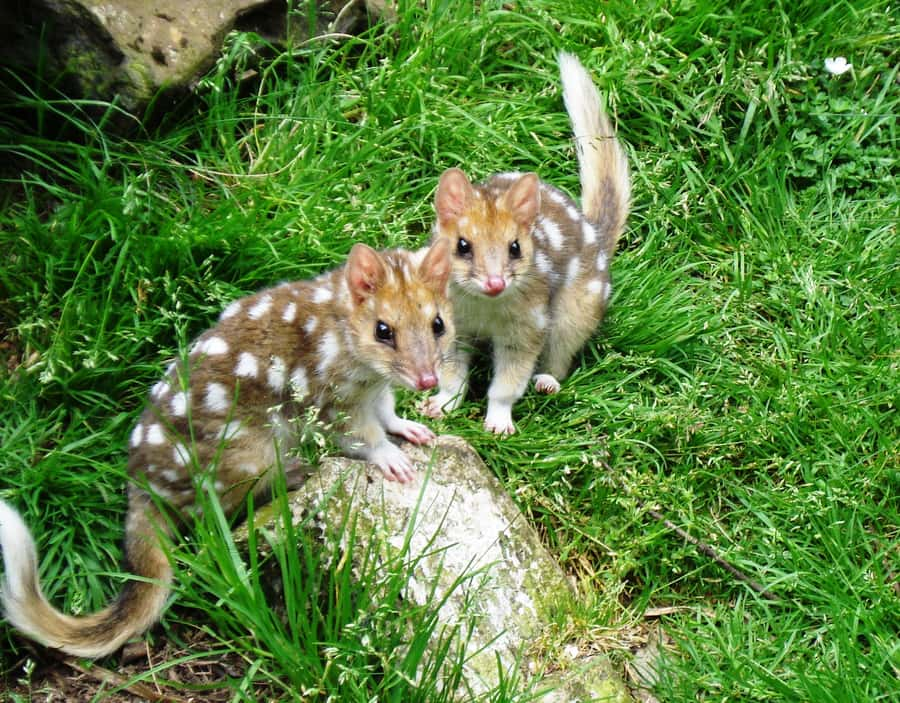
Spotted-tailed quolls are the larger of the two quoll species featured here. Their markings make them easy to identify, but you may need the guide’s help to understand what makes them different from a devil or an eastern quoll.
Eastern quolls are smaller and can be easy to miss if you are moving quickly. This is one reason the keeper tour adds value. A guide can point out details you might otherwise walk past, explain what the animals are doing, and connect them to Tasmania’s wider conservation story.
For children, the quolls add variety to the visit. For adults, they make the sanctuary feel less like a single-animal attraction and more like a focused conservation center for a whole group of related species.
A few more things to do in Australia worth a look
- From Melbourne: Great Ocean Road, 12 Apostles, Wildlife Tour
★ 4.7 · 6,020 reviews - Penguin Parade, & Wildlife Encounters Eco Tour from Melbourne
★ 5.0 · 3,774 reviews - Blue Mountain Small Group Scenic World, Wildlife, Waterfall
★ 4.8 · 3,428 reviews - Melbourne Great Ocean Rd Reverse Tour London Bridge Wildlife
★ 4.7 · 2,252 reviews
Exploring the sanctuary after the guided talk
Your ticket includes general entry, so the 45-minute tour is not the end of the visit. Afterward, you can walk through the sanctuary at your own pace and return to animals you want to watch again.
That extra time matters. A keeper’s route gives you structure, but independent viewing lets you slow down. You can revisit the main viewing areas, look for animals that were resting during the talk, and spend more time with a favorite species.
Allowing an hour or two in total is sensible if you want to make full use of the entry. The guided section itself lasts 45 minutes, but the sanctuary is not designed as a quick photo stop. You will get more from it if you leave room for unhurried viewing.
The gift shop is another small part of the visit, and it provides a place to browse after the sanctuary. It is not the reason to come, but it can round out the stop, especially if you want a physical reminder of the conservation work.
Why the $17 price is good value
At $17 per person, the experience is inexpensive for a guided wildlife visit near Cradle Mountain. You receive general sanctuary admission, the keeper tour, and free parking.
The value is strongest if you use the ticket as a two-part visit. First, take the guided walk and listen closely. Then stay on your own long enough to see the animals at a different pace.
A short wildlife encounter with no explanation can feel thin. Here, the guide adds context, while the general entry gives you time to look around afterward. That combination makes the price easier to justify than a simple admission-only ticket.
It is also a practical choice if you are already visiting Cradle Mountain National Park. Devils@Cradle is at the park entrance, so it can fit neatly into a day in the area. Do not confuse proximity with a short drive from every Tasmanian city, though. The sanctuary is about two hours from Launceston, so you need to plan the wider day carefully.
Picking the right time and season
The sanctuary is open from 9:30 AM to 5:00 PM. You should check the available tour time before booking, since the guided session has set starting times.
Morning sessions can work well if you are building a full day around Cradle Mountain, but daytime viewing has a tradeoff. Devils are naturally active at night, so some animals may be sleeping or sheltering during the day.
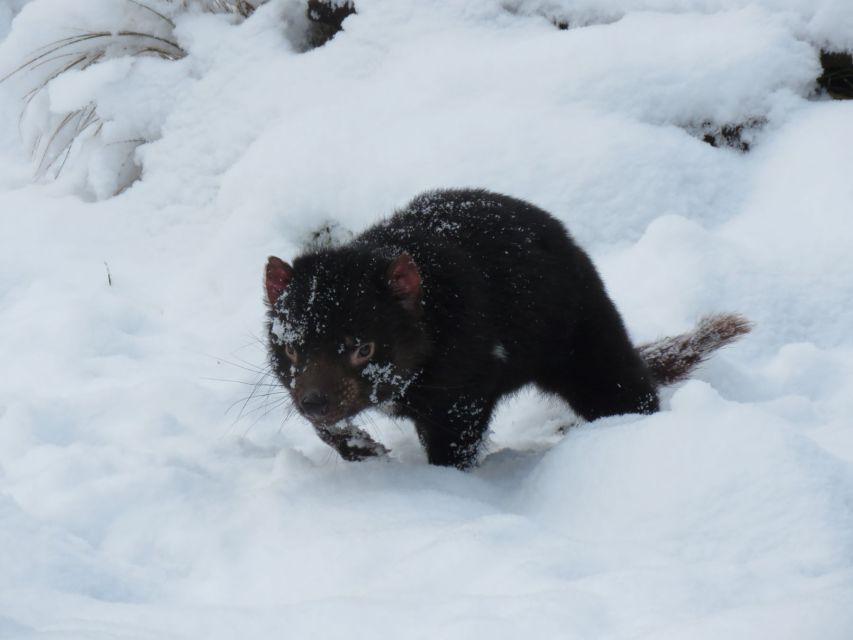
Winter may offer a different feel. The colder months can make the sanctuary more atmospheric, and animals may be more active at certain times, but you should not book on the promise of a particular behavior. Wildlife remains unpredictable.
The practical rule is simple: dress for Cradle Mountain conditions, not just the weather at your accommodation. Bring warm clothing. The tour runs in rain or shine, and the outdoor paths can feel cold and exposed.
Walking conditions and wheelchair access
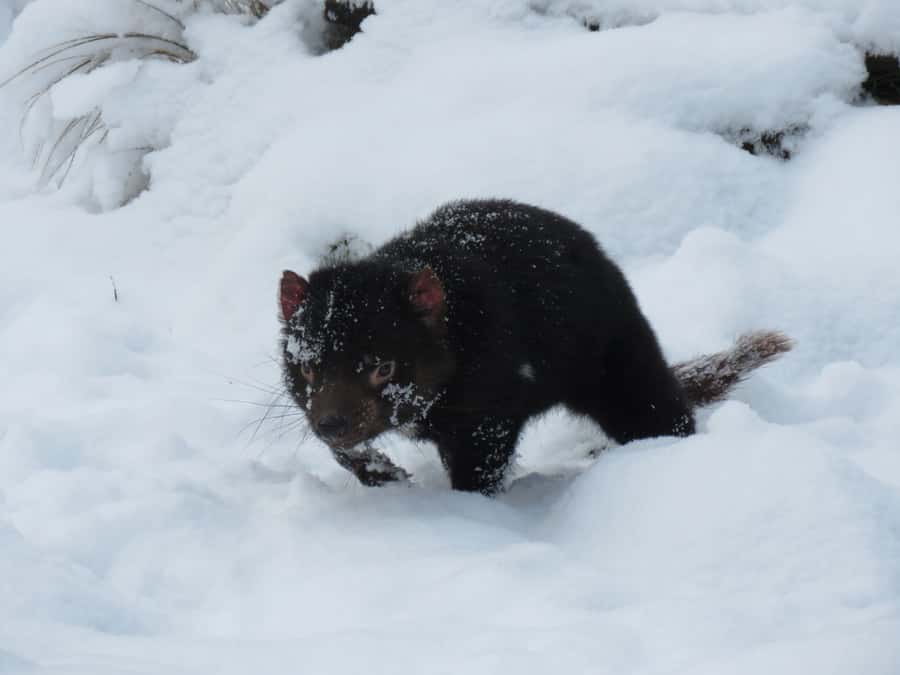
The sanctuary includes natural woodchip paths, compacted gravel, platforms, steps, and uneven ground. Wear shoes that are comfortable on mixed surfaces, and allow extra time if you need to move carefully.
Wheelchair access is available from reception to the main viewing deck. A side gate can also provide direct access to the sanctuary grounds. Not every part of the park is accessible by wheelchair, but staff can accommodate many requests if you organize this in advance.
That makes the visit possible for more people, but it is important to set realistic expectations. This is not a fully flat, paved attraction. Contacting the sanctuary before you arrive is the sensible choice if you have specific mobility needs.
Unaccompanied minors are not allowed. Children need to attend with an adult, and the keeper-led format works best when everyone can listen and stay with the group.
Who will enjoy Devils@Cradle most
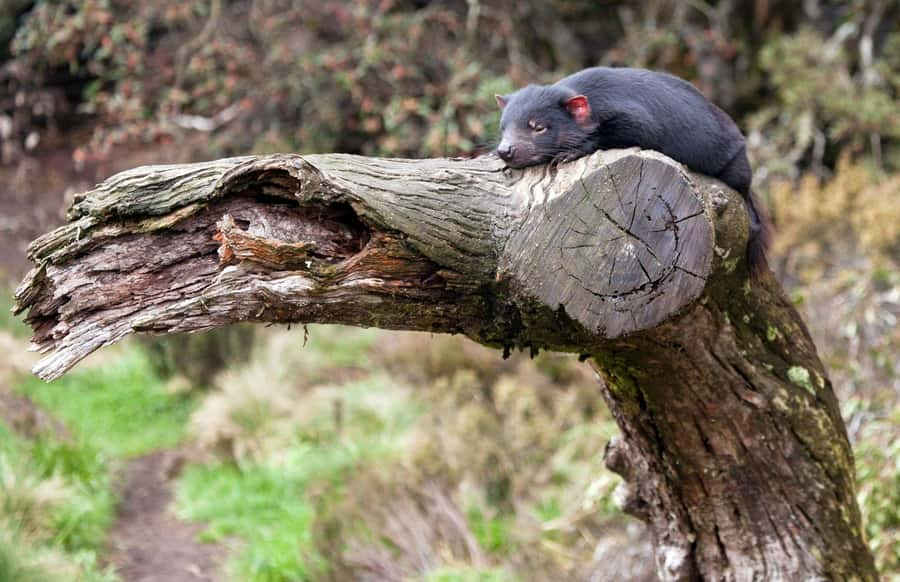
I would recommend this experience to anyone who wants to see Tasmanian devils without treating the animals as a quick roadside sighting. It suits families, wildlife fans, photographers, and visitors who want a meaningful stop near Cradle Mountain.
It is especially good for children who are curious about animals. The combination of unusual creatures, loud devil calls, and a keeper who can answer questions gives young visitors something to focus on. One particularly enthusiastic young visitor was captivated by the devil pups, and that is easy to understand.
It also suits people who think they already know what a devil looks like. The guided explanation can change your view of the animal, especially when the keeper explains the disease threat and the work needed to protect wild populations.
You may want to skip it if you only want fast-moving wildlife or if you dislike outdoor paths in poor weather. There is no guarantee of constant activity, and the sanctuary requires more patience than a short photo stop.
Practical planning for a Cradle Mountain day
Plan Devils@Cradle as part of a larger Cradle Mountain outing rather than as a stand-alone trip from Launceston. The drive from Launceston takes about two hours, and the sanctuary’s location at the national park entrance makes it convenient once you are in the area.
Free parking removes one small travel worry. Arrive with enough time to find the reception area, collect your bearings, and prepare for the outdoor portion of the visit.
Keep your schedule flexible after the tour. Since you can continue exploring the sanctuary on your own, you do not need to rush away when the keeper finishes. If an animal was asleep during the guided walk, you may get a different view later.
The booking terms are also friendly to changing plans. You can cancel up to 24 hours ahead for a full refund, and you can reserve now and pay later. That is useful when mountain weather or a changing road plan affects your day.
Should you book the Day Keeper Tour?
Yes, if you want a reasonably priced, informative introduction to Tasmania’s threatened carnivorous marsupials. The $17 fee includes far more than a quick look: you get a 45-minute English-language keeper tour, general entry, free parking, and time to explore afterward.
Book it if you value conservation, want help identifying the quolls, or would like a better chance of understanding what you are seeing. Skip it only if your schedule is too tight for a 45-minute talk plus independent viewing, or if uneven outdoor paths are a serious concern.
For most people visiting Cradle Mountain, Devils@Cradle is an easy addition with real substance. Bring warm clothes, allow an hour or two, and remember that a quiet devil can still be an excellent sight.
FAQ
How long does the Devils@Cradle Day Keeper Tour last?
The guided keeper tour lasts 45 minutes. Your ticket also includes general admission, so you can explore the sanctuary independently after the tour.
How much does the experience cost?
The listed price is $17 per person. This includes general entry to the sanctuary and the guided keeper tour.
What animals can I see?
You can see Tasmanian devils, spotted-tailed quolls, and eastern quolls. These are Tasmania’s three largest carnivorous marsupials.
Is general admission included?
Yes. General admission to Devils@Cradle Conservation Facility is included with the Day Keeper Tour.
What are the opening hours?
The sanctuary is open from 9:30 AM to 5:00 PM.
Is the tour available in English?
Yes. The tour has a live English-speaking keeper guide.
Does the tour operate in bad weather?
Yes. The tour takes place rain or shine. Warm clothing is recommended.
Is Devils@Cradle wheelchair accessible?
Wheelchair access is available from reception to the main viewing deck, and a side gate can provide direct access to the sanctuary grounds. Some areas have steps, uneven ground, woodchips, platforms, and compacted gravel, so not every part is accessible. Staff can accommodate many requests with prior organization.
How far is Devils@Cradle from Launceston?
The sanctuary is approximately a two-hour drive from Launceston. It is located at the entrance to Cradle Mountain National Park.
Just added in Australia
- 6-Day Tasmanian Explorer Adventure Tour from Hobart★ 5.0 · 66 reviews
- 3 day Tasmanian highlights tour – Hobart, Port Arthur and Bruny Island★ 5.0 · 41 reviews
- 7-Day Super Value Tour of Tasmania: Explore Tasmania’s West and East Coasts★ 5.0 · 77 reviews
- 4 Day Wild Tasmania Tour / Wildlife, Nature, Hiking / Inc. Accom★ 5.0 · 126 reviews
- A Day At Wineglass Bay★ 5.0 · 33 reviews
- Enjoy a VIP Booth Shared Experience From Gympie★ 4.5 · 22 reviews
- Bruny Island Wilderness Cruise from Adventure Bay, Bruny Island★ 5.0 · 293 reviews
- 5-Day Best of Tasmania Tour from Hobart★ 5.0 · 184 reviews
Wildlife Sanctuaries & Zoos, compared.

All Inclusive Blue Mountain,Scenic World,Lunch,Koalas,ferry
Read our review →
Blue Mountains Small-Group Tour from Sydney with Scenic World,Sydney Zoo & Ferry
Read our review →
Blue Mountains Adventure: Scenic World, Zoo & Koala Photo
Read our review →

Brisbane River Cruise with entry to Lone Pine Koala Sanctuary
Read our review →
Blue Mountains, Scenic World, Zoo, & Ferry Ride
Read our review →Browse the lists this tour appears in