
Reviewed · HISTORICAL TOURS
Albany: Historic Whaling Station Entry Ticket
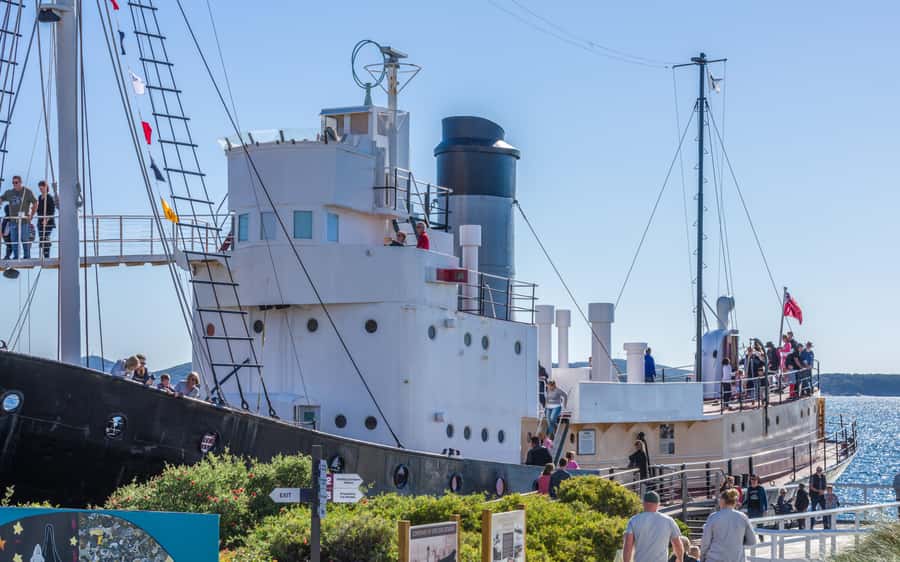
Albany’s Historic Whaling Station puts you inside the world’s only complete historic whaling station. You can walk through the restored processing factory, board Cheynes IV, and see the machinery and spaces where Albany’s whaling industry operated until 1978.
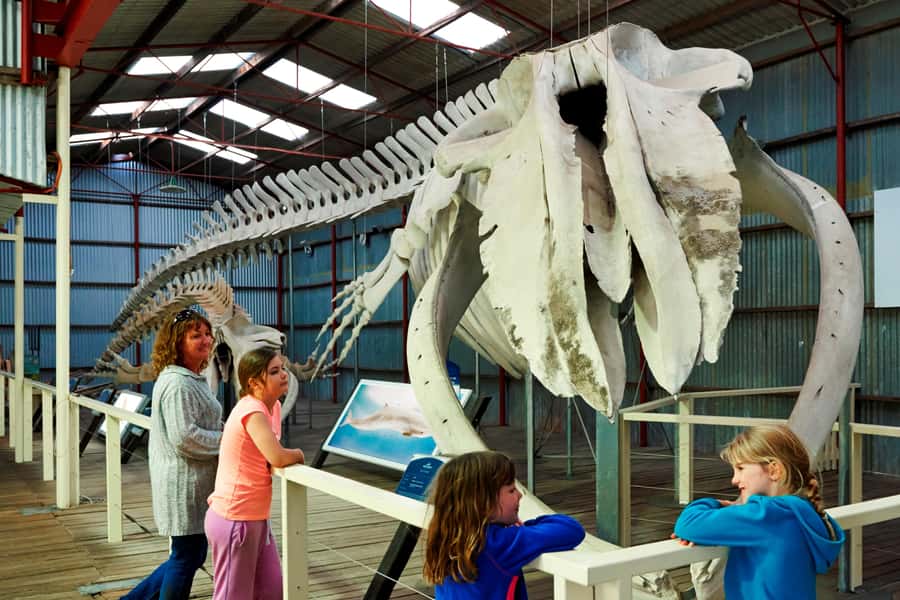
I especially like the giant blue whale skeleton and the short films shown inside converted whale oil tanks. The ticket also gives you a full day, not just a quick museum visit, with wildflower gardens, an Australian wildlife park, picnic space, and free BBQs. The main drawback is the subject itself: the factory makes the killing and processing of whales feel very real, which some visitors may find upsetting.
Key points to know before you go
- Cheynes IV is the world’s only preserved whale chaser ship, and boarding it gives the visit a strong sense of place.
- The restored factory shows the working side of whaling, not just framed displays and old photographs.
- A giant blue whale skeleton and other marine remains help you grasp the enormous scale of these animals.
- Short films play inside converted whale oil tanks, adding sound and motion to the exhibits.
- The $25 admission covers a full day, including the Regional Wildflower Garden and Australian Wildlife Park.
- The attraction is open from 9:00 AM to 5:00 PM, while the garden and wildlife park open at 10:00 AM.
Entering Albany’s former whaling industry
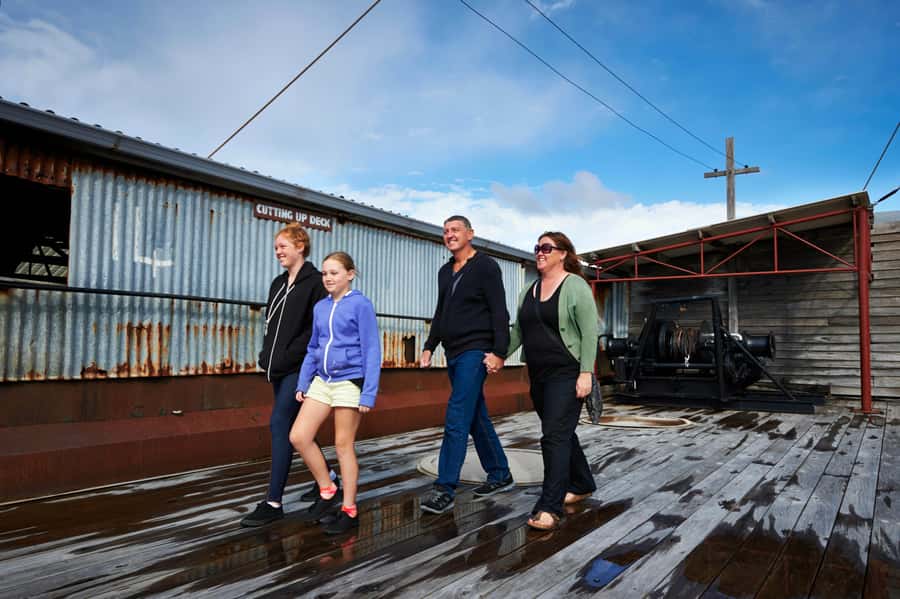
The Historic Whaling Station sits at 81 Whaling Station Road in Torndirrup, about the sort of place where you should allow more time than you first expect. This is not a small room of old tools. It is a complete former station with factory buildings, a ship, tanks, museum galleries, outdoor areas, and additional family attractions.
I like that the visit begins with the real setting of the industry. You are not simply reading about whaling from a distance. You can walk through the restored whale processing factory and see where the work took place. The sights and sounds are designed to help you understand the scale and physical nature of the operation.
That approach gives the site educational value, but it also asks something of you. This was Australia’s last operating whaling station, and the material does not hide what happened to the whales. If you prefer light, cheerful attractions, parts of this visit may feel confronting. For many people, that seriousness is exactly why the experience has value.
The station was recognized as a heritage site, and the buildings help explain Albany’s past in a way a standard town museum cannot. You see the machinery, the working spaces, and the objects connected with a specific industry that shaped local life before commercial whaling ended in Australia.
A few more things to do in Australia worth a look
- Ultimate Melbourne Walking Tour: History, Laneways & Culture
★ 5.0 · 1,451 reviews - Puffing Billy Railway: Heritage Steam Train Journey
★ 4.6 · 1,195 reviews - Morning World Heritage Cruise on the Gordon River from Strahan
★ 5.0 · 1,193 reviews
Walking through the restored processing factory
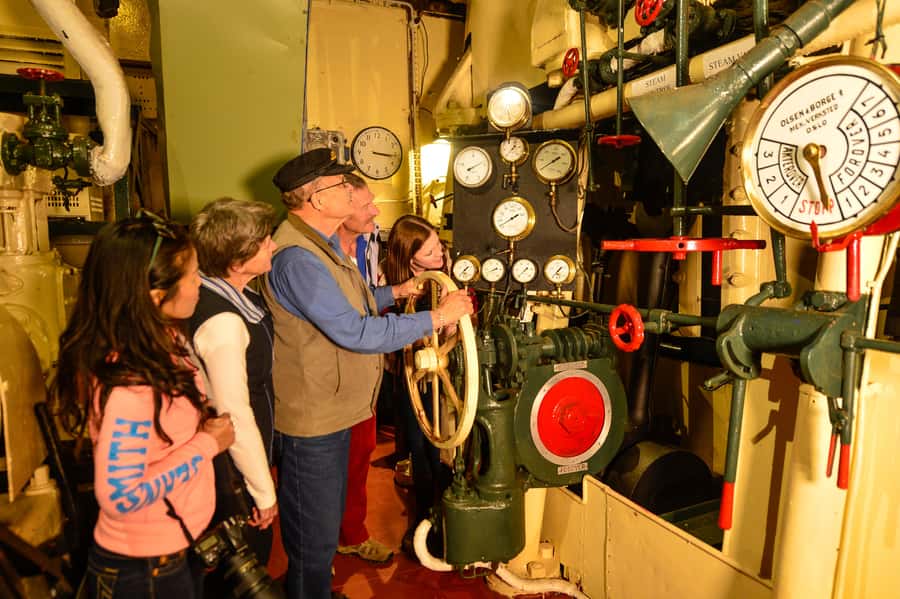
The factory is the heart of the attraction. Give it time rather than rushing through on the way to the ship. The building lets you follow the path of the industry and see how whale products were handled and processed.
I find this part most useful for understanding that whaling was an organized industrial operation. The exhibits connect the factory to the people, tools, and processes behind it. Authentic artifacts and memorabilia add detail that a modern reconstruction would not have.
The factory can be a strong history lesson for children, too, though parents may want to explain the subject in advance. The displays are not simply about whales as beautiful marine animals. They also deal with hunting, killing, and processing, so the tone is more serious than a typical wildlife center.
You will probably get the most from this section if you read the exhibit information and let the setting do its work. The attraction is not dependent on a long guided talk. You can move at your own pace, stop at displays that interest you, and spend less time on material that feels too graphic.
If your visit includes a guide, Joy has been praised for friendly, personal commentary and a pace that leaves room to take in the site. The reported experience with her included a coffee and scone stop, though you should not assume refreshments or a guided visit are part of every $25 entry ticket.
Inside the converted whale oil tanks
The short films shown in the former whale oil tanks add a different layer to the visit. The tanks are not ordinary cinema rooms, so the setting itself helps connect the film to the work that once took place here.
One film uses a 3D presentation that can make whales appear startlingly close. The effect is designed to give you a sense of their size and movement rather than simply showing distant footage. If you like visual exhibits, this may be one of the most memorable parts of the day.
The films also break up the amount of reading in the museum. After walking through machinery and artifacts, you can sit for a short presentation and see the marine environment brought to life. The experience may feel intense for younger children or anyone uncomfortable with close visual effects, but you can choose how much time to spend with it.
The old tanks give the films more meaning than a standard theater would. You are watching inside part of the former production site, surrounded by a reminder of what whale oil meant to the industry.
Boarding Cheynes IV
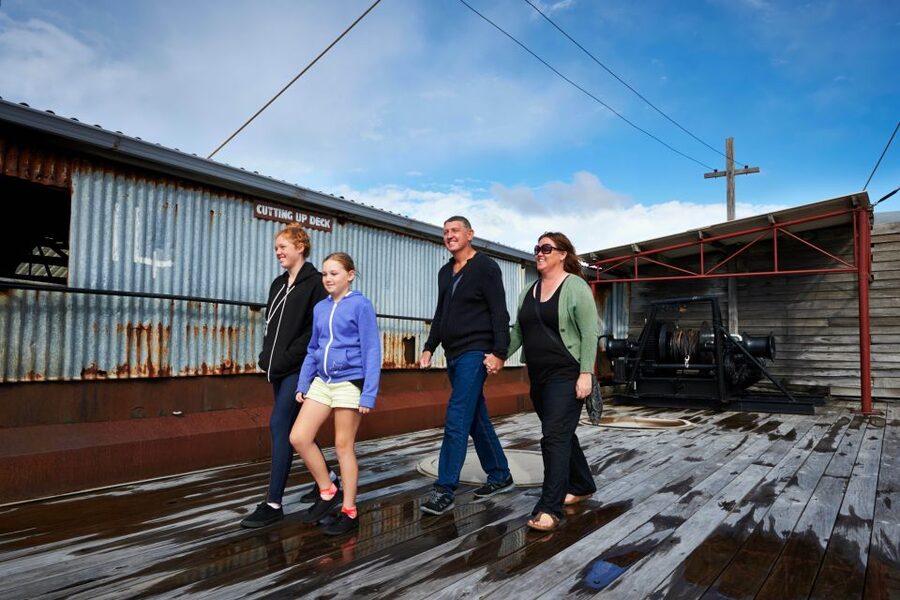
Cheynes IV is the world’s only preserved whale chaser ship, and boarding it is one of the clearest reasons to visit the station in person. A photograph cannot give you the same feel for the vessel’s working role or compact scale.
The ship shows how the whaling operation extended beyond the factory. The factory tells you what happened on land, while Cheynes IV helps explain how the whales were located and pursued at sea. Together, the two parts make the station easier to understand.
I would make time for the ship even if boats are not your main interest. It is an unusual preserved object with a direct connection to the site, not a generic maritime display placed in a museum. The ship also gives you a break from the indoor exhibits and changes the pace of the visit.
Wear comfortable shoes. You will be walking around a large site and moving through several kinds of exhibits, and bare feet are not allowed. Smoking and vaping are also prohibited.
Same base, a different sort of day:
- Sydney: Opera House Guided Tour with Entrance Ticket
★ 4.8 · 8,312 reviews - All Inclusive Blue Mountain,Scenic World,Lunch,Koalas,ferry
★ 5.0 · 7,832 reviews - Great Ocean Road Small-Group Eco Tour from Melbourne
★ 5.0 · 6,607 reviews - From Melbourne: Great Ocean Road, 12 Apostles, Wildlife Tour
★ 4.7 · 6,020 reviews
Seeing the marine skeletons and scrimshaw
The marine skeleton display gives you a quiet, powerful way to understand whale size. The giant blue whale skeleton is the obvious centerpiece, but other marine remains add useful comparison.
A pygmy whale skeleton is described as enormous, which is a good reminder that even a smaller whale can be far larger than most people imagine. Displays like this work best when you stand back and take in the full length before studying the smaller details.
The collection also includes marine animal art and scrimshaw. Scrimshaw is carved artwork traditionally associated with whalers and whale materials, so it carries both artistic interest and an uncomfortable connection to the industry. You can appreciate the craftsmanship while still thinking about where the material came from.
This is one of the attraction’s more thoughtful sections. It presents whales as large, complex animals, but it also preserves objects made during the whaling era. The result is not a simple good-versus-bad story. You get a clearer sense of the industry’s culture, products, and consequences.
The museum exhibits and authentic objects
The museum displays are filled with whaling artifacts and memorabilia. These details help turn a broad subject into a local story. You can see the kind of equipment, records, and objects tied to Albany’s station rather than learning only about whaling in general.
I like this part for the small clues. Large machinery tells you about scale, while personal and practical objects show how people worked within that system. Taken together, they explain why the station mattered to Albany and why its closure marked a major change.
The exhibits are also useful if you arrive with different interests in your group. One person can focus on maritime history, another on wildlife, and another on industrial technology. The $25 admission gives you enough time to follow your own route rather than forcing everyone through a fixed guided schedule.
A recent visitor described the attraction as well presented, informative, and well kept. That matches what you should expect from a heritage site that combines preserved buildings, museum material, and outdoor attractions. Still, the amount of information may feel heavy if you only want a quick stop.
Wildflowers and wildlife after the factory
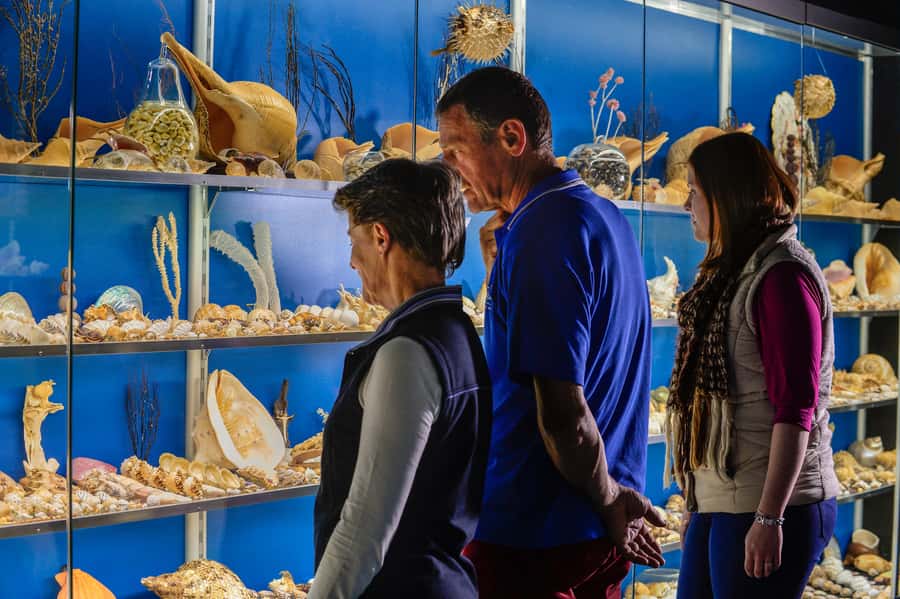
The entry price includes the Regional Wildflower Garden and Australian Wildlife Park, which makes the ticket more useful for families and anyone planning a full day. These areas open at 10:00 AM, one hour after the Historic Whaling Station begins operating.
The garden displays native plants from a region said to contain more than 100,000 native plant species. That gives you a chance to shift from industrial history to Western Australia’s plant life without leaving the attraction.
The Australian Wildlife Park adds a gentler section to a day that can otherwise feel somber. You can learn about the native animals held there and give children something different to focus on after the factory and ship.
Free BBQs and a picnic area make the outdoor section practical, not just decorative. If you are traveling with a family or want to stretch the visit across most of the day, bring food and use the facilities. The on-site café overlooks one of Albany’s picturesque bays, so you also have the option of buying refreshments and taking a break with a view.
The garden and wildlife park are not a substitute for the whaling station itself. Think of them as useful additions that make the $25 ticket work better as a day visit. If you only have a short window in Albany, prioritize the factory, Cheynes IV, skeletons, and films first.
How long to allow and when to arrive
The ticket is valid for one day from first activation. The Historic Whaling Station is open daily from 9:00 AM to 5:00 PM, and the garden and wildlife park run from 10:00 AM to 5:00 PM.
I would arrive in the morning if you want to see every major section without hurrying. Starting early gives you time for the factory, ship, film, skeleton display, museum galleries, garden, wildlife park, café, or picnic break.
A shorter visit is possible, but it will change the value of the ticket. If you spend only an hour, you are paying for access to a full-day attraction without using much of what is included. The station is best suited to a half-day or full-day plan.
The site closes only on December 25. That makes planning fairly simple for most dates, but check the opening hours for the garden and wildlife park if those are important to your schedule.
Is the $25 ticket good value?
At $25 per person, the ticket is good value if you use the full range of access. You are paying for the historic station, restored factory, Cheynes IV, marine skeletons, films, museum displays, Regional Wildflower Garden, and Australian Wildlife Park. Free BBQs and a picnic area add practical value for families.
The price is less attractive if you want only a quick look at the ship or a single museum room. The attraction covers a broad site, and its value comes from combining several parts into one visit.
I also like the flexibility. You do not need to follow a tightly timed program, and the ticket remains valid for the day. You can pause for lunch, visit the gardens, return to an exhibit, or take time at the café overlooking the bay.
The rating attached to this experience is 4.8 out of 5 from 24 ratings, with especially strong praise for the presentation, friendly guiding when offered, engaging films, and overall enjoyment. One specific tip is clear: allow time for the visual presentation, since the 3D whale film made a strong impression.
Who should visit the Historic Whaling Station?
This is a good choice for history fans, families with older children, maritime enthusiasts, and anyone wanting a substantial Albany attraction rather than a quick viewpoint. The mix of indoor exhibits, outdoor gardens, wildlife, and picnic facilities gives different members of a group something to enjoy.
It also suits visitors who want an honest look at a difficult part of Australia’s past. You will not get a softened account of whaling. The station shows the industry as it operated, including the machinery and processing spaces.
You may want to reconsider if you are sensitive to hunting displays or have very little time. The subject can be sad, and the attraction deserves more than a rushed stop. Comfortable shoes will help, and the site is wheelchair accessible.
English is the language provided for the host or greeter and activity information. If you need another language, the supplied details do not indicate that one is available.
Should you book this Albany experience?
Book it if you can spare at least half a day and want an attraction with genuine local context. The restored factory and Cheynes IV give you access to places that cannot be recreated by a standard museum, while the blue whale skeleton and 3D film make the scale of marine life easy to grasp.
The $25 price is strongest for families and curious visitors who will use the gardens, wildlife park, picnic area, and full-day validity. I would skip it only if you want a light entertainment stop or if the subject of whaling is likely to be too distressing.
For most visitors to Albany, this is a worthwhile, serious, and varied day out. Book ahead if you value flexibility, since cancellation is free up to 24 hours before the visit and you can reserve now without paying immediately.
FAQ
Where is Albany’s Historic Whaling Station?
It is located at 81 Whaling Station Road, Torndirrup, Western Australia 6330.
How much does entry cost?
The listed price is $25 per person.
How long is the ticket valid?
The ticket is valid for one day from the time you first activate it.
What are the opening hours?
The Historic Whaling Station is open daily from 9:00 AM to 5:00 PM. The Regional Wildflower Garden and Australian Wildlife Park are open daily from 10:00 AM to 5:00 PM.
Is the attraction open every day?
Yes. It is open seven days a week, with December 25 listed as the only closure day.
What does the entry ticket include?
Admission includes all exhibitions at the Historic Whaling Station, the Regional Wildflower Garden, and the Australian Wildlife Park. Free on-site BBQs and a picnic area are also available.
Can I board a preserved whale chaser ship?
Yes. Entry includes access to Cheynes IV, described as the world’s only preserved whale chaser ship.
Is the Historic Whaling Station wheelchair accessible?
Yes. The activity is listed as wheelchair accessible.
Can I cancel for a refund?
Yes. You can cancel up to 24 hours in advance for a full refund. You can also reserve now and pay later.
Just added in Australia
- Airlie Beach: Whitsunday Islands Sailing, SUP & Snorkel Tour★ 4.8 · 90 reviews
- Airlie: Adults Only Sunset Sail with Aperol Spritz/Antipasto★ 4.5 · 101 reviews
- Airlie Beach: Whitehaven Beach Club★ 3.9 · 152 reviews
- Airlie Beach: Whitehaven Beach Cruise and Hill Inlet★ 4.6 · 71 reviews
- Airlie Beach: Waterfall & Rainforest Bushwalk Eco Adventure★ 4.8 · 22 reviews
- Airlie Beach: Outer Great Barrier Reef Snorkeling Day Trip★ 4.5 · 156 reviews
- Airlie Beach: Segway Rainforest Discovery Tour★ 4.9 · 104 reviews
- Airlie Beach: Half Day Turtle Tour Sea Kayaking Adventure★ 4.8 · 21 reviews
Historical Tours, compared.

Ultimate Melbourne Walking Tour: History, Laneways & Culture
Read our review →
Puffing Billy Railway: Heritage Steam Train Journey
Read our review →
Morning World Heritage Cruise on the Gordon River from Strahan
Read our review →

Experience History onboard The Mary Valley Rattler
Read our review →
Snorkel & Dive the Reef: Sustainable, Scientific & Cultural Tour
Read our review →
Derwent River Historic Harbour Cruise From Hobart
Read our review →
Port Arthur Historic Site Admission and Tour Options
Read our review →Browse the lists this tour appears in