
Reviewed · HISTORICAL TOURS
Albany’s Historic Whaling Station Admission Ticket
Albany’s Historic Whaling Station puts you inside a former whale-processing center, where the story is told through converted whale-oil tanks, a giant blue whale skeleton, and the preserved Cheynes IV. It is an unusual museum, part industrial site and part marine collection, with enough physical objects to make the past feel close.
I like the freedom of a self-guided visit, since you can spend extra time with the exhibits that interest you most. I also like the mix of films, artifacts, marine art, and the ship itself. The main caution is that some displays are confronting, and wet, windy weather can shorten your visit, since much of the site is outdoors.
Key points for planning your visit
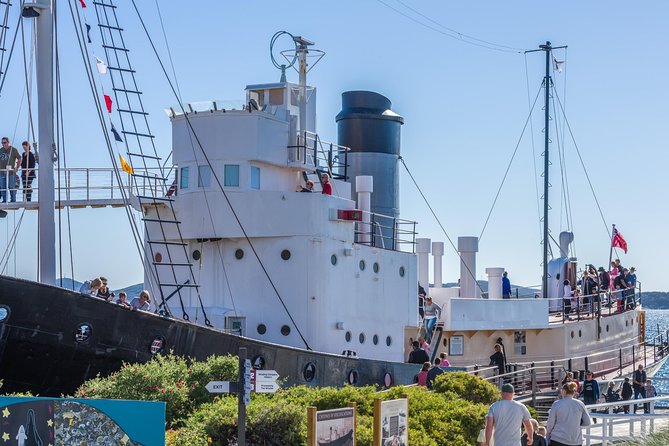
- Board the Cheynes IV: Climb aboard the only preserved whale chaser ship of its kind in the world.
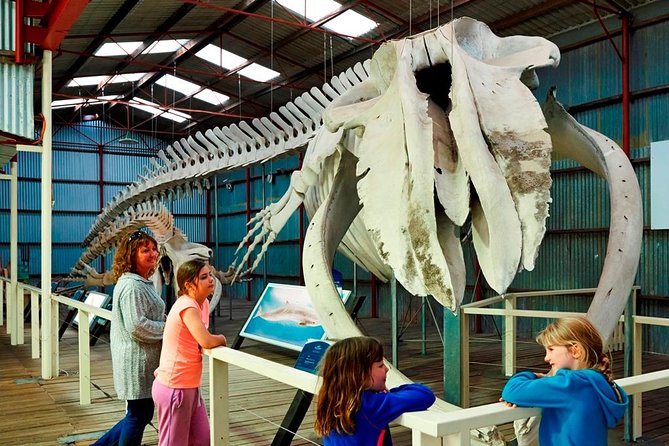
- See a blue whale skeleton: The enormous skeleton gives you a clear sense of the scale of these animals.
- Watch films in oil tanks: Converted industrial tanks now house short films about the whaling industry.
- Take your time: Plan on two to three hours, with no guide or fixed group schedule mentioned.
- Bring food if useful: The flower garden has free BBQ facilities, while the café overlooks a picturesque bay.
- Check the forecast: The site operates in all weather, but wind and rain can make a longer visit less comfortable.
Why Albany’s whaling station is worth your time
This is not a polished theme park version of maritime history. It is an old working site, presented with machinery, buildings, artifacts, films, and personal objects connected to Albany’s whaling industry.
That gives the visit a useful edge. You are not only reading about whaling in a glass case. You can enter converted oil tanks, walk aboard a real whale chaser, and look at the equipment and memorabilia used during the industry’s working years.
The subject can be difficult. Whaling formed a major part of Albany’s local economy, yet the practice involved killing some of the largest and most intelligent animals on Earth. The museum does not make this a light or easy attraction. You should expect historical material that may feel grim, especially if you are sensitive to displays about hunting and processing.
That is also why the site matters. It presents a part of Australian history that is uncomfortable but important. The experience gives you room to think about the economic pressures of the time, the physical work involved, and the eventual end of commercial whaling in the area.
A few more things to do in Australia worth a look
- Ultimate Melbourne Walking Tour: History, Laneways & Culture
★ 5.0 · 1,451 reviews - Puffing Billy Railway: Heritage Steam Train Journey
★ 4.6 · 1,195 reviews - Morning World Heritage Cruise on the Gordon River from Strahan
★ 5.0 · 1,193 reviews
The 20-minute trip from Albany CBD
The station is about a 20-minute scenic drive from Albany’s central business district. That short distance makes it a practical half-day outing rather than a major day trip.
If you are staying in central Albany, allow time for the drive before the 9:00 a.m. to 5:00 p.m. opening period. The attraction is open daily during the stated operating period, from July 1, 2025, through June 30, 2027.
The drive matters because the station is not simply another central-town museum. You are heading to a coastal site with a former industrial function, a bay view, gardens, and outdoor sections. The setting helps explain why a whaling operation worked here, but it also means the weather can affect your comfort.
No transport service is included in the ticket information. You should therefore plan your own way to the site and avoid treating the admission price as a package with transfers.
Inside the converted whale-oil tanks
The converted whale-oil tanks are among the most distinctive parts of the visit. Short films play inside them, using the old industrial structures as viewing spaces.
That setting gives the films more impact than a standard room with a screen. You are watching the story in a place connected to the work itself. The tanks also help you picture the scale and practical demands of processing whale products.
The films are short, which suits a self-guided visit. You can watch them without committing to a long presentation, then move on to the ship, skeleton, art collections, or artifact displays. If a particular film catches your attention, you can give it more time without worrying about keeping up with a group.
The industrial spaces may not be comfortable for everyone. Depending on the weather, the old buildings and outdoor paths can feel cold, wet, or exposed. Wear clothing suited to Albany’s conditions rather than relying on a warm day.
Boarding the Cheynes IV whale chaser
The Cheynes IV is the centerpiece for many people. You can board the preserved whale chaser and look around a vessel built for the whaling industry.
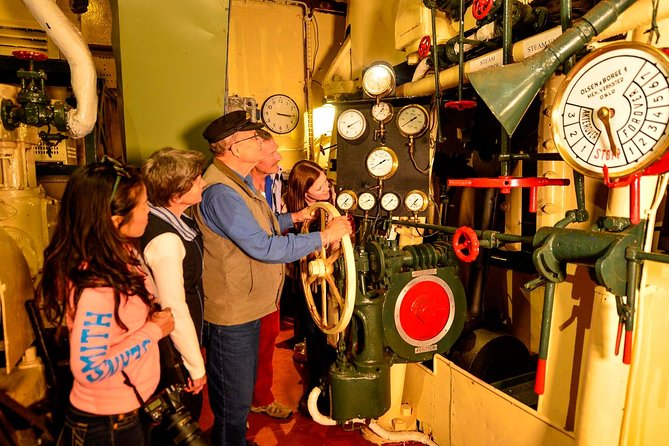
A ship makes the story physical in a way that a wall panel cannot. You can see the working environment and understand that whaling depended on a specialized vessel, trained crews, and demanding conditions at sea.
The attraction describes the Cheynes IV as the world’s only preserved whale chaser ship. That makes it more than a local boat exhibit. It is a rare surviving example of this type of vessel, and it gives the museum a strong reason to visit even if maritime history is not usually your first choice.
You will need a moderate level of physical fitness. The information provided does not give a detailed accessibility layout, so anyone concerned about boarding, walking, or moving around the ship should contact the provider before booking. Children must be accompanied by an adult.
Same base, a different sort of day:
- Sydney: Opera House Guided Tour with Entrance Ticket
★ 4.8 · 8,312 reviews - All Inclusive Blue Mountain,Scenic World,Lunch,Koalas,ferry
★ 5.0 · 7,832 reviews - Great Ocean Road Small-Group Eco Tour from Melbourne
★ 5.0 · 6,607 reviews - From Melbourne: Great Ocean Road, 12 Apostles, Wildlife Tour
★ 4.7 · 6,020 reviews
The blue whale skeleton and marine collections
The giant blue whale skeleton gives the museum one of its clearest visual moments. Even without a long explanation, the size of the bones helps you understand how large a blue whale is.
This is a useful counterpoint to the whaling displays. The skeleton shifts your attention from machinery and processing to the animal itself. It also gives children and adults a strong object to focus on while learning about marine life.
The station also holds a world-renowned marine animal art collection. The supplied information does not specify the artists or the number of works, so you should think of this as one part of a broader museum visit rather than a dedicated art tour.
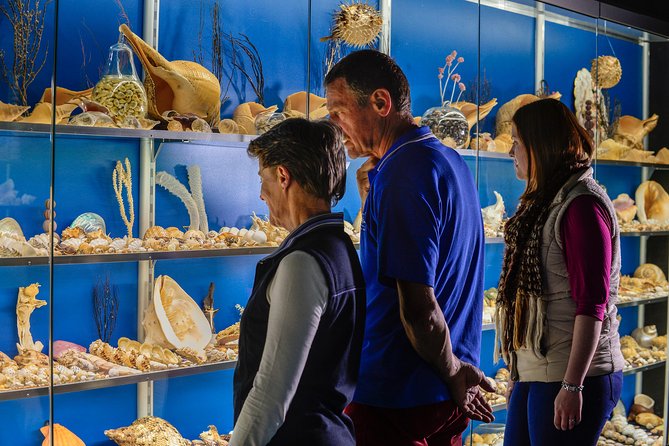
The scrimshaw collection adds another layer. Scrimshaw refers to carved or engraved maritime objects, and the station presents precious examples alongside its whaling artifacts. These pieces can show the skill and culture of seafarers, while also raising questions about the materials used and the world in which they were made.
Whaling artifacts and the Australian wildlife area
The museum displays authentic whaling artifacts and memorabilia. These objects help fill in the ordinary details that a ship and a skeleton cannot show. You get a better sense of the equipment, routines, and culture connected to the industry.
The site also includes a small Australian wildlife enclosure. This gives families another reason to allow enough time, especially if some members of your group are more interested in living animals than old machinery.
I would not book this admission solely for the wildlife area. The main attraction is the whaling station, the Cheynes IV, the films, and the collections. Still, the enclosure adds variety and can make the visit work better for a mixed-interest group.
The setting includes gardens and a bay view, so the station is not all enclosed exhibits. You can pause outdoors, reset after the more serious displays, and make the visit feel less rushed.
How long to allow, and how to use your time
The suggested visit takes about two to three hours. That is a sensible allowance if you want to see the main exhibits, watch the films, board the Cheynes IV, and spend time with the art and artifacts.
You could move through faster if you are mainly interested in the ship. You could also stay longer if the weather is pleasant and you want to use the garden, café, wildlife area, or BBQ facilities.
A practical order would be:
- Start with the main museum displays and whaling artifacts.
- Watch the short films inside the converted tanks.
- Board the Cheynes IV while you have plenty of energy for the ship.
- See the blue whale skeleton and marine art.
- Finish with the wildlife enclosure, gardens, café, or a BBQ.
This order is only a suggestion. The advantage of the ticket is that you are not tied to a guide’s route or a fixed departure. You can adjust the visit to suit your group.
If the day is wet and windy, focus first on the indoor and sheltered displays. A poor forecast does not cancel the experience, since it operates in all weather, but it may reduce the time you want to spend outside. One useful lesson from the site is simple: a two-hour plan may be enough on a rough day, while a fine day can easily stretch longer.
Café, flower garden, and BBQ facilities
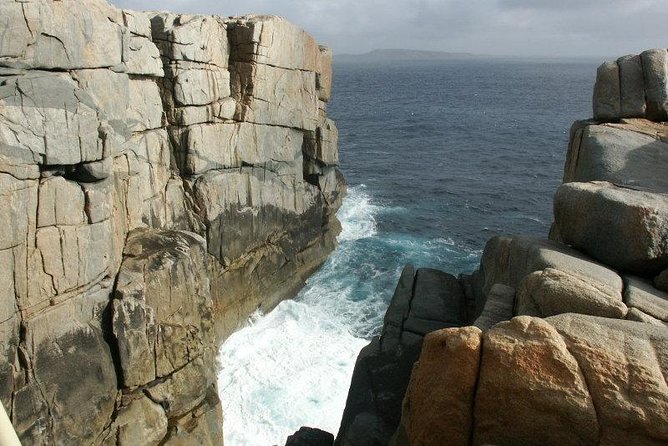
Food and drinks are not included in the admission price, and lunch is not included either. You can buy refreshments at the café, which overlooks one of Albany’s picturesque bays, or bring food for use with the free BBQ facilities in the flower garden.
The BBQ option is valuable if you are building a relaxed family outing rather than making a quick museum stop. It also lets you control your food costs, which matters when the ticket price is only one part of a day’s spending.
Do not assume a meal is part of the booking. Bring your own supplies if you plan to use the BBQ, or budget separately for the café. The information provided does not specify menus, prices, or booking rules for the BBQ facilities.
Is $26.49 good value?
At $26.49 per person, the ticket is reasonably priced if you plan to spend two to three hours on site. You are paying for access to several different experiences: the former processing center, films, the Cheynes IV, the blue whale skeleton, marine art, scrimshaw, artifacts, and the wildlife area.
The value improves if you use the site at your own pace. A quick visit focused only on the ship may feel less satisfying, while a fuller visit gives you time to understand how the displays connect.
The free BBQ facilities also help families and groups manage costs. Food is extra, but bringing lunch can turn the admission into a longer outing without adding a restaurant bill.
GST is included, and all listed activities are included in the ticket. There is no separate charge mentioned for the films, ship, museum exhibits, or wildlife area.
I would judge the price less favorably if you dislike industrial history, marine collections, or confronting subjects. This is not a general-purpose attraction with something for everyone in equal measure. Its value depends on your interest in Albany’s past and your willingness to spend time with a serious topic.
Who will enjoy this experience most?
I would recommend it to you if you like working museums, ships, local history, marine life, or places that show how a community once made its living.
Families can make good use of the variety. Children must stay with an adult, and the ship, skeleton, films, and wildlife enclosure offer different ways to hold their attention. Still, the whaling subject may need a little explanation for younger children.
It also suits history-minded visitors who want more than a town-center display. The original processing setting gives the subject a physical presence, and the self-guided format lets you spend your time according to your own interests.
You may want to skip it if you are looking for a light, purely scenic outing. The bay view and garden add breathing space, but the central topic remains whaling. The material can be confronting, and the outdoor parts are less enjoyable in rain or strong wind.
The moderate physical fitness requirement is worth taking seriously. The information supplied does not spell out the exact conditions on the ship or around the site, so ask ahead if you have mobility concerns.
Booking, weather, and cancellation advice
Opening hours are 9:00 a.m. to 5:00 p.m., Monday through Sunday, during the stated operating dates. Confirmation is provided at booking.
The attraction operates in all weather. Wear suitable clothing, especially if you plan to use the outdoor areas, visit the gardens, or spend time around the ship. A calm, dry day will make it easier to stay for the full two or three hours, but bad weather does not automatically prevent a visit.
Free cancellation is available when you cancel at least 24 hours before the experience start time. A cancellation within 24 hours is not refunded, and changes within that period are not accepted. The cut-off uses Albany’s local time.
Should you book Albany’s Historic Whaling Station?
Book it if you want a distinctive Albany experience that connects local industry, maritime history, marine life, and a real preserved vessel. The Cheynes IV, converted oil tanks, blue whale skeleton, and scrimshaw collection give the visit plenty of substance for the price.
I would set aside two to three hours, bring weatherproof clothing, and decide in advance whether you want to use the café or pack food for the BBQ. If your group prefers gentle sightseeing and avoids difficult historical subjects, this may not be the best fit.
For most history-minded visitors, though, this is a worthwhile stop. It tells an important story without forcing you through a fixed tour, and it gives you time to look closely at the objects that make Albany’s whaling past real.
FAQ
How long does a visit to Albany’s Historic Whaling Station take?
The visit takes approximately two to three hours, depending on how much time you spend with the films, ship, museum displays, wildlife enclosure, garden, and café.
What is included in the admission ticket?
The ticket includes GST, all listed activities, and admission to the Historic Whaling Station. Free BBQ facilities are also available.
Is food included?
No. Food, drinks, and lunch are not included. You can use the café or the free BBQ facilities in the flower garden.
Can I visit the Cheynes IV?
Yes. Admission includes the opportunity to board the Cheynes IV, described as the only preserved whale chaser ship in the world.
Is the attraction suitable for children?
Children can visit, but they must be accompanied by an adult. The site includes films, a whale skeleton, a ship, museum displays, and a small Australian wildlife enclosure.
What time is the Historic Whaling Station open?
The stated opening hours are 9:00 a.m. to 5:00 p.m., Monday through Sunday, from July 1, 2025, through June 30, 2027.
Can I cancel for a full refund?
Yes, if you cancel at least 24 hours before the experience start time. Cancellations made within 24 hours are not refunded, and changes made within that period are not accepted.
Just added in Australia
- 6-Day Tasmanian Explorer Adventure Tour from Hobart★ 5.0 · 66 reviews
- 3 day Tasmanian highlights tour – Hobart, Port Arthur and Bruny Island★ 5.0 · 41 reviews
- 7-Day Super Value Tour of Tasmania: Explore Tasmania’s West and East Coasts★ 5.0 · 77 reviews
- 4 Day Wild Tasmania Tour / Wildlife, Nature, Hiking / Inc. Accom★ 5.0 · 126 reviews
- A Day At Wineglass Bay★ 5.0 · 33 reviews
- Bruny Island Wilderness Cruise from Adventure Bay, Bruny Island★ 5.0 · 293 reviews
- 5-Day Best of Tasmania Tour from Hobart★ 5.0 · 184 reviews
- Enjoy a VIP Booth Shared Experience From Gympie★ 4.5 · 22 reviews
Historical Tours, compared.

Ultimate Melbourne Walking Tour: History, Laneways & Culture
Read our review →
Puffing Billy Railway: Heritage Steam Train Journey
Read our review →
Morning World Heritage Cruise on the Gordon River from Strahan
Read our review →

Experience History onboard The Mary Valley Rattler
Read our review →
Snorkel & Dive the Reef: Sustainable, Scientific & Cultural Tour
Read our review →
Derwent River Historic Harbour Cruise From Hobart
Read our review →
Port Arthur Historic Site Admission and Tour Options
Read our review →Browse the lists this tour appears in