
Reviewed · WILDLIFE SANCTUARIES & ZOOS
Hobart: Admission Ticket to Bonorong Wildlife Sanctuary
Tasmanian devils, wombats, echidnas, and kangaroos all share the same visit at Bonorong Wildlife Sanctuary. The best part is the chance to hand-feed kangaroos roaming freely, then join a keeper-led talk about animals that may never survive in the wild without help. You can also see wildlife that has disappeared from much of mainland Australia.
I like the direct contact with the animals, especially the kangaroo feeding, and I like that your admission supports rescue and conservation work rather than a standard zoo display. The main thing to consider is sun and shade. Much of the experience is outdoors, and one January visitor found more shade would have helped on a hot day.
Key points
- Free-roaming kangaroos: Your admission includes a bag of food so you can feed the kangaroos at close range.
- Tasmanian devil encounters: Daily keeper talks help you understand these unusual and threatened animals.
- Rescue-focused care: Bonorong takes in injured, orphaned, and disabled native animals that cannot safely return to the wild.
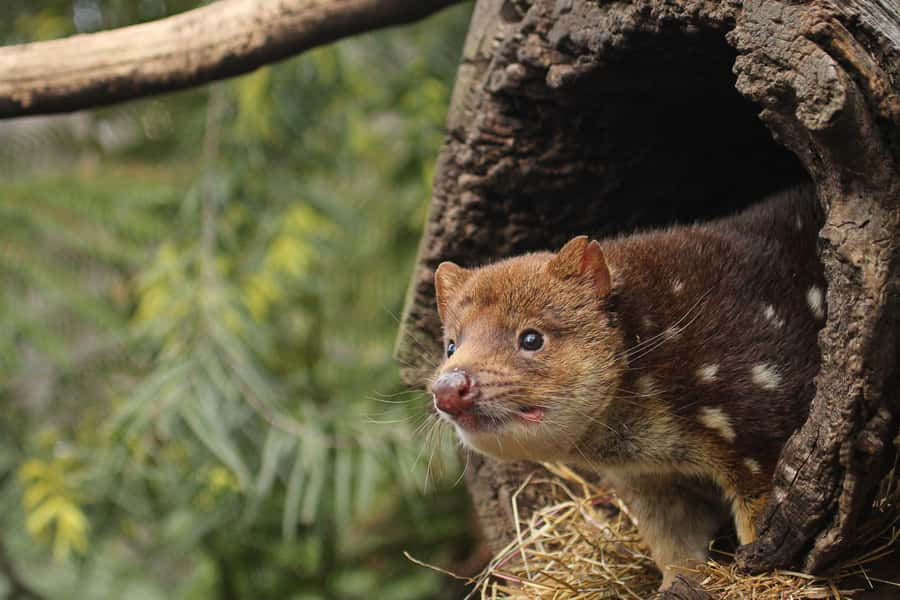
- More than a wildlife walk: You may see wombats, echidnas, eastern quolls, sugar gliders, parrots, kookaburras, and other Australian species.
- Useful included extras: Parking, admission, kangaroo food, and access to daily English guided tours are included in the $25 price.
- Flexible booking: The ticket is valid for 365 days, and you can cancel up to 24 hours before the visit for a full refund.
Why Bonorong feels different from a regular zoo
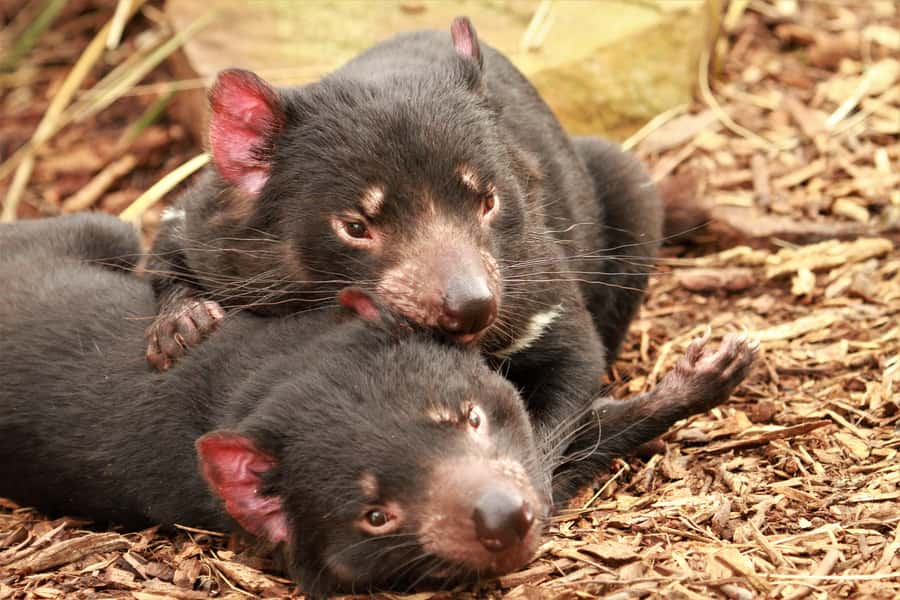
Bonorong Wildlife Sanctuary is built around rescue, care, and protection. That changes the way you see the animals. You are not simply moving from one exhibit to the next. You are learning why particular animals are at the sanctuary and why some can return to the bush while others cannot.
Some animals arrive after injury. Others are orphaned when they are young. Some have a permanent handicap that makes release unsafe. That means the sanctuary’s role is practical as well as educational. The animals become examples of the threats facing Tasmania’s native species.
You can see Tasmanian wildlife that has vanished from large parts of mainland Australia. That gives the visit a strong sense of place. This is not a collection of generic Australian animals. It is a close look at species tied to Tasmania and the wider story of wildlife protection on the island.
Bonorong is also a good choice if you want to see a Tasmanian devil without relying on luck. The animals are part of the sanctuary’s daily program, and keeper talks explain their habits, care, and conservation needs.
More places to meet the animals near Hobart:
- Day Tour in Mt. Field, Mt. Wellington, Bonorong Wildlife Sanctuary and Richmond
★ 5.0 · 735 reviews - Bonorong Wildlife Sanctuary Half-Day Tour from Hobart
★ 4.5 · 158 reviews - All Inclusive Blue Mountain,Scenic World,Lunch,Koalas,ferry
★ 5.0 · 7,832 reviews
Starting with the kangaroos
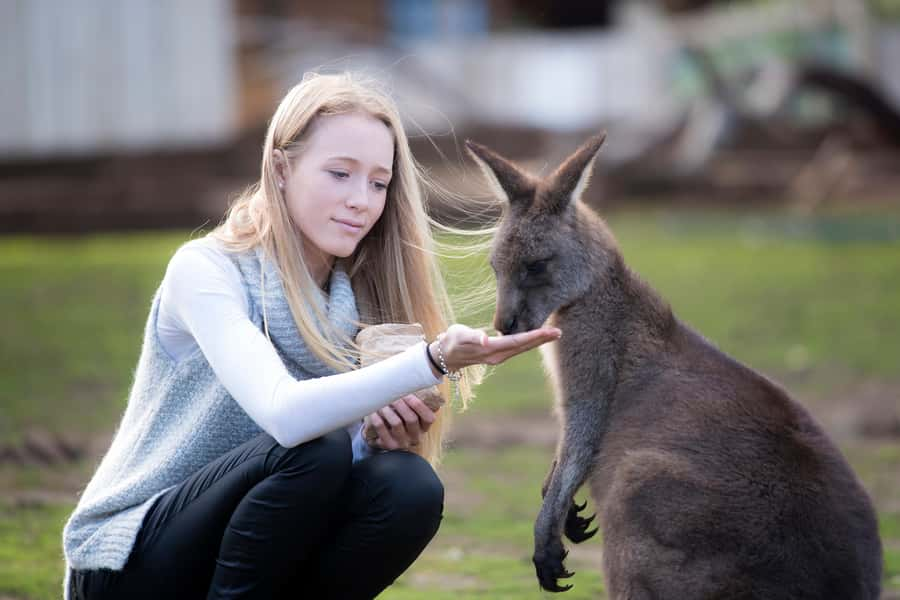
The kangaroo area is likely to be your first major highlight. A bag of kangaroo food is included, so you can approach the free-roaming animals and offer them food by hand.
This is a simple experience, but it works remarkably well. You are close enough to notice the animals’ size, fur, ears, and gentle movements. It is also a better introduction to kangaroos than seeing them far away beside a road. You can take photographs, then return to the area later if you want another look.
Keep your movements calm and follow the sanctuary’s instructions. The animals are accustomed to people, but they are still animals, not props. The feeding area is especially appealing for families and for anyone visiting Australia for the first time.
The kangaroo encounter is also one of the strongest reasons to choose this sanctuary over a wildlife center where contact is limited. You are not promised a staged photo. Instead, you get time around animals moving freely within their space.
Meeting Tasmanian devils and other rare animals
The Tasmanian devil is the animal most people want to see, and Bonorong gives you a reliable opportunity to do so. Keeper talks add much more than a quick sighting. You learn about the species, its threats, and the individual animal being cared for.
That individual detail matters. A keeper may explain an animal’s age, name, or reason for being at the sanctuary. The visit becomes more personal, and you begin to understand why rescue centers cannot simply release every animal back into the wild.
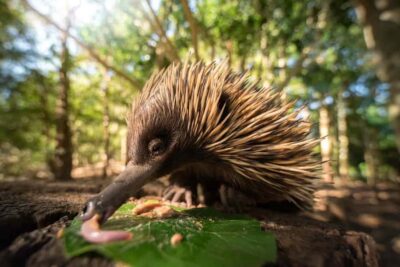
Wombats are another major attraction. Their solid build and calm appearance make them easy to love, but the keeper talk gives you a better sense of their needs and behavior. Echidnas add a completely different experience, with their unusual shape and distinctive place in Australian wildlife.
Depending on the daily program, you can also look for eastern quolls and sugar gliders. Birds are part of the experience too, including parrots and kookaburras. The variety helps make the visit worthwhile even if one animal is resting or less active during your visit.
One family also had the chance to watch staff working in the animal hospital. Seeing veterinary care in progress can be especially useful for children because it connects the cute animals with the hard work needed to keep them alive and healthy. Access to this type of activity can vary, so treat it as a possible extra rather than a guaranteed part of your visit.
How the daily keeper tours improve the visit
Daily guided tours are included with admission, and they are worth fitting into your day. You can walk around on your own, but the talks provide the background that turns a pleasant animal encounter into a useful learning experience.
The keepers explain what threatens each species and how Tasmania can protect its native wildlife. They also feed selected animals while describing their care. That combination keeps the talks lively and gives you a chance to see natural behavior at close range.
The English-speaking staff are central to the experience. You should expect a guide or keeper to focus on a small selection of animals during each talk rather than cover every creature in the sanctuary at once. Check the daily timing when you arrive and plan your walk around the sessions.
A basic visit can include talks about a Tasmanian devil, an echidna, and a wombat. That combination gives you three very different animals and a clear introduction to the sanctuary’s work.
The talks also help you avoid rushing. It is easy to spend most of your time feeding kangaroos, then discover that you missed a scheduled animal presentation. A little planning lets you do both.
A few more things to do in Hobart worth a look
- From Hobart: Mt. Field, Mt. Wellington and Wildlife Day Tour
★ 4.8 · 261 reviews - 4 Day Wild Tasmania Tour / Wildlife, Nature, Hiking / Inc. Accom
★ 5.0 · 126 reviews - Tasmania: Wilderness and Wildlife Guided 6-Day Tour
★ 4.6 · 60 reviews - Hobart: Mt Wellington, Richmond, & Bonorong Wildlife Tour
★ 4.6 · 59 reviews
A rescue center with a clear conservation message
The sanctuary’s conservation work is not a footnote. It is the reason many animals are there.
Bonorong cares for animals that are too young, too injured, or too disabled to live safely in the wild. In other cases, the goal is rehabilitation and release. The distinction is important. A sanctuary is not simply collecting animals for display. It is making decisions based on each animal’s health and chance of survival.
That approach gives you a more honest view of wildlife protection. Some animals can be helped and released. Others need permanent care. You may see animals with visible injuries or disabilities, and that can be difficult for young children. At the same time, it shows the real cost of road accidents, habitat pressure, orphaning, and other threats.
The sanctuary’s animal hospital adds to this message. If you can watch veterinary staff examine or treat an animal, you get a direct look at the work behind the public visit. The experience is educational without needing to become solemn or heavy.
I especially like that the staff explain the animals as individuals while also discussing wider protection efforts. You leave knowing not only what a Tasmanian devil looks like, but why its future depends on careful conservation.
What the $25 admission includes
At $25 per person, the admission offers solid value for a full day. Your ticket includes:
- Entry to Bonorong Wildlife Sanctuary
- A bag of food for the kangaroos
- Access to daily guided tours in English
- On-site car parking
Food and drinks are not included. A concession is available on site, and one visitor rated the food highly, but you should budget separately for anything you buy there.
The value improves if you use the full program. If you only walk around briefly and leave after feeding the kangaroos, the ticket still covers a memorable encounter, but you will miss much of what makes Bonorong different. Stay for the keeper talks and allow time to see the smaller animals and birds.
The ticket is valid for 365 days, which gives you unusual flexibility. Check the available starting times when booking, but the long validity is helpful if your plans around Hobart change. You can also cancel up to 24 hours in advance for a full refund, and a reserve-now, pay-later option is available.
There is no transfer included, so you need to arrange your own way to the sanctuary. On-site parking is included, which makes the visit simpler if you have a car.
Planning your walk through the sanctuary
Give yourself enough time to move at an easy pace. Start by checking the daily guided tour times, then use the gaps between talks to explore the animal areas.
A sensible order is:
- Check the schedule and locate the main animal areas.
- Feed the free-roaming kangaroos while the food is fresh.
- Join a keeper talk about animals such as Tasmanian devils, wombats, or echidnas.
- Walk through the other areas to find quolls, sugar gliders, birds, and additional native species.
- Return to any animal area you particularly enjoyed.
- Allow time for the concession or gift shopping if you want either.
This is not a timed attraction where you need to move quickly from one stop to the next. The 365-day validity does not mean your visit lasts a year, of course. It means the ticket can be used within that period, subject to availability and the times offered.
Visibility is generally good. You can expect close views of many animals, and the layout allows you to spend time watching rather than simply passing by. Still, animals follow their own schedules. A keeper talk is your best chance to see a particular species active and learn what you are looking at.
Comfort, access, and rules to know
Bonorong is wheelchair accessible, which makes it a practical choice for a wider range of visitors. Parking is on site, and the animal areas are set up for viewing at close range.
Bring sun protection and water, especially in warm weather. Shade may be limited in some parts of the sanctuary, and one hot-weather visit highlighted this as a real comfort issue. The outdoor setting is part of the appeal, but it also means you should dress for the conditions.
Smoking and vaping are not allowed anywhere within the sanctuary. You also cannot bring animals onto the property without permission, including assistance dogs. Confirm arrangements with Bonorong before arrival if you require an assistance animal.
Skateboards, rollerblades, bicycles, tricycles, and similar equipment are not permitted because they may create a danger to people or animals. Sporting equipment is also excluded. These rules may feel strict, but they help keep the animal areas calm and safe.
Who will enjoy Bonorong most
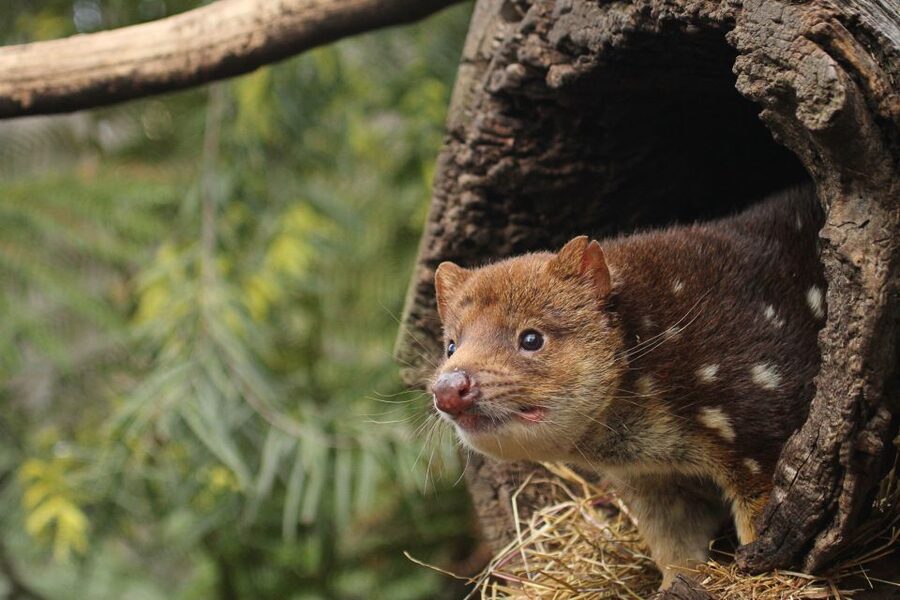
Families should find plenty to do here. Feeding kangaroos is easy to understand and memorable for children, while the keeper talks give the visit more substance. Parents should be ready to explain that some animals are at the sanctuary because of injury or disability.
Bonorong also suits adults who care about conservation but do not want a purely formal museum experience. You can learn about animal protection while staying close to living animals.
First-time visitors to Tasmania will get a strong introduction to local wildlife. If you have already visited several Australian zoos, the rescue focus and free-roaming kangaroos still give Bonorong a different feel.
Photographers will appreciate the close access and visibility, but you should put the camera down from time to time. The kangaroo feeding is more enjoyable when you pay attention to the animal in front of you instead of trying to capture every second.
The sanctuary may be less suitable if you want a quiet, shaded attraction with no interaction between people and animals. It is an active outdoor visit, and the most memorable parts involve being near the animals and listening to staff explain their care.
Should you book the Bonorong Wildlife Sanctuary ticket?
I would book this experience if you want to see a Tasmanian devil, feed kangaroos, and understand why rescued wildlife needs long-term care. The $25 price is fair because it includes admission, food for the kangaroos, guided talks, and parking.
Make the most of it by checking the daily tour times, wearing sun protection, and leaving enough time for more than the kangaroo area. The free cancellation and 365-day validity also make it a low-risk choice when your Hobart plans are still moving around.
Skip it only if your schedule is extremely tight or you are looking for a fully indoor attraction. For most people with a half-day or full day available, Bonorong offers close animal encounters with a clear purpose behind them.
FAQ
Where is Bonorong Wildlife Sanctuary located?
Bonorong Wildlife Sanctuary is in Tasmania, Australia, near Hobart.
How much does admission cost?
The listed price is $25 per person.
How long is the ticket valid?
The ticket is valid for 365 days. You should check availability for the available starting times.
Is kangaroo food included?
Yes. Admission includes a bag of food for feeding the free-roaming kangaroos.
Can I see Tasmanian devils?
Yes. Tasmanian devils are among the animals cared for at Bonorong, and daily guided talks can include information about them.
Are guided tours included?
Yes. Admission includes access to daily guided tours in English.
Is parking available?
Yes. On-site car parking is included.
Is food included in the admission price?
No. Food and drinks are not included, although a concession is available on site.
Is Bonorong wheelchair accessible?
Yes. The sanctuary is wheelchair accessible.
Can I bring a dog or other animal?
Not without permission. This rule includes assistance dogs, so contact the sanctuary before arriving if you need to bring one.
Can I smoke or vape at the sanctuary?
No. Smoking and vaping, including cigarettes and e-cigarettes, are not allowed within the sanctuary.
Can I cancel my booking?
Yes. You can cancel up to 24 hours in advance for a full refund. A reserve-now, pay-later option is also available.
Just added in Hobart
- 6-Day Tasmanian Explorer Adventure Tour from Hobart★ 5.0 · 66 reviews
- 3 day Tasmanian highlights tour – Hobart, Port Arthur and Bruny Island★ 5.0 · 41 reviews
- 4 Day Wild Tasmania Tour / Wildlife, Nature, Hiking / Inc. Accom★ 5.0 · 126 reviews
- A Day At Wineglass Bay★ 5.0 · 33 reviews
- 7-Day Super Value Tour of Tasmania: Explore Tasmania’s West and East Coasts★ 5.0 · 77 reviews
- Bruny Island Wilderness Cruise from Adventure Bay, Bruny Island★ 5.0 · 293 reviews
- 5-Day Best of Tasmania Tour from Hobart★ 5.0 · 184 reviews
- BIG 3 Tasmania – Port Arthur, Wineglass Bay, Cradle Mountain★ 4.5 · 35 reviews
Wildlife Sanctuaries & Zoos, compared.
All Inclusive Blue Mountain,Scenic World,Lunch,Koalas,ferry
Read our review →
Blue Mountains Small-Group Tour from Sydney with Scenic World,Sydney Zoo & Ferry
Read our review →
Blue Mountains Adventure: Scenic World, Zoo & Koala Photo
Read our review →
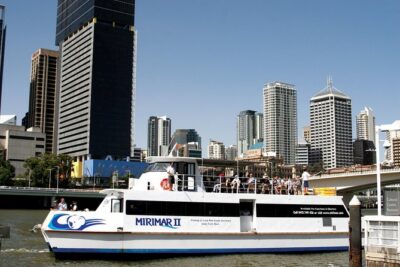
Brisbane River Cruise with entry to Lone Pine Koala Sanctuary
Read our review →
Blue Mountains, Scenic World, Zoo, & Ferry Ride
Read our review →Browse the lists this tour appears in