Reviewed · NATIONAL PARKS
Hobart: Maria Island National Park Active Full-Day Tour
Maria Island’s greatest trick is how quickly it makes modern life feel far away. After a one-hour drive from Hobart and a 30-minute ferry ride, you arrive on an island with no vehicles, abundant wombats, old convict buildings, empty beaches, and trails through open bush. The day joins wildlife, geology, and colonial history in one well-planned outing.
I like the chance to see wild wombats at close range, with guides such as Heather, Ben, Trevor, Lucas, and Nick helping you spot animals and understand the island. I also like the two easy cliff walks, which give you painted sandstone, exposed fossils, sea views, and room to stop for photos. The catch is simple: this is about 10 kilometers of walking on uneven ground, so it is not a casual sightseeing trip.
Maria Island at a glance
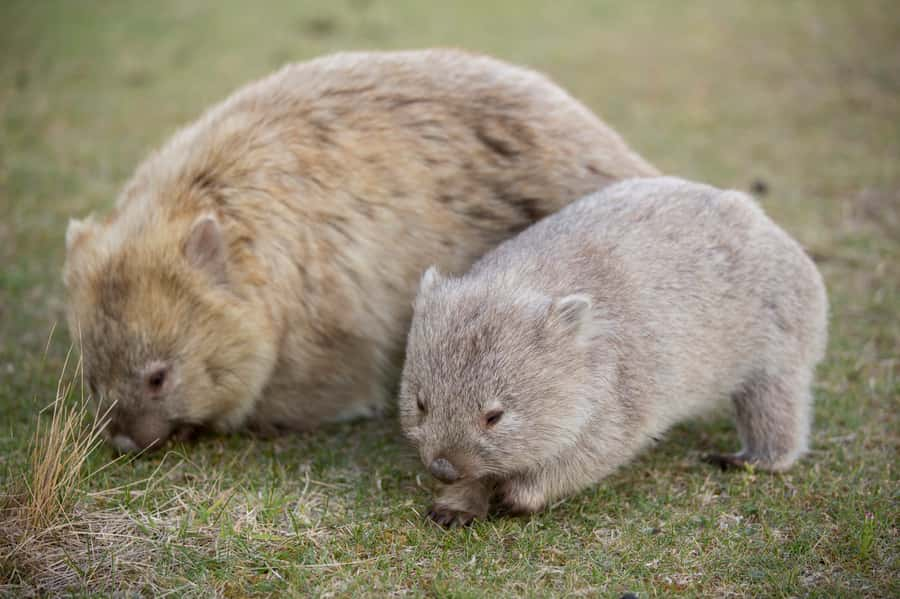
- Wildlife comes first: Wombats, wallabies, kangaroos, pademelons, Cape Barren geese, bandicoots, and many birds may appear along the route.
- Two 4.5-kilometer walks: The Painted Cliffs and Fossil Cliffs walks are mostly easy, with some small hills and unpaved sections.
- Darlington tells the human story: Explore one of the best-preserved probationary convict settlements in the world.
- A small-group format helps: Guides can adjust the pace, explain plants and geology, and spend time looking for animals.
- Bring your own food and drinks: Lunch and water are not included, and large bags or luggage are not allowed.
- The early start has a purpose: Summer departures begin at 6:45 AM so the group can fit in the full walking program before returning to Hobart around 5:00 PM.
Why Maria Island feels so different
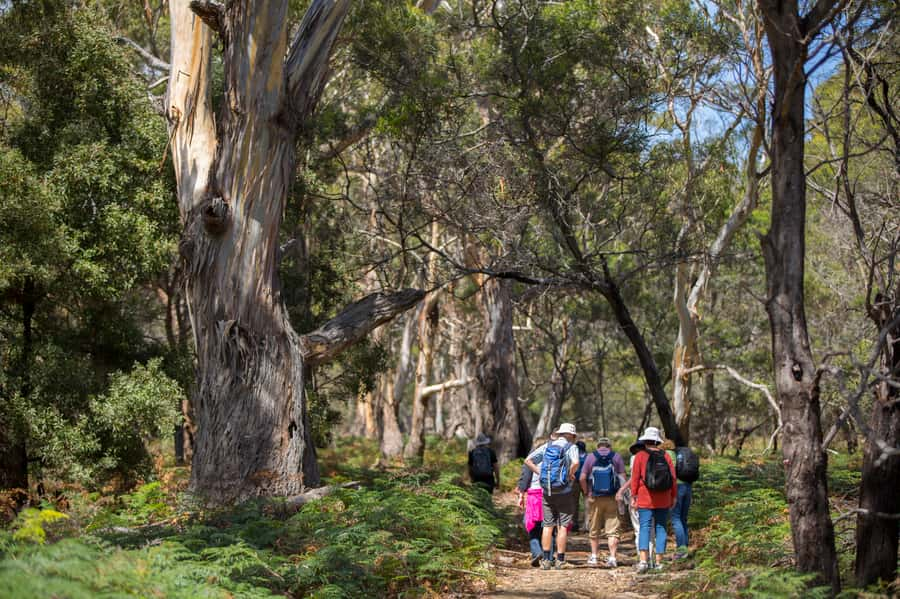
The ferry crossing is short, but the change in mood is striking. The bus leaves Hobart and heads east through countryside, with green paddocks, waterways, sheep, and lambs along the way. Then the ferry carries you across to Maria Island, where the pace drops at once.
There are no cars on the island, so your feet do most of the work. That makes the day quieter, but it also means you should take the fitness warning seriously. You are not stepping off the ferry for a quick stroll and a photo stop. The full program involves roughly 10 kilometers across varied, unpaved terrain.
I like that this tour does not reduce Maria Island to a single attraction. You see wildlife, old buildings, cliffs, fossils, beaches, rock pools, and broad coastal views. Each part gives the next one more meaning. The fossils explain the island’s ancient past, while Darlington shows how people later tried to control and use this remote place.
A few more things to do in Australia worth a look
- Litchfield National Park and Jumping Crocodile Cruise
★ 5.0 · 2,119 reviews - Grampians National Park Small-Group Eco Tour from Melbourne
★ 5.0 · 761 reviews - From Port Arthur: Tasman Island Wilderness Cruise
★ 4.9 · 704 reviews
The early bus and ferry from Hobart
In summer, you meet at the Tasmanian Travel and Information Centre on Davey Street at 6:40 AM for a prompt 6:45 departure. In winter, the meeting time shifts to 7:55 AM, with departure at 8:00. You need to arrive early. The bus cannot wait for late passengers because the ferry timetable controls the whole day.
There is no parking at the general meeting point, so this setup works best if you are staying in central Hobart or can arrange a drop-off. You return to the same location at about 5:00 PM.
The one-hour bus journey is more than a transfer. It lets you see rural Tasmania before the island portion begins. Once you reach the ferry, the crossing takes about 30 minutes. The ride is generally an easy part of the day, but conditions can change, so keep a jacket handy and dress for outdoor weather rather than trusting the morning forecast alone.
Darlington, the island’s convict settlement
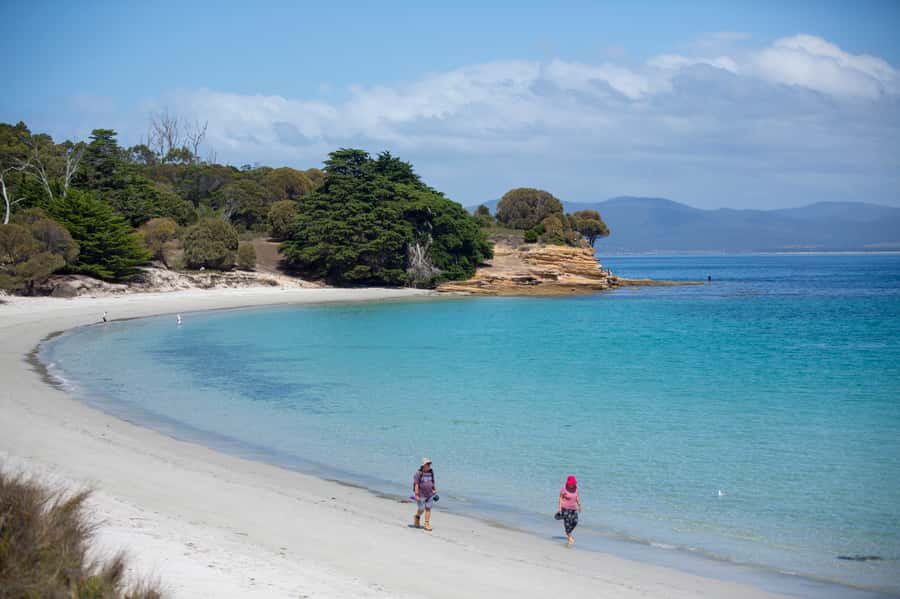
Darlington is one of Maria Island’s most important stops. The settlement is a UNESCO World Heritage convict site, and its preserved buildings help you picture the island as a working penal station rather than just a pretty place for walking.
Your guide adds useful context as you move among the buildings. The value here is not only in seeing old walls. Darlington gives the day a human scale. After the ferry, bush, and wildlife, you encounter the remains of a tightly managed settlement shaped by work, punishment, and isolation.
I would give this stop your full attention, even if your main reason for booking is wombats. The buildings are a strong counterpoint to the island’s wild side, and the guide-led interpretation helps you notice details you might otherwise pass without understanding.
The Painted Cliffs walk, 4.5 kilometers round trip
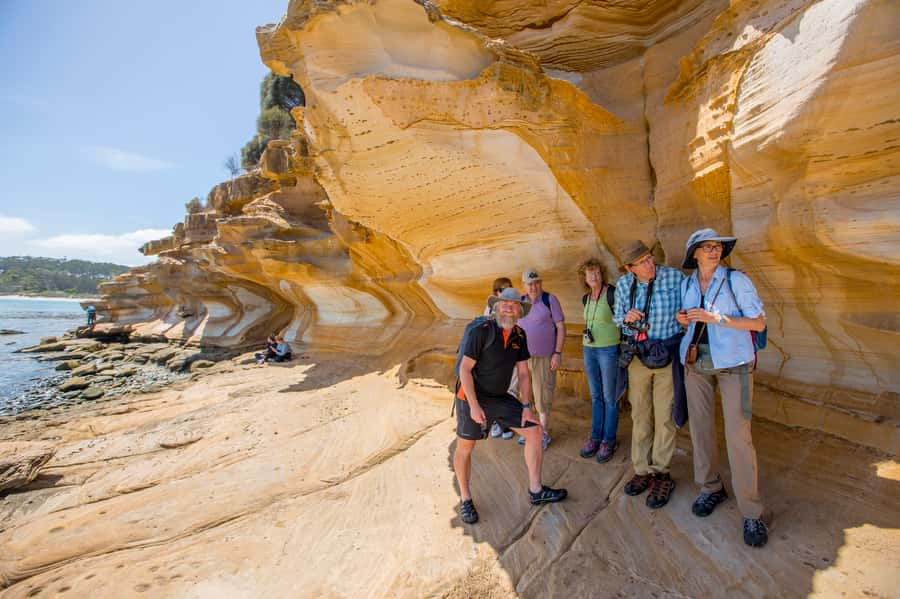
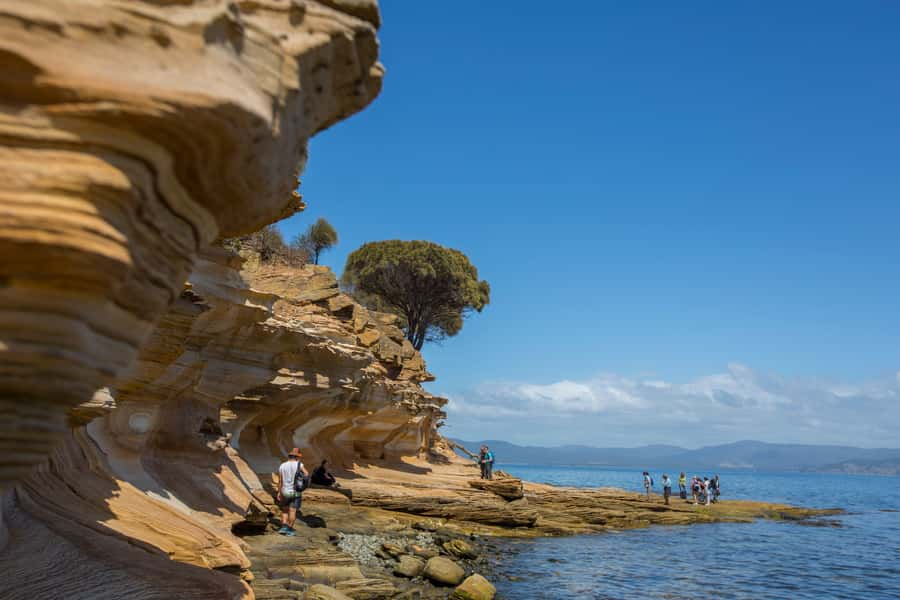
The walk to the Painted Cliffs is one of the visual highlights of the day. The route is described as easy, though it is still an unpaved walk and forms part of the day’s total distance.
At the cliffs, bands of color and unusual sandstone shapes appear along the coast. The formations look especially striking when the light is good, but the attraction does not depend only on sunshine. The layered rock gives you something to study up close, while the shoreline adds a sense of scale.
This is a good place to slow down. You can take photos, look around the rock pools, and enjoy the sea without feeling that you must rush from one viewpoint to the next. Some people may find the stop less rewarding if they expect a long beach break, since the main purpose is the walk and the geology. Still, it is one of the clearest examples of how Maria Island combines natural beauty with a story written in stone.
Same base, a different sort of day:
- Sydney: Opera House Guided Tour with Entrance Ticket
★ 4.8 · 8,312 reviews - All Inclusive Blue Mountain,Scenic World,Lunch,Koalas,ferry
★ 5.0 · 7,832 reviews - Great Ocean Road Small-Group Eco Tour from Melbourne
★ 5.0 · 6,607 reviews - From Melbourne: Great Ocean Road, 12 Apostles, Wildlife Tour
★ 4.7 · 6,020 reviews
The Fossil Cliffs and a much older Maria Island
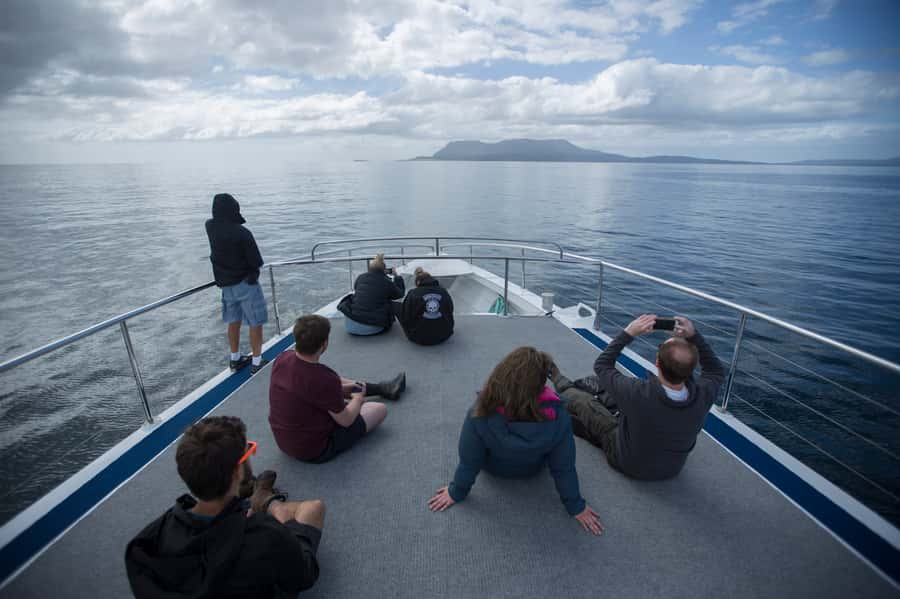
The Fossil Cliffs walk covers another 4.5 kilometers and follows the western side of the island over open hills and coastal cliffs. Here, the focus shifts from colorful sandstone to exposed fossils dating back about 300 million years.
That age is hard to grasp until you see the fossils in the rock itself. A guide can help connect the visible fragments with the island’s geological past, turning an attractive coastal walk into something more substantial.
The route includes windswept sections and small hills. It is generally considered easy, but the combined distance matters. By the time you reach the Fossil Cliffs, you have already spent much of the day outside, so comfortable shoes and a steady pace are important.
I like the contrast between the two cliff walks. The Painted Cliffs are about color and shape. The Fossil Cliffs are about time and evidence. Together they prevent the day from becoming a simple wildlife outing.
Wombats, wallabies, and the art of spotting wildlife
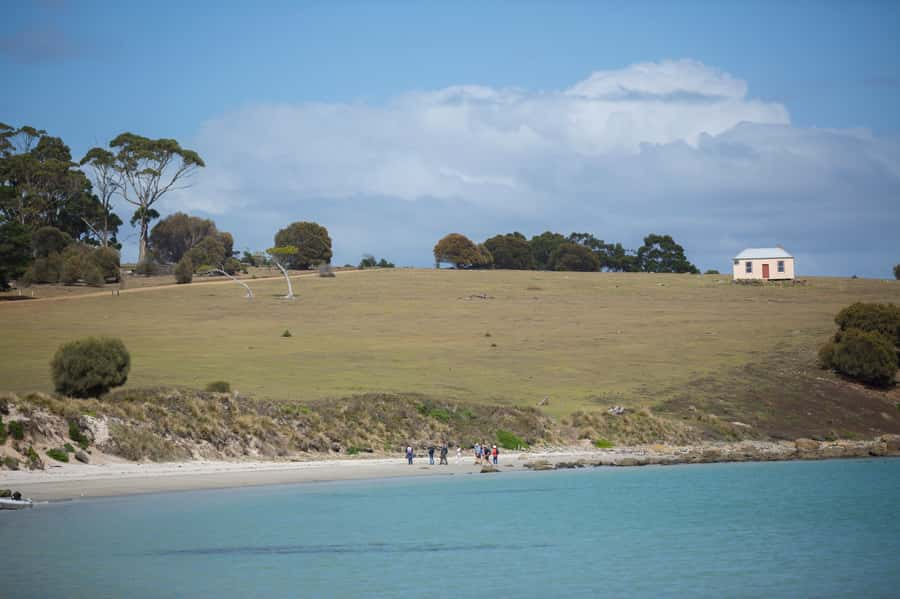
Wildlife is the part most likely to shape your memory of Maria Island. Wombats may wander near the walking routes, and the island also supports wallabies, kangaroos, pademelons, Cape Barren geese, bandicoots, possums, and many other birds. Tasmanian devils are also associated with the island, though no sighting is guaranteed.
The guides make a real difference here. Ben is praised for staying patient and continuing to search for wombats even in windy conditions. Other guides, including Heather, Lucas, and Nick, are noted for finding animals and explaining how to behave respectfully around them.
You should treat wildlife sightings as a bonus, not a promise. Some groups see several wombats, including babies, while another may see wallabies and kangaroos but no wombat. The setting itself remains worthwhile, but expectations matter.
When an animal appears, listen to the guide and keep your distance. The best guides do more than point at wildlife. They help you watch quietly, avoid disturbing it, and notice smaller creatures in tree tops, rock pools, and along the track.
How active is the day?
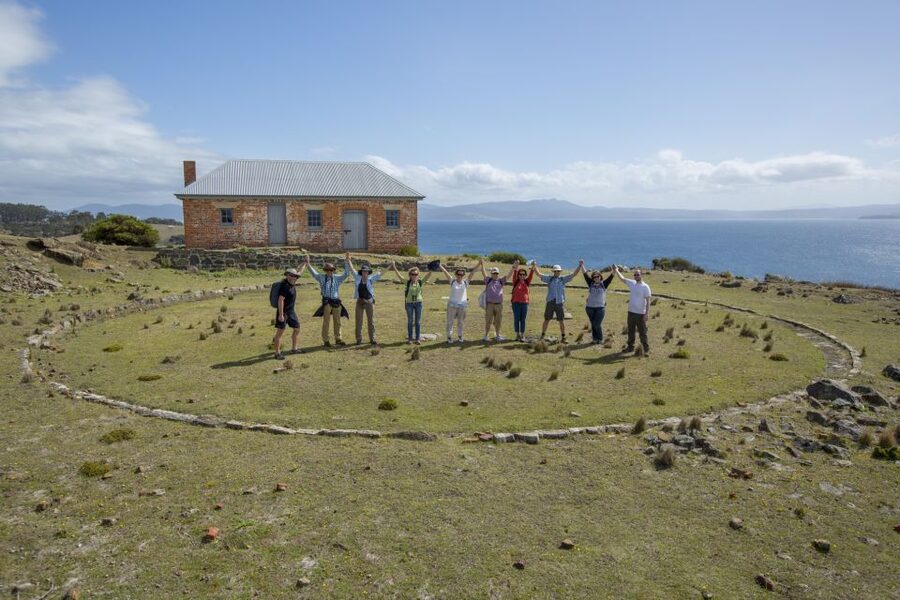
This is a moderate outdoor walk, not a gentle coach tour. The advertised walking total is approximately 10 kilometers, spread across the Darlington area, the Painted Cliffs route, the Fossil Cliffs route, and connecting sections.
The trails are mostly easy, but you should expect uneven ground, open hills, beach areas, and short inclines. One description calls out only one short incline, while other accounts make clear that you will walk up hills and across varied terrain to reach the best views.
You need good mobility and a moderate level of fitness. Closed-toe shoes are essential. A daypack is useful, but large bags and luggage are not allowed.
The tour is aimed at people aged eight and over. It is not suitable for wheelchair users or people with mobility impairments. If you enjoy walking but do not want a demanding mountain hike, this should be manageable. If 10 kilometers sounds like too much, the full-day schedule may feel tiring, especially if the group moves at a brisk pace.
Food, water, clothing, and the small details that matter
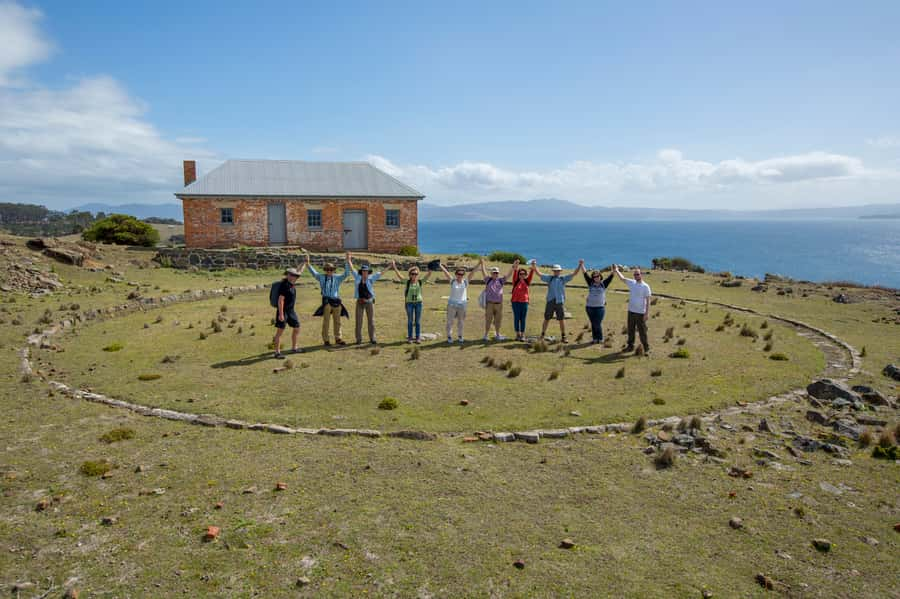
Meals and drinks are not included. Bring lunch, snacks, and plenty of water in a reusable bottle. One practical criticism of the arrangement is that carrying enough water for a full outdoor day can feel inconvenient, particularly when you are also carrying a jacket and personal items.
Dress in layers. Spring weather can change, wind can affect the cliffs, and rain does not necessarily stop the program. Pack sunscreen, a hat, a jacket, weather-appropriate outdoor clothing, and comfortable shoes.
You should also bring a daypack rather than a suitcase. The tour is built around walking, ferry travel, and a small vehicle, not storing large belongings at each stop.
There is no meal break listed as a major feature, so do not expect a long restaurant-style lunch. One older participant felt the lunch break was short after a delayed pace, while other people found the day comfortable and unhurried. Your experience can depend on group speed and conditions.
The benefit of a small group and flexible guiding
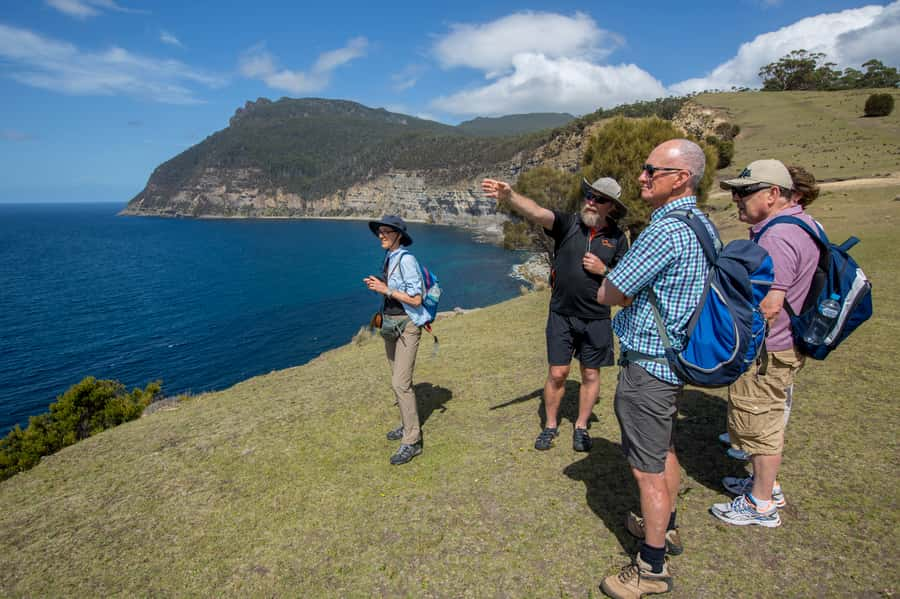
The small-group format is one of the tour’s strongest practical features. A guide can answer questions, stop to identify wildlife, and adjust the pace more easily than a large coach group.
The winter version is especially flexible. With shorter daylight hours, the guide chooses the best options according to weather, conditions, and the group’s pace. That means you may not experience every part in exactly the same rhythm as a summer departure, but the trade-off is a day that can respond to real conditions.
Guides are consistently described as friendly and clear. Trevor is noted for storytelling and looking after the group. Lucas is praised for a relaxed manner and strong explanations. Heather is credited with wildlife knowledge and good driving, while Ben is valued for his respect for the natural setting.
Guide quality matters here because the island does not explain itself all at once. A painted cliff is more interesting when you understand its formation. A fossil is more memorable when you grasp its age. A wombat encounter is better when you know how to watch without interfering.
Is the $152 price good value?
At $152 per person, the price includes the national park fee, return ferry tickets, transport from Hobart, a small-group experience, an English-speaking guide, guided walks, and interpretation.
That is solid value if you want to visit Maria Island without arranging the bus, ferry, park entry, timing, and walking route yourself. The tour also handles the demanding schedule. You can focus on the island instead of calculating how to connect each part of the day.
The price feels less generous if you want a relaxed beach day or prefer to explore independently. You still need to buy and carry your own food and drinks, and the 10-hour schedule is long. You are paying for access, transport, planning, and a guide who can find wildlife and explain the island, not for a catered outing.
Free cancellation is available up to two days before departure for a full refund, which gives you some useful planning flexibility. Book only after checking the meeting time and your ability to complete the walking program.
Who should book this Maria Island day trip?
I would choose this tour if you have one free day in Hobart and want a broad introduction to Maria Island. It suits nature lovers, walkers, amateur photographers, people interested in geology, and anyone keen to see Australian wildlife in a quiet setting.
It also works well if you prefer company and interpretation rather than managing the ferry and routes yourself. The guides add a lot, particularly when spotting wombats or explaining the convict settlement.
I would hesitate if your priority is swimming, lounging on a beach, or taking a slow independent walk. The program is active, the start is early, and your time is shared with the group. The island rewards patience, but the schedule still has to meet the ferry.
Should you book it?
Book this Maria Island tour if you want the island’s main themes in one day: wombats and wallabies, Darlington’s convict buildings, Painted Cliffs, Fossil Cliffs, and broad coastal views. The combination is the reason the trip works so well.
Skip it if you cannot comfortably walk about 10 kilometers or if you need a fully accessible outing. For everyone else, bring lunch, water, layers, and sturdy shoes, then let the day unfold at walking pace. The wildlife may steal the show, but the geology and Darlington give the experience lasting substance.
FAQ
How long is the Maria Island tour from Hobart?
The experience lasts about 10 hours. It includes roughly one hour of bus travel each way, a 30-minute ferry crossing each way, and several hours on Maria Island.
What time does the tour leave Hobart?
From October 1 to April 30, you meet at 6:40 AM for a 6:45 AM departure. From May 1 to September 30, you meet at 7:55 AM for an 8:00 AM departure.
How much walking is involved?
You should prepare for approximately 10 kilometers of walking across varied, unpaved terrain. The Painted Cliffs and Fossil Cliffs walks are each about 4.5 kilometers round trip.
Is food included?
No. Meals and drinks are not included, so bring lunch, snacks, and water. A reusable water bottle is recommended.
Is the tour suitable for children?
The minimum age is eight years. Children must also be able to manage the walking distance and uneven outdoor terrain.
What does the price include?
The $152 price includes the national park fee, return ferry tickets, transport, a small-group experience, an English-speaking guide, guided walks, and interpretation.
Just added in Australia
- 6-Day Tasmanian Explorer Adventure Tour from Hobart★ 5.0 · 66 reviews
- 3 day Tasmanian highlights tour – Hobart, Port Arthur and Bruny Island★ 5.0 · 41 reviews
- 7-Day Super Value Tour of Tasmania: Explore Tasmania’s West and East Coasts★ 5.0 · 77 reviews
- 4 Day Wild Tasmania Tour / Wildlife, Nature, Hiking / Inc. Accom★ 5.0 · 126 reviews
- A Day At Wineglass Bay★ 5.0 · 33 reviews
- 5-Day Best of Tasmania Tour from Hobart★ 5.0 · 184 reviews
- Enjoy a VIP Booth Shared Experience From Gympie★ 4.5 · 22 reviews
- Bruny Island Wilderness Cruise from Adventure Bay, Bruny Island★ 5.0 · 293 reviews
National Parks, compared.
Litchfield National Park and Jumping Crocodile Cruise
Read our review →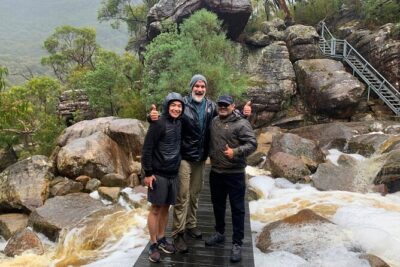
Grampians National Park Small-Group Eco Tour from Melbourne
Read our review →
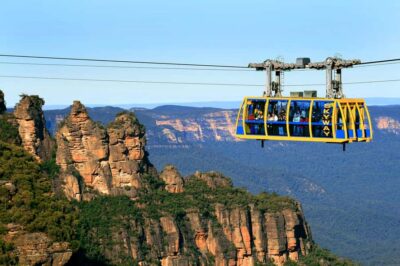
Blue Mountains National Park Tour with River Cruise
Read our review →
From Hobart/Adventure Bay: Bruny Island Wilderness Cruise
Read our review →
Port Arthur Full-day Guided Tour with Harbour Cruise and Tasman National Park
Read our review →
Bruny Island Wilderness Coast Eco Cruise with Lunch
Read our review →