
Reviewed · NATIONAL PARKS
Hobart: Maria Island National Park – Nature & Wildlife Adventure
Maria Island gives you a rare full day of wildlife, beaches, and convict history without needing to plan the ferry, park entry, or walking route yourself. The island’s wombats are the stars, but the Painted Cliffs, Fossil Cliffs, white beaches, and Darlington buildings give the day much more shape than a simple animal-spotting trip.
I like the mix of two things most: a small group capped at 19 people, and guides who make the walks meaningful. Guides including Matt, Heather, Ian, David, Trevor, Nick, and Clinton have been praised for lively storytelling and strong knowledge of the island. The ferry ride also adds a fine little sense of occasion.
The main catch is the schedule. You walk nearly 10 kilometres, catch ferries at fixed times, and must leave Hobart promptly at 6:45 am. The Painted Cliffs can also be unreachable at high tide, so you should treat them as a planned possibility rather than an absolute guarantee.
Key points to know before booking
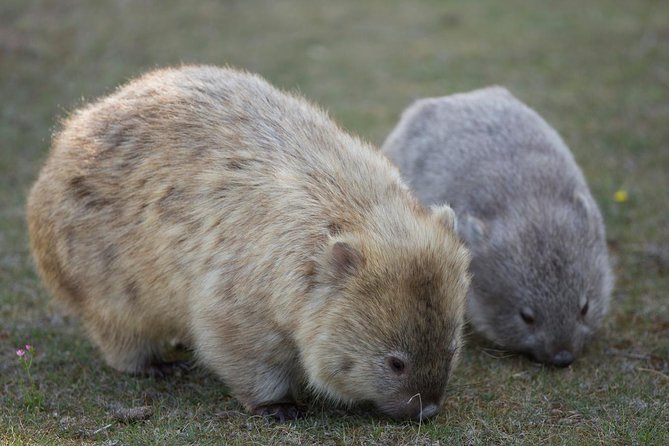
- Wombats are the most dependable wildlife highlight: You may also see wallabies, kangaroos, Cape Barren geese, pademelons, bandicoots, sea stars, and many bird species.
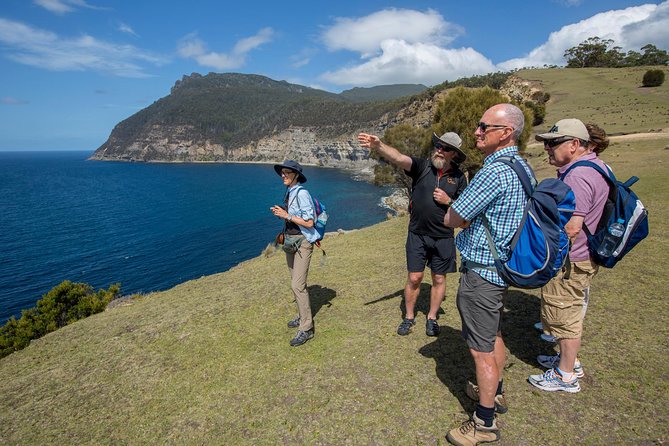
- The day includes almost 10 kilometres of walking: The pace is described as leisurely, but you still need moderate fitness and proper walking shoes.
- The Painted Cliffs depend on the tide: The trail is gentle, but the cliffs can only be reached safely at low tide.
- There are no shops on Maria Island: Bring lunch, snacks, and enough water. A food stop is usually made before the ferry.
- The tour runs in Tasmanian weather: Strong winds, heavy rain, and clear skies can all arrive in one day, so pack all-weather clothing.
- The price includes useful essentials: At $154.21 per person, you get return ferry travel, park entry, transport from Hobart, guided walks, and hotel drop-off at the end.
Why Maria Island makes such a good day from Hobart
Maria Island is reached by passenger ferry from Triabunna, which immediately gives the outing a different feel from a standard coach excursion. There are no cars or shops on the island. Once you arrive, you travel on foot, following tracks and boardwalks through bush, open ground, beaches, historic sites, and coastal viewpoints.
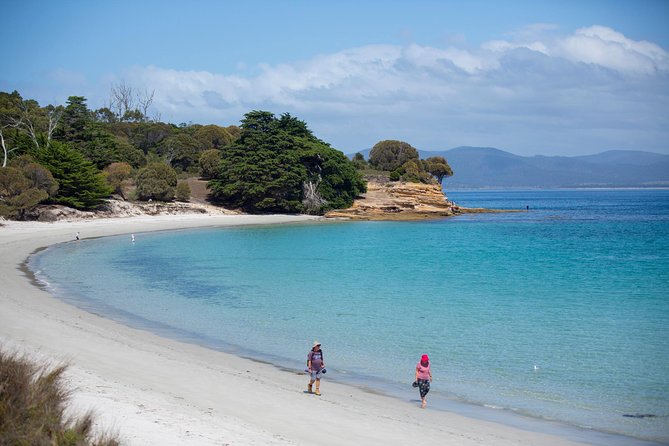
I like that the island offers several kinds of scenery in one day. One hour may put you among wombats near the old settlement, and another may take you to sea cliffs marked by unusual bands of colour. The beaches are quiet, the bays are sheltered, and the water can shift from dark blue to turquoise depending on the conditions.
The wildlife is not staged or fed for display. Your guide keeps the group on tracks and explains how to watch animals without crowding them. That matters here. Patience is part of the experience, and sightings are never fully guaranteed. You might see wombats and wallabies but miss kangaroos, or spot birds and pademelons instead.
The tour has a strong overall rating of 4.9 from 36 ratings, with 97 percent recommending it. That lines up with what the day does best: it combines a well-run outing with the feeling that you are spending time in a real national park, not moving from one photo stop to another.
A few more things to do in Hobart worth a look
- From Hobart/Adventure Bay: Bruny Island Wilderness Cruise
★ 4.8 · 601 reviews - Port Arthur Full-day Guided Tour with Harbour Cruise and Tasman National Park
★ 4.5 · 585 reviews - Hobart: Bruny Island Wilderness Coast Eco Cruise with Lunch
★ 4.8 · 498 reviews
The early start and drive to Triabunna
Your day begins at 6:45 am from 20 Davey Street in Hobart, with limited hotel pickup options. This is not a departure time to treat casually. The van must reach the ferry on schedule, and the operator warns that it may leave without late passengers.
The drive takes place in a climate-controlled vehicle, and there is normally a short stop before the ferry for sandwiches, rolls, or other food. Use it. Maria Island has no shops, and drinking water is limited. You need lunch, snacks, and a full supply of water for the day.
The early start is a trade-off, but it gives you the best chance of using the island time well. A 12-hour day sounds long because it is long. Still, the fixed ferry schedule means the hours are not wasted. You get a full walking day rather than a quick landing and hurried look around.
The return drive normally includes a chance to buy takeaway food, but do not rely on that for lunch. Pack first, then use the stop as a backup.
The Triabunna ferry crossing
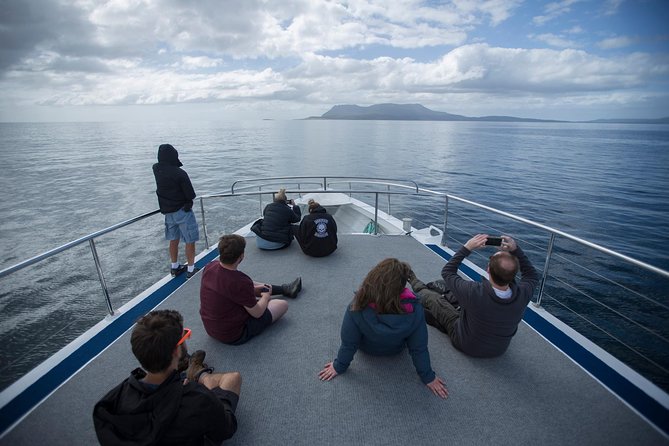
The passenger ferry from Triabunna takes about 30 minutes. It is part of the experience rather than just a transfer, since you can watch the water for dolphins, seals, penguins, and seasonal migrating whales.
The word seasonal matters. You may see cetaceans, but no one can promise whales on a particular crossing. Keep your eyes open, especially if the weather is clear, and have a jacket close by. The boat ride can feel cool even when Hobart was mild at departure.
The ferry also sets the pace for the day. Maria Island is not a place where you can change plans easily or jump in a car to cover more ground. You are working within the ferry timetable, which explains why some parts of the walk can feel brisk near the end.
Walking through Darlington and the convict past
Darlington is one of the most important parts of the day. It is a World Heritage convict site, and your guide explains the different stages of convict occupation and the difficult lives connected with the settlement.
This section gives the island emotional weight. The beaches and wildlife are easy to admire, but the old buildings and stories remind you that Maria Island was also a place of forced labour, hardship, and changing attempts at settlement. The history is often sad, and it is better presented as part of the island itself rather than as a separate museum stop.
Guides such as Ian have been singled out for bringing the history to life, while others including Matt, Heather, David, Trevor, Nick, and Clinton have been praised for mixing facts with humour and practical help on the walks. The individual guide matters because much of the island’s meaning comes through interpretation. You are not simply being pointed toward a ruin.
Same base, a different sort of day:
- Bruny Island Food, Sightseeing, Guided Lighthouse Tour & Lunch
★ 5.0 · 2,989 reviews - Full-Day Guided Bruny Island Tour from Hobart
★ 5.0 · 1,331 reviews - kunanyi/Mt Wellington Explorer Bus- Return Tour (2.5 hours)
★ 5.0 · 1,249 reviews - Hobart: Bruny Island Food, Sightseeing & Lighthouse Day Tour
★ 4.8 · 960 reviews
Fossil Cliffs and the longer walk
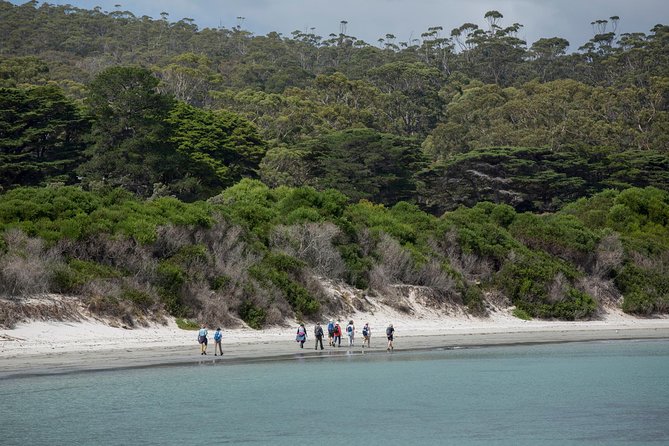
The Fossil Cliffs section is one of the two main walking routes and forms part of a total distance of almost 10 kilometres. The route is described as easy to moderate, but I would not confuse that with effortless. You need a reasonable level of fitness, especially if the day is windy, wet, or warm.
The cliffs reveal millions of years of natural history. Their value is not only visual. They help you read the island as a place shaped by time, water, rock, and changing life. Your guide provides the explanation, so you do not need specialist knowledge to appreciate what you are seeing.
The long walk is a good fit if you enjoy moving at a steady pace and stopping often for scenery and wildlife. It is less suitable if you want a mostly seated sightseeing day. There is no luggage storage on board, so bring only a small day pack with the essentials.
Wear shoes that can handle uneven walking tracks. Add a rain layer, sun protection, and swim gear if you want the option of using a sheltered bay. Tasmania can show strong winds, torrential rain, and clear skies in the same outing, as one especially memorable day demonstrated.
The Painted Cliffs and the tide problem
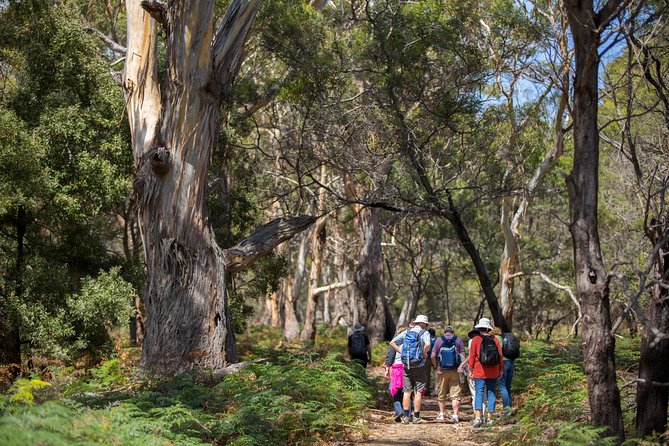
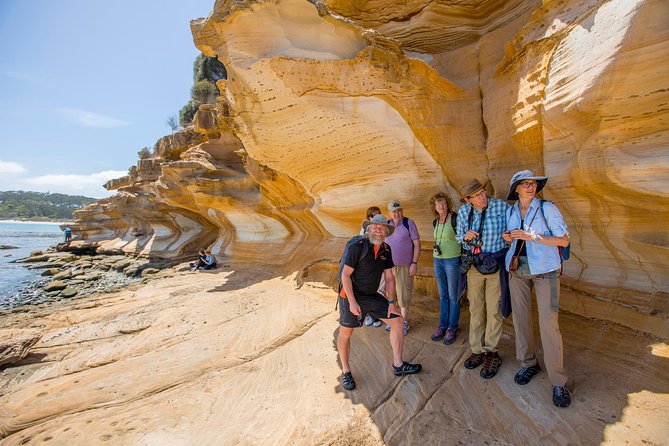
The walk to the Painted Cliffs is gentle and mostly flat. It leads toward Hopground Beach, with the coloured rock formations at the far end. This is one of the most photogenic parts of Maria Island, but access depends on the tide.
The cliffs can only be reached safely at low tide. If the water is high, your guide may need to turn back or change the plan. That is frustrating if the cliffs are your main reason for booking, but safety has to come first. Check the day’s conditions if you can, and keep your expectations flexible.
When access works, you get time to examine the unusual bands and shapes in the rock before returning along the trail. The beach itself adds to the appeal, even if the cliffs are not reachable.
I would not book this outing solely for one photograph. Book it for the wider combination of coastal walking, wildlife, history, and the possibility of seeing the Painted Cliffs in good conditions.
Wildlife watching without a zoo feeling
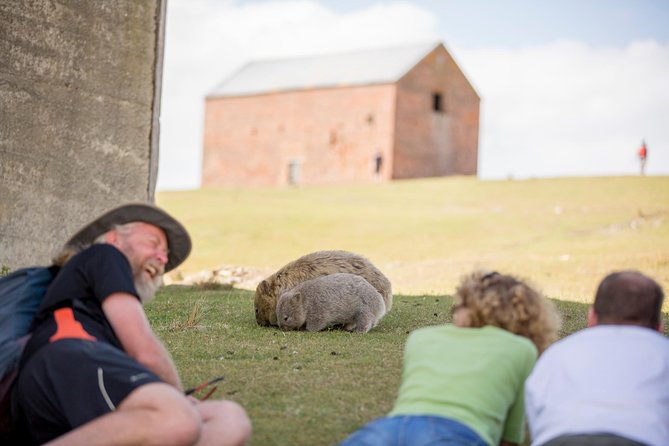
Maria Island is known for wombats, and they are often the most memorable animals of the day. You may also see wallabies, kangaroos, Tasmanian devils, Cape Barren geese, pademelons, bandicoots, little penguins, and a wide range of birds. The island supports around 125 bird species.
Some sightings are more likely than others. Several outings have produced wombats and wallabies, while kangaroos have occasionally failed to appear. That is normal for a wild place. You should enjoy the animals you find rather than judge the day by a checklist.
The guide’s approach is important. The group stays on tracks and boardwalks, watches from suitable distances, and avoids disturbing animals. You are encouraged to be patient and quiet rather than rush toward every movement.
The coastal wildlife list is just as appealing. Look for dolphins, seals, penguins, and migrating whales from the ferry or shoreline. Sea stars have also been spotted in the island’s waters and rock pools. Bring binoculars if you own a pair, though they are not listed as supplied.
Beaches, sheltered bays, and swimming
Maria Island’s beaches help break up the walking. You may find quiet stretches of white sand and sheltered bays where the water looks inviting. Swim gear is recommended, so you can take the chance if time, weather, and conditions suit.
Do not expect a resort-style beach stop. There are no shops, cafés, or easy conveniences on the island. A swim is a simple national park pleasure, and you must carry what you need.
The bays also give you a slower part of the day. After several hours of walking and listening, sitting near the water can be just as valuable as another viewpoint. Pack a lightweight towel if swimming is important to you, but keep your day pack manageable.
Is $154.21 good value?
At $154.21 per person, this is a fair price for a 12-hour day that includes transport from Hobart, the return ferry, national park entry, a professional guide, interpretive walks, and end-of-day return transport.
The value is strongest if you would otherwise need to arrange a rental car, ferry tickets, park access, food planning, and your own route. You also gain a guide who can point out animals and explain the convict site and geology as you walk.
Food and drinks are not included, so budget for your own lunch, snacks, and water. The group maximum of 19 keeps the outing smaller than a large coach tour, though it is not a private trip.
For me, the price makes sense if you want the island’s main features in one day and do not want to manage the ferry timing yourself. It is less attractive if you prefer to move slowly, avoid a long walking day, or stay overnight to reduce the time pressure.
Who should book this Maria Island trip?
You should consider it if you enjoy nature walks, coastal scenery, wildlife, and history in equal measure. It suits active adults and children aged eight or older who can manage a moderate walking day.
It is also a good choice if you value explanation. A guide can show you why the Fossil Cliffs matter, explain the convict settlement, and help you watch wildlife without causing harm.
You should think twice if you dislike early starts, fixed timetables, changeable weather, or carrying your own food and water. The day is not physically extreme, but nearly 10 kilometres on foot is a real commitment.
Families should judge the day by the youngest participant’s stamina. The minimum age is eight, but age alone does not tell you if a child will enjoy hours of walking and ferry travel.
Booking details that matter
Confirmation is provided at booking, but minimum numbers apply. If the operator cancels because too few people have booked, you are offered another date or experience, or a full refund.
The booking itself is non-refundable and cannot be changed for any reason, so check your dates carefully before paying. The tour ends back at the meeting point in Hobart, not at the airport, and airport drop-offs are not provided.
Be at 20 Davey Street before 6:45 am. If you are uncertain about the pickup arrangements, the supplied phone line opens at 6:30 am. That small bit of preparation can prevent a very expensive missed ferry.
Should you book it?
I would book this tour if Maria Island is high on your Hobart list and you want wildlife, scenery, and history in one tightly planned day. The wombats, ferry crossing, Darlington site, Fossil Cliffs, and Painted Cliffs give you a strong range of experiences for the price.
Go in prepared for a long day, not a casual island hop. Pack lunch, water, good shoes, swim gear, and clothing for sudden weather changes. Most important, keep the Painted Cliffs in perspective. They are a superb part of the day when the tide allows access, but Maria Island is worth visiting for far more than one coastal formation.
FAQ
How long does the Maria Island tour take?
The experience lasts approximately 12 hours, including the drive from Hobart, ferry travel, walking time on Maria Island, and the return journey.
Where does the tour start?
The listed meeting point is 20 Davey Street, Hobart, Tasmania 7000. Limited hotel pickup locations are available.
What time does the tour leave Hobart?
The tour departs promptly at 6:45 am. Late passengers may be left behind because the vehicle needs to reach the ferry on time.
Is food included?
No. You need to bring your own lunch, snacks, and water. There is usually a short stop before the ferry where you can buy sandwiches or similar food.
How much walking is involved?
The two main walking trails cover almost 10 kilometres in total. The walks are described as easy to moderate and take place at a leisurely pace, but a moderate level of fitness is required.
Can I swim during the tour?
Swim gear is recommended because Maria Island has sheltered bays and beaches. Swimming depends on the available time, weather, and conditions on the day.
Is the Painted Cliffs walk always available?
The walk is planned as part of the day, but the cliffs can only be reached safely at low tide. High tide or unsuitable conditions may prevent access.
What is included in the price?
The price includes the return ferry crossing, national park entry fees, professional guides, interpretive walks, and return transport to Hobart. Food, drinks, luggage, and airport drop-off are not included.
Just added in Hobart
- Mt Field National Park and Russell Falls from Hobart★ 5.0 · 49 reviews
- Shore Excursion-Hobart Wanderer★ 5.0 · 87 reviews
- kunanyi/Mt Wellington Ultimate Experience Tour from Hobart★ 4.5 · 83 reviews
- Maria Island Ferry – Hobart Bus Connection (Return Service)★ 5.0 · 23 reviews
- Hobart: Mt. Field, Mt Wellington & Wildlife – Active Day Tour★ 5.0 · 112 reviews
- Cradle Mountain OMG! Hobart to Cradle Active Day Trip★ 5.0 · 134 reviews
- Hobart Hop-On Hop-Off Bus & kunanyi/Mt Wellington Tour★ 4.5 · 42 reviews
- Hobart Shore Excursion: Hobart Attractions Bus★ 5.0 · 21 reviews
National Parks, compared.
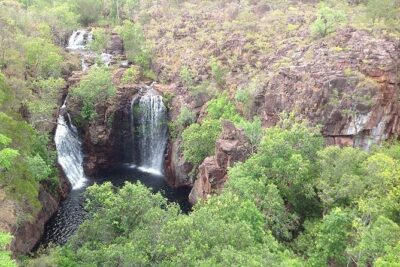
Litchfield National Park and Jumping Crocodile Cruise
Read our review →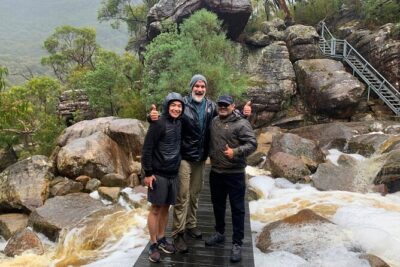
Grampians National Park Small-Group Eco Tour from Melbourne
Read our review →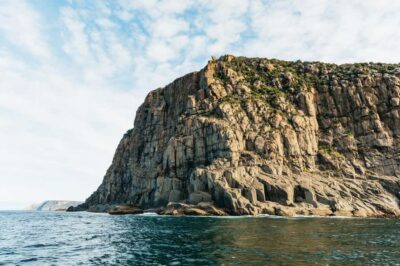
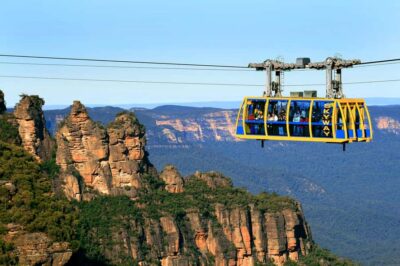
Blue Mountains National Park Tour with River Cruise
Read our review →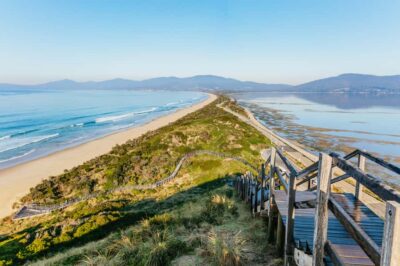
From Hobart/Adventure Bay: Bruny Island Wilderness Cruise
Read our review →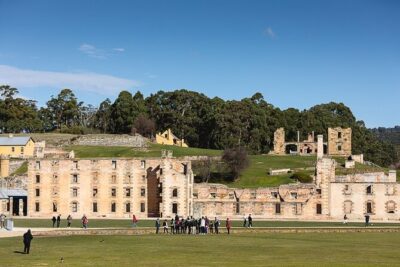
Port Arthur Full-day Guided Tour with Harbour Cruise and Tasman National Park
Read our review →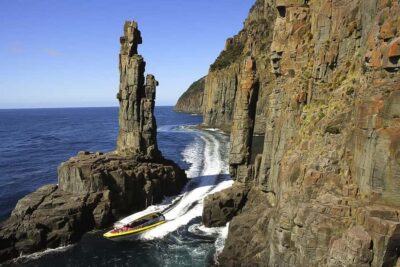
Bruny Island Wilderness Coast Eco Cruise with Lunch
Read our review →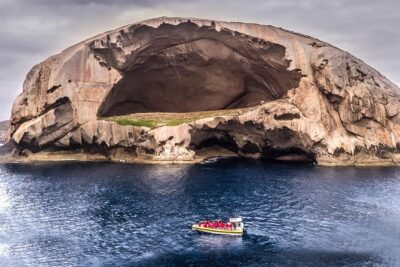
Wilsons Promontory Wilderness Cruise from Tidal River
Read our review →Browse the lists this tour appears in