
Reviewed · ULURU & KATA TJUTA TOURS
Kata Tjuta: Small Group Sunrise Tour with Picnic Breakfast
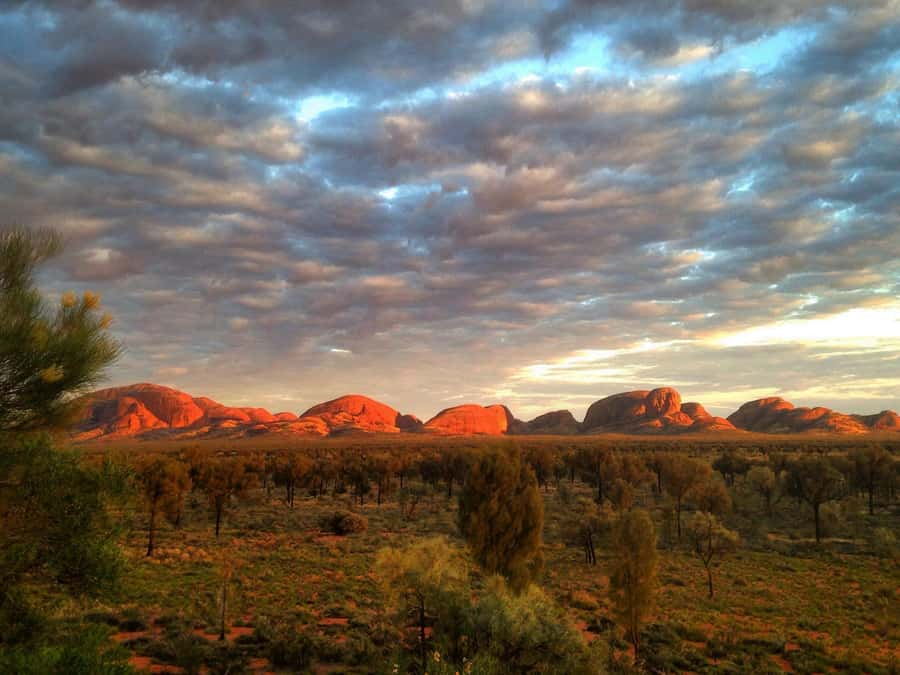
Kata Tjuṯa is at its best in the cool, quiet hours of morning, when the first light slowly picks out its 36 domes. This five-hour trip gives you two strong ways to see it: a sunrise viewpoint followed by a walk through Walpa Gorge.
I like the small group of no more than 11 and the guides’ broad knowledge of geology, plants, animals, history, and Anangu culture. The picnic breakfast is another plus, especially with muesli, toast, muffins, savoury items, and plunger coffee. The main catch is the early start and uneven gorge walk. Cold wind can also make the breakfast feel less inviting than it sounds, while hot days bring flies.
Key points to know before you book
- Sunrise comes first: Watch the changing colours of Kata Tjuṯa from a dedicated viewing area before the day heats up.
- Walpa Gorge gives you a closer look: The walk runs between huge conglomerate walls, with loose rock and some uphill sections.
- The group stays small: A maximum of 11 people makes it easier to ask questions and get help on the walk.
- Breakfast is more than a snack: Expect a filling spread with sweet and savoury choices, plus plunger coffee.
- The guides add real value: Guides including Tess, Max, Andy, Jess, Ben, and Shae have been praised for their clear explanations and thoughtful pacing.
- Plan for park fees and conditions: National Park entry costs extra, and you should bring closed shoes, a hat, water, and a daypack.
Why Kata Tjuṯa works so well at sunrise
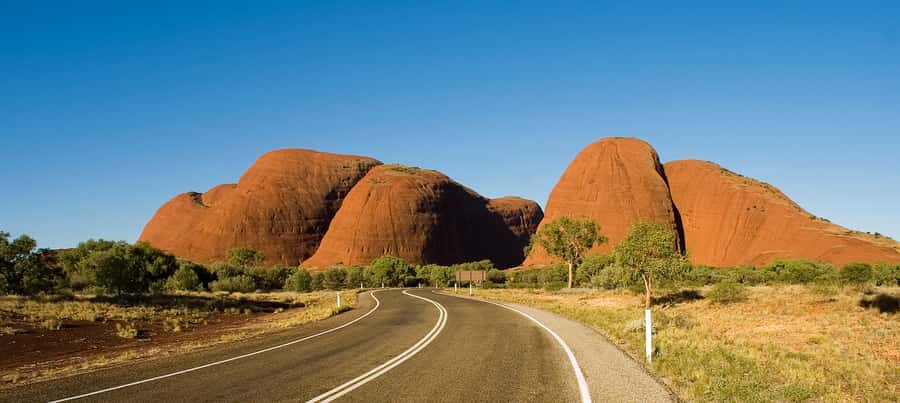
Uluru gets much of the attention around Ayers Rock Resort, but Kata Tjuṯa can feel like the more rewarding morning outing. Its 36 rounded domes stretch across the desert, and the changing light gives each dome a different tone as the sun rises.
Your guide collects you at the entrance to your accommodation at Ayers Rock Resort. From there, you travel to Uluru Kata Tjuṯa National Park and continue about 40 kilometres through the desert to Kata Tjuṯa.
The early start matters. Temperatures are often more comfortable before the heat builds, and the low light makes the rock formations easier to watch changing colour. You are not simply arriving at a static viewpoint, taking one picture, and leaving. The idea is to give the morning time to unfold.
Cloud can affect the show. One morning had little visible sunrise because of overcast weather, so you should treat the sunrise as a natural event rather than a guaranteed performance. Even in poor conditions, the domes and the gorge remain worthwhile, but the colour changes may be muted.
Other trips to the rock and the domes from Yulara:
- Uluru: Field of Light Sunrise Tour with Hot Drinks
★ 4.6 · 572 reviews - Uluru 15-Minute Helicopter Experience
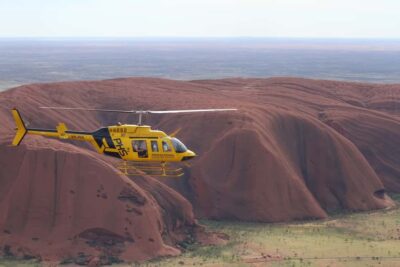
★ 4.9 · 548 reviews - Yulara: Uluru & Kata Tjuta 25-Minute Helicopter Experience
★ 4.8 · 536 reviews
The viewing area and the first light
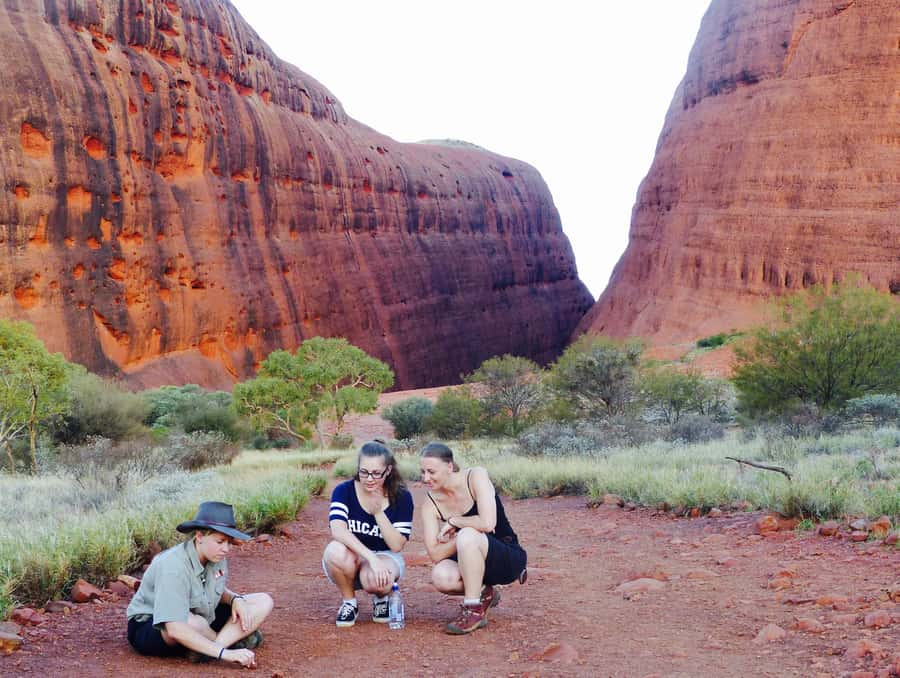
At the viewing area, you walk to a good position for seeing the domes open out before you. Your guide can explain how Kata Tjuṯa was formed, how weathering shaped its surfaces, and why the site has cultural importance.
This is also a useful point to ask questions. In a large coach group, you might hear a short commentary and little else. Here, the group size lets you ask about the rock, local plants, animals, history, and Anangu culture without waiting for a formal question period.
Bring your camera, but do not spend the entire sunrise looking through it. The colours shift quickly, and the broad view is the reason to be here. The viewing platform can become crowded, especially at the most popular moments, so patience helps when you want a clear photo.
The guide may also help take pictures of your group. That small service matters if you are travelling alone or want a photo with the domes behind you.
A picnic breakfast beside the red rock
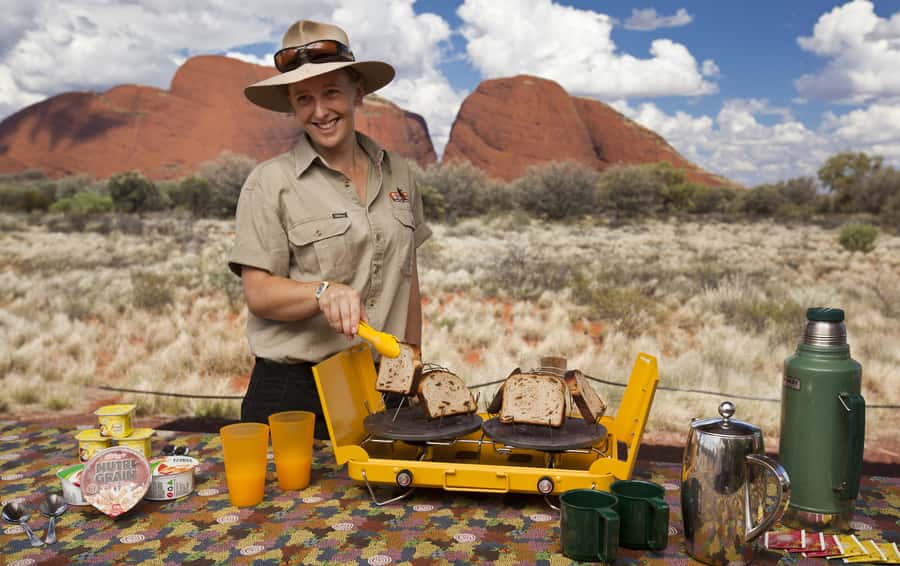
After the sunrise stop, the tour heads to the western side of Kata Tjuṯa for breakfast. The exact setup can depend on the weather, but the meal is intended to give you a proper start before the walk.
The food has included muesli, toast, muffins, savoury choices, sweet items, and plunger coffee. It is more substantial than a packaged snack, and the coffee has received particular praise. You also receive a bottle of water, though you should still bring your own water as advised.
Breakfast is one of the tour’s better practical touches. You have already been up early, driven into the park, and spent time outside. Having food before Walpa Gorge keeps the outing from becoming a long stretch of sightseeing on an empty stomach.
There is one weather-related limitation. A cold morning with strong wind can make a breakfast designed for warmer conditions feel underwhelming. If the forecast looks chilly, wear layers and keep your expectations realistic. On a mild morning, the meal is a pleasant outdoor break with Kata Tjuṯa as the backdrop.
Walking into Walpa Gorge
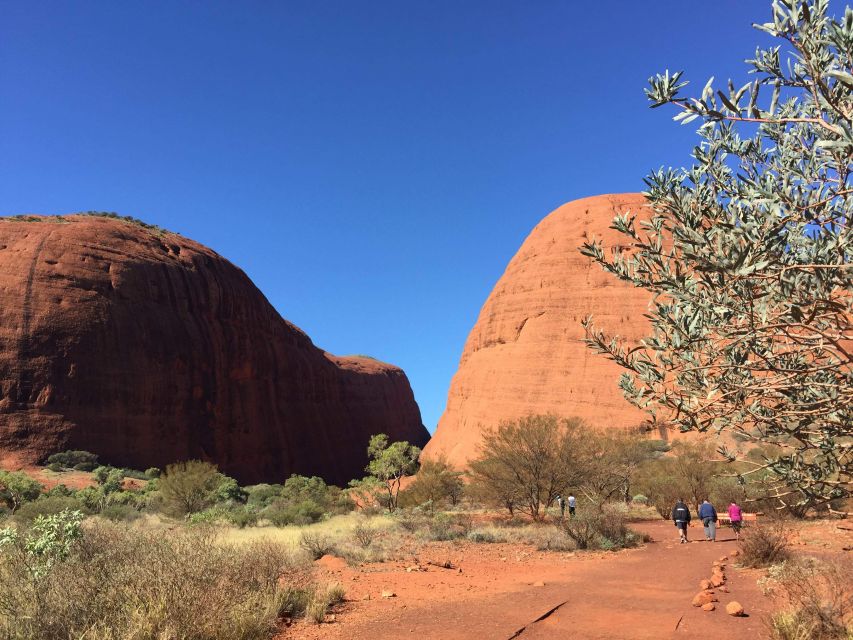
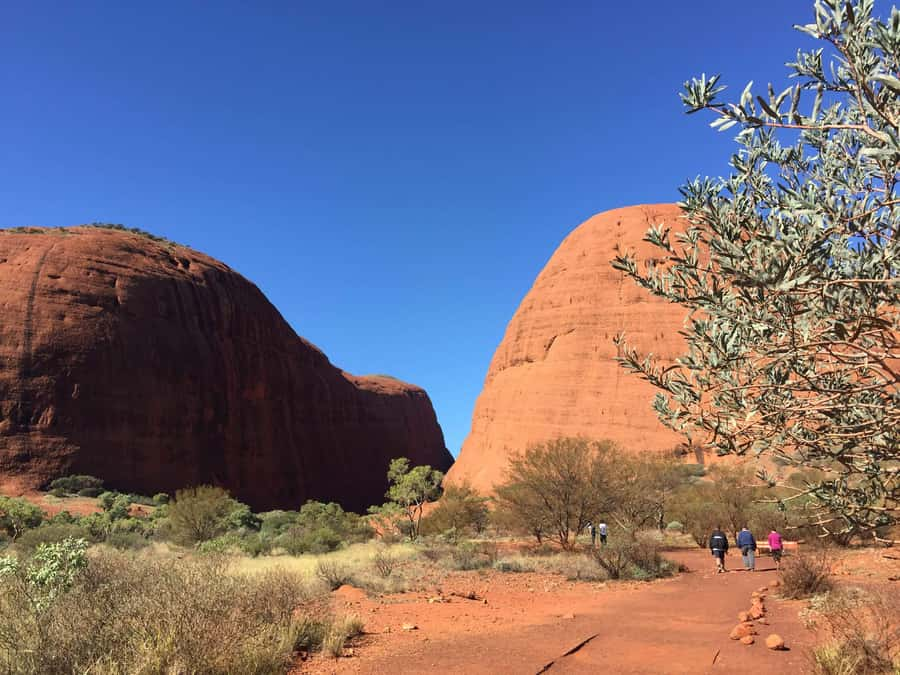
Walpa means wind, a fitting name for the gorge where air can whistle between the large domes. The walk takes you between walls of conglomerate rock, a mixture of stones bound together over immense periods of geological change.
This is where the tour becomes more than a sunrise transfer. From the viewpoint, you admire the shape of Kata Tjuṯa. Inside the gorge, you see the rock close up and gain a better sense of its scale.
The guide explains the geology as you walk, along with the plants and other features around the trail. The site also has cultural significance as a sacred ceremonial area, so the commentary is not limited to rock formation facts. A good guide helps you understand that Kata Tjuṯa is both a geological wonder and an important living cultural place.
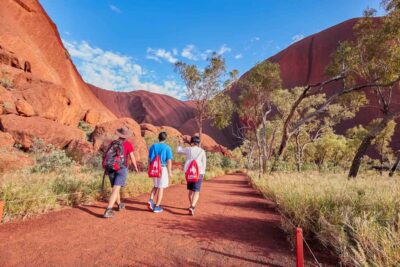
Do not assume this is a flat, paved stroll. The surface is uneven, with loose stones and some uphill sections. One account described the walk as quite challenging, while another found it easy. That difference makes sense because fitness, weather, footwear, and walking pace all change the experience.
You should be reasonably steady on your feet. Closed-toe shoes are essential, and walking poles may help if you want extra stability. Benches are available along the route, including near the beginning, so you can take a break or shorten your walk if needed.
Your guide stays involved rather than simply pointing you toward the trail. Guides have helped participants at awkward parts, adjusted the pace, and checked that everyone could manage. That makes the walk more approachable, but it does not remove the uneven ground.
Same base, a different sort of day:
- Yulara: Uluru Sunrise and Kata Tjuta Day Trip by Bus
★ 4.5 · 469 reviews - Uluru: Sacred Sites & Sunset Tour with Wine & Cheeseboard
★ 4.5 · 450 reviews - Uluru Base Segway Tour at Sunrise
★ 4.9 · 378 reviews - From Yulara: Uluru Tour and Sunset BBQ
★ 4.6 · 320 reviews
The small-group difference
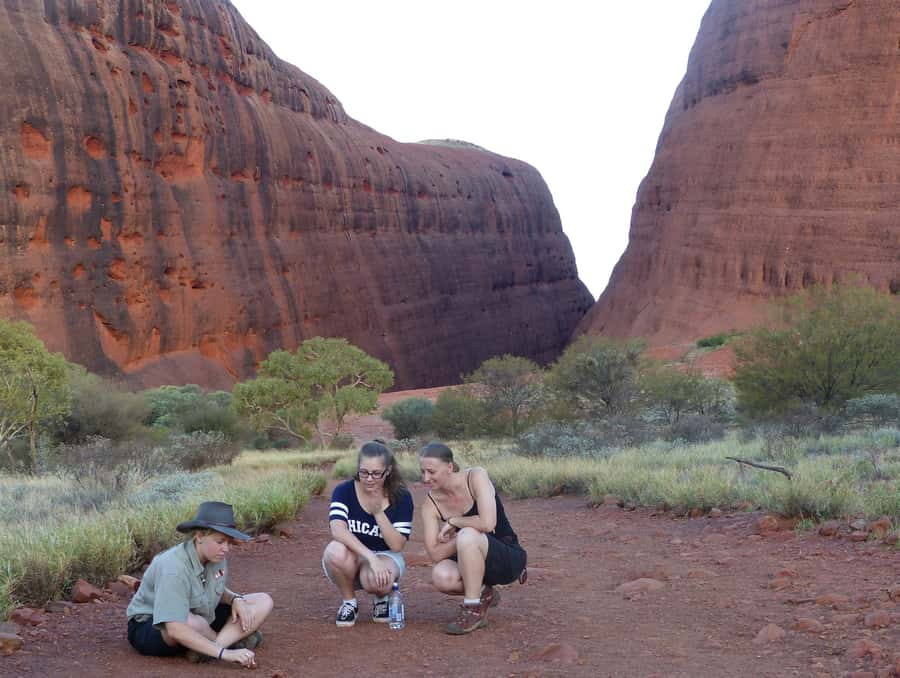
A maximum of 11 people is one of the clearest reasons to choose this tour over a larger bus outing. You can hear the guide more easily, ask follow-up questions, and get a more personal explanation of the area.
The guide quality appears to be a major part of the experience. Tess has been praised for covering geology, flora, fauna, local history, and Anangu culture while keeping the morning relaxed. Max, a trained biologist, added extra detail about plants and trees. Andy was described as engaging and entertaining, while Jess was noted for setting a comfortable pace.
Other guides, including Ben, Shae, Dan, Laura, Alessia, Nadine, and Michael, have also been singled out for their warmth, organisation, cultural care, or ability to explain the area. You cannot choose a particular guide when booking, but the range of strong guide reports suggests that the company puts real weight on interpretation.
That said, a guide’s style will shape your morning. Some people want a quiet sunrise and short explanations. Others want to ask about every plant and rock. This tour is better suited to the second group, since its value comes partly from the information between the stops.
Transport, timing, and what the five hours include
The tour runs for five hours, with pickup and return at Ayers Rock Resort. Starting times change by date, so check availability before booking. The morning includes the resort pickup, the drive into the national park, the sunrise stop, breakfast, the Walpa Gorge walk, and the return trip.
The transport has received a strong rating, and punctuality has generally been part of the appeal. Still, allow room in your wider Uluru itinerary. Some people have flights or other activities later in the day, and a guide may check if anyone needs to be back by a certain time, but you should not treat that as a guarantee of an early return.
First Nations music may be played on the bus, adding a respectful sense of place during the drive. Commentary is in English. Optional iPod audio is available in French, German, Spanish, Italian, Russian, and Mandarin, which helps if you want extra language support while still having an English-speaking guide.
The national park entry fee is not included. Tickets cost $25 for each person over 15 and $12.50 for children aged 5 to 15. They are valid for three consecutive days from the date of issue and can be purchased at the entry station.
Is $169 good value?
At $169 per person, this is not the cheapest way to see Kata Tjuṯa. You are paying for transport from Ayers Rock Resort, a guide, the sunrise timing, breakfast, the gorge walk, and a group capped at 11 people.
I think the price is fair if you have limited time in the Red Centre or do not have a rental car. The transfer alone removes the need to plan the national park drive, and the guide adds context that you would miss by simply walking to a viewpoint. The meal also saves you from arranging breakfast before a very early departure.
The value is weaker if you already have transport, park access, and a strong plan for visiting Walpa Gorge independently. You would also need to be comfortable managing the route and interpreting the site without a guide.
The tour is particularly useful for first-time visitors who want an organised introduction to Kata Tjuṯa. It combines the main morning highlights without trying to fill the schedule with too many stops.
How to prepare for flies, cold, heat, and uneven ground
Your packing list should be simple but deliberate:
- Wear closed-toe shoes with a firm sole.
- Bring a hat, water, and a small daypack.
- Carry extra layers in winter or whenever cold wind is forecast.
- Consider a fly net during warmer periods.
- Bring cash, as advised for the activity.
- Take walking poles if uneven ground makes you less confident.
Fly conditions vary. One March outing had severe flies, while another late-October visit had few problems. A net is inexpensive insurance, especially if you dislike insects around your face.
January and other hot periods can make an early start especially useful, since much of the outdoor activity happens before the worst heat. Winter mornings can bring cold wind, so do not assume that a desert destination always means warm clothing is unnecessary.
Infants aged 0 to 4 require a car seat under Northern Territory rules. The listed additional cost is $75, payable directly, and the infant price includes the tour and car seat hire. Confirm the arrangement when booking so there is no confusion on the morning.
Free cancellation is available up to three days before departure for a full refund. That gives you some flexibility if the forecast looks poor, though it does not guarantee a sunrise on a rescheduled day.
Who will enjoy this Kata Tjuṯa morning?
I would choose this outing if you want a focused introduction to Kata Tjuṯa rather than a full day of long walks. The drive, sunrise, breakfast, and gorge walk create a clear half-day plan.
It suits couples, families with older children, solo visitors, and anyone who prefers a guide nearby on uneven ground. The small group is also a good fit if you enjoy asking questions or want help with photographs.
You should think twice if you dislike early starts, outdoor breakfasts, or walking on loose rock. The tour is not a strenuous expedition, but the gorge path is not a smooth, fully accessible promenade either.
It is also worth remembering that weather controls the sunrise. Clouds, cold, wind, and flies can all affect comfort. The rock and the cultural setting remain impressive, but the morning may not match the ideal image in your head.
Should you book it?
Book this tour if you want Kata Tjuṯa explained as well as seen. The combination of sunrise, a filling picnic breakfast, and Walpa Gorge gives you a useful first look at the area, while the small group keeps the experience personal.
I would especially recommend it for a first visit to Ayers Rock Resort, anyone without a car, and visitors who want geology, plants, local culture, and practical guidance woven into the morning. Skip it only if you already have transport and prefer to explore independently, or if the uneven walk would be uncomfortable.
The best preparation is straightforward: check the forecast, bring layers, wear proper shoes, and carry a fly net when conditions call for one. With those details handled, the $169 price buys more than a sunrise photo. It gives you a well-paced introduction to one of the Northern Territory’s most remarkable places.
FAQ
How long does the Kata Tjuṯa sunrise tour last?
The tour lasts five hours, including pickup and return at Ayers Rock Resort, the sunrise viewing stop, breakfast, and the Walpa Gorge walk.
Where does pickup take place?
Your guide meets you at the entrance of your accommodation at Ayers Rock Resort.
How large is the tour group?
The group is limited to a maximum of 11 people.
Is breakfast included?
Yes. An outback picnic breakfast is included, with options that have included muesli, toast, muffins, savoury items, sweet items, and plunger coffee.
Is national park entry included in the price?
No. Entry tickets are purchased separately at the park entry station. They cost $25 per person over age 15 and $12.50 for children aged 5 to 15.
What languages are available?
The live guide speaks English. Optional audio is available in French, German, Spanish, Italian, Russian, and Mandarin.
What should I bring?
Bring a hat, water, closed-toe shoes, cash, and a daypack. A fly net and walking poles may also be useful, based on conditions and your comfort on uneven ground.
Is the Walpa Gorge walk difficult?
The trail has uneven surfaces, loose rocks, and some uphill sections. It may feel easy to some people and challenging to others. Benches are available, and sensible footwear is important.
Can I cancel for a full refund?
Yes. You can cancel up to three days in advance for a full refund.
Just added in Yulara
- Best of Uluru – Segway and Walking Tour★ 4.8 · 204 reviews
- King’s Canyon: 15-minute Scenic Helicopter Tour★ 4.9 · 78 reviews
- Yulara: Uluru and Kata Tjuta Sunset Helicopter Tour★ 4.9 · 148 reviews
- From Yulara: 3-Hour Small Group Kata Tjuta Afternoon Tour★ 4.7 · 101 reviews
- From Yulara: Uluru Tour and Sunset BBQ★ 4.6 · 320 reviews
- Uluru: Uluru Base Segway Tour★ 4.6 · 112 reviews
- Uluru Base Segway Tour at Sunrise★ 4.9 · 378 reviews
- Uluru: Sacred Sites & Sunset Tour with Wine & Cheeseboard★ 4.5 · 450 reviews
Uluru & Kata Tjuta Tours, compared.

Ayers Rock Day Trip from Alice Springs Including BBQ Dinner
Read our review →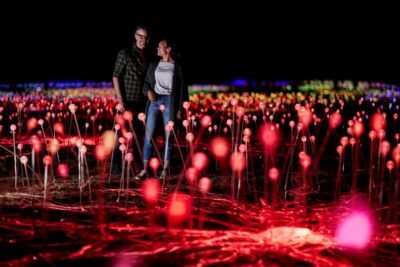
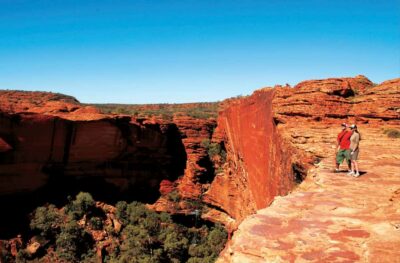
Kings Canyon: Full-Day Tour from Ayers Rock Resort
Read our review →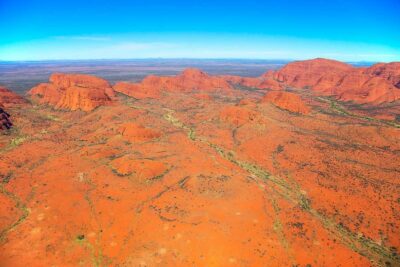
Uluru & Kata Tjuta 25-Minute Helicopter Experience
Read our review →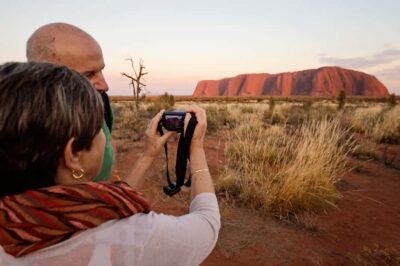
Sacred Sites & Sunset Tour with Wine & Cheeseboard
Read our review →Browse the lists this tour appears in