
Reviewed · TOURS IN MELBOURNE
Melbourne Laneways Tour
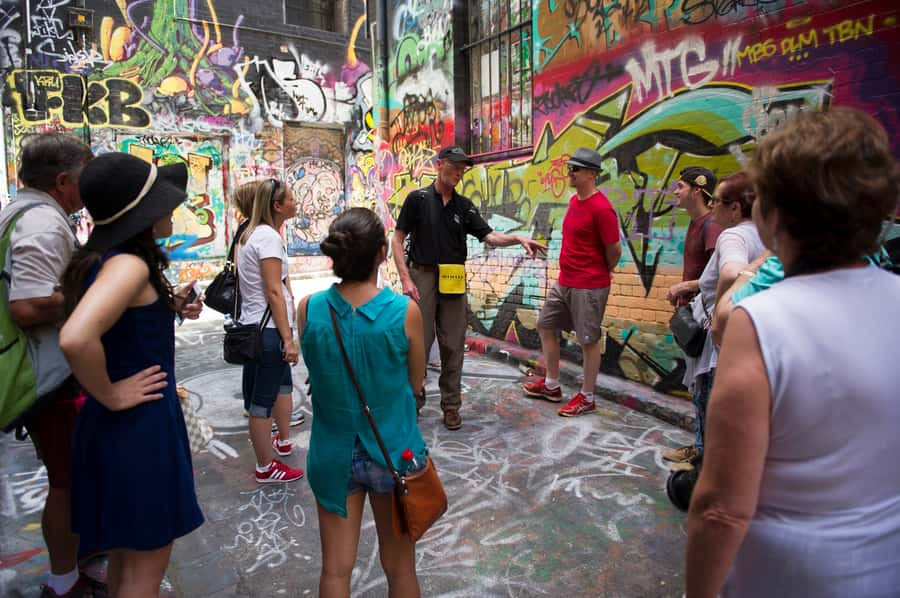
Melbourne’s best stories are often found down the narrow lanes between its grand streets. This three-hour walk takes you past street art, old buildings, arcades, galleries, and tucked-away cafés, while a local guide explains how Melbourne grew from a gold-rush city into Australia’s cultural capital. Guides such as Kathy, San, and John are praised for making the city’s past easy to follow and its small details hard to miss.
I like the small group limit of 10, which gives you room to ask questions and keep up with the guide. I also like the coffee stop, a simple but useful pause in a walking tour that covers plenty of ground. The main consideration is that this remains a three-hour city walk, so comfortable shoes and the ability to manage uneven laneways matter.
Key points to know before you book
- The tour begins beside St Paul’s Cathedral: Meet on the church’s front walkway between the Flinders Street entrance and the Swanston Street side door. Look for a blue bag with a yellow sash.
- Expect more than graffiti: The route brings together architecture, gold-rush history, hidden shops, galleries, arcades, café culture, and street art.
- Guides make the difference: Kathy, San, John, Sam, and other local guides are praised for clear storytelling, local recommendations, and a pace that suits the group.
- The coffee stop is included: It breaks up the walking and gives you a taste of Melbourne’s café culture without adding a separate charge.
- The group is capped at 10 people: That is small enough for conversation, questions, and easier movement through tight lanes.
- Book early in your stay if possible: The route and food, bar, gallery, and shopping suggestions can help shape the rest of your Melbourne visit.
Starting beside St Paul’s Cathedral
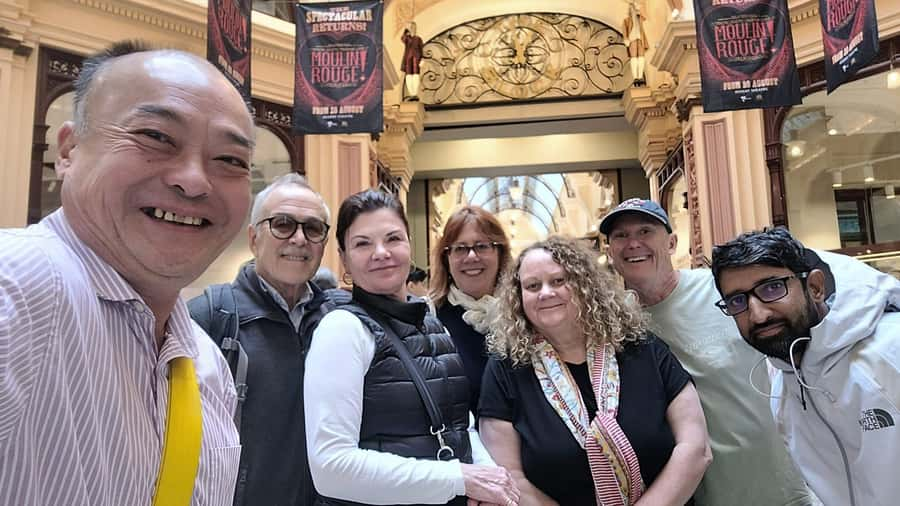
The meeting point is easy to identify in central Melbourne: St Paul’s Cathedral, at the corner of Flinders Street and Swanston Street. You meet on the front walkway between the cathedral’s main entrance on Flinders Street and its side door on Swanston Street.
That location gives the tour a useful beginning. You are not starting in an anonymous side street. You are meeting beside one of the city’s major landmarks, close to the central grid and the riverfront. The guide’s blue bag with a yellow sash should make the group easier to spot.
Once everyone has arrived, the walk shifts away from the broad streets and into smaller passages. The change in scale is part of the appeal. Melbourne’s grand public buildings tell one story, while its lanes reveal the city’s working life, café habits, shopfronts, service alleys, and changing street-art culture.
Because this is a small group, you should be able to hear the guide without the constant strain that comes with a large walking tour. That matters in narrow streets, where traffic noise, building walls, and passing pedestrians can make a soft voice hard to catch.
Other trips people book in Melbourne:
- Great Ocean Road Small-Group Eco Tour from Melbourne
★ 5.0 · 6,607 reviews - From Melbourne: Great Ocean Road, 12 Apostles, Wildlife Tour
★ 4.7 · 6,020 reviews - Laid back, Yarra Valley Wine Tour: Wine, Cider, Gin, Beer + Choc
★ 5.0 · 4,552 reviews
How the three-hour walk unfolds
This is not a simple march from one famous mural to another. The route is described as a changing mix of history, architecture, street art, galleries, shops, stories, and cafés. The exact order can vary, which makes sense in a city where artwork changes and independent businesses open or close.
The first part usually helps you understand Melbourne’s central layout and its early development. The guide connects the streets and buildings you see with the city’s gold-rush era and later growth. That background gives more meaning to the lanes. You are not just looking at old brickwork or narrow passages. You are learning why the city developed this unusual pattern of streets and service lanes.
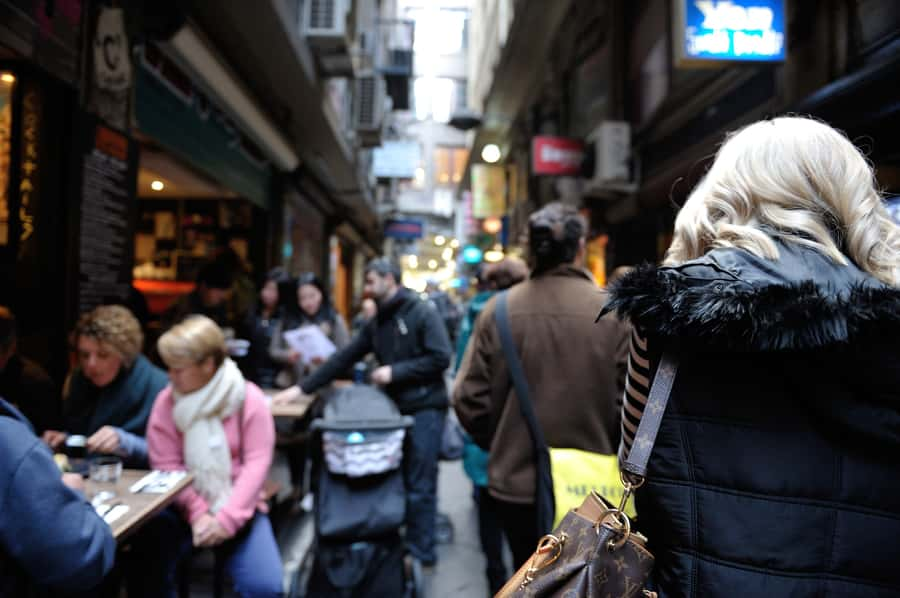
The route then moves into smaller spaces where the city feels less formal. You might pass a gallery entrance that is easy to overlook, a shop tucked behind a plain doorway, or a café that would be difficult to find without local direction. This is where the guide’s role becomes more useful than a map. A map can show you where a lane is, but it cannot explain why a building matters or which doorway is worth opening.
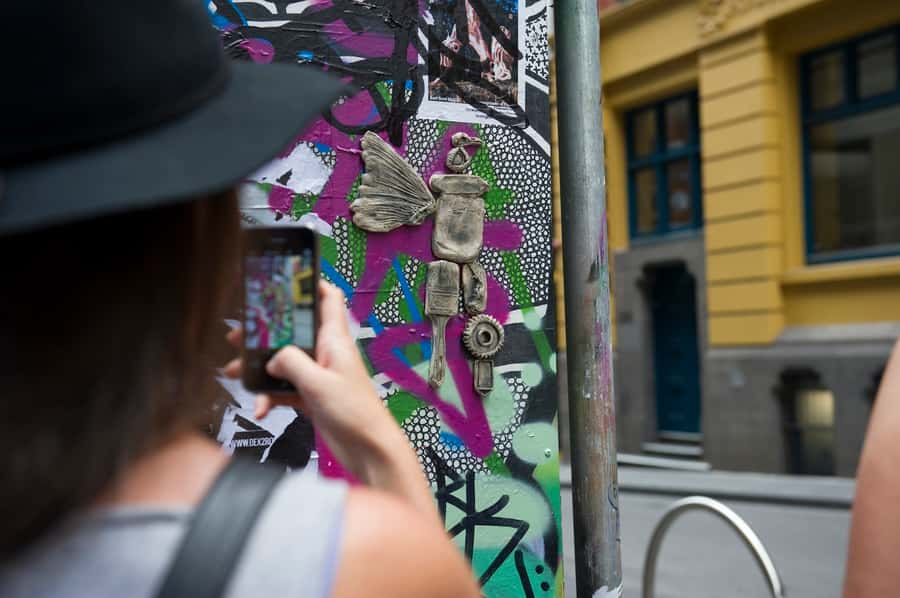
Street art is a major part of the walk, but it is treated as one layer of Melbourne rather than the whole story. Guides have pointed out small Space Invader pieces, work linked to well-known artists, and Banksy’s parachute rats. Artwork is subject to change, so you should think of those examples as part of the city’s continuing art scene, not a guaranteed checklist.
A particularly nice possibility is seeing an artist working on a piece. One group happened upon a street artist on a ladder, an encounter that gave the art a more human scale. You may not get the same moment, but the walk puts you in the right kind of setting for it.
Street art with context, not just photo stops
You can find photographs of Melbourne’s famous lanes before you arrive. The benefit of this tour is learning to look past the obvious mural.
A guide can point out small works that you might otherwise miss, explain how a lane’s appearance changes, and show the contrast between commissioned pieces and quick, temporary marks. That makes the art feel less like decoration and more like part of the city’s public conversation.
The tour also helps you see how street art shares space with historic façades, modern apartments, offices, restaurants, and old arcades. Melbourne’s character comes from that mixture. One wall may carry a carefully planned artwork, while the building beside it preserves an older commercial detail.
If you are mainly seeking a long list of famous murals, this may feel less focused than a dedicated street-art tour. The strength here is the broader picture. You get art, but you also get architecture, urban history, and the small businesses that make the lanes worth exploring.
Bring a phone or camera if you like taking pictures, but do not let it turn the walk into a photo hunt. Some details are easy to miss while framing a shot, and the guide’s explanations are a large part of the value.
Melbourne’s gold-rush past and city architecture
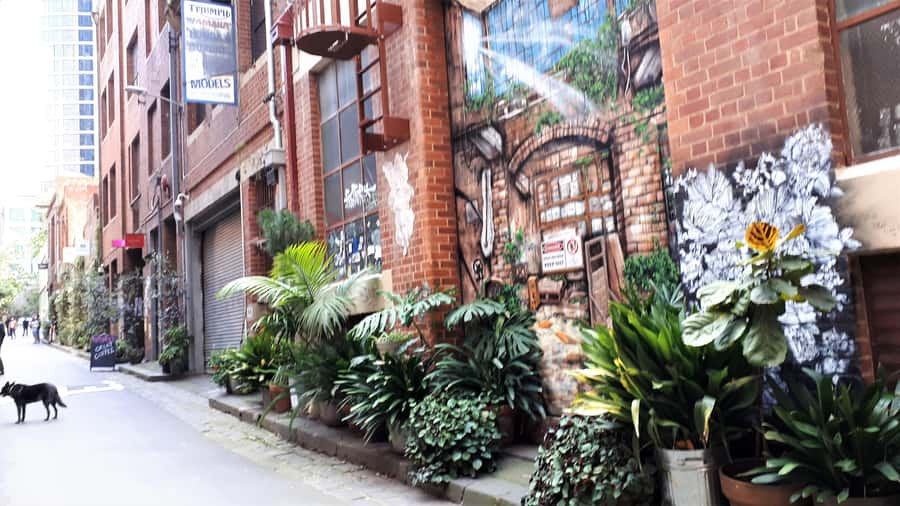
The historical side of the tour reaches back to the gold rush and the growth of Melbourne as a major Australian city. Guides explain the city within that wider story, rather than treating each building as an isolated object.
That approach is useful because Melbourne’s central streets can look confusing at first. You see impressive public buildings, narrow lanes, covered arcades, older commercial structures, and newer businesses all packed into a small area. The guide gives you a timeline to connect them.
Several guides are praised for explaining how the laneways developed and for adding small stories in places that most people would simply walk past. Those short details are often what stay with you. A grand building may make an immediate impression, but a story about an overlooked passage can change the way you read the entire city.
The architecture discussion is also a good reason to take the tour even if you are not especially interested in street art. You will look upward more often, notice the relationship between old and new buildings, and understand why the central area feels different from a standard modern business district.
The history is presented in a conversational way, with humour and room for questions. Guides such as John and San are especially praised for clear voices, good pacing, and stories that make the past approachable rather than dry.
Same base, a different sort of day:
- Great Ocean Road Reverse Itinerary Boutique Tour – Max 11 Guests
★ 5.0 · 4,186 reviews - Penguin Parade, & Wildlife Encounters Eco Tour from Melbourne
★ 5.0 · 3,774 reviews - Melbourne: Yarra Valley Wine, Gin, Whisky and Chocolate Tour
★ 5.0 · 3,667 reviews - Great Ocean Road Tour w/ Deluxe Minibus & Top-Rated Guide
★ 4.8 · 2,644 reviews
Cafés, galleries, shops, and local recommendations
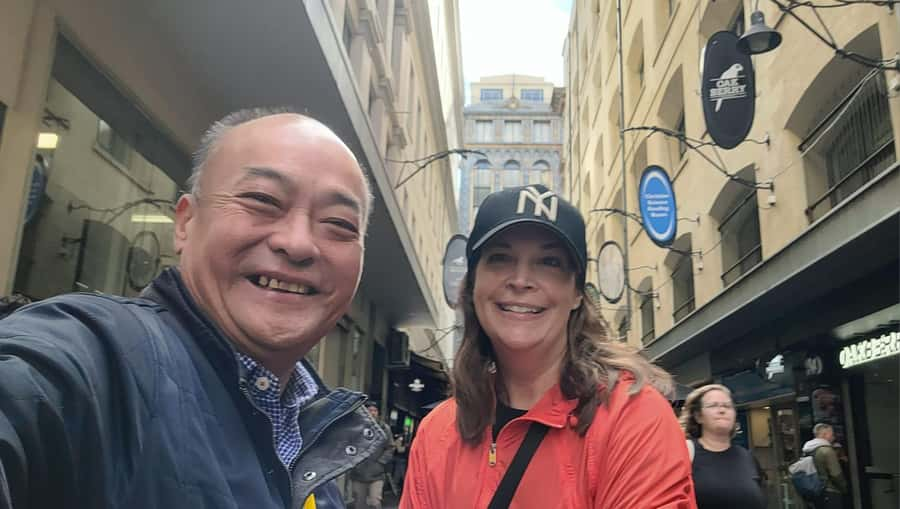
The included coffee stop is a modest feature, but it improves the rhythm of the morning or afternoon. Three hours on foot can feel long if there is no pause. Stopping for coffee gives you a chance to rest, ask the guide questions, and notice one of Melbourne’s most important everyday customs.
The coffee is not the main reason to book, and the tour does not present itself as a food tour. Still, the stop adds local flavour and gives you a practical introduction to café culture. It is also useful if you want a short break without having to choose a café on your own.
The guide may also suggest restaurants, bars, shops, galleries, and other places to visit later. This is one of the best reasons to schedule the walk early in your stay. Several guides give recommendations that are difficult to collect from a standard sightseeing route, especially for places tucked away in side streets.
Write those suggestions down. Guides can cover a lot in three hours, and it is easy to forget a restaurant name or gallery location once the group moves on. One past participant specifically wished for a written list of recommendations, so keeping a note on your phone is sensible.
The shops and galleries also make the route feel more connected to present-day Melbourne. You are not only looking at the city’s past. You are seeing how people use these small spaces now.
A small group and guide-led pace
The group limit is 10 people, although the number can be smaller. The tour has sometimes operated with only one participant, and some bookings have effectively felt private. That cannot be guaranteed, but the cap keeps the experience personal even when the group is full.
A small group helps in several ways. You can ask about a building without holding up a coachload of people. The guide can answer questions about art or food in more detail. The group can also fit into a narrow lane or a small gallery entrance more easily.
The guides receive the strongest praise for this experience. Kathy is described as warm, enthusiastic, and full of stories about history, architecture, art, restaurants, and local life. San is praised for his command of Melbourne’s past, steady pace, and friendly manner. John is noted for humour, a clear voice, and the ability to explain how the lanes developed. Sam is described as approachable and informative.
The provider uses English-speaking guides, and the tone is designed to be conversational. You should expect interpretation and storytelling rather than a memorised speech delivered without pauses.
Pacing seems to be handled well for a city walk. Some people describe it as easy, while others advise that you need to be fit enough to navigate the route. Both points can be true. It is not presented as a strenuous hike, but you will be on your feet for about three hours and moving through public streets, lanes, and crossings.
Practical details that affect your day
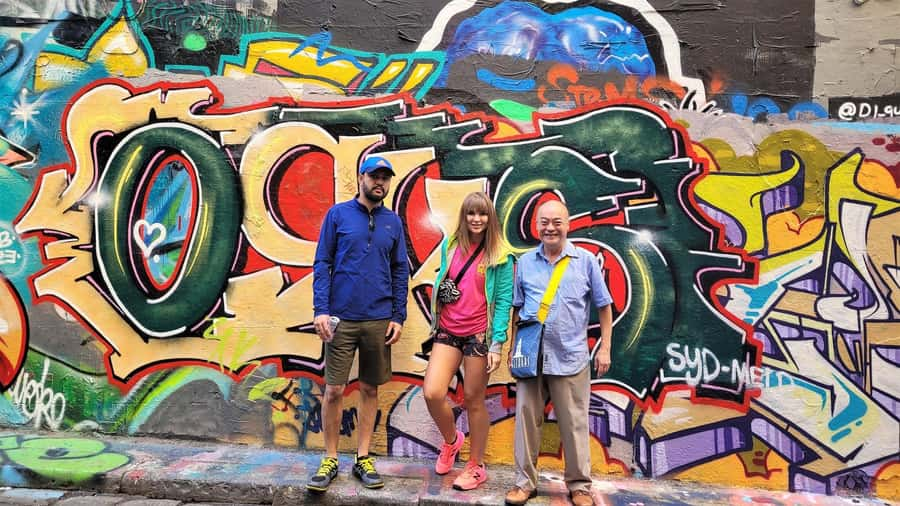
Wear shoes with good support. This is the most important packing advice for the experience. The route is urban, but urban does not mean perfectly smooth. Small lanes, changes in pavement, standing stops, and regular walking all make comfortable footwear worthwhile.
Controlled pedestrian crossings are used whenever possible. When crossing smaller laneways, you are responsible for watching for vehicles and other hazards. Keep your attention on the street, especially while taking photos.
The tour is marked as wheelchair accessible, but the route takes place in a changing city environment. People with disabilities, and families with children younger than 13, can be catered for on a private tour. If that applies to you, the private option may offer a better chance to discuss pace and route needs in advance.
The guides are qualified in Level 2 first aid. You should tell the guide about any outstanding health issues before setting off, so the group can respond sensibly if something affects your walk.
The tour lasts three hours, with several starting times depending on availability. The price is $91 per person. I consider that fair if you want a guide who can combine several subjects in one walk: city history, architecture, street art, cafés, shops, and local suggestions. It is less compelling if you only want to photograph murals and are happy to explore without explanation.
The small group is important to the price. You are paying for access to a local guide’s time and attention, not simply a route through central Melbourne. Free cancellation up to 24 hours before the start and the option to reserve now and pay later also make the booking less risky when your schedule is still changing.
Who will get the most from this walk
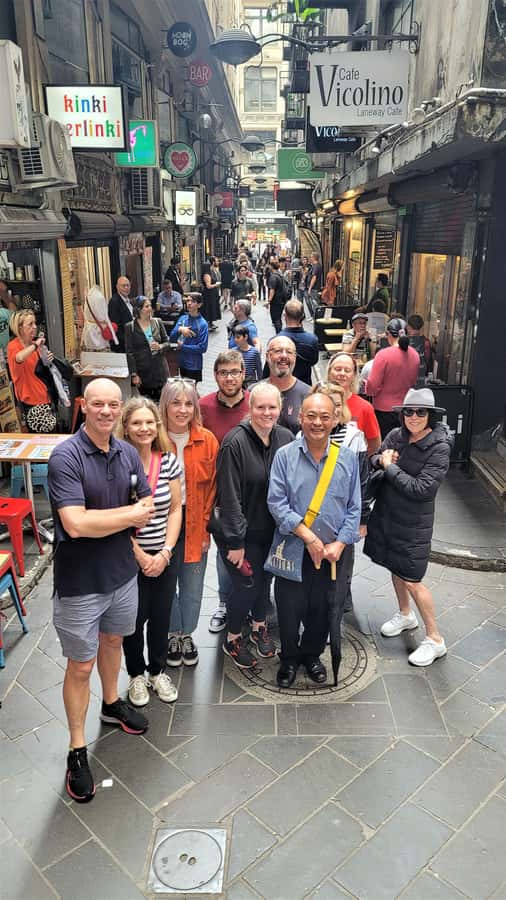
I would put this tour near the start of a first Melbourne visit. It helps you get your bearings, introduces several parts of the central area, and gives you ideas for later meals, drinks, shopping, and gallery visits.
It suits people who enjoy a city through stories and small details. You do not need to be an architecture specialist or a serious street-art follower. Curiosity is enough.
It is also a good choice for returning residents or Australians who think they already know central Melbourne. Several guides show places and explain city history that even long-time locals have missed. The lanes are familiar to people who work nearby, but familiarity with the main streets does not always lead to the best side passages.
Families with young children should look at the private option, since the standard information specifically notes that children younger than 13 can be catered for privately. A private format may also be useful for visitors who need a more tailored pace.
I would choose another activity if you want a seated history talk, a food-focused tasting, or a tour built around a fixed list of major landmarks. This walk is active, informal, and varied.
Should you book the Melbourne Laneways Tour?
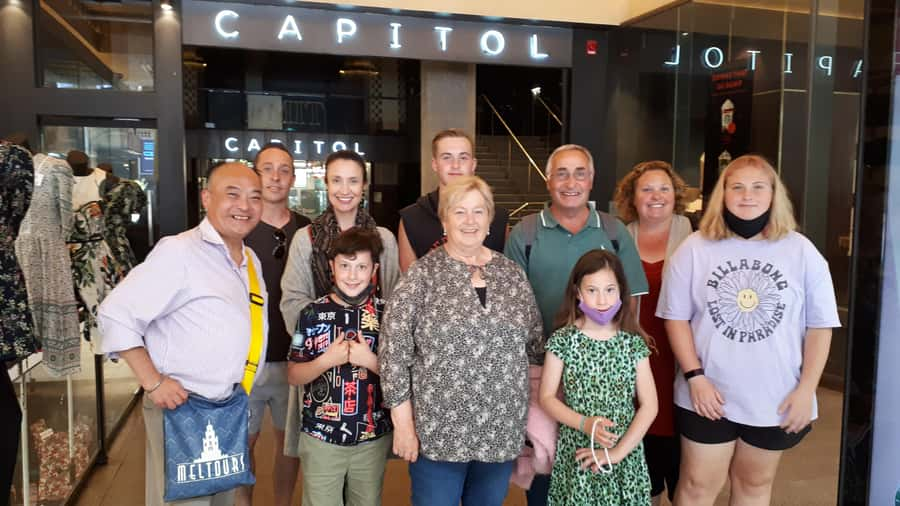
Book it if you want Melbourne to feel like a place rather than a set of postcard views. The strongest reasons are the small group, the guide-led access to overlooked lanes, the mix of old and new, and the practical recommendations you can use after the tour.
Book it early in your stay if possible. A good guide can point you toward restaurants, cafés, bars, galleries, and shops that shape the rest of your time in the city. The coffee stop, manageable pace, and three-hour length make it a useful first look at central Melbourne.
Skip it if you dislike walking or want a narrow street-art itinerary with guaranteed murals. For most people who enjoy local stories, urban details, and a little wandering, $91 buys a worthwhile introduction to Melbourne’s laneways.
FAQ
Where does the Melbourne Laneways Tour meet?
It meets at St Paul’s Cathedral in Melbourne, at the corner of Flinders Street and Swanston Street. Meet on the front walkway between the main Flinders Street entrance and the side door on Swanston Street. The guide carries a blue bag with a yellow sash.
How long does the tour last?
The walking tour lasts three hours. Starting times vary, so you need to check availability for the date you want.
What is included in the price?
The $91 per person price includes the English-speaking tour guide and a coffee stop.
How many people are in the group?
The tour is limited to 10 participants. Smaller groups are possible, and some tours may operate with only one participant.
Is the tour wheelchair accessible?
The activity is listed as wheelchair accessible. Private tours can cater for people with disabilities and families with children younger than 13.
Can I cancel the booking?
You can cancel up to 24 hours in advance for a full refund. You can also reserve your place and pay later, which keeps your plans flexible.
Just added in Melbourne
- Melbourne: Ghosts of Williamstown Guided Ghost Walking Tour★ 4.4 · 47 reviews
- Melbourne: 3-Hour Foodie Discovery Walking Tour★ 4.9 · 313 reviews
- Taste of Melbourne: Local Laneways, Boroughs, Bites & Brews★ 4.8 · 23 reviews
- Sorrento: Dolphins & Seals Snorkeling Cruise w/ Lunch★ 4.1 · 52 reviews
- Melbourne: Spirit Of Melbourne Yarra River Lunch Cruise★ 4.9 · 65 reviews
- Melbourne: Great Ocean Road Ultimate 12 Apostles with Lunch★ 4.5 · 272 reviews
- PREMIUM Great Ocean RD Tour REVRS-Luxry SML GRP-Hotel PickUP★ 4.7 · 203 reviews
- Melbourne City Cruise with Tea, Coffee, and Commentary★ 4.3 · 189 reviews
Tours in Melbourne, compared.
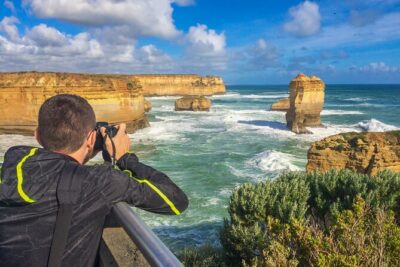
Great Ocean Road Small-Group Eco Tour from Melbourne
Read our review →
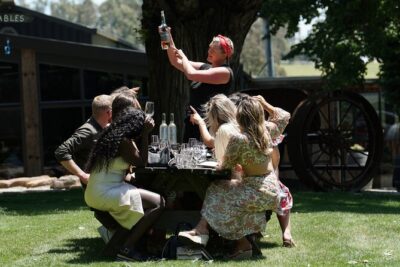
Laid back, Yarra Valley Wine Tour: Wine, Cider, Gin, Beer + Choc
Read our review →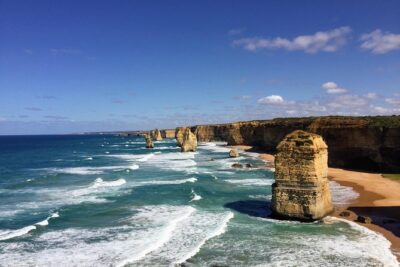
Great Ocean Road Reverse Itinerary Boutique Tour – Max 11 Guests
Read our review →
Penguin Parade, & Wildlife Encounters Eco Tour from Melbourne
Read our review →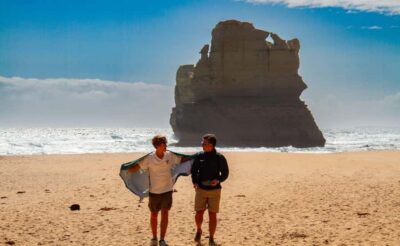
Great Ocean Road Tour w/ Deluxe Minibus & Top-Rated Guide
Read our review →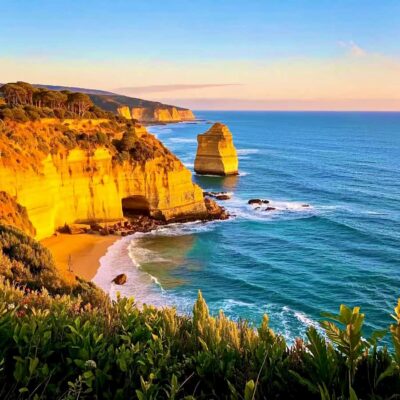
Melbourne Great Ocean Rd Reverse Tour London Bridge Wildlife
Read our review →
Browse the lists this tour appears in