
Reviewed · ROTTNEST ISLAND TRIPS
Rottnest Island: Grand Bus and Train Tour with Lunch
Rottnest Island’s best feature is its variety: in four hours, you can see quokkas, salt lakes, beaches, bush, military sites, and far-reaching ocean views without having to cycle the island. The historic train ride to Oliver Hill adds real character, while the bus handles the long distances in air-conditioned comfort.
I like the way this tour combines nature and island history, rather than showing you only the beaches. I also like the guides’ strong local knowledge. Guides such as Peter, Nicky, Barney, Dee, and Ralph have been praised for clear stories, friendly help, and keeping the day moving.
The trade-off is time. Four hours covers a lot of ground, but some stops are brief, and you may wish for longer at the bays and lookouts. The tour also requires a reasonable level of fitness, especially for the Oliver Hill tunnels.
Key points to know before booking
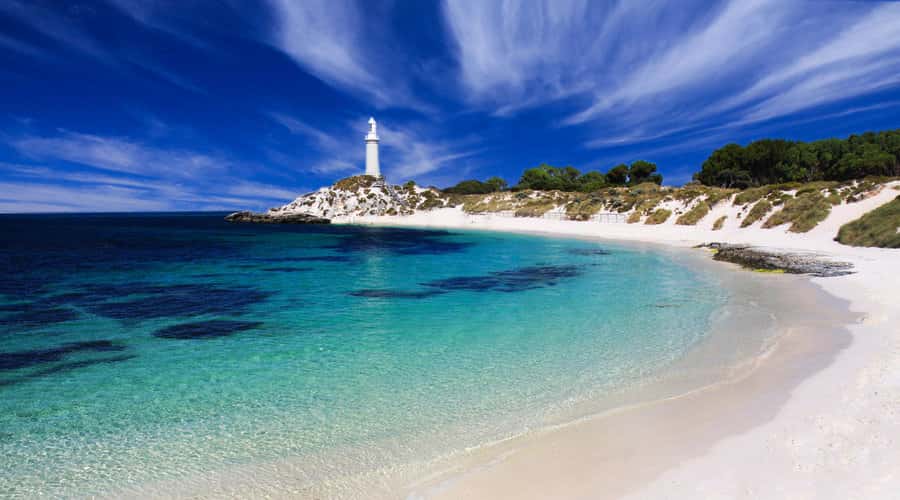
- One bus circuit covers the island’s major sights, including beaches, woodland, salt lakes, Wadjemup Lighthouse, Jeannies Lookout, and Mabel Cove.
- The Oliver Hill train ride is the tour’s most unusual transport, followed by entry to the gun fortifications and tunnels.
- Quokkas are part of the experience, though wildlife sightings cannot be guaranteed at a particular stop.
- Lunch is simple and practical, a picnic-style wrap and cookie, with dietary requests accommodated when arranged in advance.
- The tour is a strong choice for a first visit, especially if you have only one day and do not want to cycle or organize island transport.
- The four-hour schedule favors coverage over free time, so choose another plan if you want long swims, beach time, or a slow afternoon in the settlement.
Seeing Rottnest Island without wearing yourself out
Rottnest Island, also known as Wadjemup, was separated from mainland Australia about 7,000 years ago. That separation helped create the island’s distinctive wildlife, including the quokka, a small marsupial found naturally here.
You begin at the Settlement Railway Station, not at the mainland ferry terminal. You must arrange your own ferry ticket and pay the Rottnest Island Government Landing Fee through the ferry company. Build in enough time to reach the railway station after arriving, since the tour itself does not include the boat crossing.
The bus is the practical heart of the day. Rottnest is too spread out to see properly on foot in four hours, and cycling requires more energy than some first-time visitors expect. The air conditioning matters in warm weather, especially after stepping off the ferry and walking through the settlement.
Your guide provides the running commentary as the bus circles the island. The focus is not just on pretty bays. You hear about explorers, place names, earlier island buildings, military use, current facilities, and plans for future development. Guides have also been praised for adjusting to the group, helping with timing, and explaining the island in a relaxed way.
More island days from Australia:
- From Perth: Rottnest Island Full-Day Bike and Ferry Trip
★ 4.7 · 2,548 reviews - From Perth or Fremantle: Rottnest Island Ferry and Bus Tour
★ 4.6 · 1,246 reviews - From Fremantle: Rottnest Island Ferry and Bike Day Tour
★ 4.6 · 805 reviews
Quokkas, beaches, woodland, and salt lakes
The scenery changes often enough to keep the bus route interesting. You pass sandy beaches, coastal coves, woodland, and salt lakes. The point is not to stop for a full beach day at every location. Instead, you get a broad look at the island and a useful sense of which places you might want to revisit later.
Quokkas are a major draw. You may see them around the settlement or near suitable habitat, and the tour gives you a chance to look for them without spending your whole day tracking wildlife. Please keep a respectful distance and do not feed them. The animals are charming, but they are wild creatures, not props for photographs.
The route’s appeal is its range. One moment you are looking over open water, and the next you are among low woodland or passing a salt lake. The bus lets you enjoy those changes without navigating unfamiliar roads or worrying about returning a rental bicycle before the ferry.
This is also where the schedule can feel tight. A few stops are mainly for views and photographs, so you may have only a short period outside the bus. If you want time for swimming, snorkeling, a long walk, or quiet sitting beside the water, plan to return to the island another day.
Wadjemup Lighthouse and Jeannies Lookout
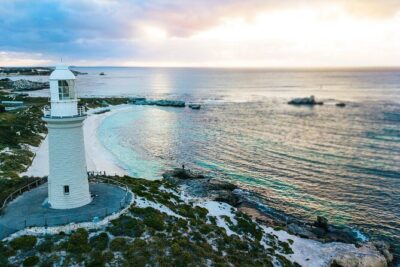
Wadjemup Lighthouse is one of the island’s major landmarks and helps give the bus route a sense of place. The tour includes the lighthouse area as part of its circuit, along with other key points around Rottnest.
Jeannies Lookout is one of the stops where the island’s position really makes sense. From a lookout, you can take in the coastline and the broad sweep of the sea rather than viewing each bay as an isolated stop. Bring your camera, but also allow a moment to simply look. The best value here is the overall view, not a long activity at ground level.
The exact amount of time at each stop can depend on the day’s pacing and group. Some people appreciate the efficient route because it lets them see more of Rottnest. Others would prefer another hour or two for photographs. I would treat Jeannies Lookout as a scenic introduction, not as a replacement for a dedicated coastal walk.
The train to Oliver Hill
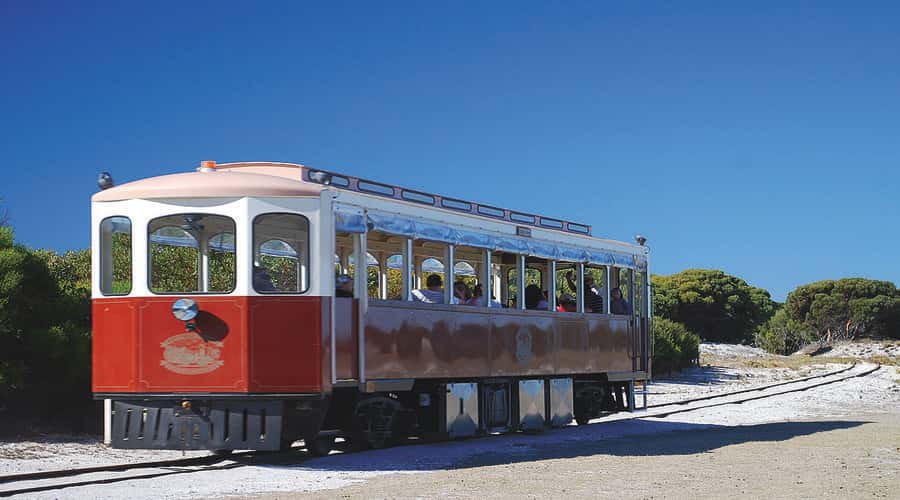
The train ride to Oliver Hill gives the tour a welcome change of pace. Rather than spending all four hours on the road, you board an old-style train for one section of the journey. It is a short historic transport experience, not a scenic railway excursion lasting most of the day, but it adds atmosphere and helps link the island’s military past with its present-day visitor route.
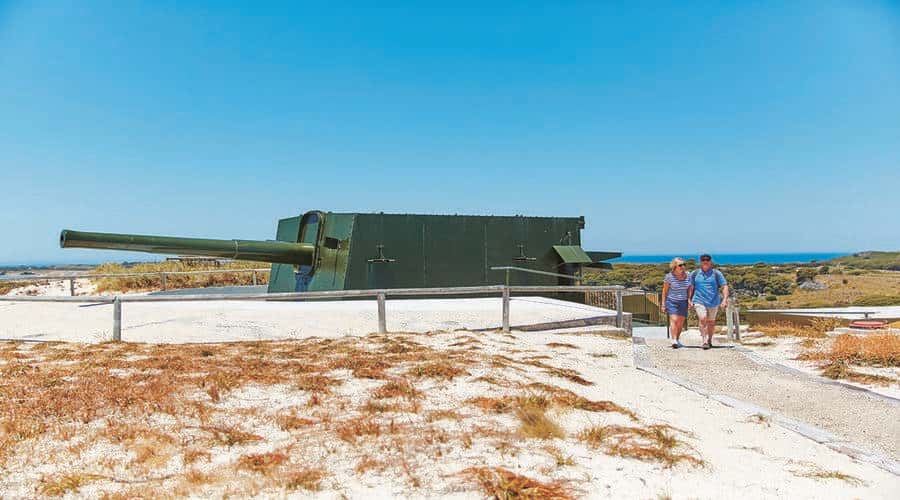
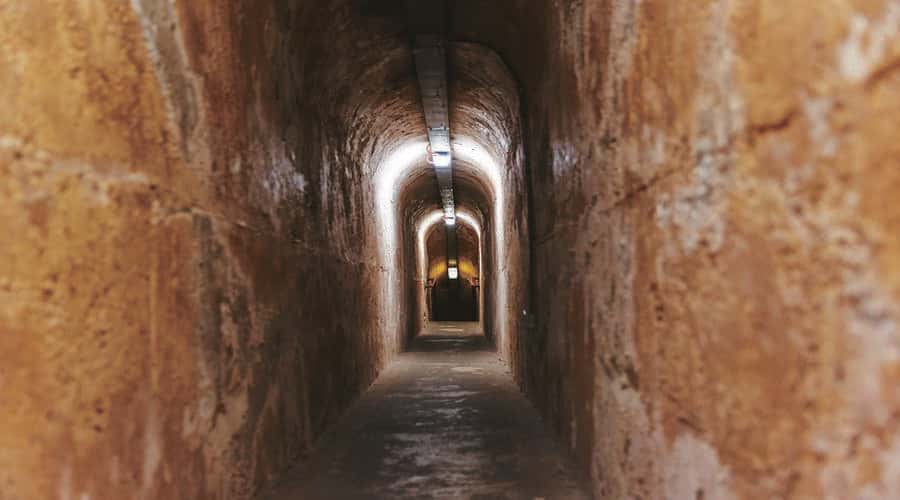
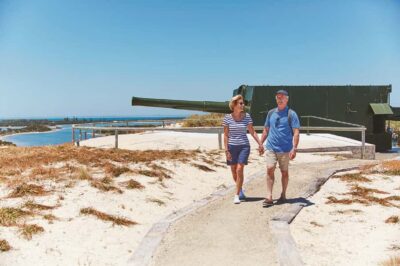
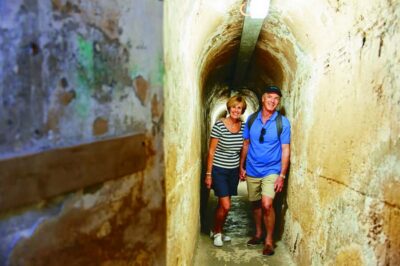
At Oliver Hill, you enter the gun fortifications and tunnels. This is the most structured historical part of the tour and comes with a separate guide on site. Ralph and Dee are among the guides who have been singled out for clear explanations, good organization, and a steady pace.
The Oliver Hill Battery tells a different story from the beaches and quokkas. The fortifications show how Rottnest was used for coastal defense, while the tunnels give you a closer look at the practical side of that military work. The entry fee is included, so you do not need to budget separately for the fortifications and tunnel visit.
The tunnels are not ideal for everyone. The tour information recommends a reasonable level of fitness, and the underground section can feel long if you would rather spend the time outdoors. One useful detail is that a guide has previously helped a visitor who could not access part of the underground route by providing an alternative explanation and personal assistance. Still, ask at the start if you have concerns about walking, stairs, or enclosed spaces.
Once the Oliver Hill visit ends, the bus continues the island circuit. That return by road is useful because it allows the tour to cover more coastal points without making you retrace the train route in the same way.
More rail trips from Australia:
- From Cairns: Self-Guided Kuranda Trip with Train and Skyrail
★ 4.6 · 3,392 reviews - Melbourne: Puffing Billy & Healesville Sanctuary Scenic Tour
★ 4.7 · 1,220 reviews - Puffing Billy Railway: Heritage Steam Train Journey
★ 4.6 · 1,195 reviews - From Melbourne: Puffing Billy and Penguin Parade Combo Tour
★ 4.5 · 1,184 reviews
Mabel Cove and the island’s big views
Mabel Cove is another scenic high point. The lookout gives you a wider view of the coast and is one of the places where the island feels open and remote. It is a good counterpoint to Oliver Hill, where the attention is underground and historical.
The appeal of Mabel Cove is simple: you get a strong coastal view without having to organize a separate hike. For a first visit, that matters. You can leave with a clear picture of Rottnest’s coves, open water, and changing shoreline, even if you have no time to explore every path.
Again, do not expect a long stay at every viewpoint. This is a circuit tour, not a day of stopping whenever you find a beach you like. If you are choosing the tour because you want to identify places for a future visit, it works especially well. You can note the bays and lookouts that deserve a slower return.
Lunch on the bus route
The included lunch is a light picnic-style meal, normally a wrap and cookie. It is not a restaurant lunch, and that is useful to understand before booking. The simple meal keeps the schedule moving and avoids losing a large part of the four-hour tour at a café.
Several people have found the wrap tasty, and dietary needs have been accommodated with notice. Vegan food was arranged with only one morning’s warning, but you should give the operator as much advance notice as possible. Do not assume every request can be handled at the last minute.
The bus may allow you to eat while moving, which can preserve time for stops. That is convenient, though you may prefer to bring water and any extra snacks you need. The provided lunch is designed to be light, not a full feast after a morning on the island.
How the four hours feel
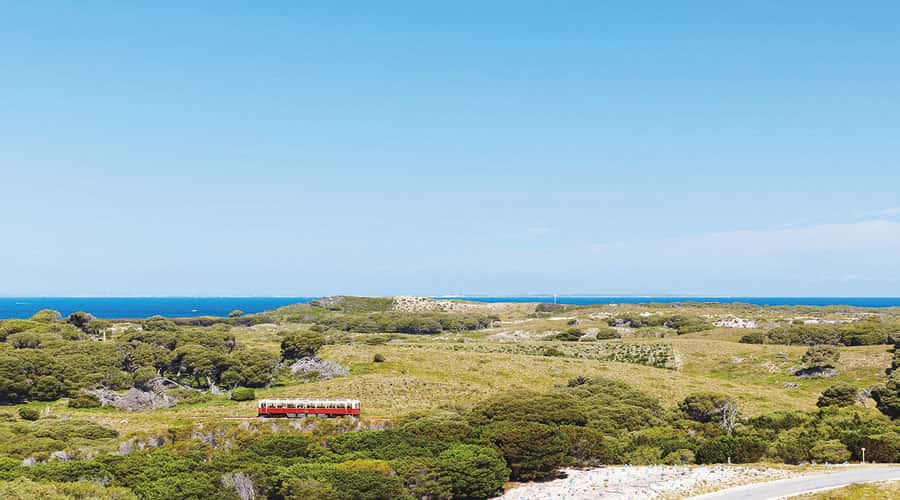
The tour is advertised as four hours, and the itinerary is packed. You get an island circuit, a one-way train ride, a guided military visit, scenic stops, wildlife opportunities, and lunch within that window. That is a lot of coverage for half a day.
The reward is efficiency. If you have one day on Rottnest, the tour gives you a strong first look at places you would struggle to reach independently. It is also helpful if you do not want to cycle, do not feel confident navigating, or simply prefer a guide to explain what you are seeing.
The limitation is freedom. You cannot linger at every beach or change the route when a particular cove catches your eye. Some people have wished for another two hours, while others have appreciated that the guides allowed lunch on the bus to save time.
I would choose this tour early in a longer Rottnest stay. Use it to get your bearings, then return by bicycle, bus, or on foot to the places that interest you most. On a one-day visit, it works as a practical overview. On a multi-day visit, it helps you decide where to spend your unstructured time.
The guides make a real difference
The tour depends heavily on the person in the driver’s seat. The strongest feedback has focused on guides who combine facts with stories and keep the group organized without making the day feel stiff.
Peter has been praised for his island commentary and friendly bus driving. Nicky has received especially warm comments for offering plenty of information and going beyond the basic route. Barney has been described as accommodating, while Dee and Ralph have been noted for the Oliver Hill section.
You may not have any of these guides on your departure, but the pattern is useful: this tour is at its best when the guide explains the names, buildings, wildlife, and military sites as part of one connected story. Pay attention during the bus ride. Some of the best context comes between the formal stops.
There has also been quick assistance when a bus suffered a puncture, and a late arrival caused by a missed ferry was accommodated on one occasion. Those examples are encouraging, but you should still protect your ferry connection and arrive at the meeting point on time.
Is $77 good value?
At $77 per person, the tour is not the cheapest way to spend time on Rottnest. You still pay separately for the ferry and the government landing fee, and those costs can change the total price of your day.
The value comes from what is bundled together: island transport, an air-conditioned bus, the train ride to Oliver Hill, entry to the fortifications and tunnels, a guide, and a light lunch. Hiring or arranging separate transport could take effort, and cycling the same route would require much more physical work.
I see the price as reasonable for a first visit, particularly if you have only one day. It is less compelling if your main aim is a long beach afternoon, because the schedule keeps you moving. The tour pays for access and context, not extended leisure at one bay.
It is also good value for anyone who wants the island’s military side included. Many self-guided visits focus on quokkas and beaches, while this route adds the Oliver Hill fortifications and the wider story of Rottnest.
Who should book this tour?
I would recommend it to first-time visitors, couples who want an easy overview, families who prefer not to cycle, and anyone with limited time. It also suits people who enjoy hearing how an island developed, rather than simply collecting photographs of beaches.
You should think twice if you dislike fixed schedules, want to swim at several locations, or find underground tunnels uncomfortable. The reasonable-fitness recommendation matters, and the four-hour route does not leave much room for unplanned stops.
Book with a ferry arrival that gives you a safe margin before the Settlement Railway Station meeting point. Check the meeting directions carefully, since one past booking link reportedly led to the wrong place. Bring water, sun protection, comfortable shoes, and a little patience when the bus must wait for the group.
FAQ
How long is the Rottnest Island Grand Bus and Train Tour?
The tour lasts four hours.
Where does the tour meet?
You meet at the Settlement Railway Station on Rottnest Island.
Are ferry tickets included?
No. You must arrange and pay for your ferry ticket separately.
Is the Rottnest Island Government Landing Fee included?
No. The landing fee is paid to your ferry company.
What transport is included?
The tour includes a full island bus circuit and a one-way historic train ride to Oliver Hill, followed by continuation by bus.
Is lunch included?
Yes. A light picnic-style lunch consisting of a wrap and cookie is included.
Are Oliver Hill and the tunnels included?
Yes. Entry fees for the Oliver Hill Batteries and Tunnel Fortifications are included.
Is the tour suitable for everyone?
The tour is recommended for people with a reasonable level of fitness. The Oliver Hill tunnel visit may require walking, and you should ask about access if enclosed or underground spaces are a concern.
Should you book the Grand Bus and Train Tour?
Book it if you want to see most of Rottnest in one organized half-day, with quokkas, coastal views, island stories, and Oliver Hill’s military sites all in one package. The $77 price makes the most sense when you value transport, guiding, and included entry more than free time.
Skip it if your perfect Rottnest day means choosing one beach and staying there for hours. For almost everyone else visiting for the first time, this is a sensible way to get the big picture, then decide where you want to return.
Just added in Australia
- Airlie Beach: Whitsunday Islands Sailing, SUP & Snorkel Tour★ 4.8 · 90 reviews
- Airlie: Adults Only Sunset Sail with Aperol Spritz/Antipasto★ 4.5 · 101 reviews
- Albany: Historic Whaling Station Entry Ticket★ 4.8 · 24 reviews
- Airlie Beach: Whitehaven Beach Club★ 3.9 · 152 reviews
- Airlie Beach: Whitehaven Beach Cruise and Hill Inlet★ 4.6 · 71 reviews
- Airlie Beach: Waterfall & Rainforest Bushwalk Eco Adventure★ 4.8 · 22 reviews
- Airlie Beach: Half Day Turtle Tour Sea Kayaking Adventure★ 4.8 · 21 reviews
- Airlie Beach: Outer Great Barrier Reef Snorkeling Day Trip★ 4.5 · 156 reviews
Rottnest Island Trips, compared.
From Perth or Fremantle: Rottnest Island Ferry and Bus Tour
Read our review →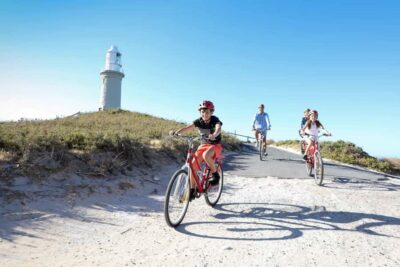
Rottnest Island Grand Island Day Tour with Lunch
Read our review →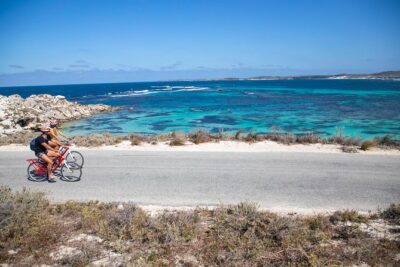
Rottnest Grand Island Package with Ferry, Tour & Light Lunch
Read our review →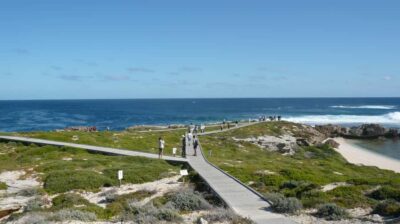
Browse the lists this tour appears in