
Reviewed · ULURU & KATA TJUTA TOURS
3 Day Red Centre Kata Tjuta Kings Canyon Outback ex.Alice Springs
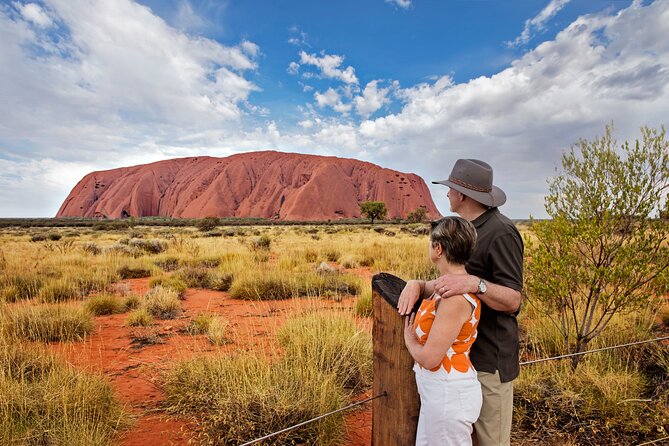
Uluru is the headline, but the real strength of this three-day trip is how much Red Centre scenery it fits into one fast-moving loop. You leave Alice Springs early, walk among the domes of Kata Tjuta, tackle Kings Canyon, watch the sun change Uluru’s colour, and sleep beneath some of Australia’s clearest skies.
I like the choice between a traditional bush swag under the stars and a safari tent with a mattress, pillow, and linen. I also like that meals, park entry, drinking water, bedding, and a trained driver-guide are bundled into the price. The catch is simple: this is a physical trip with long days, early starts, shared chores, and plenty of time on the road.
Key points to know before booking
- Three major Red Centre sights in three days: Uluru, Kata Tjuta, and Kings Canyon all feature, with Alice Springs as the usual starting point.
- Two different nights outdoors: Choose a swag for a more open-air camp or a safari tent for extra shelter and a proper bed setup.
- Guided walks of roughly 6 to 8 kilometres: You need moderate to high fitness, mobility, and comfort in an exposed outback setting.
- Small enough for a social group: The vehicle holds a maximum of 23 people, and meal preparation and camp chores are shared.
- Strong guide-led experience: Guides such as Jem, Ben, Lea, Donk, Jenn, Josie, and Ash have been praised for care, humour, safety, and bush knowledge.
- The price covers the basics that add up: Park entry, six meals, water, campsites, bedding, and commentary are included in the listed $570.93 per person price.
Why this three-day Red Centre trip works
The appeal is not luxury. It is efficiency and access.
You get a guided route through the heart of Central Australia without arranging a car, campground, national park pass, food, or sleeping gear separately. That matters here. The distances are large, the heat can be serious, and the best parts of the trip are easier when someone else handles the route and vehicle.
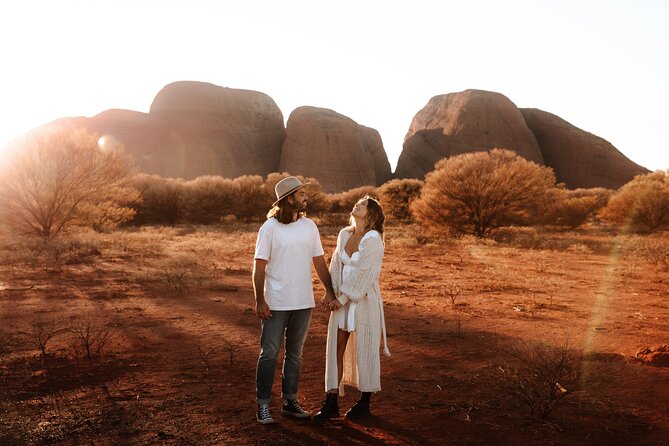
The itinerary also gives you three different views of the region. Uluru is a single monumental rock with strong cultural importance. Kata Tjuta is a group of rounded domes, more broken and dramatic in form. Kings Canyon brings high sandstone walls, narrow passages, and a demanding rim walk.
I would not book this as a gentle sightseeing coach trip. You are expected to walk, rise before dawn, help load and unload equipment, assist with meals, and clean up afterward. That shared work is part of the camping experience, but it may surprise anyone expecting a fully serviced holiday.
The group limit of 23 keeps the trip from becoming enormous, though your exact experience will depend on the departure size. Several guides have been singled out for making the group feel safe and connected, including Jem, Ben, Lea, Donk, Jenn, Josie, and Ash. Guides can make a big difference on a trip with this much driving and physical activity.
Other trips to the rock and the domes from Alice Springs:
- From Alice Springs: Day Trip to Uluru with BBQ Dinner
★ 4.6 · 761 reviews - Ayers Rock Day Trip from Alice Springs Including BBQ Dinner
★ 4.5 · 639 reviews - Uluru, Kata Tjuta and Kings Canyon Camping Safari from Alice Springs
★ 5.0 · 162 reviews
Day 1: Alice Springs to Uluru with Mount Connor on the way
Your day begins early at the Alice Springs Hotel on Leichhardt Terrace. The listed start time is 6:00 am, so confirm the exact pickup time when you book and be ready before it. You may spend much of the first day on the road as the route heads south toward Uluru.
That long transfer is not wasted time, but you should know what you are buying. This tour covers vast distances, and the first day is a full 12-hour program. Bring a water bottle, snacks for any gaps between included meals, sun protection, and something useful for the vehicle ride.
A scenic stop at Mount Connor provides your first major outback view. Mount Connor is often called False Uluru because its broad shape can look like Uluru from a distance. The stop helps you understand how easily the Red Centre’s isolated rock formations can be confused when you are seeing them for the first time.
The actual Uluru visit is the emotional centre of the trip. The rock changes colour with the light, and sunset is a particularly good time to watch its surface shift from warm orange to deeper red and purple tones. The exact viewing arrangements depend on the day’s schedule, weather, and park operations, but the itinerary is designed to include Uluru among the main sights.
Cultural learning is also part of the Uluru experience. The tour presents the area through local Aboriginal culture, rather than treating the rock as just a scenic object. Listen closely to the guide here. The place has meaning beyond its size and appearance, and a good explanation adds much more than another photograph.
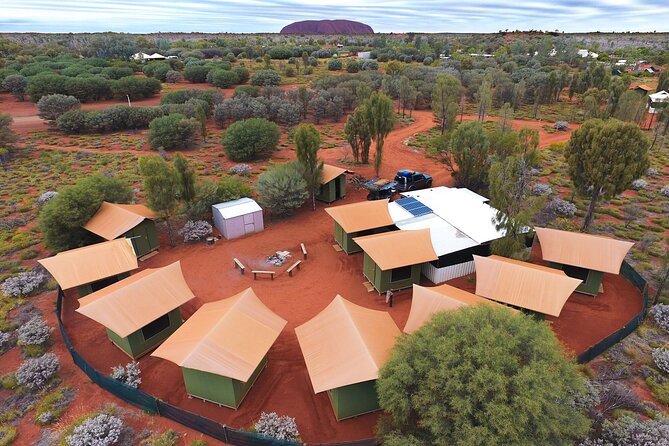
After the day’s sightseeing, you settle into a permanent Outback campsite near Uluru. Dinner is included, and the evening may include a campfire. This is where the tour shifts from road trip to camping trip. You help with the practical work, then spend the night in your chosen accommodation.
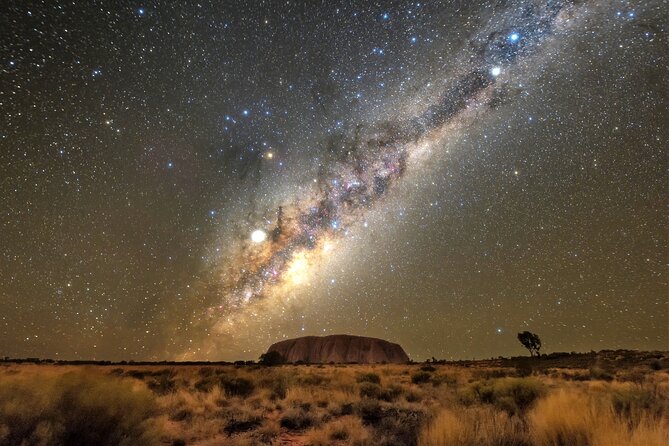
The swag option is the more memorable choice if you want to sleep outdoors. A traditional bush swag gives you direct access to the night sky, with no light pollution in the camp setting. A safari tent is the better pick if you want a little more structure and bedding that includes a mattress, pillow, and linen.
A sleeping bag is not included. You can hire one for A$40 per person, including cleaning, but you must request it when booking. If you bring your own, check that it is suitable for the season and overnight conditions.
Day 2: Uluru sunrise and the domes of Kata Tjuta
Day two starts before dawn. That sounds harsh until you see Uluru in the early light. Sunrise gives you a cooler, quieter time at the park and lets you watch the colours change as the sun reaches the rock.
The early start also makes practical sense. Heat builds quickly in the Red Centre, and a morning walk is easier than tackling the same route later in the day. Bring a headlamp for the pre-dawn movement around camp. One useful tip from past visitors is to pack toiletries and a headlamp rather than assuming the campsite will provide everything you need.
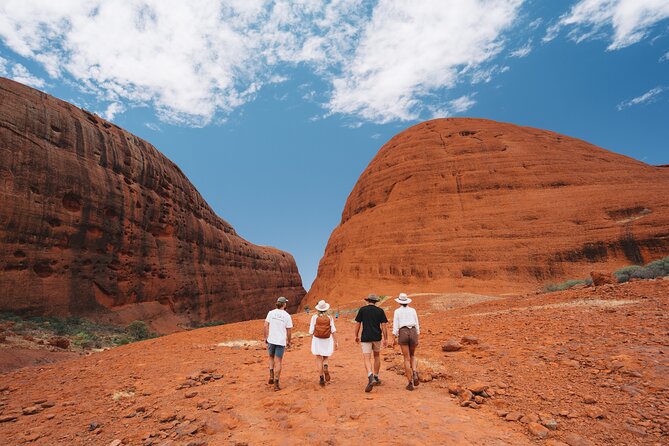
Kata Tjuta, also called the Olgas, has a different character from Uluru. Instead of one great monolith, you see a cluster of huge rounded domes rising from the plain. The walking experience feels more enclosed and varied, with changing views between the rock formations.
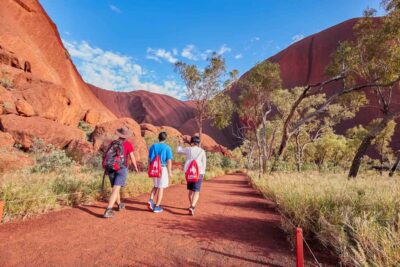
The guided bush walk here is one of the tour’s main physical tests. Walks across the trip run roughly 6 to 8 kilometres, depending on the route and your fitness level. You should expect uneven surfaces, sun exposure, and a steady pace rather than a casual stroll.
The guide’s role matters at Kata Tjuta. You get more from the walk when someone explains the plants, animals, geology, and Aboriginal significance of the area. Guides named in past departures, including Jem, Lea, and Ben, have been praised for clear explanations and for looking after the group.
The tour includes the Uluru-Kata Tjuta National Park pass, which is a useful saving and removes one more task from your trip planning. Park access is a major part of the experience, so its inclusion helps make the listed price easier to assess.
Lunch is included, as are breakfast and dinner during the relevant tour days. Food on a remote camping route will be practical rather than restaurant-style, but several people have praised the meals. You should still disclose dietary needs when booking. Supplies are limited once the vehicle leaves the main centres, so late requests may be difficult to handle.
The second night is spent at a permanent Outback campsite near Kings Canyon. You may sleep in a safari tent one night and a swag the other, depending on the arrangement selected. This combination gives you two versions of bush camping rather than a repeated night in the same setup.
Day 3: Kings Canyon and the demanding Rim Walk
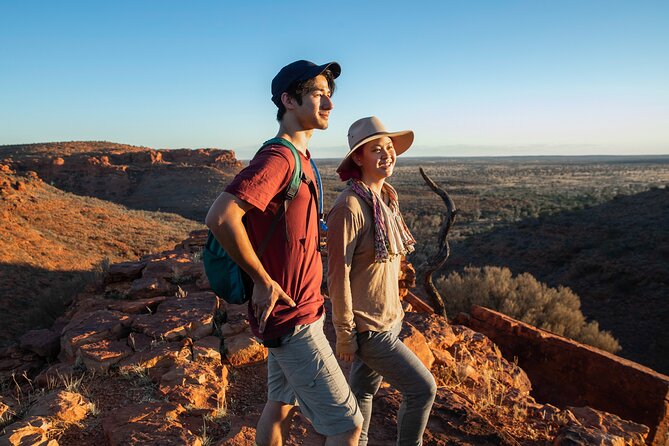
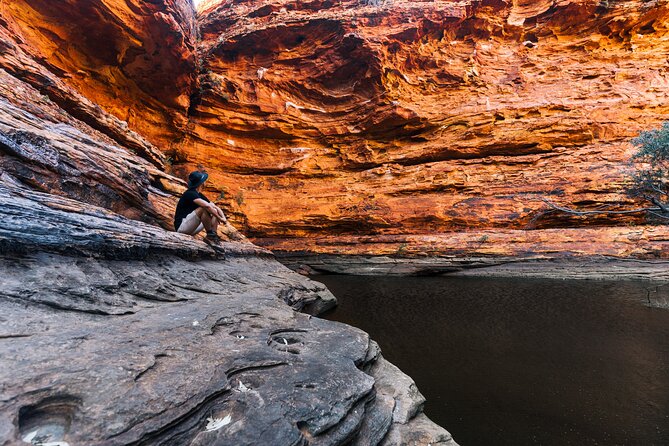
The final day focuses on Kings Canyon in Watarrka National Park. You start early again, which is sensible for a walk with steep sections and exposed sandstone. The canyon is known for dramatic walls rising to around 100 metres and for red rock formations shaped by time and weather.
The Rim Walk is described as the highlight of the park, and it is the most demanding section of the itinerary. You should be prepared for a serious walk, not merely a viewpoint stop. The route gives you a high view over the canyon and a close look at the sandstone formations, but the effort is part of the experience.
This is where the fitness warning deserves attention. The operator requires a moderate to advanced level of fitness for the walks and asks about medical conditions at booking. Anyone over 75 needs a doctor’s certificate provided 30 days before travel. Those requirements are not minor paperwork. They tell you that the trip can be strenuous.
Wear sturdy walking shoes, carry your water bottle, and follow the guide’s advice. Drinking water is supplied onboard, but you need to provide your own bottle. Heat, walking distance, and the early start can combine to make day three feel longer than the schedule suggests.
After Kings Canyon, the tour returns to Alice Springs or, on selected days and when shuttle availability allows, finishes at Uluru, Ayers Rock, or Yulara. This flexibility can be useful if you are continuing to an Uluru resort or airport connection, but you must confirm the preferred ending when booking. Do not assume every departure offers both drop-off choices.
Other outback runs from Alice Springs:
- From Alice Springs/Yulara: 4-Day Red Centre 4WD Camping Tour
★ 4.6 · 68 reviews - From Cairns: Daintree Rainforest & Cape Tribulation 4WD Tour
★ 4.6 · 1,521 reviews - Gold Coast: Australian Outback Spectacular Dinner & Show
★ 4.6 · 974 reviews - Dingos 3 Day K’Gari (Fraser Island) 4WD Tag-Along Tour
★ 5.0 · 939 reviews
Camping under stars, or a safari tent?
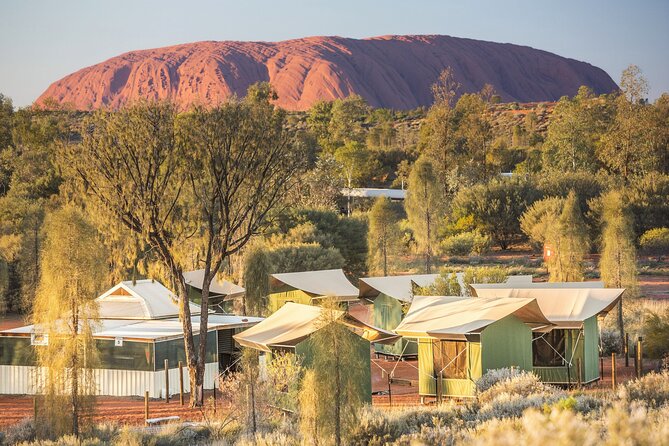
The sleeping choice changes the feel of the trip.
A traditional bush swag is the classic Outback option. You sleep closer to the open sky and get the strongest sense of being away from town lights. It is the best choice if the night sky and simple outdoor living are central to why you are booking.
A safari tent gives you more shelter and a bed setup with linen, mattress, and pillow. I would choose it if you sleep lightly, dislike sleeping directly outdoors, or want an easier night before another early start.
Neither option turns this into a hotel holiday. You still camp, share facilities and chores, and need to pack personal items. Bedding is supplied according to your selected option, while sleeping bags can be hired for A$40.
The campfire is another strong part of the experience. After a long day, sitting around the fire with people from different countries can be as memorable as another lookout. Past groups have included people from more than six countries, and the shared work helps break the ice quickly.
Meals, chores, and the social side
The package includes two breakfasts, three lunches, and two dinners, plus drinking water onboard. That is a worthwhile inclusion in a remote region where buying food independently is not always easy.
You are also expected to help prepare meals, clean up, and load or unload the vehicle. I see this as a fair exchange for the all-inclusive setup. It keeps the operation moving and gives you a role in camp life. If you want staff to handle every task, this is not the right tour.
The social atmosphere seems to be one of the trip’s strongest features. Guides such as Donk, Ash, Jenn, and Josie have been praised for creating a friendly, safe group mood. That matters when you are sharing a vehicle, campsite, meals, and early mornings for three days.
Internet access may be better than expected in some places, but you should not plan the trip around staying connected. The main attraction is being outside, not maintaining a normal city routine.
Is $570.93 good value?
The listed price is $570.93 per person. For three days, that works out to roughly $190 per day before considering what is included.
You receive transport within the tour, an accredited driver-guide, national park entry, two nights of permanent campsite accommodation, bedding, six included meals, drinking water, guided walks, and commentary. Buying those pieces separately would take time and could cost more, especially once you add park entry, fuel, camping equipment, and food.
The value is strongest for someone without a car who wants to see all three major Red Centre attractions in a short period. It is also good for solo visitors who want an organized group and a ready-made social setting.
The price does not cover personal expenses, missing meals, travel insurance, or a sleeping bag. You should also budget for any toiletries, snacks, suitable walking gear, and a headlamp. The tour is fairly priced for the amount of ground covered, but the return comes through activity and access rather than comfort.
Who should book this tour?
I would recommend it to you if you want a focused first look at the Red Centre, enjoy hiking, and like the idea of camping without planning every detail yourself. It suits people who are happy with early starts, long drives, shared duties, and basic outdoor living.
It is especially good for solo visitors, active couples, and friends who want a social trip. The maximum group size of 23 is large enough for a lively atmosphere but smaller than a standard sightseeing bus.
I would hesitate if you have limited mobility, dislike heat, or want a slow schedule. The guided walks and Kings Canyon Rim Walk require real effort. The trip also packs three full days with major sights, so you will not have much spare time.
The guide can shape the experience. Past guides named Ben, Lea, Jem, Donk, Jenn, Josie, and Ash have been praised for organisation, care, local knowledge, and enthusiasm. You cannot guarantee a particular guide, but you can expect the trip to depend heavily on the person leading it.
My call: book it if you want an active Red Centre sampler
Book this tour if your priority is seeing Uluru, Kata Tjuta, and Kings Canyon in one tightly planned trip from Alice Springs. The combination of guided walks, included meals, park entry, camping, and campfire evenings gives you a lot for the price.
Choose the safari tent if you want more bedding and shelter. Choose the swag if sleeping beneath a dark Outback sky is one of your main goals. Pack a headlamp, water bottle, walking shoes, sun protection, toiletries, and a sleeping bag or hire one in advance.
I would skip it only if you need comfort, flexibility, or a low-effort sightseeing schedule. For an active visitor who wants a practical introduction to the Red Centre, this is a strong three-day choice.
FAQ
Where does the tour start?
The tour starts at the Alice Springs Hotel, 11 Leichhardt Terrace, Alice Springs, Northern Territory. The listed start time is 6:00 am.
Where can the tour finish?
The tour usually finishes in Alice Springs. On selected days, and depending on shuttle availability, it can finish at Uluru, Ayers Rock, or Yulara. Confirm your preferred ending when booking.
Is Uluru included in the itinerary?
Yes. The itinerary includes Uluru, along with Kata Tjuta and Kings Canyon. Uluru-Kata Tjuta National Park entry is included.
What accommodation is provided?
You receive two nights at permanent Outback campsites, one near Uluru and one near Kings Canyon. You can choose a traditional bush swag or a safari tent option with bed linen, mattress, and pillow.
Do I need to bring a sleeping bag?
A sleeping bag is not included, but you can hire one for A$40 per person, including cleaning costs. Tell the operator when booking if you need to hire one.
How much walking is involved?
The guided bush walks cover about 6 to 8 kilometres, depending on the route and fitness level. The tour requires moderate to advanced fitness, especially for the Kings Canyon Rim Walk.
Are meals included?
Yes. The tour includes two breakfasts, three lunches, and two dinners. Any meals not listed in the itinerary are not included.
How many people can join the tour?
The maximum group size is 23 people. You are also expected to help with meal preparation, cleanup, and loading or unpacking the vehicle.
Just added in Alice Springs
- West MacDonnell Ranges & Standley Chasm Day Trip from Alice Springs★ 5.0 · 67 reviews
- Uluru, Kata Tjuta and Kings Canyon Camping Safari from Alice Springs★ 5.0 · 162 reviews
- West MacDonnell Ranges Day Trip from Alice Springs★ 4.5 · 364 reviews
- 1 Day Alice Explorer★ 4.5 · 80 reviews
- Alice Springs to Uluru (Ayers Rock) Coach Transfer★ 4.5 · 39 reviews
- Alice Springs Desert Park General Entry Ticket★ 5.0 · 150 reviews
- Alice Springs Desert Park Nocturnal Tour★ 5.0 · 45 reviews
- Alice Town And Country Half Day Sunset Tour – Small Group★ 4.5 · 24 reviews
Uluru & Kata Tjuta Tours, compared.

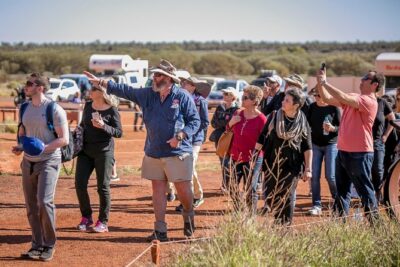
Ayers Rock Day Trip from Alice Springs Including BBQ Dinner
Read our review →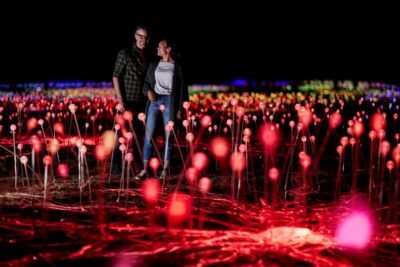
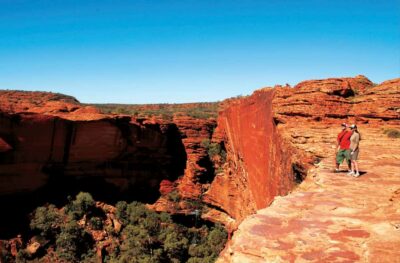
Kings Canyon: Full-Day Tour from Ayers Rock Resort
Read our review →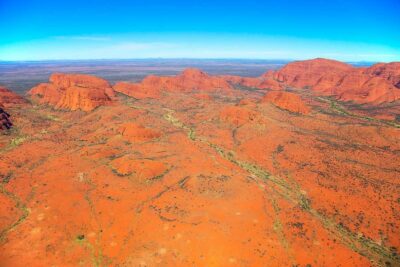
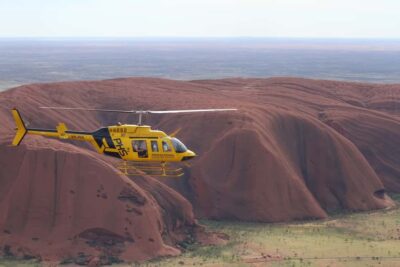
Uluru & Kata Tjuta 25-Minute Helicopter Experience
Read our review →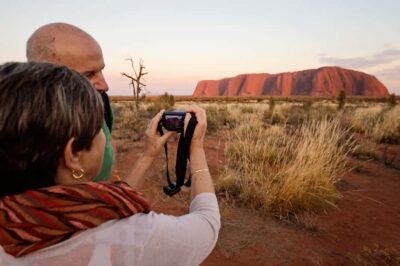
Sacred Sites & Sunset Tour with Wine & Cheeseboard
Read our review →Browse the lists this tour appears in