
Reviewed · TOURS IN ALICE SPRINGS
Alice Springs Desert Park General Entry Ticket
Alice Springs Desert Park makes the central Australian desert feel alive. Follow paths through woodland, sand, and river habitats, then step into the dark Nocturnal House to see bilbies and ghost bats that hide from the harsh daytime heat. The bird show adds real action, with birds of prey flying across the outdoor amphitheater.
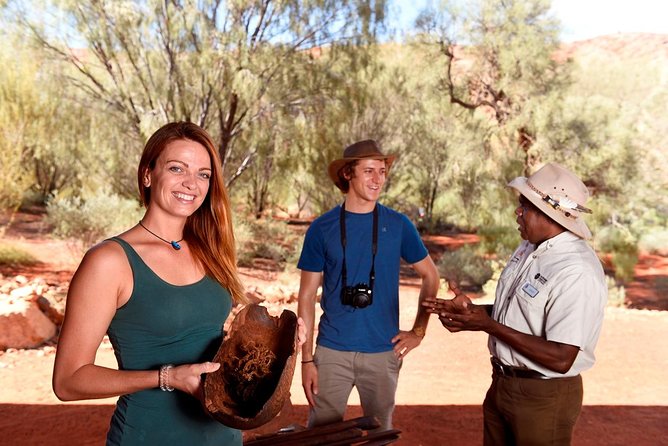
I like the clear habitat layout, which helps you understand how plants and animals fit into different parts of the desert. I also like the chance to hear Arrernte traditions and Dreamtime stories from Central Australian Aboriginal presenters. The main drawback is that this is a self-guided visit, so you need to plan around the daily talks and bird show rather than expect one continuous guided tour.
Key points
- Three desert environments: Walk through woodland, sand country, and desert river habitats.
- Nocturnal House: See rare animals such as bilbies and carnivorous ghost bats in darkened enclosures.
- Free-flying bird show: Watch birds of prey perform in the outdoor amphitheater.
- Arrernte stories and culture: Staff presentations connect Aboriginal traditions with the land.
- Flexible visit length: Allow 3 hours for the main highlights, or up to 8 hours for a slower visit.
- Useful facilities: Café, picnic and BBQ area, gift shop, and electric scooters for hire.
Start with the desert’s hidden life
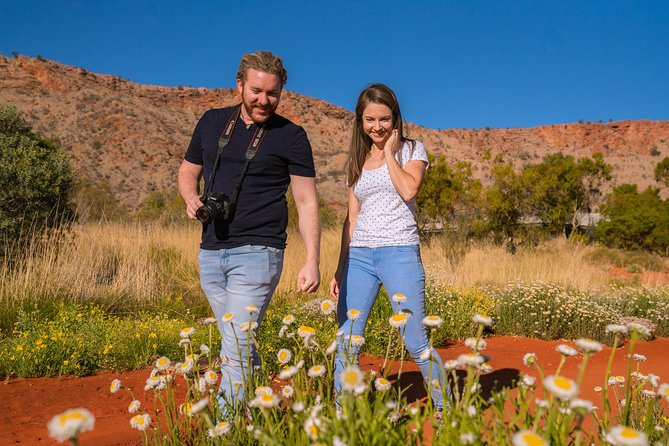
Alice Springs Desert Park is not simply a collection of animal enclosures. It is arranged as a walk through central Australia’s main desert environments, giving you a useful framework for understanding what you see.
The woodland, sand, and river sections each show different plants and animals. The paths lead through naturalized settings rather than a row of small cages, so you can pause beside an enclosure and watch an animal behaving in a setting that resembles its home.
That design matters in a place like Alice Springs. The desert can look empty when you first arrive, especially under the bright sun. The park shows you that life is present everywhere, but often adapted to heat, little water, and long periods of dryness.
You receive a map and daily program on arrival. Use both. The map helps you follow the walking trail, while the program tells you when to be at the outdoor amphitheater, Nocturnal House, and staff presentations. The visit is flexible, but the scheduled talks give the day its shape.
A few more things to do in Alice Springs worth a look
- Sydney: Opera House Guided Tour with Entrance Ticket
★ 4.8 · 8,312 reviews - Sydney: Taronga Zoo Tickets
★ 4.6 · 1,551 reviews - From Brisbane: Australia Zoo Transfer and Entry Ticket
★ 4.9 · 1,539 reviews
Walk through woodland, sand, and river country
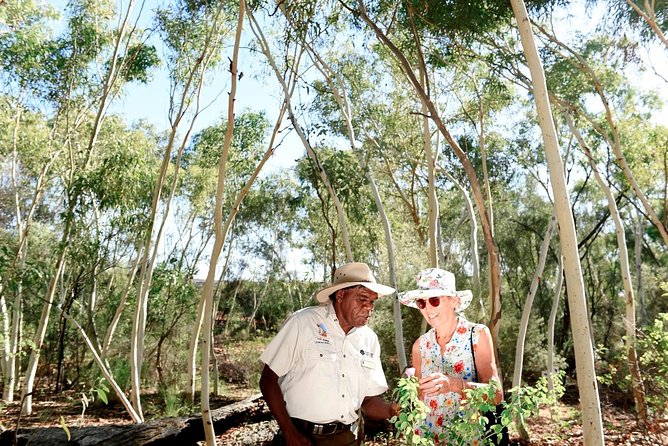
The main trail covers three distinct habitats: woodland, sand, and river. You can follow the route at your own pace, stopping when an animal catches your eye or when an interpretive display explains a plant, survival method, or local feature.
The woodland section introduces a desert environment that may surprise you. Central Australia is not just bare red soil and scattered scrub. Trees and other plants create shelter and food, and the park’s botanical displays help you notice details that are easy to miss from a passing car.
Sand country has its own character. Look for the ways plants and animals cope with loose ground, scarce water, and high daytime temperatures. The value here is not just seeing an animal, but understanding why it belongs in that particular habitat.
The desert river section focuses on the life connected to waterholes. An aquarium lets you look into an underwater world with fish, turtles, burrowing frogs, and yabbies. This is a good stop for families, since the water gives you something active to watch and makes the idea of a desert water source easy to grasp.
You should allow at least three hours if you want to walk the main areas, see a presentation, and visit the Nocturnal House without rushing. If you enjoy plants, displays, photography, or long pauses at enclosures, you can comfortably spend much longer, with the suggested visit lasting from about three to eight hours.
Save time for the Nocturnal House
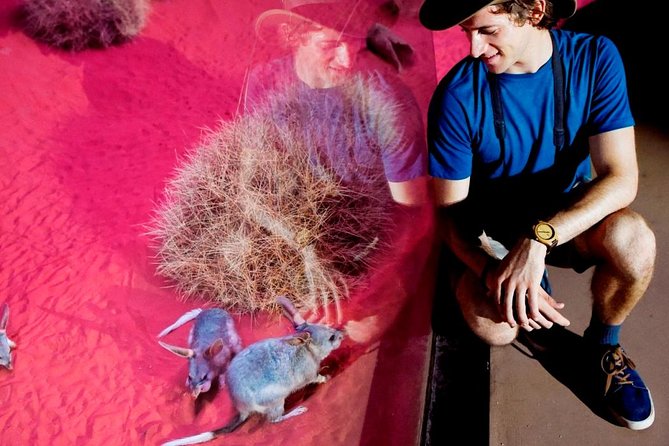
The Nocturnal House is one of the park’s most distinctive stops. It reverses the normal desert day, placing you in a dark indoor setting where animals that avoid the heat and light become active.
Bilbies, also called macrotis, are among the animals you may see. These rare and endangered creatures are built for life in dry country, but they are easy to miss in the wild. The dark setting gives you a better chance to watch their movements and learn why night is safer for many desert species.
Carnivorous ghost bats are another highlight. Their presence adds a little drama, but the real value is seeing how much desert life happens after sunset. The exhibit helps correct the common idea that the desert is quiet and lifeless. Much of its activity is simply hidden from you during the day.
A keeper presentation in the Nocturnal House can add useful detail. Plan to stay for it if the timing works. The room is also a welcome break from the Alice Springs heat, though moving between bright outdoor paths and a dark exhibit may take a moment for your eyes to adjust.
Watch birds of prey in open flight
The free-flying bird show takes place in the outdoor amphitheater. It is one of the strongest reasons to check the daily schedule before setting off.
Seeing a bird of prey fly across open space is different from viewing one perched behind a barrier. The show demonstrates speed, control, and hunting adaptations in a way that a display panel cannot. It is also a good change of pace after the quieter walking trails and indoor exhibits.
The presentation has broad appeal. Children get movement and excitement, while adults can focus on the role of birds of prey in Central Australian ecosystems. Arrive in time to choose a good place in the amphitheater, particularly if this is one of your main priorities.
The park’s daily guide presentations are important here. Staff members explain the animals and their behavior, rather than simply sending you past an enclosure with a label. The strongest presentations may depend on who is leading them. Reuben, in particular, is noted for combining wisdom and wit with stories that make the plants and animals easier to remember.
Same base, a different sort of day:
- From Alice Springs: Day Trip to Uluru with BBQ Dinner
★ 4.6 · 761 reviews - Ayers Rock Day Trip from Alice Springs Including BBQ Dinner
★ 4.5 · 639 reviews - Early Morning Ballooning in Alice Springs
★ 5.0 · 426 reviews - Alice Springs Camel Tour
★ 4.5 · 404 reviews
Hear Arrernte stories tied to the land
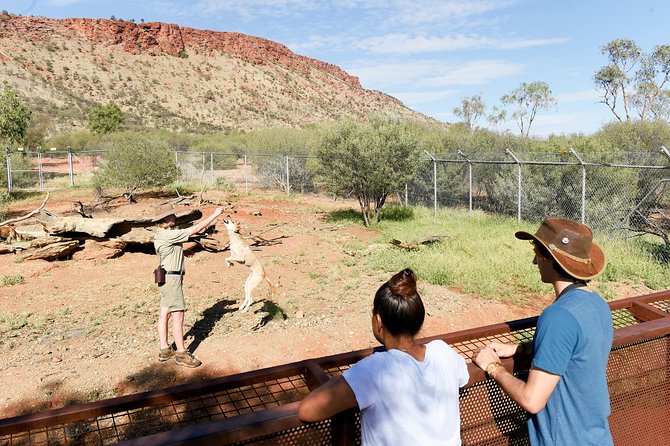
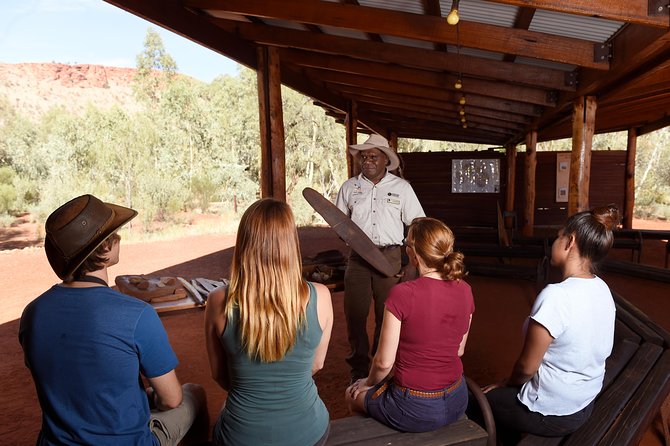
The cultural program is an important part of the visit. Presentations by Central Australian Aboriginal people share traditions of the Arrernte people and Dreamtime stories that explain connections between people, animals, water, and country.
These talks help place the park’s animal exhibits in a wider setting. You are not only learning how a bilby survives or where a plant grows. You are also hearing about how Aboriginal people used the desert’s plants and animals for food, medicine, and tools.
That human knowledge gives the park more weight than a standard wildlife attraction. The desert is not an empty backdrop. It is a place with long-held cultural meaning and practical knowledge built through close attention to the environment.
Give these presentations your full attention. They are among the most valuable parts of the day, particularly if you want more than wildlife photographs. The exact presentation schedule is provided when you arrive, so use the daily program to avoid missing one.
How to plan a three to eight hour visit
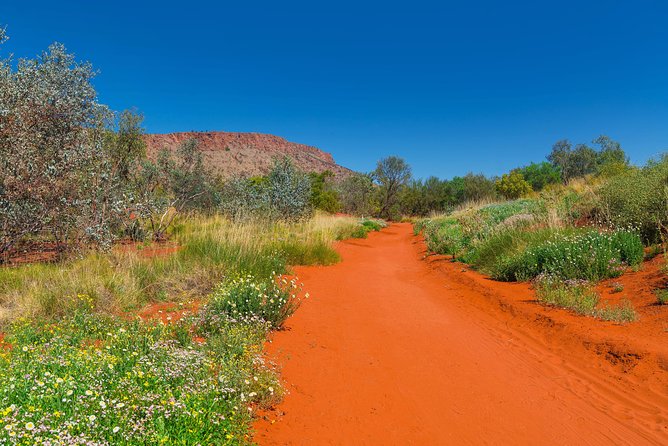
This ticket is self-guided, so you control the pace. A short visit can cover the main walking trail, the Nocturnal House, and the bird show. A longer visit gives you time to read displays, linger by the enclosures, attend several talks, and stop for food.
A practical plan looks like this:
- Pick up the map and daily program on arrival.
- Check the time of the bird show and any staff presentations.
- Walk one or two habitat sections before attending a scheduled talk.
- Visit the Nocturnal House while allowing time for the keeper presentation.
- Continue through the remaining habitat and aquarium areas.
- Stop at the café or picnic area before finishing with any missed section.
The published start time is 7:30 am. Since the ticket does not include transportation, you make your own way to Alice Springs Desert Park. The park is near public transportation, but the exact transport arrangements are not specified, so check your route before setting out.
Electric scooters are available to hire for an extra fee. This may help if you prefer not to walk the full route, but scooter hire is not included in the $16 admission price. A picnic and BBQ area is also available if you want to bring food rather than use the café.
What the $16 ticket really gives you

At $16, the admission is good value if you want a substantial introduction to Central Australian wildlife and culture. You receive access to the habitat trails, Nocturnal House, aquarium, interpretive displays, and scheduled presentations, including the free-flying bird show.
The value increases with the time you spend inside. A quick hour-long stop would not make full use of the ticket, especially since the experience is designed to unfold through several habitats and talks. Plan for at least three hours, and the admission becomes a low-cost half-day outing.
Extra charges apply for electric scooters and additional animal encounters. Food and drinks are also separate, and there is no hotel pickup or transport to the park. These costs are easy to manage, but include them in your budget if you want a more convenient visit.
The ticket is non-refundable and cannot be changed after booking. That makes it wise to confirm your schedule before paying, particularly if your Alice Springs plans depend on transport or a tight departure time.
Who will enjoy this park most
Families have plenty to see here. The aquarium, nocturnal animals, and bird show provide variety, while the paths let you move at your own speed instead of following a fixed group. The park also works well for adults who want a gentle introduction to desert ecology without committing to a long remote outing.
It suits first-time visitors to Alice Springs, especially those arriving by train or using the park as an early introduction to the region. The combination of plants, animals, Aboriginal culture, and habitat design gives you useful context for the rest of a Central Australian trip.
It is less suitable if you want a tightly guided tour with constant commentary. You need to read displays, follow the map, and manage your own time. The daily program provides structure, but you are still responsible for getting to each presentation.
The park is also not ideal for someone looking only for large, dramatic animals. Its appeal is in smaller creatures, specialized desert adaptations, plant life, cultural stories, and the surprise of finding activity in a dry place.
Practical details before you go
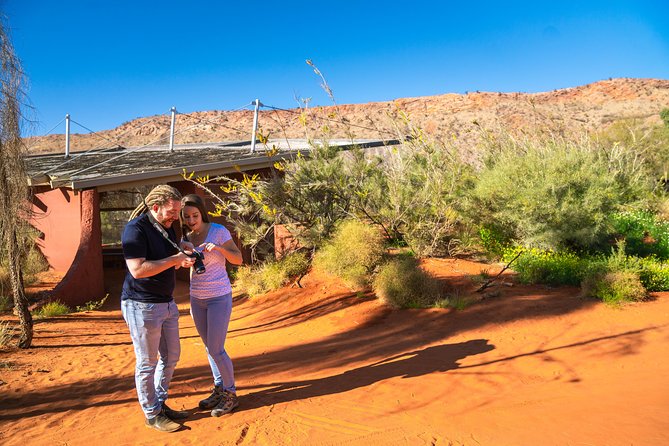
The experience includes admission and a guide in the form of park presentations and interpretive material, but it does not include hotel pickup, drop-off, or transportation. You make your own way there and receive the map and schedule at the entrance.
Service animals are allowed, and most people can participate. The activity is listed with a maximum of one traveler, which appears to describe the booking setup rather than a normal group tour, since the attraction itself is a public park with self-guided access.
The café is useful for a break, while the picnic and BBQ area gives you another option. The gift shop is available if you want a small reminder of the park. Electric scooters cost extra, and animal encounters beyond the standard admission also cost extra.
Wear practical walking clothes and plan for an outdoor visit, but do not expect every part of the experience to be outside. The Nocturnal House provides an indoor section, while much of the main route runs through outdoor habitats. The park map and program are your best tools for managing the day.
Should you book Alice Springs Desert Park?
Book it if you want a reasonably priced, flexible introduction to Central Australia that combines wildlife, plants, Aboriginal culture, and practical desert interpretation. The bird show, Nocturnal House, and Arrernte presentations give the visit enough variety to suit both families and independent adults.
I would give yourself at least three hours and plan the day around the scheduled talks. The park rewards curiosity more than speed. If you only have time for a brief stop or want a fully guided outing with transport included, this may not be the right choice.
For most visitors with half a day in Alice Springs, the $16 entry is an easy recommendation. Just remember that the ticket is final, so book only once your plans are firm.
FAQ
What is included in the Alice Springs Desert Park ticket?
The ticket includes admission to Alice Springs Desert Park, its habitat trails, interpretive displays, Nocturnal House, aquarium, outdoor bird show, and scheduled park presentations.
How long should I allow for the visit?
The visit usually takes about 3 to 8 hours, depending on how many talks you attend and how much time you spend at the habitats, displays, and enclosures.
Is the visit guided?
The visit is mainly self-guided. You receive a park map and daily program, and staff presentations take place during the day.
Is the bird show included?
Yes. The free-flying bird show in the outdoor amphitheater is included with general entry.
What animals can I see in the Nocturnal House?
You may see rare and endangered nocturnal animals such as bilbies, also called macrotis, and carnivorous ghost bats.
Does the park include Aboriginal cultural information?
Yes. Presentations share traditions of the Central Australian Aboriginal Arrernte people and Dreamtime stories about connections between people and the land.
Are food and drinks included?
No. Food and drinks are not included, but the park has a café and a picnic and BBQ area.
Is electric scooter hire included?
No. Electric scooters are available for an additional fee.
Can I cancel or change the booking?
No. The experience is non-refundable and cannot be changed for any reason after booking.
Just added in Alice Springs
- West MacDonnell Ranges & Standley Chasm Day Trip from Alice Springs★ 5.0 · 67 reviews
- Uluru, Kata Tjuta and Kings Canyon Camping Safari from Alice Springs★ 5.0 · 162 reviews
- West MacDonnell Ranges Day Trip from Alice Springs★ 4.5 · 364 reviews
- Alice Springs to Uluru (Ayers Rock) Coach Transfer★ 4.5 · 39 reviews
- 1 Day Alice Explorer★ 4.5 · 80 reviews
- Alice Springs Desert Park Nocturnal Tour★ 5.0 · 45 reviews
- 3 Day Red Centre Kata Tjuta Kings Canyon Outback ex.Alice Springs★ 5.0 · 69 reviews
- Alice Town And Country Half Day Sunset Tour – Small Group★ 4.5 · 24 reviews
Tours in Alice Springs, compared.

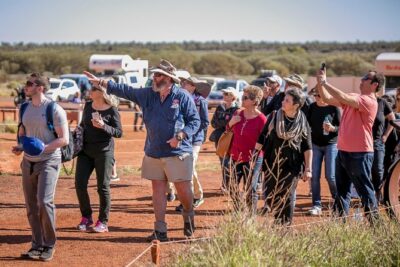
Ayers Rock Day Trip from Alice Springs Including BBQ Dinner
Read our review →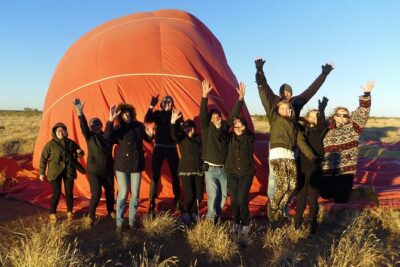

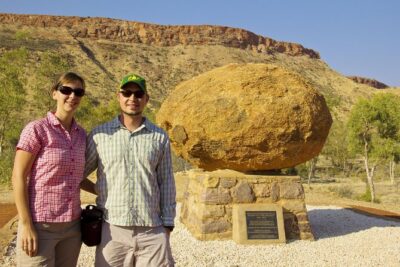
West MacDonnell Ranges Day Trip from Alice Springs
Read our review →
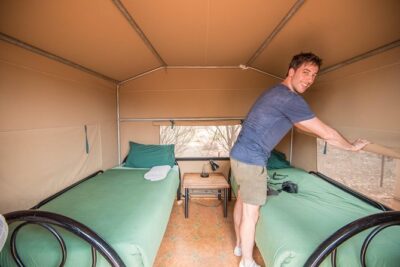
Uluru, Kata Tjuta and Kings Canyon Camping Safari from Alice Springs
Read our review →
West MacDonnell Ranges Half day Tour -Small Group
Read our review →Browse the lists this tour appears in