
Reviewed · WINE TOURS
Kata Tjuṯa Sunset Tour with Sparkling Wine and Cheeseboard
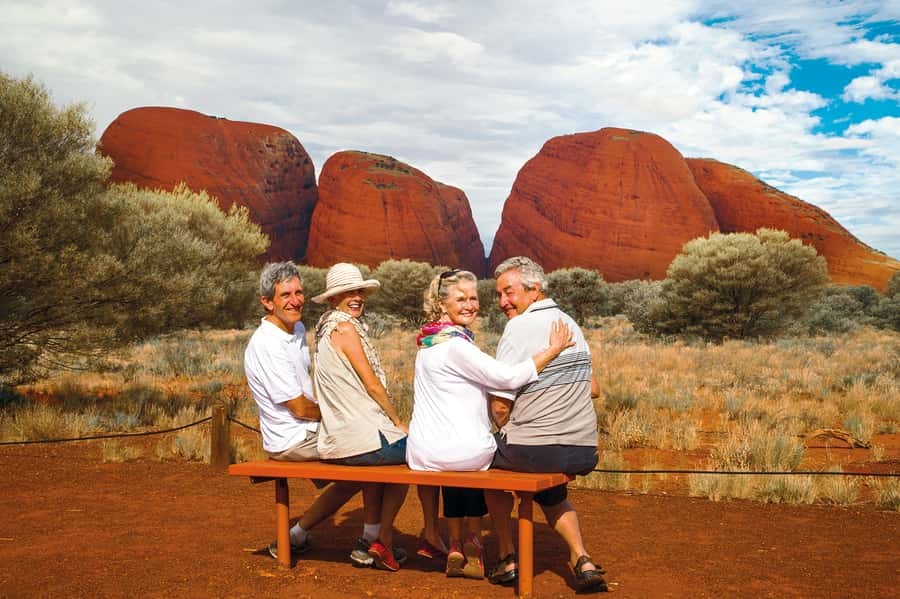
Kata Tjuṯa changes by the minute as the sun drops, and that is the heart of this 165-minute outing. From the coach, you get a calm introduction to the 36 domes, then settle in with sparkling wine and light nibbles while the rocks shift through warm evening colours. I like the easy hotel pickup and the air-conditioned coach, especially after a hot day around the Red Centre. I also like the cultural care built into the commentary: Kata Tjuṯa is sacred to Anangu men, and not every story is shared publicly.
The main catch is that this is a sunset viewing and drinks tour, not a walking tour of Kata Tjuṯa. One recent outing felt rushed, with limited seating and too little food for the group, and the coach departed before the sun had fully set. Confirm the timing carefully, bring water and warm layers, and book this for atmosphere rather than extensive exploration.
Key points to know before booking
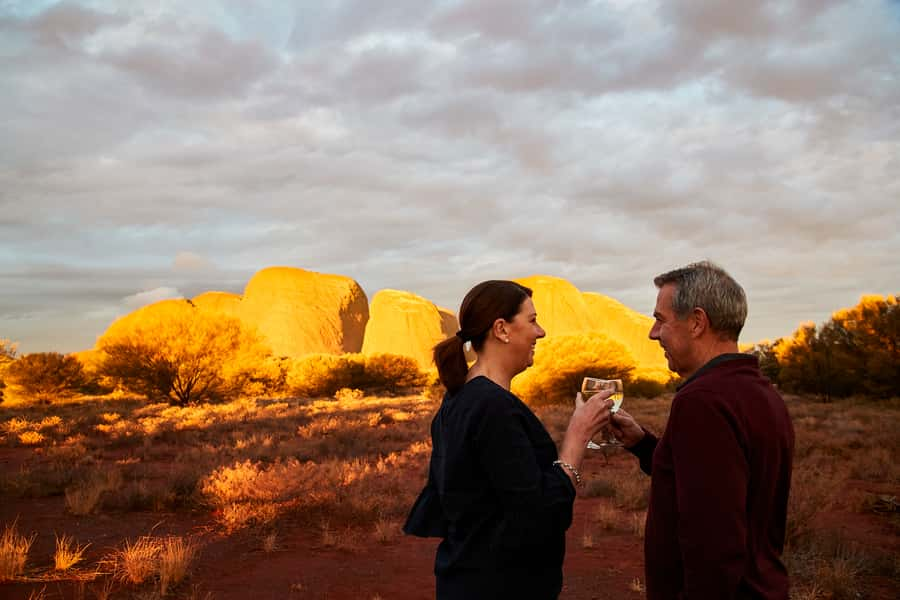
- The sunset is the main event: Watch the domes change colour as daylight fades, with wine and snacks served nearby.
- You see Kata Tjuṯa from a viewing area: The tour does not give you a long walk through the domes.
- The coach ride adds useful context: Your English-speaking driver guide discusses geology, flora, fauna, and Anangu culture.
- Guides can make a real difference: Ebony and Dennis have both been praised for friendly, clear commentary.
- Food is light, not dinner: Expect crackers, cold meats, vegetables, and drinks rather than a full meal.
- Park entry costs extra: You must buy the Uluru and Kata Tjuṯa National Park ticket online before departure.
Why Kata Tjuṯa sunset feels different from an Uluru sunset
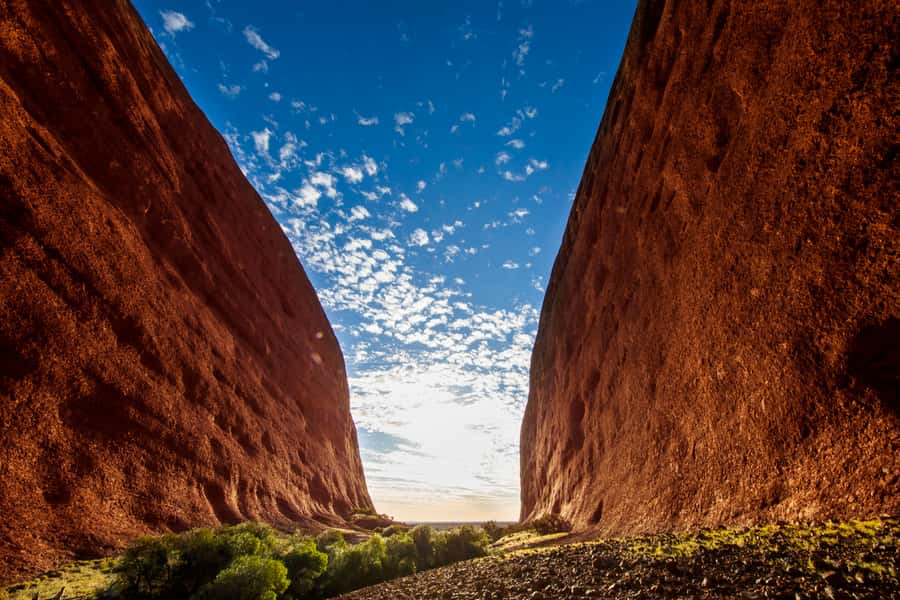
Uluru is one massive block of sandstone. Kata Tjuṯa is a cluster of 36 steep-sided domes, spread across a broad area and rising from rock that extends about six kilometres into the ground. The formation began through erosion more than 500 million years ago, so even a short visit gives you a glimpse into an immense natural story.
The name Kata Tjuṯa means many heads. You can see why from the road and viewing area, where the rounded summits sit close together rather than forming one clean outline. As the sun lowers, the stone may appear golden, orange, red, or purple, depending on the light and cloud.
I find this kind of sunset especially rewarding because you are watching two things change at once: the sky and the domes. The colours do not switch like a light show. They build slowly, often with subtle changes that reward staying focused.
This is also a place where silence and limits matter. Kata Tjuṯa is sacred under Anangu men’s law, and some of its stories are known only to initiated men. Your guide can explain the broad cultural importance, but the commentary will not expose every detail. That restraint is part of the experience, not a gap in it.
More cellar doors within reach of Uluru:
- Uluru: Sacred Sites & Sunset Tour with Wine & Cheeseboard
★ 4.5 · 450 reviews - Laid back, Yarra Valley Wine Tour: Wine, Cider, Gin, Beer + Choc
★ 5.0 · 4,552 reviews - Melbourne: Yarra Valley Wine, Gin, Whisky and Chocolate Tour
★ 5.0 · 3,667 reviews
The drive into Kata Tjuṯa National Park
The tour begins with hotel pickup, followed by travel in an air-conditioned coach. The departure time changes during the year because sunset changes, and the tour is scheduled to leave about 90 minutes before sunset. That timing gives your guide room to drive into the park, explain what you are seeing, and set up the sunset stop.
I like this format for one simple reason: you do not need to worry about driving, parking, or finding your way back after dark. You can watch the scenery through the window while the driver guide talks about the region’s natural and cultural past.
The coach is described as comfortable and luxurious, though the exact group size and seating arrangement are not specified. One outing had too few seats at the sunset stop, with several people left standing. If you need a seat for comfort, ask about the setup when you confirm your pickup time.
During the drive, expect commentary on native plants and animals as well as Kata Tjuṯa’s geology. This is not a specialist field trip, but it gives the evening more shape than simply arriving, taking photographs, and leaving. Guides have included Ebony and Dennis. Dennis was praised for friendly, clear information, including his German, while Ebony received strong marks for leading a pleasant evening.
What you learn about the domes
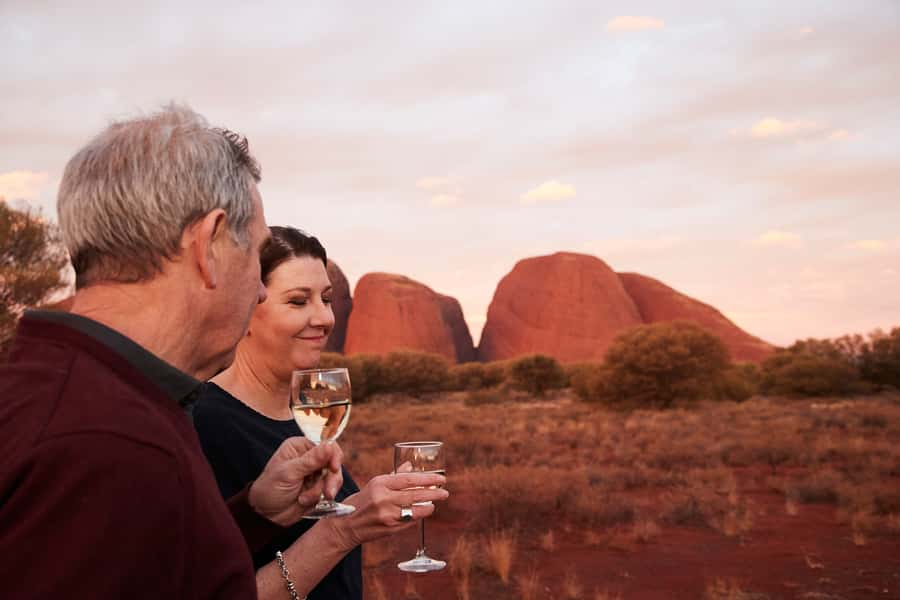
The geology here is worth paying attention to. Kata Tjuṯa is not a collection of isolated boulders. The 36 domes are the worn remains of rock shaped by erosion over an extraordinary stretch of time.
Your guide explains this in accessible terms during the drive and at the viewing area. You may hear how the formation reaches deep into the earth and how long erosion has been working on it. That background helps you understand why the domes have their rounded, steep-sided shape.
The commentary also places the rock within Anangu culture. This is a sacred area, and the tour acknowledges that some knowledge is restricted. You are not asked to treat Kata Tjuṯa as just a scenic backdrop for drinks. The cultural information is brief enough for a general tour, yet important enough to remind you that this is a living cultural place.
You should expect interpretation rather than a long guided walk. If your priority is learning about every trail, plant, and rock layer on foot, this outing will feel limited. If you want a clear introduction before dinner, the amount of information fits the relaxed pace.
The sunset stop and changing colours
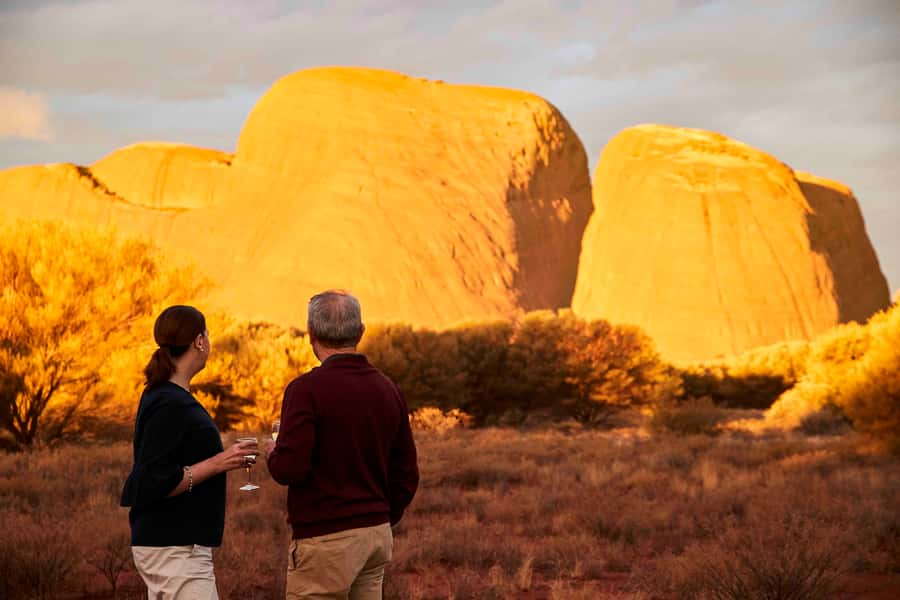
The viewing stop is the emotional centre of the tour. Once you arrive, you watch the domes while the guide serves drinks and snacks. The best part is the gradual change. Early light may pick out the ridges and hollows, while later light deepens the shadows and warms the exposed rock.
Photography conditions can change quickly. A scene that looks pale one minute may turn copper-coloured a few minutes later. Keep your camera ready, but do not spend the whole stop looking at a screen. The colour shift is easy to miss if you only take one photograph and move on.
There is an important timing point here. The tour description promises a Kata Tjuṯa sunset, but one recent outing left before the sun had completely set. That means the exact experience may depend on the day’s schedule, road timing, and how the operator manages the departure.
For that reason, I would confirm the exact pickup and return times 24 to 48 hours before departure. The voucher time may not be accurate because sunset changes throughout the year. You must also arrive at the pickup point 10 minutes before the confirmed time.
Same base, a different sort of day:
- Uluru: Field of Light Sunrise Tour with Hot Drinks
★ 4.6 · 572 reviews - Uluru 15-Minute Helicopter Experience
★ 4.9 · 548 reviews - Kings Canyon: Full-Day Tour from Ayers Rock Resort
★ 4.6 · 541 reviews - Yulara: Uluru & Kata Tjuta 25-Minute Helicopter Experience
★ 4.8 · 536 reviews
What is served with the view
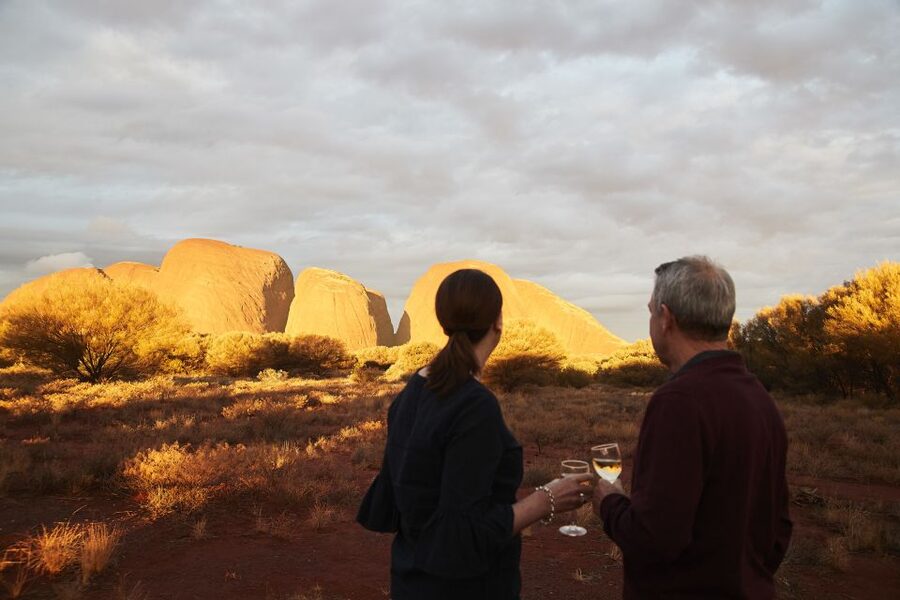
The drinks selection is better than the food selection. Included options are sparkling wine, red wine, white wine, lemonade, and orange juice. If you do not drink alcohol, you still have a soft drink or juice option.
The food is described as light snacks and canapés. In practice, you should expect items such as crackers, cold meats, and raw vegetables including carrots and cucumber. The food gives you something to nibble while you look at the rocks, but it is not a substitute for dinner.
One outing had plenty of drinks but only one tray of cold meats and one tray of vegetables for the group. There were plenty of crackers, but not enough substantial food for everyone. If you tend to get hungry early, eat beforehand or carry a suitable snack if permitted. You should also keep your water bottle with you, since water is recommended at all times of year.
The wording matters here: think drinks reception, not picnic. The wine and setting are the value of this part of the tour. The snacks support the experience, but they are not the reason to book it.
The cultural side of a short visit
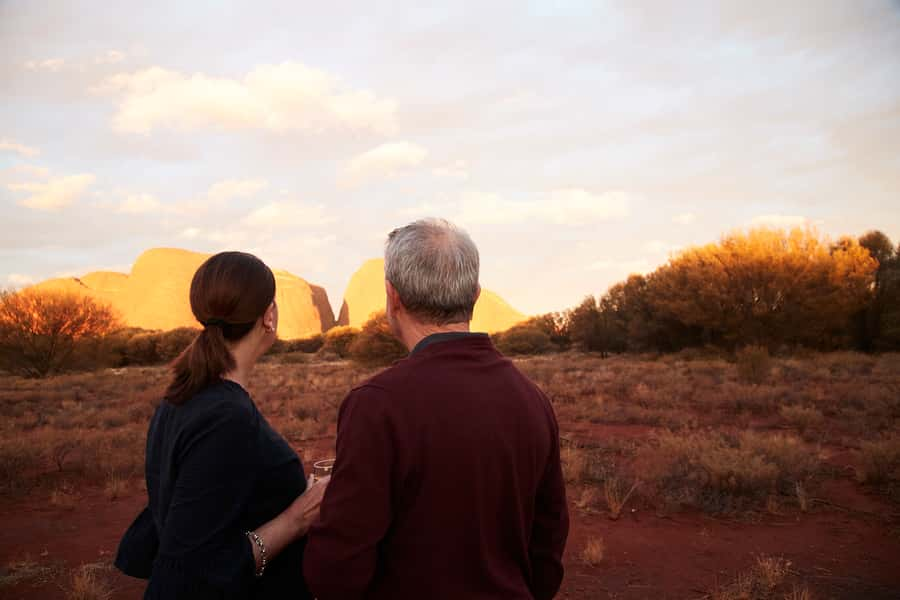
A short sunset tour cannot explain every part of Anangu culture, and it should not try to. The useful point is that your guide introduces Kata Tjuṯa as a sacred place with laws and stories that have boundaries.
The fact that some information is known only to initiated men is significant. It explains why you may receive a respectful overview rather than a full account of every traditional story connected to the domes. You can listen without expecting the guide to turn sacred knowledge into entertainment.
I appreciate this approach because it gives you a better way to look at the site. You are there for a dramatic sunset, but you are also visiting a place with meaning beyond scenery. The commentary helps connect the two without suggesting that visitors are entitled to every cultural detail.
If you want a longer cultural program, this tour may not be enough on its own. It works best as one part of a Red Centre stay, particularly when you want a quiet evening after more active sightseeing.
How much of Kata Tjuṯa do you actually see?
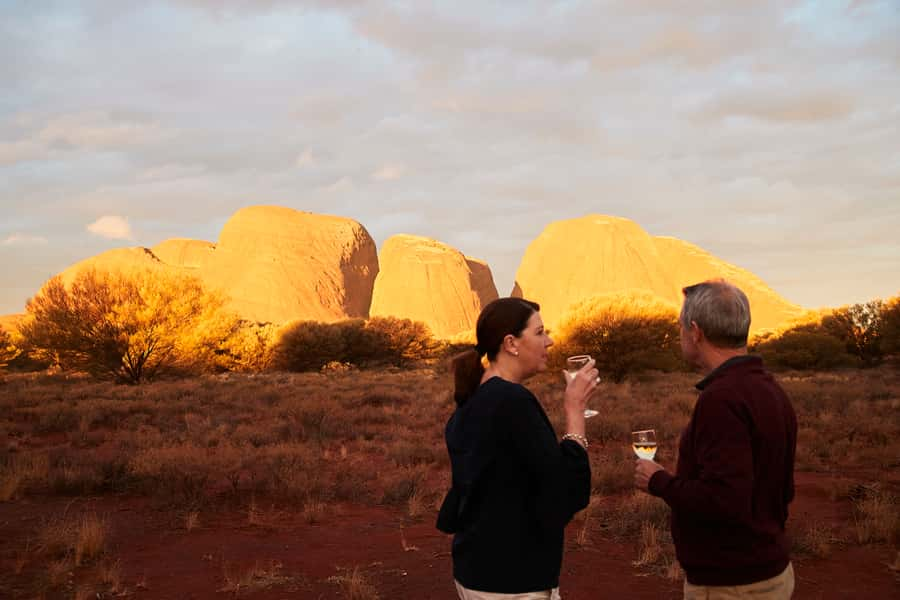
This is the most important question to ask before paying. You see the domes from a scenic area and learn about them from the coach, but the tour does not promise a substantial walk through Kata Tjuṯa.
One recent participant felt disappointed because the outing showed less of Kata Tjuṯa than expected. That reaction makes sense if you imagine a walking excursion. The tour focuses on one carefully timed viewpoint, sunset colours, drinks, and commentary.
The advantage is comfort. You do not need to walk in the heat or manage a trail after a full day of sightseeing. The drawback is access. You will not spend the evening exploring the shapes and shadows from several points along the domes.
I would pair this with a separate Kata Tjuṯa walking experience if you want more contact with the site. Book this one when your priority is the evening view and an easy ride back to your hotel.
Is $119 good value?
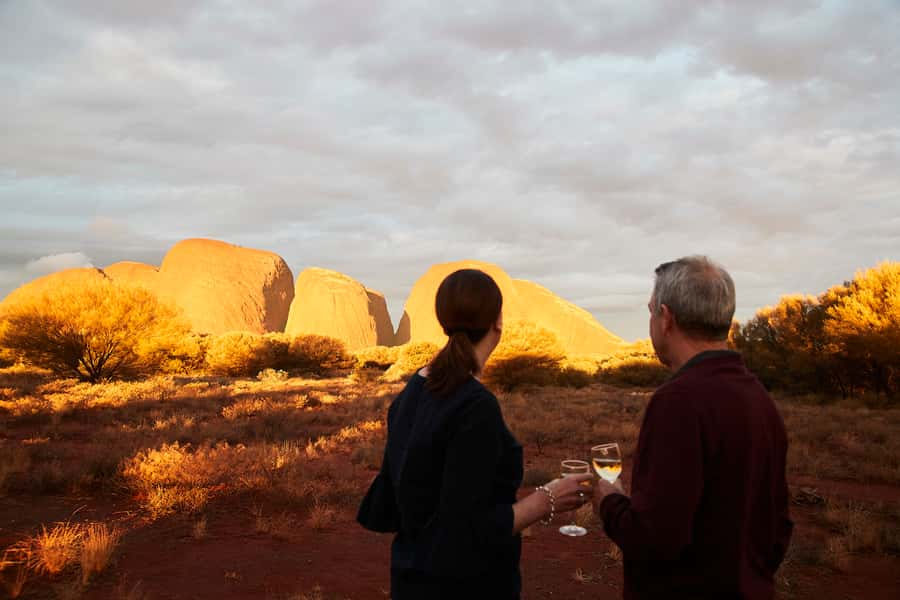
At $119 per person, the price pays for transport, hotel pickup and drop-off, a driver guide, park commentary, drinks, snacks, and the sunset setting. It is not simply the cost of a coach ride, but it is also not a low-cost park transfer.
I think the value depends on what you would otherwise arrange. If you would need to hire a car, drive into the park, plan the timing, and bring your own drinks, the guided format can feel worthwhile. You also receive background on geology, wildlife, plants, and culture rather than only a viewpoint.
The value feels weaker if you expect a full meal or a long guided visit. Park entry is not included, and you must buy the Uluru and Kata Tjuṯa National Park ticket online in advance. Add that cost to your budget before comparing this tour with self-drive plans.
For a special evening, the combination of transport and sparkling wine is appealing. For maximum time at Kata Tjuṯa, a more active or longer excursion may give you more for your money.
Weather, clothing, and practical comfort
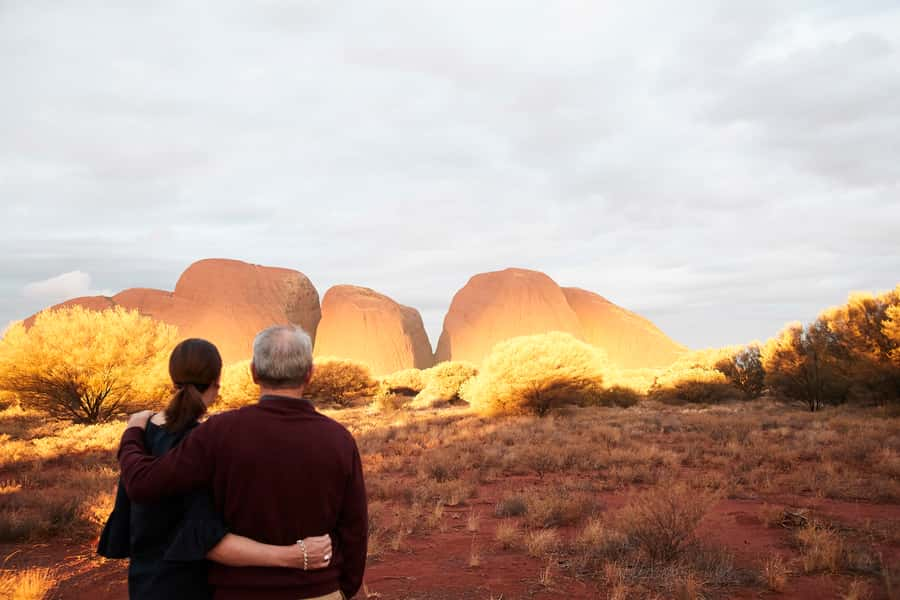
Bring enclosed walking shoes even though the outing is not built around a long hike. The ground around a viewing area may still be uneven, and proper shoes are a sensible choice.
Summer calls for a flynet if you use one, while cooler months require warm layers. Desert evenings can feel much cooler once the sun drops, so do not rely on the afternoon temperature. A water bottle is recommended all year.
The coach is air-conditioned, which helps during the ride into the park. At the viewing area, comfort depends more on the weather, available seating, and how long you remain outside. Since one outing had limited seating, be prepared to stand for part of the sunset.
The timing also deserves care. Call the AAT Kings Reservations Team on 1300 228 546 or +61 2 9028 0880 to confirm your exact pickup 24 to 48 hours before departure. The listed voucher time can change with the season.
Who will enjoy this sunset tour?
I would choose this tour if you want a low-effort evening with striking scenery, useful commentary, and a glass of wine. It suits people who prefer a coach to self-driving and those who want to return in time for dinner.
It also works well for first-time visitors who want an introduction to Kata Tjuṯa without committing to a longer walk. The air-conditioned ride, hotel pickup, and English-speaking guide keep the evening simple.
You may want another option if you need a substantial meal, plenty of seating, a full sunset afterglow, or several hours inside the park. Families and non-drinkers can still use the tour, thanks to lemonade and orange juice, but the snacks should not be treated as dinner.
The strongest part is the setting. The best guides add useful detail, and names such as Ebony and Dennis have been associated with friendly, clear commentary. Still, the exact feel depends on the day’s timing and the space available at the stop.
Should you book the Kata Tjuṯa sunset tour?
Book it if you want a polished sunset outing, not an expedition. The domes, the changing light, and the chance to sit with a drink while your guide explains the place make a memorable combination.
Before booking, accept three limits: park entry costs extra, the food is light, and you may see Kata Tjuṯa from one main viewing area rather than through a long walk. Confirm the pickup time, bring water and warm or insect-protective clothing as needed, and eat enough beforehand.
For an easy evening with hotel transport and a strong sunset setting, $119 can be fair value. For deep exploration, a full dinner, or guaranteed time after the last rays disappear, choose a different outing or add another Kata Tjuṯa visit to your plans.
FAQ
How long is the Kata Tjuṯa sunset tour?
The tour lasts 165 minutes. It departs about 1.5 hours before sunset, but exact departure and return times change throughout the year.
Is hotel pickup included?
Yes. Hotel pickup and drop-off are included. You should confirm the exact pickup time 24 to 48 hours before departure and arrive 10 minutes early.
Is park entry included in the price?
No. Uluru and Kata Tjuṯa National Park tickets are not included. You must purchase the park ticket online in advance.
What drinks are included?
The tour includes sparkling wine, red wine, white wine, lemonade, and orange juice.
Is a full meal provided?
No. The tour provides light nibbles and snacks. These may include crackers, cold meats, and vegetables, so you should not rely on the food as dinner.
What language is the tour conducted in?
The live tour guide speaks English. Guides have included Ebony and Dennis.
What should I bring?
Bring enclosed walking shoes, a flynet during summer months, warm layers during cooler months, and a water bottle at any time of year.
Just added in Uluru
- Best of Uluru – Segway and Walking Tour★ 4.8 · 204 reviews
- King’s Canyon: 15-minute Scenic Helicopter Tour★ 4.9 · 78 reviews
- Kata Tjuta: Small Group Sunrise Tour with Picnic Breakfast★ 4.7 · 113 reviews
- Yulara: Uluru and Kata Tjuta Sunset Helicopter Tour★ 4.9 · 148 reviews
- From Yulara: 3-Hour Small Group Kata Tjuta Afternoon Tour★ 4.7 · 101 reviews
- From Yulara: Uluru Tour and Sunset BBQ★ 4.6 · 320 reviews
- Uluru: Uluru Base Segway Tour★ 4.6 · 112 reviews
- Kings Canyon Day Trip from Ayers Rock (Uluru)★ 4.5 · 380 reviews
Wine Tours, compared.

Laid back, Yarra Valley Wine Tour: Wine, Cider, Gin, Beer + Choc
Read our review →
The Margaret River wine tour for people who don’t do tours!
Read our review →
Amazing Yarra Valley Wine Tour + Chocolate, Farm Fresh, Gin
Read our review →
Barossa Premium Wine Tasting tour & Winery Lunch
Read our review →
Yarra Valley Wine & Winery Tour from Melbourne – All Inclusive!
Read our review →
Yarra Valley Wine, Gin, Whisky and Chocolate Tour
Read our review →
Discover Barossa: 4 Wine Tastings, Gourmet Lunch, and Hidden Gems
Read our review →
Sunset 3-Hour Cruise from Darwin with Dinner and Sparkling Wine
Read our review →Browse the lists this tour appears in