
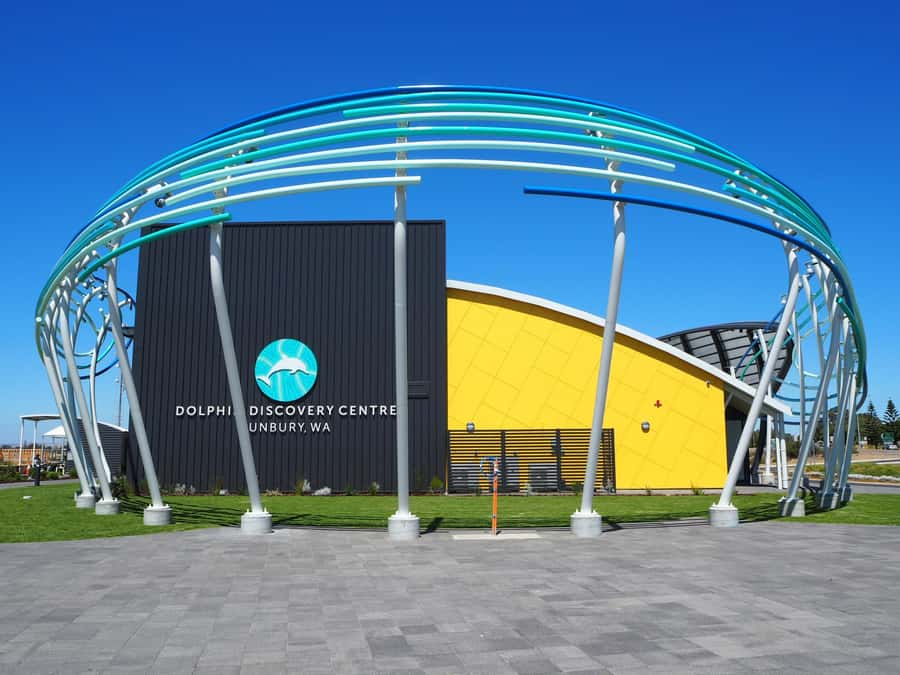
Reviewed · AUSTRALIA
Marine Discovery Centre
The most unusual thing here is that you can learn about wild Bunbury dolphins without seeing a dolphin in captivity. The centre keeps no dolphins in aquariums or ocean pens. Instead, it explains the animals, their Koombana Bay home, and the wider marine world through aquariums, films, displays, and feeding programs.
I like the good range of exhibits, from freshwater river life to offshore reef animals. I also like the practical ticket: pay $16, come and go during the 9am to 3pm opening hours, and take your time. The main consideration is scale. You may spend 90 minutes here, but it is not an all-day guided adventure unless you combine it with other Dolphin Discovery Centre activities.
Key points
- Wild dolphins stay wild: The centre has no dolphins in aquariums or ocean pens.
- Fourteen aquariums: Follow the marine story from freshwater rivers to offshore reefs.
- 360-degree Digital Dolphinarium: Watch dolphin-focused cinema as part of the indoor visit.
- Four daily feeding programs: See scheduled feeding activity across the centre’s exhibits.
- Useful for mixed-age groups: Interactive displays, films, and a discovery pool suit children and adults.
- One ticket, a full day: The $16 admission is valid during opening hours, with a recommended visit of about 90 minutes.
A dolphin centre with no captive dolphins
The Dolphin Discovery Centre takes a different approach from many marine attractions. You will not see dolphins performing tricks, swimming in a tank, or waiting in an ocean pen. The centre works with the wild Bottlenose dolphins of Koombana Bay, while its indoor exhibits explain their lives and the environment around them.
That distinction matters. You can study dolphin behaviour and habitat without treating the animals as an exhibit. If dolphins visit the outdoor Interaction Zone beside the centre, staff will let you know, giving you a chance to see them in their natural setting. That encounter is never promised, but the centre’s approach keeps the focus on wild animals rather than a staged show.
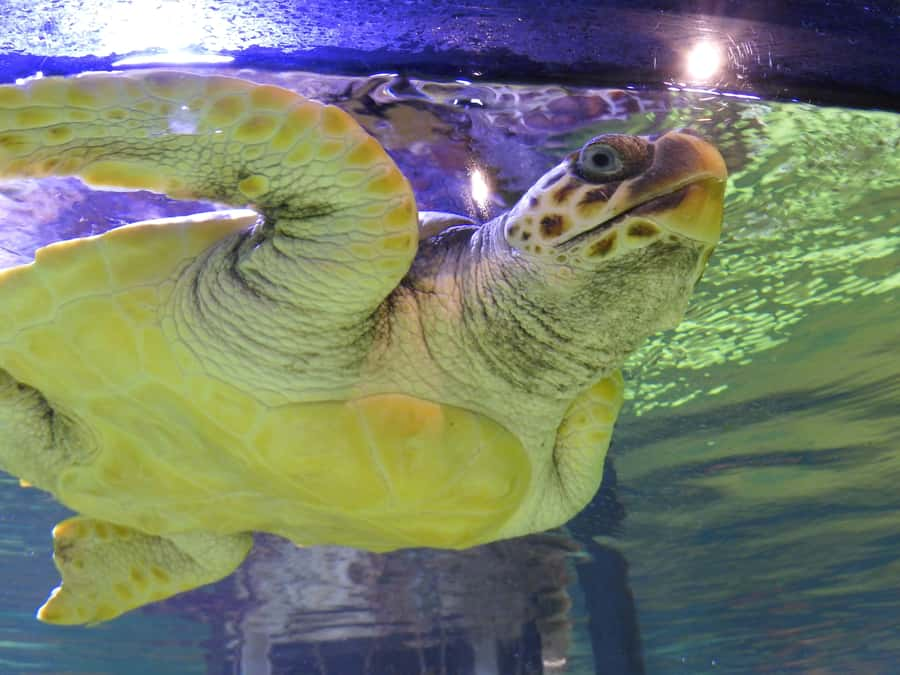
Inside, the story extends well beyond dolphins. You will find aquariums with sharks, octopus, coral, fish, and other marine life from the temperate waters of the region. Displays connect the local waterways with the coast, helping you see Koombana Bay as part of a larger system rather than an isolated beach.
Other trips people book in Australia:
- Sydney: Opera House Guided Tour with Entrance Ticket
★ 4.8 · 8,312 reviews - All Inclusive Blue Mountain,Scenic World,Lunch,Koalas,ferry
★ 5.0 · 7,832 reviews - Great Ocean Road Small-Group Eco Tour from Melbourne
★ 5.0 · 6,607 reviews
Start at the tour desk and set your own pace
Entry is through the Dolphin Discovery Centre in Bunbury. Take your ticket or voucher to the front tour desk, then explore the Marine Discovery and Interpretive Centre on your own.
There is no fixed group itinerary to follow. That suits families particularly well because you can spend longer at an activity that catches a child’s attention, then move on when interest fades. It also works for adults who prefer to read, watch, and explore at their own speed.
The centre is open seven days a week from 9am to 3pm. Your admission covers the full calendar day, so you can arrive in the morning, leave for lunch, and return later during opening hours. That flexibility adds real value to a modest $16 ticket, especially if you are already spending time in Bunbury.
A visit of about 90 minutes is a sensible starting point. I would allow extra time if you have young children, want to attend feeding programs, or plan to watch the films carefully. Since the ticket lasts all day, you do not need to force every exhibit into one quick circuit.
Fourteen aquariums tell a local water story
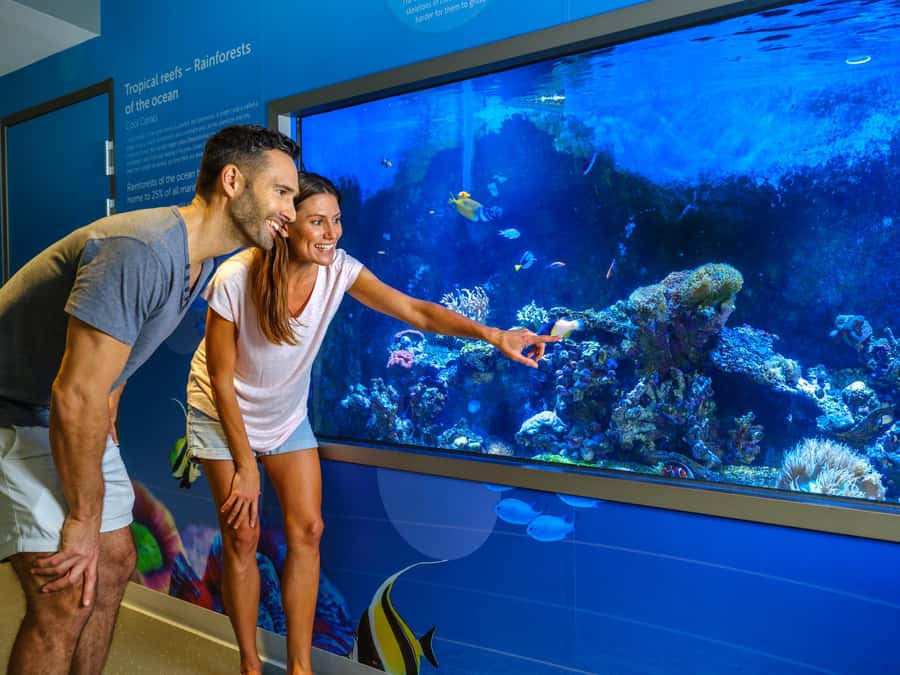
The aquariums are arranged around the marine life of the region’s temperate zone. Rather than presenting a random collection of colourful fish, the displays trace a journey from freshwater river environments toward the sea and then offshore reef areas.
That arrangement gives the visit a useful sense of place. You can consider how water, plants, fish, and other animals connect as conditions change from river to coast. The approach is especially helpful for children, who may know the names of individual animals but not understand how different habitats fit together.
Expect to see themed displays featuring sharks, octopus, coral, and other fish and marine creatures. The information provided is intended to explain the animals and their environment, not simply to provide a row of tanks for quick photographs.
The aquariums will be a strong part of the visit if you want a quiet, weather-proof way to see marine life. They are also useful for anyone who cannot join a boat trip or beach activity. You can observe the animals without getting wet, dealing with rough conditions, or relying on wildlife to appear at a particular moment.
The 360-degree Dolphinarium changes the pace
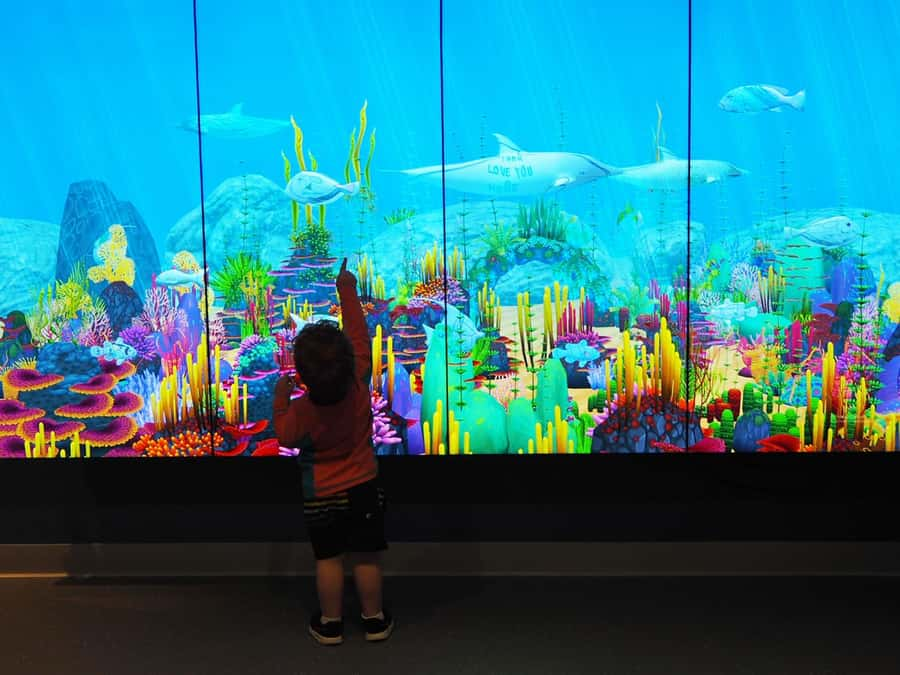
The 360-degree Digital Dolphinarium provides the most theatrical part of the indoor experience. Instead of looking through a glass panel, you watch dolphin-focused cinema presented around you.
This is a good change of pace after the aquariums. It gives you a broader sense of the animals moving through their environment and helps connect the indoor displays with the wild dolphins of Koombana Bay. The centre also offers 2D and 3D movies, adding more screen-based material for visitors who enjoy visual presentations.
The available information does not specify film schedules or running times, so check at the tour desk when you arrive. If you are planning around the feeding programs, ask staff how the cinema sessions fit into your visit.
The digital presentation should not be mistaken for a live dolphin encounter. It is an interpretation tool, useful for showing behaviour and habitat, while the real animals remain free in the bay. That balance is one of the better features of the centre.
Same base, a different sort of day:
- From Melbourne: Great Ocean Road, 12 Apostles, Wildlife Tour
★ 4.7 · 6,020 reviews - Ocean Rafting: Whitehaven Beach, Snorkelling & Hill Inlet Lookout
★ 5.0 · 4,777 reviews - Laid back, Yarra Valley Wine Tour: Wine, Cider, Gin, Beer + Choc
★ 5.0 · 4,552 reviews - From Sydney: Blue Mountains Full-Day Trip
★ 4.5 · 4,471 reviews
Feeding programs add a scheduled moment
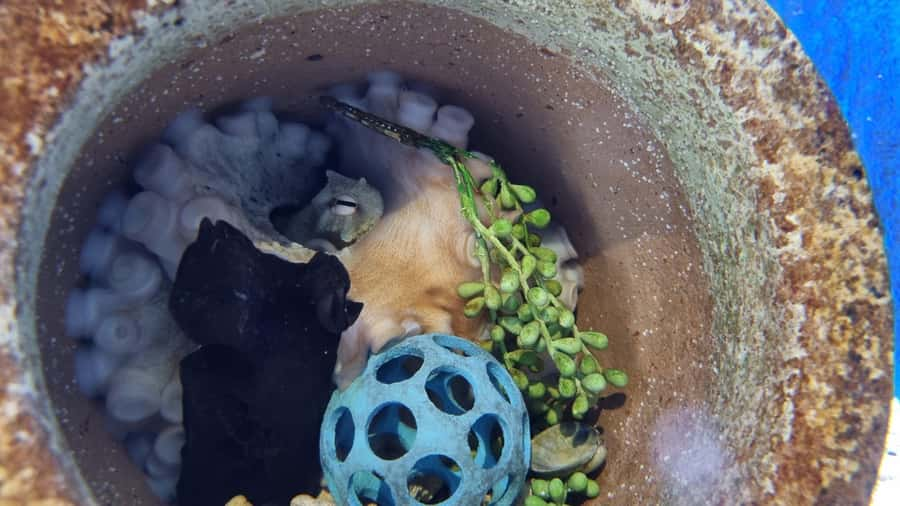
Live feeding programs run four times daily. These sessions give your visit a little structure, since feeding activity can be more engaging than simply viewing animals in their displays.
Exact feeding times are not provided, so check the schedule on arrival. If you are visiting with children, this is worth doing first. You can then explore other exhibits between sessions instead of discovering too late that you missed the feeding program.
Feeding displays can help explain what different animals eat and how they behave. They also give you a reason to look closely at species that may be still or hard to spot at other times.
The rules are straightforward: do not feed the animals yourself, do not touch them, and do not use flash photography. These limits protect the animals and keep the displays calm for everyone.
Interactive displays and the Discovery Pool keep children involved
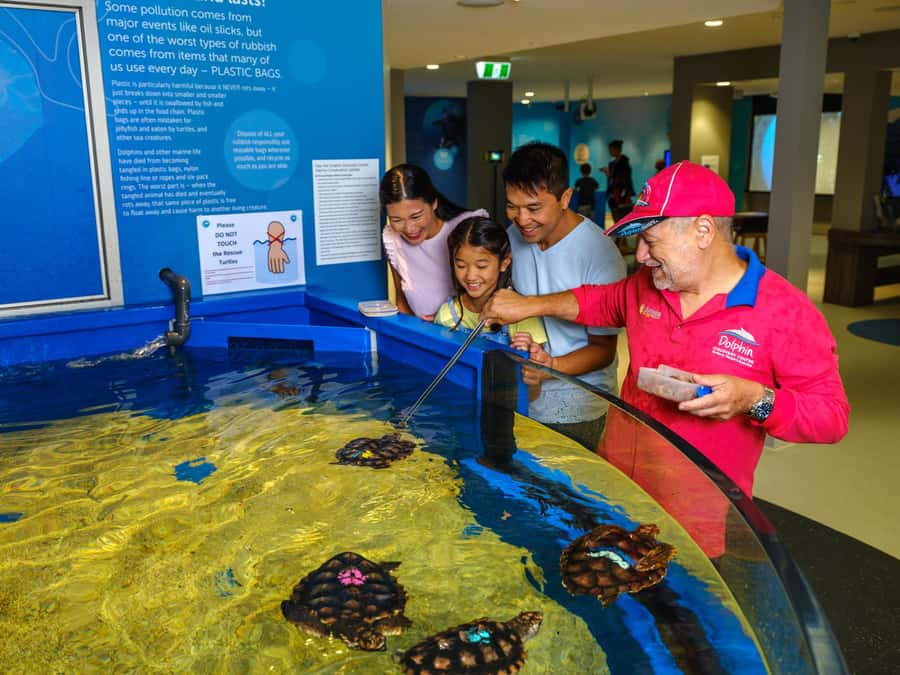
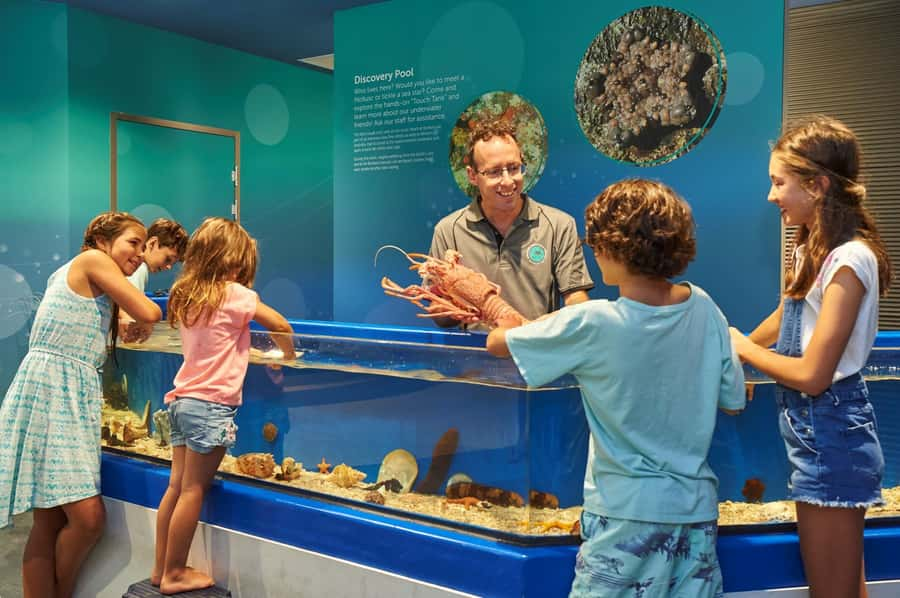
The centre is not built only for adults who enjoy reading interpretation panels. Activity centres, interactive displays, and a Discovery Pool give children more active ways to take part.
That matters on a family outing. A four-year-old may not read every panel, but can still engage with a hands-on display, watch the fish, or follow a short film. Older children can connect those activities with the environmental information and the dolphin material.
A family group with three children aged four, four, and six spent about 90 minutes engaged with the activities and presentations. That gives you a useful planning guide. The centre can hold young children’s attention for a solid visit, though you should not expect a full-day attraction for children who move quickly from one exhibit to the next.
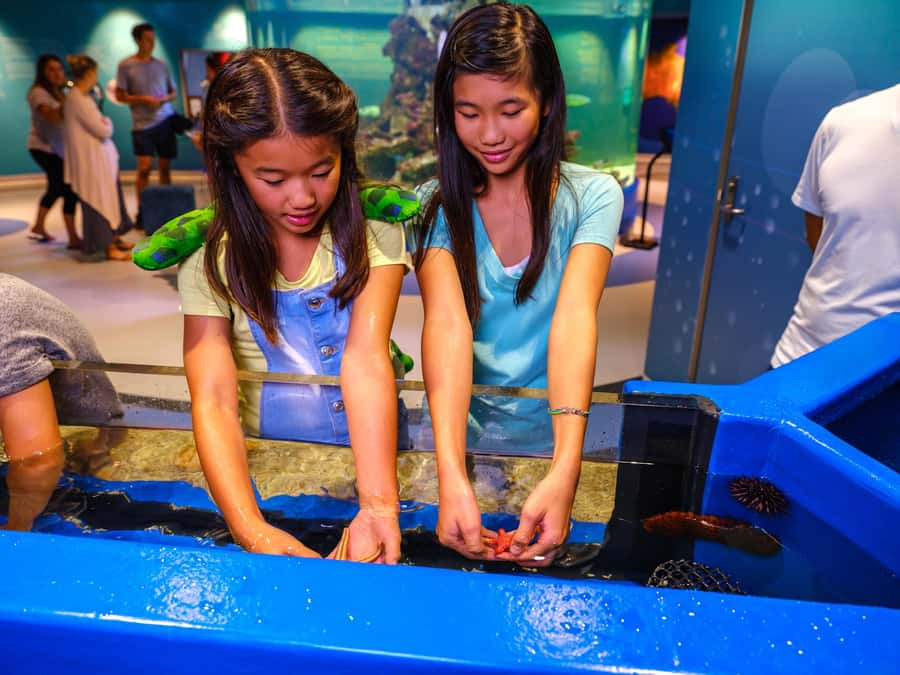
The Discovery Pool should be treated as an interactive learning feature, not a place to handle animals freely. Follow the centre’s instructions and remember that touching animals is not allowed.
Koombana Bay’s story reaches beyond marine animals
The interpretive displays also cover the geological, Indigenous, marine, and contemporary history of the Koombana Bay area. This makes the centre more useful than a standard aquarium because it places the animals within the story of the place.
The geological material helps explain how the local setting developed. The Indigenous interpretation adds an important cultural layer, while the contemporary sections connect the area to the present-day community and the centre’s work.
You should not expect a full museum visit devoted to every part of Bunbury’s past. Instead, these sections provide context around the marine exhibits. They help answer a basic question: why do these animals live here, and how has this bay shaped the community around it?
That local focus is valuable if you are already exploring Bunbury and want more than a general aquarium experience. It also makes the visit a useful introduction before a Dolphin Tour or time at the beach Interaction Zone.
The centre supports wild dolphin conservation
The Dolphin Discovery Centre is a not-for-profit organisation focused on conservation, research, and education. About 100 volunteers help keep the centre running.
You will not see all of that work directly during a self-guided visit, but it explains why the centre combines public displays with information about the wild dolphins of Koombana Bay. Your admission helps support an organisation built around education and local marine conservation rather than entertainment alone.
The centre also complements its outdoor dolphin activities. You can visit the indoor displays first, then learn about the animals before taking a Dolphin Tour or checking the Interaction Zone. If dolphins choose to visit outside, staff will notify you.
That possibility is worth keeping in mind, but it should not shape your whole plan. Wild dolphins follow their own schedule. The indoor centre gives you a dependable visit even if no dolphins appear on the day.
How much time should you allow?
The recommended visit is 90 minutes, and that is a realistic minimum for a steady walk through the exhibits. You can see the aquariums, watch some media, try the interactive displays, and learn about Koombana Bay within that period.
Allow more time if you want to attend feeding sessions, watch the 360-degree presentation, or read the local history material closely. Families may also need extra time because children often return to the hands-on areas.
The full-day ticket is useful because it removes pressure. You can visit early, take a break, and return before 3pm. That works well if you are combining the centre with lunch, coffee, or another Bunbury activity.
One practical point: the centre is open from 9am to 3pm, not late into the evening. Plan around those hours, especially if you are fitting in a Dolphin Tour or other booked activity.
Is $16 good value?
At $16 per person, the admission is reasonably priced for a family-friendly indoor attraction. You receive access to 14 aquariums, feeding programs, interactive displays, films, the 360-degree Digital Dolphinarium, the Discovery Pool, and the interpretive material.
The full-day validity improves the value. You are not paying for a short timed entry and then being pushed out after one circuit. If you attend a feeding session, leave for lunch, and return for a film, the ticket becomes even more useful.
The price is less compelling if you expect a guaranteed dolphin sighting. The centre does not hold dolphins, and animals in the outdoor Interaction Zone appear only when they choose to visit. You are paying for education, aquariums, technology, and access to information about the local dolphins, not a guaranteed wildlife encounter.
If you want a live dolphin experience, treat this as a complement to a Dolphin Tour rather than a replacement. If you want a low-cost, weather-proof marine visit, the admission is easier to justify on its own.
Access and practical rules
The centre is wheelchair accessible, making it suitable for a wide range of visitors. Since the visit is self-guided, you can move at a comfortable pace and spend as much time as needed at each display.
Flash photography is not allowed. You must not feed or touch the animals. These rules are simple, but they are worth remembering before you arrive, especially if children are using cameras or approaching the interactive areas.
There is no guide name or fixed guided commentary provided for this admission. Staff and volunteers are available at the centre, and the experience itself is designed for independent exploration.
Free cancellation is available up to 24 hours in advance for a full refund. You can also reserve now and pay later, which helps if your Bunbury plans are still taking shape.
Who will enjoy this most?
I would recommend the centre to families with young children, grandparents travelling with grandchildren, and anyone who wants marine wildlife without boarding a boat or entering the water. The mix of aquariums, films, feeding programs, and interactive features gives different age groups something to do.
It is also a good choice for visitors who care about conservation and want to understand Bunbury’s local dolphins before seeing them in the wild. The Indigenous, geological, and contemporary material gives the visit more local meaning than a generic aquarium stop.
You may find it less satisfying if you want a large aquarium complex, a long guided tour, or a guaranteed close dolphin encounter. The centre is compact enough for a 90-minute visit, and its strongest purpose is interpretation and education.
For grandparents with several young children, the centre offers a manageable outing. The reported 90-minute family visit is a useful guide, and the full-day ticket means you can stop before everyone gets tired.
Should you book the Marine Discovery Centre?
Book it if you want an affordable, accessible introduction to Bunbury’s marine life and wild Bottlenose dolphins. The $16 full-day ticket gives you enough flexibility to explore at your own speed, and the combination of aquariums, feeding programs, films, and local interpretation is well suited to families.
I would pair it with a Dolphin Tour if seeing dolphins is your main goal. Book the Marine Discovery Centre alone if your priority is learning about the bay, seeing marine animals without getting wet, and having a reliable indoor activity that does not depend on wildlife appearing.
FAQ
Are there dolphins in aquariums at the centre?
No. The centre does not keep dolphins in aquariums or ocean pens. It works with the wild Bottlenose dolphins of Koombana Bay and uses displays, films, and interpretation to explain them.
How long does the visit take?
The centre recommends about 90 minutes, but you can stay longer. Your ticket is valid for the full calendar day during opening hours.
What are the opening hours?
The centre is open seven days a week from 9am to 3pm.
Does admission include feeding programs?
Yes. Admission includes access to feeding programs held four times daily. Exact feeding times are not provided, so check the schedule when you arrive.
Is the centre wheelchair accessible?
Yes. The activity is wheelchair accessible.
Can I touch or feed the animals?
No. Feeding animals, touching animals, and flash photography are not allowed.
Just added in Australia
- Mt Field National Park and Russell Falls from Hobart★ 5.0 · 49 reviews
- Shore Excursion-Hobart Wanderer★ 5.0 · 87 reviews
- Hobart: Maria Island National Park – Nature & Wildlife Adventure★ 5.0 · 36 reviews
- kunanyi/Mt Wellington Ultimate Experience Tour from Hobart★ 4.5 · 83 reviews
- Maria Island Ferry – Hobart Bus Connection (Return Service)★ 5.0 · 23 reviews
- Hobart: Mt. Field, Mt Wellington & Wildlife – Active Day Tour★ 5.0 · 112 reviews
- Hobart Hop-On Hop-Off Bus & kunanyi/Mt Wellington Tour★ 4.5 · 42 reviews
- Cradle Mountain OMG! Hobart to Cradle Active Day Trip★ 5.0 · 134 reviews