
Reviewed · WHALE WATCHING
Mooloolaba: Whale Watching Cruise
The best part of this Mooloolaba whale watching cruise is how quickly you reach the open sea. The high-speed raft cuts down travel time, leaving more of your two hours for whales, dolphins, turtles, and the wide coastal views. I like the underwater hydrophone, which lets you hear whale song, and the cameras that show what is happening below the surface.
I also like the crew’s role in the experience. Guides including Jack, Nina, Izzy, Georgia, and Rod have been praised for warm, funny, clear commentary and sharp boat handling. The main drawback is the raft itself: it sits close to the water and can rise and fall in a swell, so this is not the best choice if you are prone to seasickness or need a very gentle ride.
Key points at a glance
- Fast route offshore: The powerful boat reaches the whale area quickly, giving you more time with the animals.
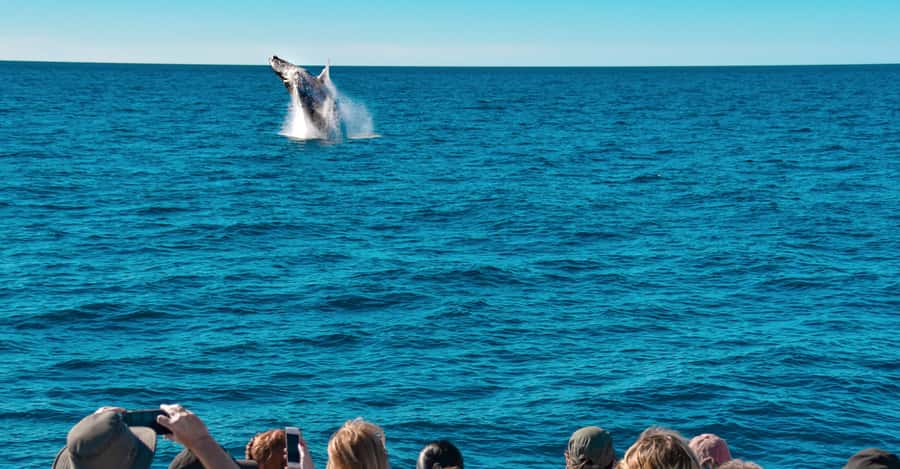
- Whales above and below: Watch breaches, tail slaps, spy hops, and other surface activity, then use the HD underwater cameras to see movement beneath the waves.
- Whale song on board: An underwater hydrophone brings the sounds of humpback whales into the boat.
- Low-to-the-water viewing: The raft puts you close to the sea, which can make whale sightings feel immediate and dramatic.
- Strong seasonal value: Whale sightings can be excellent from winter into spring, but early or late in the season is less certain.
- Two hours is a useful length: You get a proper wildlife outing without giving up most of your day in Mooloolaba.
Leaving The Wharf Mooloolaba
Your meeting point is The Wharf Mooloolaba at 123 Parkyn Parade, beside the river side of the complex and behind Rice Boi. The boat leaves from the jetty, not from the main road frontage, so give yourself time to find the right side of the complex.
You should arrive 30 minutes before departure. The Wharf has free parking for up to four hours, but spaces are limited. I would not cut this close, especially on a busy day. Finding a park, walking to the jetty, and completing the required participation waiver all take a little time.
The departure area gives you a pleasant start. You get views across the water as the boat leaves the wharf, then the surroundings open up as the raft heads along the coast. The first part is less about wildlife and more about getting settled, checking your seat, and listening to the skipper’s instructions.
High-back seats add comfort, but this remains a fast open-water ride rather than a calm sightseeing boat. Wear clothes that can cope with spray and changing conditions. Sunglasses, a hat, sunscreen, water, and weather-appropriate clothing belong in your day bag.
More Whale Watching in Sunshine Coast
- Noosa; Noosa Ocean Adventures – Whale Watching
★ 4.8 · 213 reviews - Mooloolaba: Whale Watching Cruise
★ 4.5 · 153 reviews - Noosa: Noosa Whale Watching Tour
★ 4.7 · 148 reviews
The fast run to the whale area
The boat’s speed is more than a thrill for its own sake. A slower vessel can spend a large part of a two-hour trip simply reaching the offshore whale area. Here, the fast raft gets you there sooner, which can mean extra time looking for active pods and moving between sightings.
The ride is part of the fun. Several families have enjoyed the speed, and adults who like a little motion on the water often find the outward and return legs exciting. The crew can also move between whale groups quickly when activity changes.
That speed has a trade-off. The boat may feel rough when there is a swell, and the low raft rises and falls more noticeably than a large, heavy vessel. One person described the motion as exciting, while noting that someone prone to seasickness might struggle. That is useful advice. If you know you become unwell on boats, consider your comfort carefully before booking.
The crew’s boat handling matters here. Guides have been praised for moving the raft so people on board can get a view, rather than leaving everyone staring at the same patch of sea. Sightings are never perfectly predictable, but a nimble boat helps the skipper respond when whales appear in a new spot.
Reading the sea for humpback whales
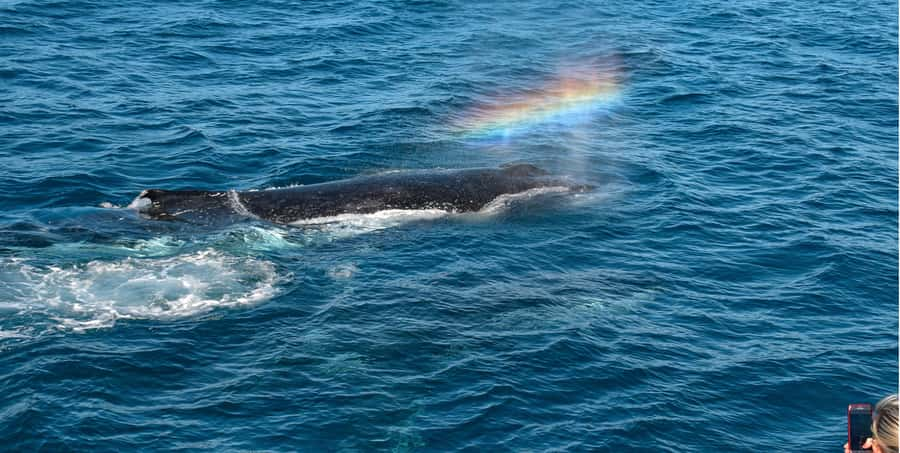
Once you reach the whale area, the pace changes. You may watch a broad stretch of ocean for a back, fin, splash, or sudden plume of spray. The skipper provides commentary about humpback whales and explains what you are seeing, so quiet periods still have a purpose.
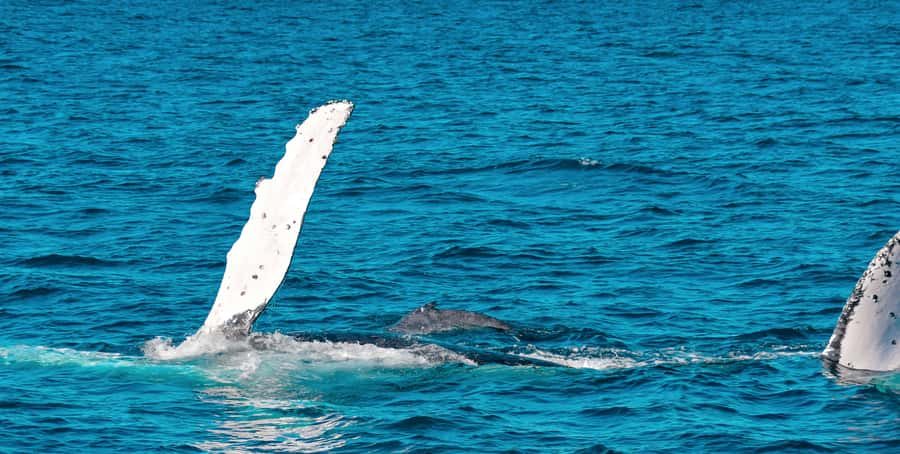
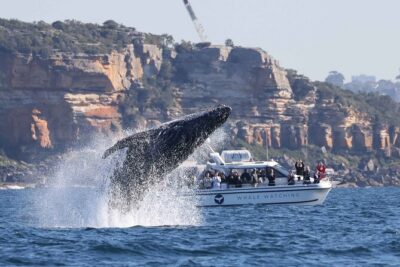
The most familiar sight is a whale surfacing, arching its back, and slipping away again. With luck, you might see a powerful tail slap, a breach, a spy hop with the head rising above the water, or a peduncle throw, where the rear part of the body swings dramatically out of the sea.
A breach is never guaranteed, and that is worth understanding before you pay for any whale trip. One outing produced many tails and dolphins but no breach. That still made for a worthwhile wildlife trip, but you should book for the chance to see wild whales, not for a promised performance.
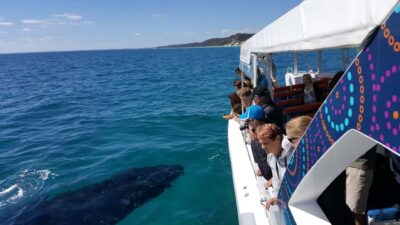
The strongest sightings can be remarkably close. Several outings have included whales near the boat, active pods, calves, and a mother with her young. A calf breaching is the sort of moment you cannot schedule, but the crew’s ability to find and follow activity gives you a fair chance during the season.
You may also see animals other than whales. Dolphins have circled the boat, and turtles have appeared during some trips. These sightings are bonuses, not part of a guarantee, but they add variety when the whales are quiet.
Hearing whales through the hydrophone
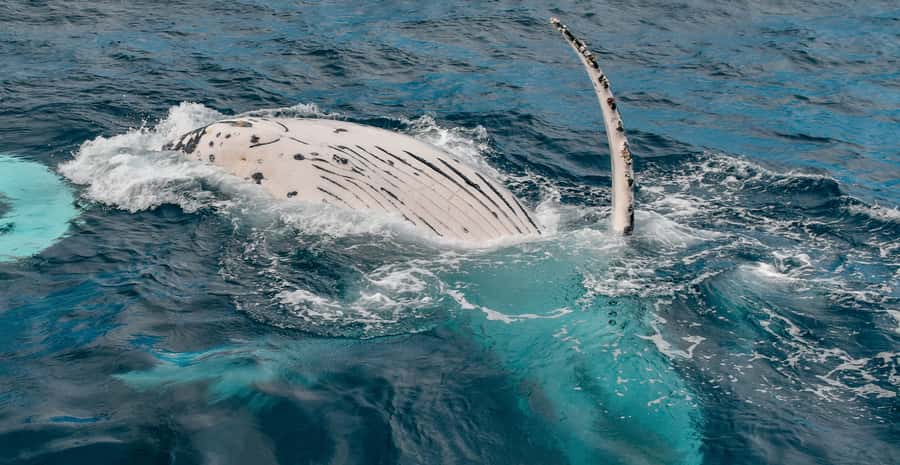
The onboard hydrophone is one of the best features for anyone who wants more than a surface-level wildlife outing. It picks up whale song beneath the water and sends it into the boat, giving you a sense of the animals’ presence even when you cannot see them.
Whale watching often involves patience. A hydrophone makes that waiting more interesting. You can listen while scanning the water, then connect the sound with a surfacing whale if one appears nearby.
The skipper’s commentary adds context. You learn about humpback whales, their behavior, and the coastal area around Mooloolaba. The tone is informative without turning the trip into a classroom, and crew members such as Jack, Nina, Georgia, Izzy, and Rod have been praised for combining facts with humor and a welcoming manner.
All commentary is in English. If you want a trip built around natural history, the guide is an important part of the value. The whales may provide the unforgettable moments, but a good skipper helps you understand why a tail slap, spy hop, or sudden change in direction matters.
More whale boats leaving Sunshine Coast:
- Noosa Whale Watching Cruise – Humpback Whale Adventure
★ 5.0 · 144 reviews - Sydney: Whale Watching Adventure Cruise
★ 4.2 · 1,790 reviews - Brisbane Whale Watching Cruise from Redcliffe or Sunshine Coast
★ 5.0 · 997 reviews - Swim with Whale Sharks in the Ningaloo Reef: 3 Island Shark Dive
★ 5.0 · 919 reviews
Seeing life below the waves
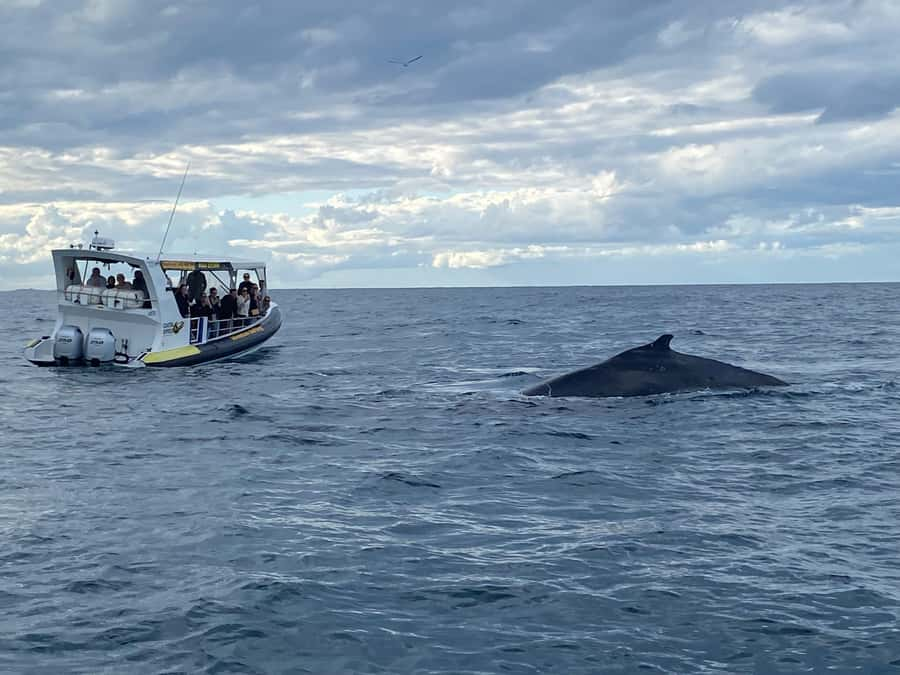
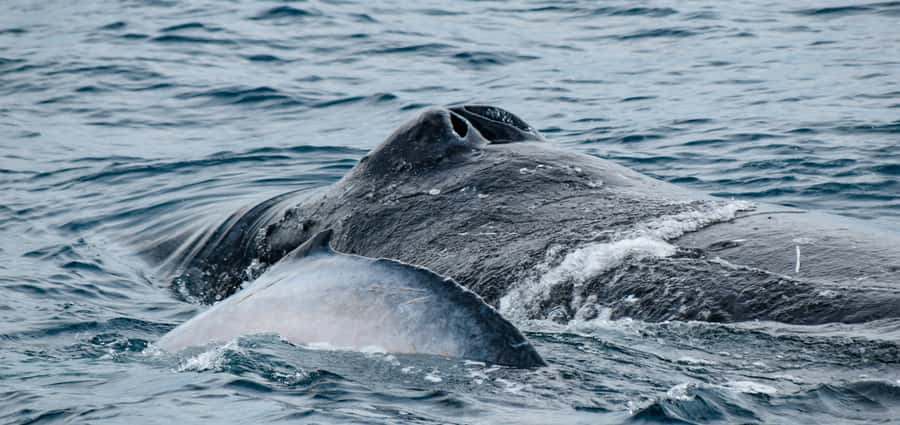
The HD underwater cameras give the trip another angle. Instead of watching only the whale’s back and blowhole, you may see movement beneath the surface on the onboard screens.
This does not replace seeing a whale in the open sea. The real animal is larger, more unpredictable, and far more impressive. Still, the underwater view can help you understand how much of the whale remains hidden after it disappears from the surface.
The combination works well. You can hear the whale through the hydrophone, watch the underwater feed, and then look out across the water for the next surfacing. It makes the two-hour trip feel more varied than a simple boat ride with occasional distant fins.
Bring a camera or phone if you want photographs, but do not let the camera take over. Whales surface for seconds, and the most memorable moments may happen when you are watching rather than framing a shot. The raft’s closeness to the water can produce strong photos, though spray and movement make steady images harder than on a large covered boat.
Why the small raft changes the experience
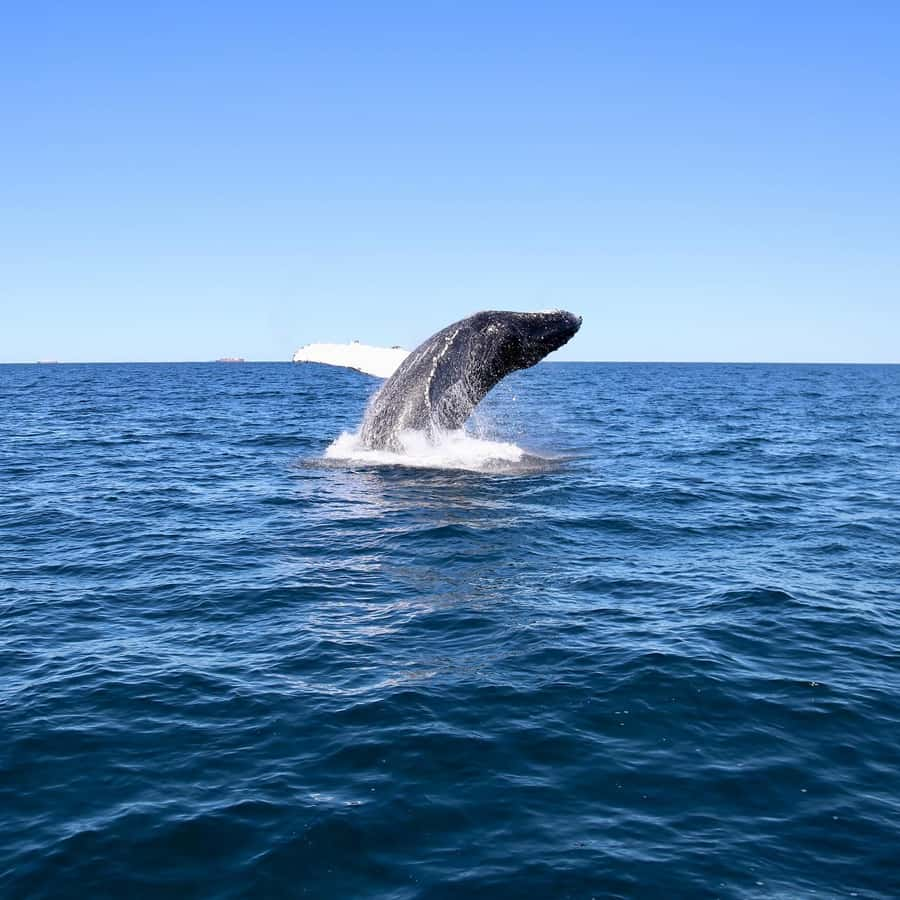
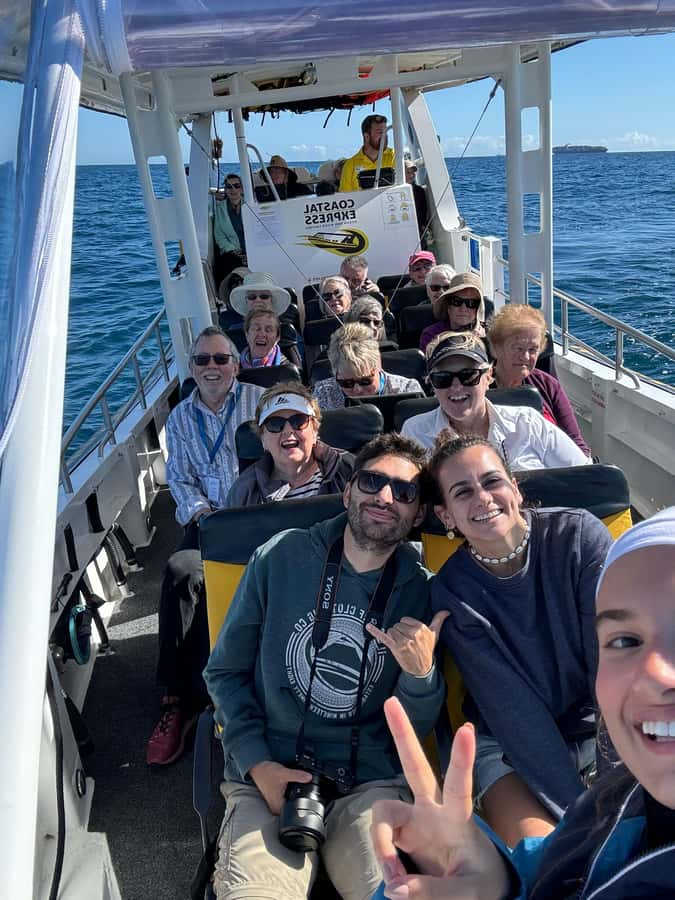
The raft’s size is central to the tour’s character. You sit close to the water, so a nearby whale can feel much closer than it might from a tall, enclosed vessel. The boat can also turn and reposition with less fuss when a pod changes direction.
That setup creates a more direct wildlife experience. You hear the engine, feel the sea, and notice the rise and fall of the water. It is active rather than polished.
The cost is comfort. A large boat would usually feel steadier and offer more distance from spray and wave motion. Here, the same low position that improves your view can make the ride more physical. People who enjoy fast boats and open water are likely to appreciate this. Pregnant women, people with back problems, people with mobility impairments, and wheelchair users should not book this activity. Children must be at least five years old.
The seating has high backs, and there is a toilet onboard. Those are useful comforts, but they do not turn the raft into a calm cruise boat. I would choose this trip for access and excitement, not for a quiet luxury outing.
Timing your Mooloolaba whale trip
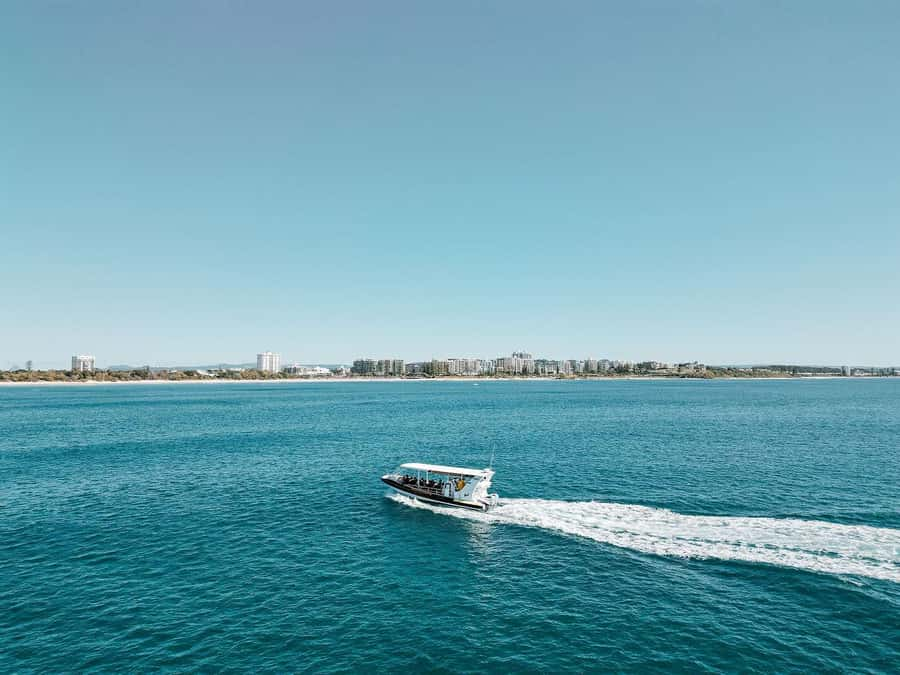
Whale activity is seasonal, and the supplied experiences show why timing matters. Trips from July through September have produced active whales, several pods, calves, and close encounters. October outings have also included large numbers of whales and even a calf breaching.
By contrast, an early June trip did not find whales because the season was too early, although the passengers still enjoyed the coastal information, turtles, and time on the water. The lesson is simple: the closer you are to the main migration period, the better your odds may be, but nature does not follow a timetable.
Late-season trips can still work well. An October outing found whales despite being near the end of the season. Conditions and animal behavior can change from day to day, so no departure can promise a particular number of whales or a breach.
I would pick a morning or afternoon based on your wider plans, since the stated tour length is two hours and availability controls the start time. If whale watching is the main reason for your visit, leave some flexibility around the booking rather than scheduling another fixed activity immediately afterward.
Is $63 good value?
At $63 per person, this is a reasonably priced two-hour wildlife cruise, especially if you value time spent with whales rather than a long, slow boat journey. The fast ride, hydrophone, underwater cameras, onboard toilet, skipper, and educational commentary are included.
The price looks strongest when whales are active and the raft can move between pods. Some outings have included whales, dolphins, turtles, close approaches, and strong photo chances. Those are memorable returns for a modest half-day expense.
But the value does not depend only on a dramatic breach. You are paying for access to wild animals, the crew’s search and boat handling, and the chance to learn about humpbacks in their environment. If whales do not appear, the experience becomes a fast coastal cruise with commentary, which may still be enjoyable but will feel less satisfying.
The two-hour length helps keep the cost sensible. It is long enough to reach the whale area and spend time there, but short enough to fit around a Mooloolaba beach day or meal at The Wharf. You are not committing your entire day to one uncertain wildlife sighting.
Free cancellation up to 24 hours before departure and the option to reserve now and pay later add practical flexibility. Food and drinks are not included, so bring water and eat before or after the trip.
Who should book this boat trip?
I would recommend it to adults, families with children aged five and older, photographers who want a low water-level viewpoint, and anyone who prefers a lively boat to a large, slow cruiser. It suits you especially well if you enjoy a little speed and want the journey to feel like part of the attraction.
It is also a good choice if you want interpretation, not just a lookout platform. The hydrophone, underwater screens, and skipper’s explanations give you several ways to connect with what is happening.
I would hesitate if you get seasick, have back trouble, are pregnant, or need wheelchair access. I would also avoid treating this as a guaranteed show. Wild whales decide what happens, and a successful trip can mean a spectacular breach, a series of tails, a distant blow, dolphins, or simply a pleasant ride with good information.
Should you book the Adventure Rafting cruise?
Book it if you want fast access, close water-level views, and an active two-hour outing. The strongest reasons are the speed to the whale area, the hydrophone, the underwater cameras, and the crew’s repeated praise for clear commentary and careful maneuvering.
Choose another style of boat if stability matters more than excitement. For everyone else, $63 is fair value for a chance to see humpback whales in open water, with the added possibility of dolphins and turtles. Arrive early, complete the waiver before you go, bring sun protection and water, and give the sea room to surprise you.
FAQ
Where does the Mooloolaba whale watching cruise depart from?
The boat departs from The Wharf Mooloolaba at 123 Parkyn Parade, Mooloolaba, Queensland 4557. The jetty is on the river side of the Wharf complex, behind Rice Boi.
How long is the whale watching tour?
The tour lasts two hours.
How much does the cruise cost?
The listed price is $63 per person.
What is included in the tour?
The price includes the two-hour whale watching tour, an onboard toilet, a local skipper and host, commentary, and humpback whale education.
Can I hear the whales underwater?
Yes. An onboard underwater hydrophone lets you listen to whale song.
Are underwater cameras available?
Yes. The boat has HD underwater cameras that show activity below the waves.
How early should I arrive?
You should arrive 30 minutes before departure. Parking at The Wharf is free for up to four hours, but spaces are limited.
Can children and people with mobility needs join?
Children must be at least five years old. The tour is not suitable for pregnant women, people with back problems, people with mobility impairments, or wheelchair users.
Just added in Sunshine Coast
- Sunshine Coast & Noosa Hinterland Scenic Culinary Experience★ 4.6 · 21 reviews
- Sunshine Coast: Treetop Challenge Adventure Park★ 4.8 · 26 reviews
- Noosa: Tandem Skydive Experience★ 4.9 · 56 reviews
- Noosa Ocean adventure & Dolphin Safari.★ 4.6 · 28 reviews
- Noosa: River and Canals – Day Cruise★ 4.3 · 29 reviews
- Noosa River Sunset Cruise★ 4.7 · 25 reviews
- Noosa Heads – 2-Hour Surf Lesson with Expert Instructors★ 4.8 · 151 reviews
- Noosa: Noosa Ocean Adventure with Dolphin Watching★ 4.9 · 144 reviews
Whale Watching, compared.
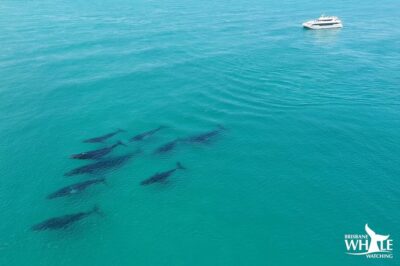
Brisbane Whale Watching Cruise from Redcliffe or Sunshine Coast
Read our review →
Swim with Whale Sharks in the Ningaloo Reef: 3 Island Shark Dive
Read our review →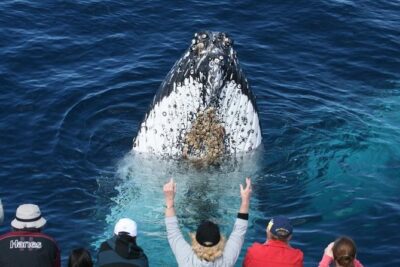
Sydney Whale-Watching Cruise Including Lunch or Breakfast
Read our review →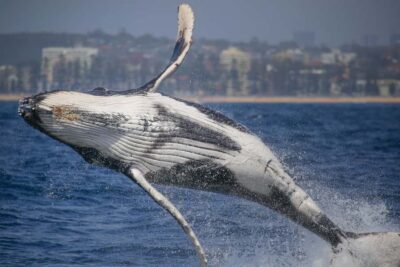
Browse the lists this tour appears in