
Reviewed · OUTBACK & 4WD ADVENTURES
3-Day Kakadu & Litchfield 4WD Camping Adventure from Darwin
The big draw here is simple: in three packed days, you move from crocodile country and ancient wetlands to Aboriginal rock art, rainforest walks, and waterfall pools. You sleep at a permanent camp, eat shared meals, and travel by 4WD rather than trying to piece together Kakadu and Litchfield on your own.
I like the mix of wildlife and swimming, especially the Corroboree Billabong cruise and the chance to cool off beneath waterfalls. I also like the human side of the trip: guides such as Aaron, Dani, Ethan, Daryl, Tom, Becs, and Elliot have been praised for cooking, safety, local knowledge, and good humor. The drawback is the pace. Expect early starts, long stretches in the vehicle, physical walks, and simple camping.
Key points to know before booking
- Corroboree Billabong cruise: Start with a wetland boat trip through Mary River country, with chances to spot crocodiles and Top End birdlife.
- Two national parks in three days: Kakadu gets the bigger share of the time, while Litchfield provides a final day of waterfalls and swimming holes.
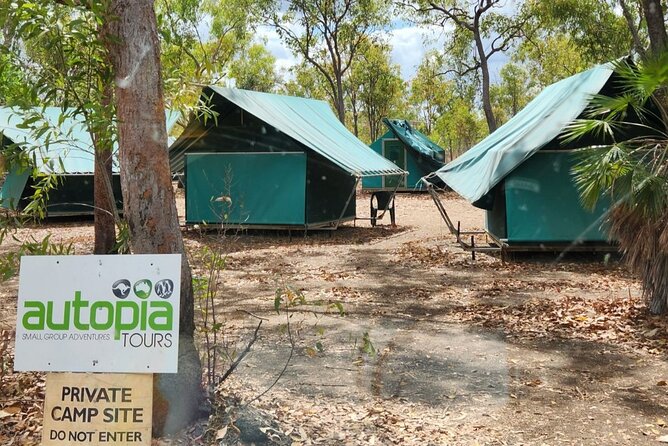
- Bush camping, not resort camping: Choose a twin-share safari tent or a traditional canvas-covered swag at a permanent campsite.
- Active itinerary: Guided walks range up to 3 kilometres and can be grade 2 to 4, so a moderate to high level of fitness is needed.
- Meals and camp duties included: Breakfast, lunch, and dinner are provided as listed, but you help prepare food, load the vehicle, and clean up.
- Maximum group size of 21: The group can be social and varied in age, but this is a shared adventure rather than a private escape.
Why this three-day Top End trip works
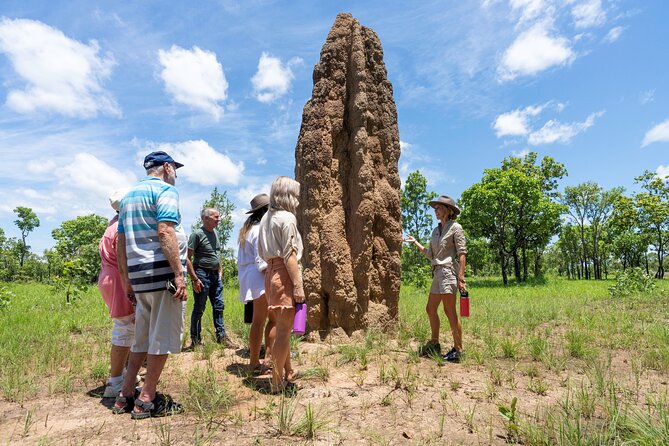
Kakadu and Litchfield are close enough to combine, but they offer different rewards. Kakadu gives you wetlands, Aboriginal rock art, broad open country, rainforest pockets, and a stronger sense of scale. Litchfield is more immediately accessible, with waterfalls, spring-fed streams, and waterholes made for a swim.
The 4WD format matters. It lets the guide handle the driving, route choices, park access, and timing while you watch the scenery and wildlife. You also avoid the planning burden of arranging park passes, meals, camping gear, and remote-area stops yourself.
This is not a sightseeing tour where you step off a coach for ten minutes, take a photo, and climb back aboard. You walk, swim, eat outdoors, and take part in camp chores. That makes the trip feel more like a short outback expedition, although it also asks more of you.
Other outback runs from Darwin:
- 4-Hour Outback Gourmet Food & Aboriginal Art Tour
★ 4.5 · 91 reviews - 3 Day Kakadu & Litchfield 4WD Expedition
★ 4.5 · 61 reviews - From Darwin: 3-Day Kakadu and Litchfield 4WD Camping Tour
★ 4.8 · 57 reviews
Day 1: wetlands, crocodiles, and the road out of Darwin
The tour starts at 6:30 am from The Leea Darwin at 64 Cavenagh Street. You need to be ready early, and hotel transfers before or after the trip are not included to the nominated pickup point.
The first major stop is the Mary River Wetlands region and the Corroboree Billabong Wetland Cruise. This boat ride gives you a calm introduction to the Top End. Instead of looking for wildlife from a moving vehicle, you travel slowly across ancient wetland country, scanning the banks and water for crocodiles and birds.
The cruise is one of the strongest parts of the trip because it adds a different pace to an otherwise active schedule. You might see a wide range of Top End birdlife, and crocodile spotting gives the outing a touch of healthy caution. The experience is about watching and listening rather than chasing a checklist, so bring patience and keep your phone or camera ready.
The first day lasts about 12 hours. That tells you something important about the trip: this is a full touring day, not a relaxed transfer with a quick stop or two. The long hours help you reach remote sights, but you may feel them by evening, especially in hot weather.
Dinner is included, and you will begin settling into camp life. The group helps with meal preparation, cleanup, and vehicle loading or unloading. This can feel like extra work after a long day, but it is also how the group starts to function together. The shared tasks suit people who enjoy a social trip and may frustrate anyone expecting hotel-style service.
Day 2: Kakadu rock art, rainforest, and Maguk
Day two begins early. You travel farther south into Kakadu National Park, with much of the day given to walks, natural scenery, and Aboriginal cultural sites.
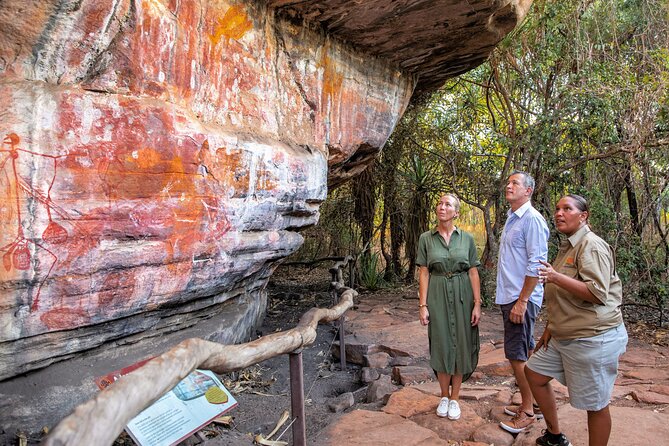
The rock art is a major reason to choose this trip. Kakadu contains some of the oldest and best-preserved Aboriginal rock art in the world, and seeing it in its original setting gives it more weight than viewing images in a museum. Your guide can help explain what you are looking at and place the sites within the living cultural story of the region.
Guides are central to the quality of this day. Past guide teams have included people such as Aaron, Ethan, Daryl, Tom, and Elliot, with praise directed at their local knowledge, safety skills, humor, and ability to adapt the plan. Elliot, for example, was noted for finding alternatives when a location was inaccessible and for sharing Aboriginal and local music during the drive. The actual guide is not guaranteed, but the role is clearly more than driving a vehicle.
The walking can be demanding. The advertised walks reach up to 3 kilometres and range from grade 2 to grade 4. Uneven ground, heat, slopes, and the need to keep moving between sites make this unsuitable for anyone with limited mobility unless the guide can offer an appropriate alternative.
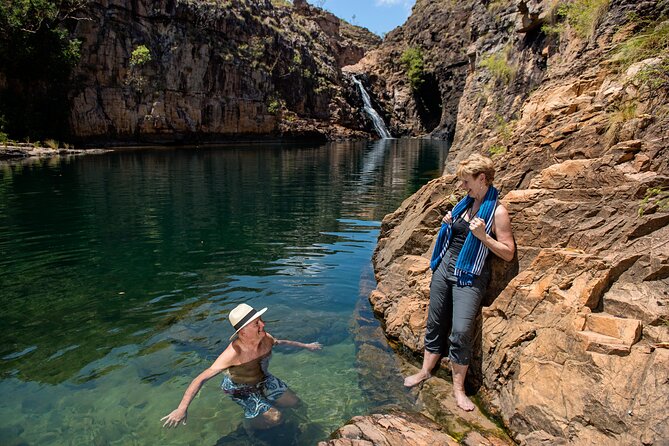
A main possibility for the day is Barramundi Gorge, also known as Maguk, with the exact access dependent on conditions. The appeal is the combination of monsoon rainforest, rock, clear water, and a waterfall setting. If access changes, the itinerary may use a similar Kakadu location instead. That flexibility is useful in a remote park, but you should not book expecting one exact waterfall no matter what.
Swimming is one of the best rewards of the trip. After walking in the Top End heat, a natural plunge pool beneath a waterfall feels less like an optional extra and more like the point of the day. Bring swimwear where you can reach it easily, along with a towel and sun protection.
Two meals are included on day two, and you spend another night at the permanent camp. Accommodation is deliberately simple but functional. You can choose a twin-share safari tent or a traditional bush swag, which is a canvas-covered bedroll. The swag option gives you a more open-air camping feel, while the tent offers a little more separation from the conditions.
The camp has been described as well equipped for a two-night stay, and phone charging has been available. Still, this is bush accommodation. Do not expect a private room, hotel bathroom, or complete quiet. Your comfort will depend partly on how well you handle heat, insects, shared facilities, and the habits of your group.
Day 3: Litchfield’s waterfalls and waterholes
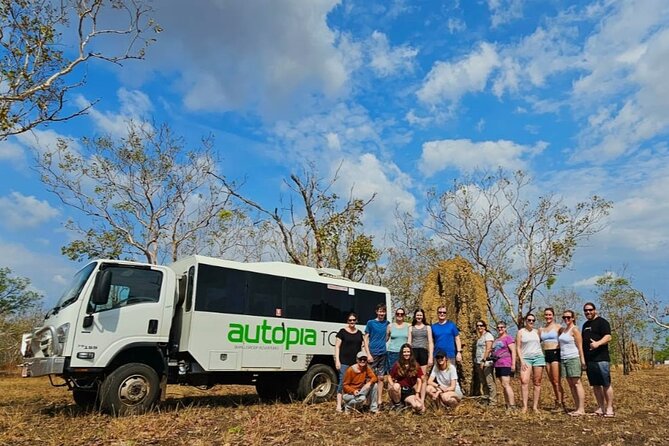
The final day leaves Kakadu and heads toward Litchfield National Park. It runs for about 10 hours, so you still have a full day rather than a short stop on the way back to Darwin.
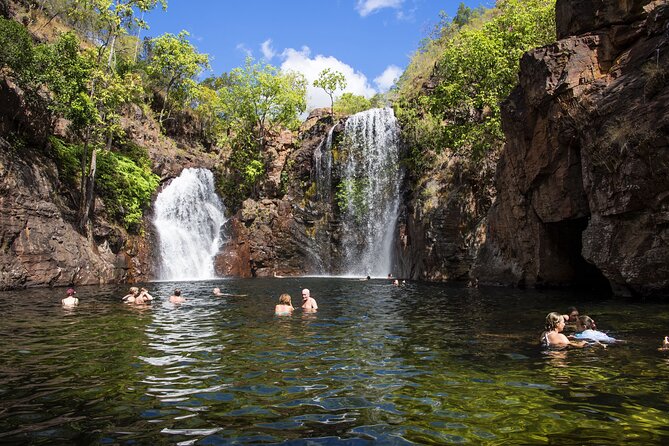
Litchfield is known for its waterfalls, spring-fed streams, and swimming holes. Florence Falls, Buley Rockhole, and Wangi Falls are among the possible highlights, depending on the route and access on the day.
This park offers a different kind of outing from Kakadu. Kakadu feels broader and more varied, with wetlands, rock art, wildlife, and long drives between major sights. Litchfield is more concentrated around water. If your priority is swimming beneath falls and relaxing beside natural pools, you may find it especially satisfying.
On the other hand, if you prefer Aboriginal culture, wildlife, and large-scale scenery, Litchfield may feel less impressive than Kakadu. The trip gives you both parks, but they are not interchangeable. Go in knowing that the final day is weighted toward waterfalls and waterholes.
Lunch and breakfast are included according to the tour schedule. The meals are prepared in camp-style conditions, and the guide may be involved in cooking. Dani has been praised for preparing meals while sharing information about Indigenous culture, and other guides have received similar credit for fresh, healthy food. Dietary needs must be supplied at booking because food options are limited once the vehicle is in remote areas.
The tour ends back at the Darwin meeting point. Since the days are long and the route covers a lot of ground, you will probably return with a strong sense of having seen the highlights, but not every corner, of either park.
A few more things to do in Darwin worth a look
- Dingos 3 Day K’Gari (Fraser Island) 4WD Tag-Along Tour
★ 5.0 · 939 reviews - Rainbow Beach: 3-Day K’gari (Fraser Island) 4WD Adventure
★ 4.8 · 635 reviews - Adelaide: 3-Day Kangaroo Island Adventure Tour with Camping
★ 4.6 · 86 reviews - Dreamworld, WhiteWater World & SkyPoint 3-Day Ticket
★ 4.1 · 82 reviews
Camping, food, and daily comfort
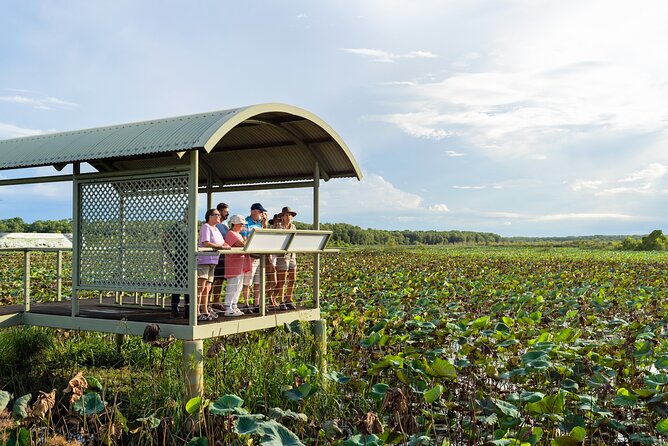
The accommodation choice is one of the practical decisions to make before booking. The twin-share safari tent is the easier option if you want a roof and a defined sleeping space. The bush swag is more traditional and better suited to someone who likes simple outdoor nights.
You need to ask about sleeping bag hire when booking if you need one. Bring clothing suited to the season, and check average temperatures before you go. The Top End can be hot, and a three-day active schedule makes sensible packing important.
Drinking water is supplied on board, but you must bring your own bottle. Snacks are limited in the outback, especially for special diets, so pack what you need within the tour rules. Personal snacks, drinks, souvenirs, and other private expenses are not included.
The food is a real part of the value here. Two breakfasts, three lunches, and two dinners are included, and the cooking is shared rather than outsourced to restaurants. Vegetarian and special diets can be accommodated with notice, but remote touring leaves little room for last-minute substitutions. Vegan and gluten-free meals have been handled successfully, yet you should still provide the details when booking.
Helping with meals and camp cleanup is not a hidden chore. It is part of the trip design. You should see it as a small contribution to a shared camp rather than a service failure.
The guide can make or break the experience
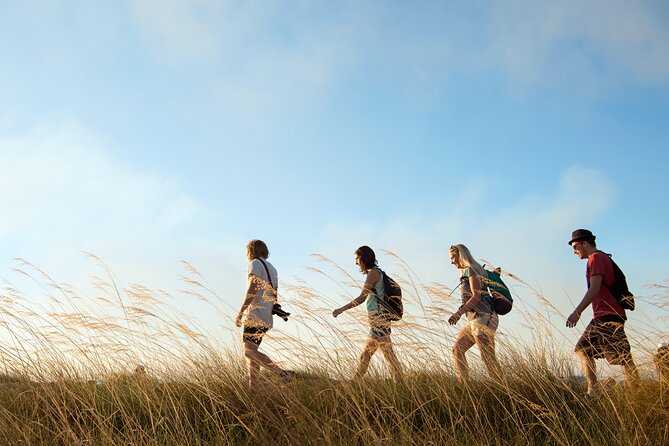
You spend many hours with the guide, so this role has an outsized effect on the trip. The strongest guides do three jobs at once: drive safely, explain the region, and keep the group moving without making the day feel rigid.
The guide names associated with this departure have included Aaron, Dani, Ethan, Daryl, Tom, Becs, Elliot, and others. Aaron has been praised for his friendly manner and Indigenous knowledge. Ethan has been noted as a capable driver, guide, and cook who helped people with mobility limits. Becs has received credit for handling special diets and spotting a wide range of wildlife.
Daryl has been valued for organization, humor, and care with the group. Tom has been described as cheerful and good at drawing people into conversation. Elliot has been praised for balancing strict timing with flexibility and for bringing local and Aboriginal music into the drive.
You cannot select a particular guide from the information provided, so treat these names as examples of the kind of guide you may encounter, not a promise. The useful takeaway is that the guide is expected to contribute far beyond transport.
How much value do you get for $821.24?
At $821.24 per person, this is not a cheap three-day outing. The price makes more sense when you add up what is bundled: an accredited outback driver guide, 4WD transport, the wetland cruise, the Kakadu park pass, two nights of camping, seven included meals, guided walks, and access to two major national parks.
You are also paying for planning and logistics. Kakadu and Litchfield involve long distances, changing access conditions, heat, remote roads, and the need to organize food and equipment. A self-drive trip may cost less for some people, but it also requires a vehicle, fuel, camping arrangements, park planning, and a driver willing to handle the route.
The value is strongest if you want a packed introduction to the Top End and do not want to manage those details yourself. It is weaker if you prefer private rooms, slow mornings, restaurant meals, or the freedom to stay longer at one waterfall.
The maximum group size is 21, though some departures may be smaller. A group of eight has been described as becoming close by the end of the trip, but a full vehicle will feel more social and less personal. If you enjoy meeting people and pitching into group tasks, that is a benefit. If you want silence and privacy, it is a clear compromise.
Fitness, access, and who should skip it
You need a moderate to advanced level of fitness and mobility. Walks can reach 3 kilometres and range from grade 2 to grade 4. The physical challenge comes from more than distance: heat, uneven paths, hills, swimming access, and repeated early starts all add up.
Anyone over 70 must provide a doctor’s certificate 30 days before travel. You must also tell the operator about known medical conditions at booking. If a walk is not manageable, a guide may be able to offer an alternative, but you should not count on every activity being accessible.
This trip suits you if you:
- Want Kakadu’s rock art, wetlands, and wildlife in a short schedule
- Like swimming at waterfalls and natural pools
- Enjoy simple camping and shared meals
- Are comfortable with early starts and long drives
- Want a guide to handle remote-area planning
- Like meeting people in a small adventure group
It is less suitable if you need guaranteed access to every stop, dislike communal duties, or want a restful holiday. The tour is physical, social, and tightly timed.
Booking timing and cancellation terms
This experience is commonly booked well ahead, with an average lead time of about 79 days. That is useful to know if your Darwin dates are fixed, especially during popular travel periods.
You can receive a full refund if you cancel at least six full days before the start time. Canceling two to six full days ahead allows a 50 percent refund. Cancellations less than two full days before departure are not refunded, and changes are not accepted inside those cutoffs.
The tour needs a minimum number of participants. If the operator cancels because that number is not reached, you are offered another date or experience, or a full refund.
Should you book this Kakadu and Litchfield trip?
I would book it if you want the biggest possible taste of the Top End in three days and are happy to trade comfort for access. The wetland cruise, rock art, waterfall swims, bush camp, and guide-led travel create a strong mix that is difficult to arrange smoothly on your own.
I would hesitate if you want to linger, avoid long drives, or require a high level of physical ease. Kakadu deserves more time, and Litchfield can feel like a quick waterfall circuit beside the broader rewards of Kakadu.
For an active visitor based in Darwin, this is a well-rounded choice. Pack light, bring a refillable bottle, disclose dietary and medical needs early, and expect to help around camp. If that sounds like part of the fun rather than an inconvenience, the $821.24 price buys a genuinely full three days in two of Australia’s most memorable northern parks.
FAQ
Where does the tour start?
The tour starts at The Leea Darwin, 64 Cavenagh Street, Darwin City, at 6:30 am.
Where does the tour finish?
The activity ends back at the Darwin meeting point.
How long does the experience last?
The experience lasts approximately three days. Day one and day two run for about 12 hours each, while day three runs for about 10 hours.
Is the Kakadu National Park entry fee included?
Yes. The Kakadu National Park pass is included.
Is the wetland cruise included?
Yes. The Corroboree Billabong Wetland Cruise ticket is included.
What type of accommodation is provided?
You can choose between a twin-share safari tent and a traditional bush swag, which is a canvas-covered bedroll, at a permanent campsite.
Are meals included?
Two breakfasts, three lunches, and two dinners are included. Other meals, snacks, drinks, and personal purchases are not included.
How fit do I need to be?
You need a moderate to advanced level of fitness and mobility. Guided walks can be up to 3 kilometres and range from grade 2 to grade 4. People over 70 need a doctor’s certificate provided 30 days before travel.
Just added in Darwin
- Bombing of Darwin World War II Tour with Harbour Cruise★ 4.5 · 219 reviews
- 1-Hour Thunderball WWII Adventure Jet Skiing in Darwin★ 5.0 · 70 reviews
- Tiwi Islands Cultural Experience from Darwin Including Ferry★ 4.0 · 97 reviews
- Darwin Combo: The Bombing of Darwin Experience & Darwin Harbour Cruise★ 4.5 · 123 reviews
- Litchfield Park & Jumping Crocodile Cruise★ 5.0 · 37 reviews
- Royal Flying Doctor Service Tourist Facility: Two Iconic Territory Stories★ 5.0 · 256 reviews
- ETHICAL ADVENTURES – 1 Day premium Litchfield tour, small group★ 5.0 · 178 reviews
- Litchfield & Berry Springs VIP Adventure Day Tours (group of 11)★ 5.0 · 142 reviews
Outback & 4WD Adventures, compared.
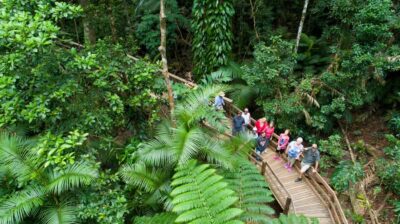
Daintree Rainforest & Cape Tribulation 4WD Tour
Read our review →
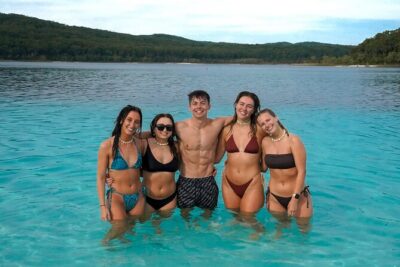
Dingos 3 Day K’Gari (Fraser Island) 4WD Tag-Along Tour
Read our review →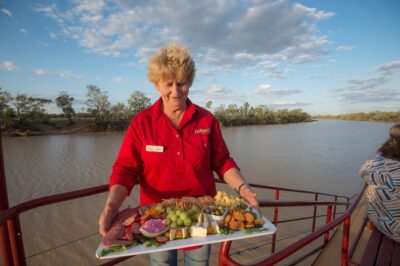
Drover’s Sunset Cruise includes Smithy’s Outback Dinner and Show
Read our review →
Rainbow Beach: 3-Day K’gari (Fraser Island) 4WD Adventure
Read our review →
Uluru (Ayers Rock) Sunset + Outback Barbecue Dinner & Star Talk
Read our review →
Pinnacles, Koalas, 4WD & Sandboarding Tour from Perth
Read our review →Browse the lists this tour appears in