
Reviewed · ULURU & KATA TJUTA TOURS
Full Uluru Base Walk at Sunrise Including breakfast
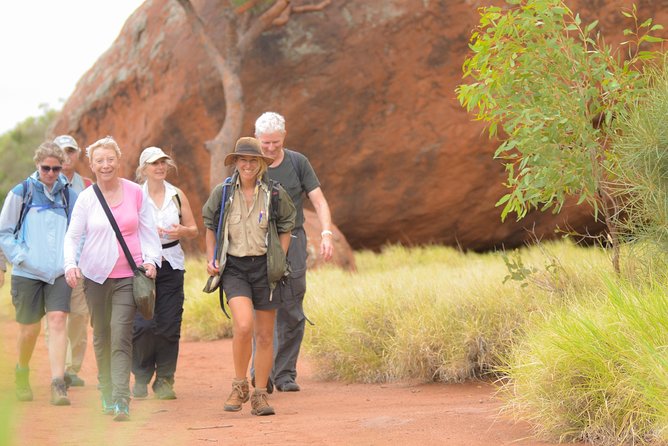
Uluru is most powerful up close, where folds, caves, waterholes, and ancient rock art replace the familiar postcard view. This 12-kilometer sunrise circuit gives you the full picture, not just a quick stop at the lookout.
I like the small-group format, which allows guides such as Rachel, Lucy, Andy, and Flo to explain Tjukurpa stories and answer questions without shouting over a busload of people. I also like the early start: cooler air, softer light, and a quieter path around the monolith.
The main catch is the distance and the breakfast. The trail is mostly flat and manageable, but 12 kilometers is still a serious morning walk. Breakfast is a practical satchel of snacks, not a hot meal laid out at a table, so bring water and perhaps an extra snack.
Key points at a glance
- A full 12-kilometer circuit: Walk the complete base trail rather than seeing Uluru only from a distance.
- Sunrise in the Red Centre: Begin before dawn and watch the changing light on and around the rock.
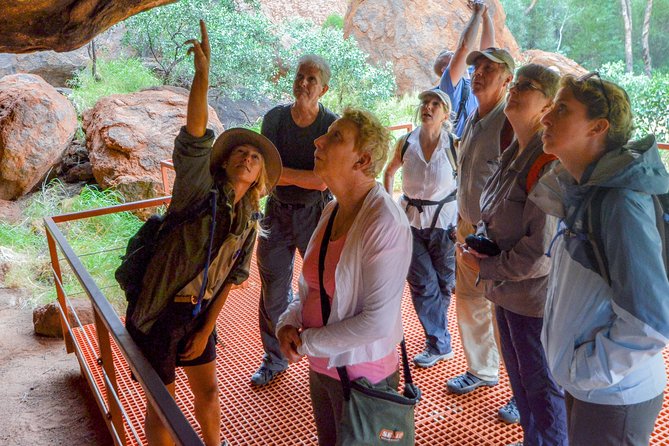
- Stories tied to place: Hear Tjukurpa stories of Kuniya, Liru, Mala, and other Anangu traditions at relevant sites.
- Small groups up to 15: A more personal setup than a large coach tour, with room for questions and conversation.
- Simple outback breakfast: Carry a satchel with breakfast items, drinks, and tea or coffee supplies during the walk.
- Plan for the park fee: The tour price is $171.42 per person, plus an Australian National Park entry fee of $38 for adults.
Why walking the whole base matters
Uluru can look smooth and almost simple from a distance. At its base, it becomes far more complex. You see grooves in the sandstone, shaded recesses, changing colors, small plants, waterholes, and surfaces marked by weather and time.
A complete circuit also helps you understand the scale of the rock. A short photo stop gives you the shape. This walk gives you the setting and the details.
The route covers about 12 kilometers, or 7.5 miles, and takes roughly five hours on foot within a six-hour tour. It is described as mostly flat and on an even, marked surface. Some sandy sections can make the walk feel slower, and the pace may be brisk at the beginning.
I would call it moderate rather than difficult. You do not need to climb, scramble, or tackle steep hills, but you do need enough fitness to stay on your feet for much of the morning. Comfortable walking shoes are essential.
Other trips to the rock and the domes from Australia:
- From Alice Springs: Day Trip to Uluru with BBQ Dinner
★ 4.6 · 761 reviews - Ayers Rock Day Trip from Alice Springs Including BBQ Dinner
★ 4.5 · 639 reviews - Uluru: Field of Light Sunrise Tour with Hot Drinks
★ 4.6 · 572 reviews
The pre-dawn pickup from Ayers Rock Resort
Your guide collects you before sunrise at your Ayers Rock Resort accommodation. The air can be cold at this hour, particularly during the cooler months, so wear layers rather than one heavy item.
Transport is in an air-conditioned Mercedes Benz Sprinter. This matters in Yulara, where a hotel transfer saves you from arranging a very early ride and gets the group to the national park together.
The tour enters Uluru-Kata Tjuta National Park through the entry station. Adult park admission is not included in the tour price. The fee is listed as A$38 per person for anyone over 18, and the pass is valid for 72 hours. You can buy it online before arrival or purchase it from your guide in the morning.
At $171.42 per person, the tour is not a bargain-priced park transfer. The value comes from the guide, the small group, the early timing, the transport, and the cultural interpretation. If you already have a car, the route can be walked independently, so the extra cost makes most sense if you want stories, structure, and a simpler start.
Beginning the walk before sunrise
The group starts the base trail just before sunrise. This timing is one of the tour’s best choices. Early air is cooler, the path is quieter, and the low light gives Uluru a changing range of colors and shadows.
Do not expect to photograph every moment of sunrise from any angle you choose. Some parts of Uluru are culturally sensitive, and photography may be restricted in certain areas. Your guide will explain where pictures are not appropriate.
That can be a small disappointment if your main goal is a standard sunrise photograph of the rock. Still, the restriction is part of understanding the place properly. Uluru is not simply a scenic object. It is a living cultural site for the Anangu people, and the walk asks you to pay attention to that distinction.
The first part of the walk may feel brisk. Guides need to keep the group on schedule, and the full circuit is long. If you need a slower pace, tell your guide early rather than waiting until you are struggling.
Mala Walk and Kantju Gorge
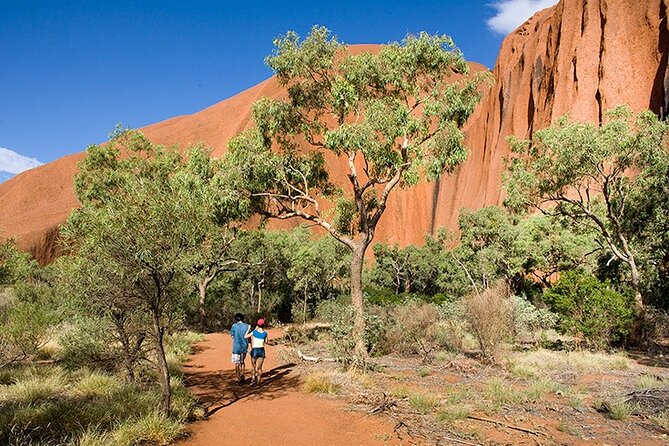
Along the Mala Walk toward Kantju Gorge, your guide introduces stories connected with the Mala people. The value of this section is the connection between story and location. You are not hearing a general lecture about Aboriginal culture in a visitor center. You are standing at the place where the story belongs.
Guides including Rachel, Lucy, and Flo have been praised for clear storytelling and an engaging style. Names are not guaranteed for every departure, but the tour places a strong focus on trained guides rather than simply handing you a route map.
Kantju Gorge also helps you notice how water and shade shaped life around Uluru. The sandstone walls and recesses give the monolith a more intimate scale. Take time to look at the surfaces close to the path. Details that disappear from a distant viewpoint become easy to see here.
A few more things to do in Australia worth a look
- Sydney Opera House Official Guided Walking Tour
★ 4.5 · 3,770 reviews - From Sydney: Blue Mountains Tour with Waterfall Walk & Lunch
★ 4.8 · 2,400 reviews - Sydney The Rocks Guided Walking Tour
★ 5.0 · 1,546 reviews - Ultimate Melbourne Walking Tour: History, Laneways & Culture
★ 5.0 · 1,451 reviews
Kuniya and Liru near Mutitjulu Waterhole
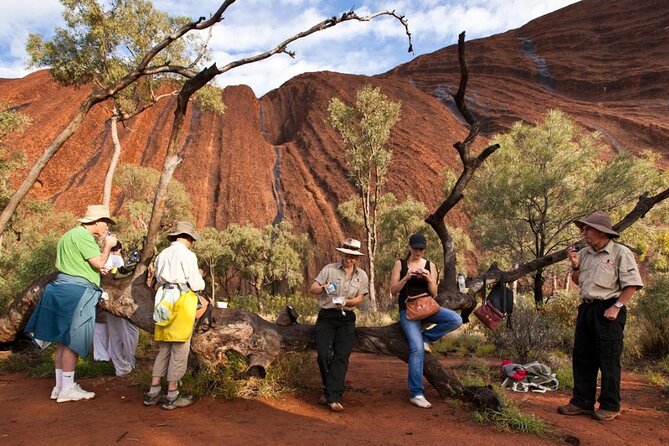
The route continues toward Mutitjulu Waterhole, one of the most meaningful stops on the circuit. Here, the guide explains the Tjukurpa stories of Kuniya, the woma python, and Liru, the venomous snake.
These stories are tied to features in the rock and to Anangu understanding of the area. That makes the commentary more memorable than a list of dates or geological terms. You learn to read the rock as a place with cultural meaning, not only as an unusual formation.
The waterhole also provides a welcome change during a long walk. Shade can make a major difference, even early in the day, because temperatures may rise quickly after the sun is up. The route is generally easy underfoot, but heat, sun, and distance remain the real challenges.
Carry plenty of water and use facilities when you reach them. Sunscreen, a hat, and comfortable shoes belong in your basic plan. Insects can also be an issue, and one useful suggestion from the tour feedback is to consider a fly mask, especially if flies bother you.
Breakfast beside Uluru
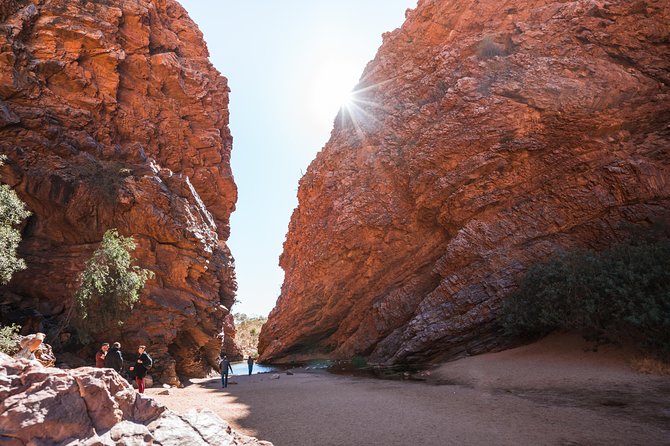
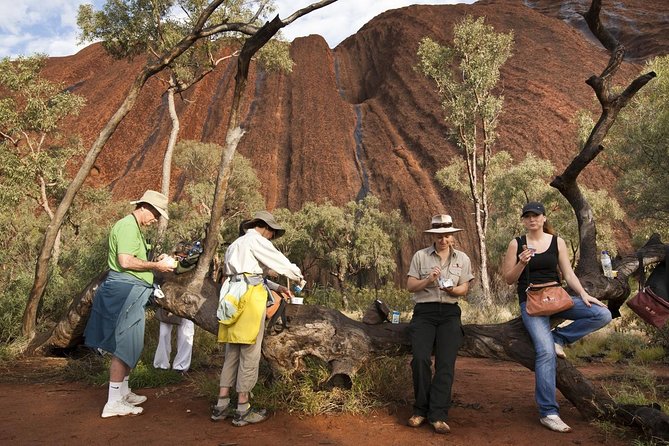
The included breakfast is designed for the trail. You carry it in a supplied satchel, rather than arriving at a prepared table with plates and hot food.
Expect a simple outback picnic. Items described by people on the walk include a bar, biscuits, fruit, juice, milk, and similar snack-sized foods. Tea, coffee, or hot chocolate can be made with hot water. The exact contents may vary, and you should provide dietary requirements when booking.
I see this as fuel, not a destination meal. It is useful at an early hour and avoids adding a large catering setup to a long walking route. If you prefer a substantial breakfast, or do not enjoy granola-style snacks, bring something extra if permitted and practical.
The satchel is another small consideration. You will carry it during the walk, so pack lightly and expect breakfast to add a little weight. The upside is that you can eat near Uluru, with the desert sounds around you, rather than stopping at a resort dining room.
Geology, plants, and the desert setting
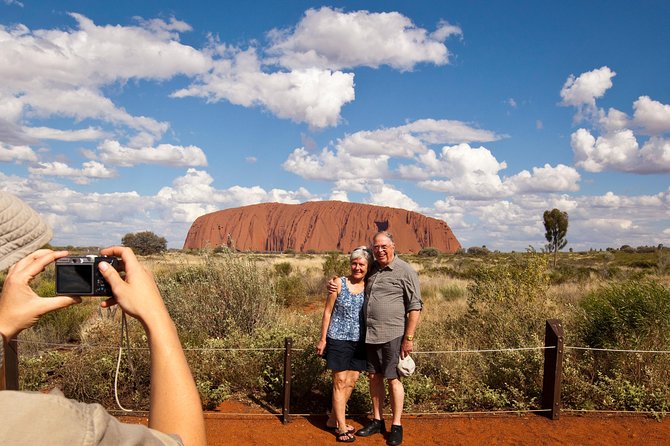
The guide discusses Uluru’s geology and environment as the walk progresses. The full circuit lets you see how different sides of the rock respond to shade, sun, water, and weather.
You may notice plants and animal life that are easy to miss from a coach stop. One guide, Lily, has been especially noted for explaining local plants and animals, while other guides have focused more on geology, history, or cultural stories.
Do not expect a naturalist lecture at every step. The strength of the tour is the mix: some geology, some desert ecology, and some Anangu cultural teaching, all linked to what you are seeing at that moment.
That balance is valuable because Uluru is not just one kind of attraction. Its meaning comes from the combination of physical form, living culture, water, plants, and stories.
How the small group changes the morning
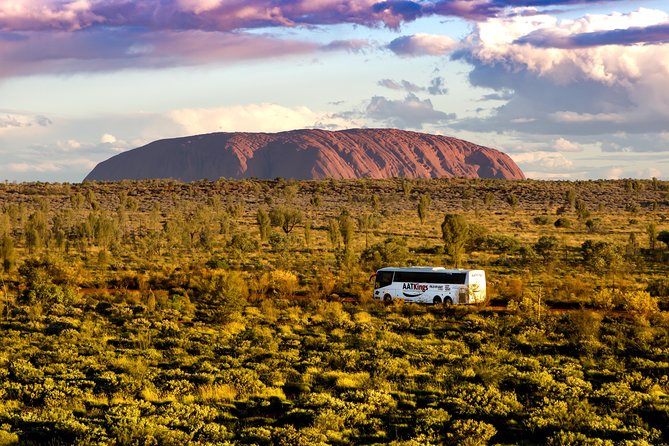
The group limit is 15 people, though some departures may be smaller. Groups of six, eight, or even three have made the walk feel especially personal.
A small group makes a difference when the guide stops to explain a rock feature or story. You are more likely to hear the details, ask a question, and keep a comfortable connection with the group. It also keeps the walk quieter, which suits the setting.
The tradeoff is that the pace and style depend on your guide and the mix of people on your departure. Some guides may speak before everyone has gathered, so you might miss a sentence if you lag behind. Stay close at information stops and speak up if you cannot hear.
The named guides associated with strong departures include Rachel, Lucy, Andy, Flo, Graham, Michael, Lucia, Jackie, Pete, Emily, Trent, Max, Andrea, and Lily. Guide assignments can change, but the repeated praise for storytelling, friendliness, and practical organization is a strong reason to choose a guided circuit instead of relying only on a self-guided app.
Fitness, clothing, and what to carry
The route is flat enough for many people with moderate fitness, but the distance should not be underestimated. A 12-kilometer walk can feel easy at first and tiring later, especially when the sun reaches the open sections.
Wear shoes you have already used for walking. This is not the day for new footwear. Layering is important because the morning can begin cold and become warm, while shaded sections may stay cool.
I would prepare with:
- Comfortable walking shoes
- Several clothing layers
- Hat and sunscreen
- Sufficient drinking water
- A small personal snack if the supplied breakfast may not suit you
- Fly protection if you are sensitive to insects
The path is mostly even, but some sandy areas may require more effort. You will also want to listen closely to your guide’s instructions around culturally sensitive places and photography.
Who gets the best value from this tour
This tour suits you if you want one well-organized morning that covers Uluru’s scale, culture, geology, and key sites. It is especially useful if you have limited time at Uluru-Kata Tjuta National Park and do not want to arrange your own pre-dawn transport.
It also suits people who prefer interpretation over simply taking photographs. The strongest part of the morning is not the number of stops. It is hearing the Kuniya, Liru, and Mala stories in the places connected to them.
You may want another plan if you dislike long walks, need a slow and flexible schedule, or expect a full cooked breakfast. The walk is not technically hard, but it is long and can become hot.
Independent visitors with a car can complete the base trail on their own. In that case, the tour fee mainly pays for the guide’s cultural explanation, the small group, and the convenience of pickup and return.
Price, timing, and cancellation details
The listed price is $171.42 per person, with the A$38 adult park entry fee added separately. For a six-hour outing with hotel transfers, a guide, a full base circuit, and breakfast, the cost is reasonable if you value convenience and interpretation.
The experience is offered with mobile tickets, and confirmation is sent within 48 hours, subject to availability. It requires good weather and a minimum number of participants. If poor weather or low numbers cancel the tour, you are offered another date or experience, or a full refund.
For your own cancellation, a full refund requires cancellation at least six full days before the start time. Cancelling two to six full days ahead brings a 50 percent refund. Within two full days, the payment is not refunded, and changes are not accepted.
Should you book the full Uluru sunrise walk?
I would book this tour if you want the most complete guided introduction to Uluru in one morning. The full circuit, small group, early light, and place-based Tjukurpa stories give you far more than a quick lookout visit.
I would skip it if 12 kilometers sounds daunting or if your priority is a leisurely breakfast and a short photo stop. For everyone else, bring layers, water, good shoes, and realistic expectations about the simple packed meal. The walk is long, but it gives you time to understand why Uluru is much more than a famous shape in the desert.
FAQ
How long does the Uluru sunrise base walk take?
The full activity lasts about six hours, including transfers. The walking portion takes about five hours.
How far is the base trail?
The complete circuit is about 12 kilometers, or 7.5 miles.
Is the trail difficult?
The trail is mostly flat and follows an even surface, but some sandy sections may feel harder. A moderate level of physical fitness is recommended.
What time does the tour start?
Your guide collects you before sunrise, and the walk begins just before the sun rises.
Is hotel pickup included?
Yes. Pickup and drop-off are included from Ayers Rock Resort accommodation.
How large is the group?
The tour has a maximum of 15 people. Some departures may have fewer participants.
What is included in breakfast?
An outback picnic breakfast is provided in a supplied satchel. Tea or coffee is included, and the food is intended to provide energy during the walk.
Is the national park entry fee included?
No. Adults over 18 pay an A$38 park entry fee. The pass is valid for 72 hours and can be bought online or from the guide.
Do I need to provide dietary requirements?
Yes. You should advise the operator of any specific dietary requirements when booking.
Can the tour be cancelled because of weather?
Yes. The experience requires good weather. If poor weather causes a cancellation, you are offered another date or experience, or a full refund.
Just added in Australia
- Airlie Beach: Whitsunday Islands Sailing, SUP & Snorkel Tour★ 4.8 · 90 reviews
- Airlie: Adults Only Sunset Sail with Aperol Spritz/Antipasto★ 4.5 · 101 reviews
- Albany: Historic Whaling Station Entry Ticket★ 4.8 · 24 reviews
- Airlie Beach: Waterfall & Rainforest Bushwalk Eco Adventure★ 4.8 · 22 reviews
- Airlie Beach: Whitehaven Beach Club★ 3.9 · 152 reviews
- Airlie Beach: Whitehaven Beach Cruise and Hill Inlet★ 4.6 · 71 reviews
- Airlie Beach: Half Day Turtle Tour Sea Kayaking Adventure★ 4.8 · 21 reviews
- Airlie Beach: Outer Great Barrier Reef Snorkeling Day Trip★ 4.5 · 156 reviews
Uluru & Kata Tjuta Tours, compared.

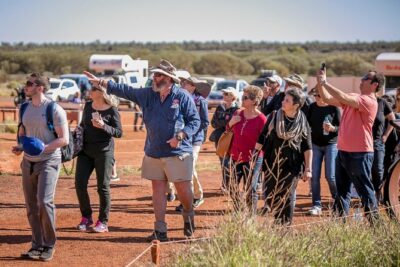
Ayers Rock Day Trip from Alice Springs Including BBQ Dinner
Read our review →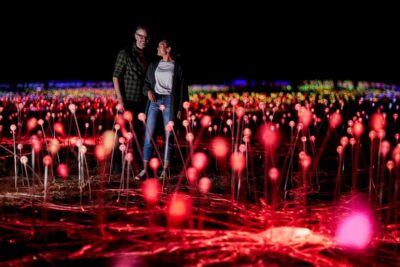
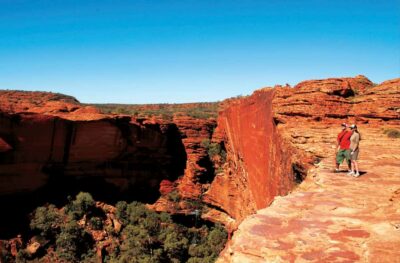
Kings Canyon: Full-Day Tour from Ayers Rock Resort
Read our review →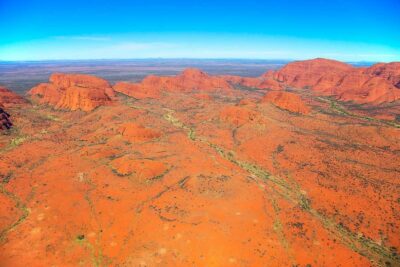
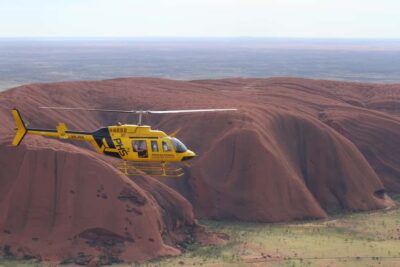
Uluru & Kata Tjuta 25-Minute Helicopter Experience
Read our review →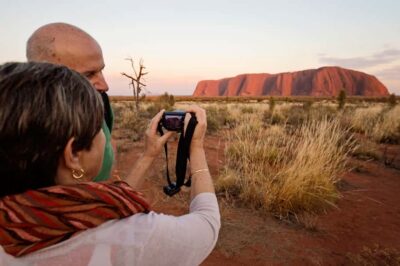
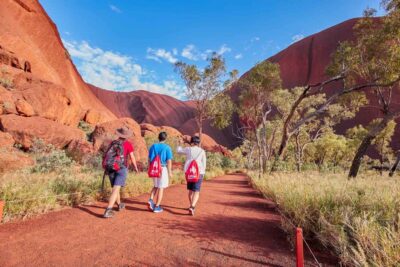
Sacred Sites & Sunset Tour with Wine & Cheeseboard
Read our review →Browse the lists this tour appears in