
Reviewed · CROCODILE CRUISES & ENCOUNTERS
Darwin: Spectacular Jumping Crocodile Adelaide River Cruise
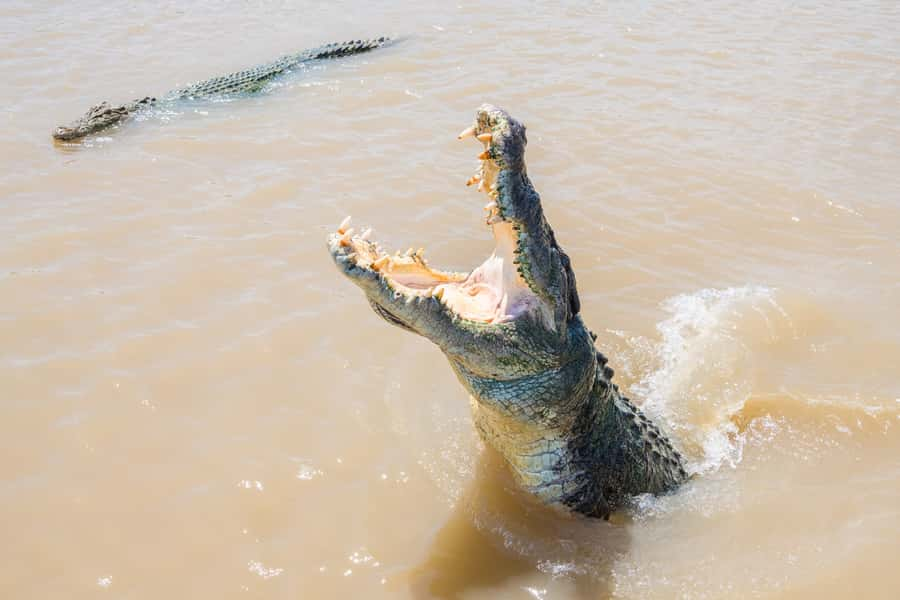
A saltwater crocodile rises beside the boat, jaws open, and hangs in the air for a heartbeat before dropping back into the Adelaide River. That is the big moment here, and it can happen only a few yards from your seat. The cruise gives you a close look at wild crocodiles without putting people or animals in the water.
I like the Indigenous ownership, with profits returning to the Groote Eylandt Archipelago community. I also like the careful approach to animal welfare: guides may offer buffalo meat, but the crocodiles are not forced to appear or perform. The main drawback is that this is a short one-hour trip, and not every boat sees the same number or size of crocodiles.
Key points to know before you go
- Wild crocodiles decide the show: Animal activity changes from cruise to cruise, and no specific jump or sighting is guaranteed.
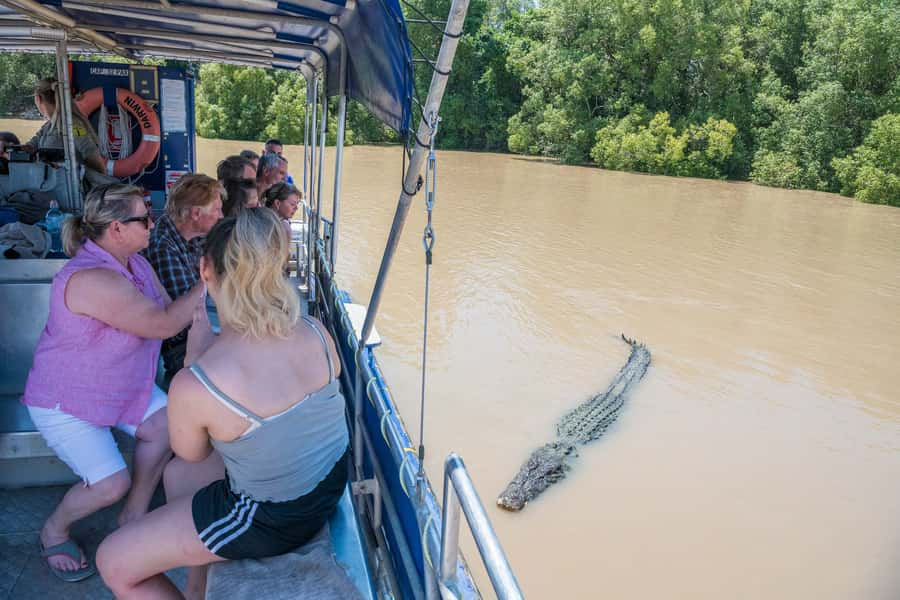
- Close views from a covered boat: Custom-built seating helps passengers watch and photograph the river safely.
- Guides know individual crocodiles: Hosts such as Wooky and Shano mix facts, local stories, humor, and names for the animals.
- A useful ethical choice: The cruise is 100 percent Indigenous-owned, with profits going back to the Groote Eylandt Archipelago community.
- Allow about two hours from Darwin: The meeting point is roughly one hour from the city, followed by a one-hour cruise.
- Bring sun protection and patience: Hat, sunscreen, water, and a camera matter in the Northern Territory heat.
Crocodiles take center stage on the Adelaide River
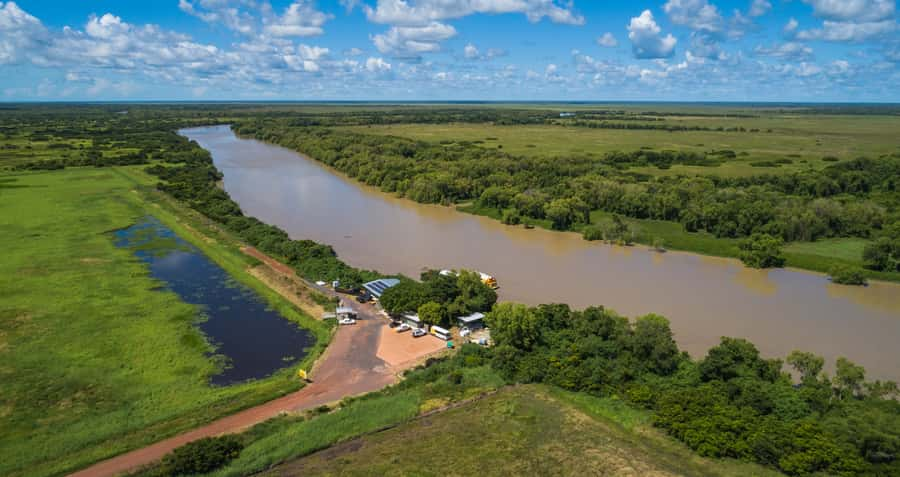
The Adelaide River is not a zoo enclosure. It is a living river where saltwater crocodiles, birds, sharks, and sawfish share the same water. Your boat gives you a controlled way to see this world from above, while the crocodiles remain in their own habitat.
The famous action comes when a crocodile rises after a small piece of buffalo meat. The guides hold the food above the water, and a crocodile may lift its head and much of its body into the air. The sight is dramatic, but the point is not to make a reptile repeat a trick on command.
That distinction matters if you are uneasy about animal feeding experiences. Staff hold Wildlife Permits issued by National Parks and Wildlife, and the interactions follow an internationally recognized code of ethics. The crocodiles are not dependent on the cruise, and the crew accepts that some animals may ignore the boat entirely.
Your guide explains how the crocodiles hunt, how they move through the river, and how individual animals behave. Guides know many of them by name and personality, which adds a personal touch without turning the animals into pets. Wooky has been praised for his humor and reptile knowledge, while Shano has a reputation for paying close attention to the wider river environment.
Other croc trips out of Darwin:
- Litchfield National Park and Jumping Crocodile Cruise
★ 5.0 · 2,119 reviews - Adelaide River Cruises – Jumping Crocodile Experience
★ 5.0 · 997 reviews - From Darwin: Litchfield Park Tour & Jumping Crocodile Cruise
★ 4.9 · 829 reviews
The drive from Darwin is part of the plan
The meeting point is on the Arnhem Highway, about one hour east of Darwin. Follow the highway toward Kakadu National Park and watch for the large yellow signs. The entrance is at 2915 Arnhem Highway, Middle Point.
You turn left shortly after Anzac Parade and before the Adelaide River Bridge. If you reach the bridge, you have gone too far. After entering through the white gates, follow the road around the hill and continue down an unpaved driveway for about 2 kilometers.
That last stretch is worth noting if you have a low-clearance car or are driving after rain. One visitor specifically wished the road were sealed all the way, so do not expect a polished city attraction from entrance to jetty. You check in at the upstairs office before making your way to the boat.
There is no hotel pickup or drop-off. I would treat this as a self-drive outing from Darwin, and it pairs naturally with other Arnhem Highway stops if you are building a full day toward Kakadu. The cruise itself lasts one hour, but the drive means you should allow at least three hours for the round trip and activity, not counting extra stops.
A covered boat keeps the viewing simple
The cruise uses a covered boat with custom-built seating. This gives you shade and protection from rain while keeping sightlines open to the river. The arrangement is designed so people can watch the crocodiles from different parts of the boat, though seating can feel tight when the vessel is full.
One four-star assessment specifically noted insufficient seating space, so arriving on time matters. You want a clear view rather than spending the cruise trying to look around another passenger. Keep your camera ready, since a crocodile can rise and disappear quickly.
The boat runs in rain or shine unless conditions become unsafe. Weather can affect the trip, and the operator may cancel or postpone for severe conditions, offering a refund or a new time. In ordinary wet weather, the covered design lets the cruise continue.
There are at least two skippers on every cruise. That is important on a river with large wild reptiles, and it gives the crew more than one set of eyes during feeding and boat movement. Staff focus on both passenger safety and the welfare of the animals.
What the one-hour itinerary feels like
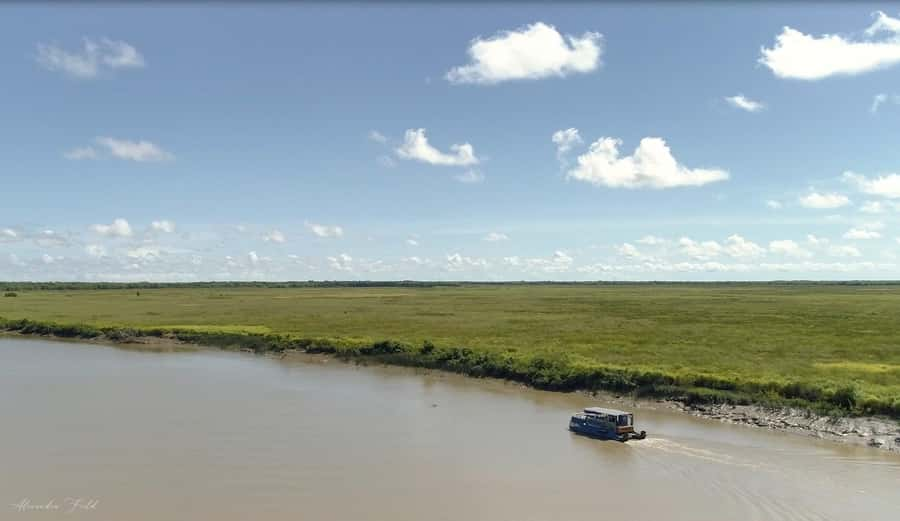
The cruise begins with a run along the Adelaide River and an introduction to its wildlife. The guide points out crocodiles near the boat and explains what you are seeing. You may see animals floating quietly, sliding below the surface, or approaching when food is offered.
The main feeding action usually builds as the crew identifies crocodiles and waits for them to come close. You might see several animals during the hour, including large crocodiles, but the exact number varies. One cruise may produce five close sightings, while another may have fewer or may miss the biggest animal on one side of the boat.
That unevenness is part of the bargain. You are not watching a fixed stage show with a set list. The crocodiles choose how close to come, and the guide cannot promise a particular animal or behavior. The upside is that the best moments feel immediate rather than mechanical.
The staff also use the cruise to explain hunting techniques and river behavior. You get more than a quick photograph of open jaws. A good guide adds context about why a crocodile positions itself near the boat, how it waits for food, and how its size and personality affect its response.
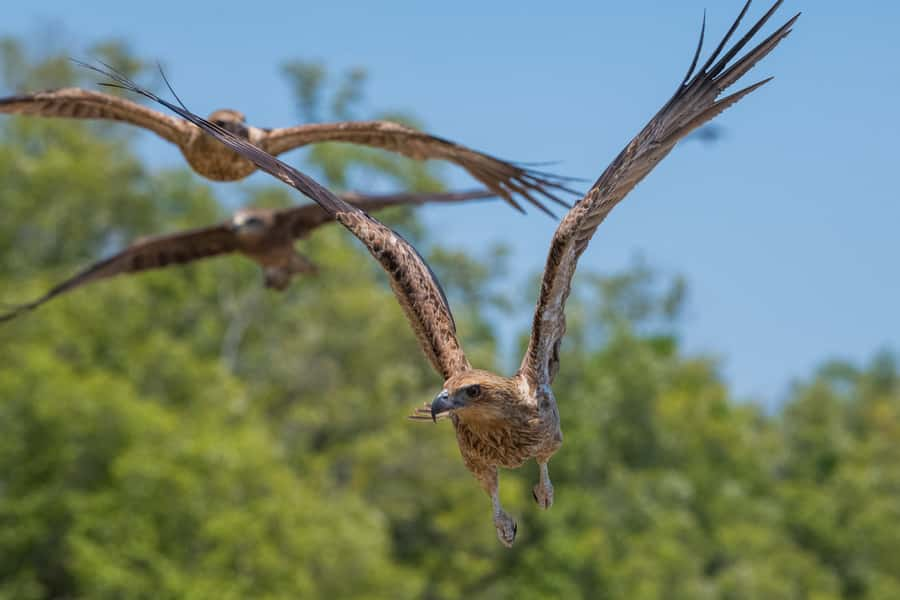
There may be a final bird-feeding moment, such as a hawk coming for food, but this is not guaranteed. The safer expectation is crocodiles and river commentary first, with other wildlife as an extra.
Same base, a different sort of day:
- Sunset 3-Hour Cruise from Darwin with Dinner and Sparkling Wine
★ 5.0 · 980 reviews - Charles Darwin Dinner Cruise
★ 4.5 · 820 reviews - Kakadu Day Tour from Darwin with Offroad Dreaming
★ 5.0 · 776 reviews - Cape Adieu Darwin Sunset Dinner Cruise
★ 5.0 · 750 reviews
Look beyond the crocodiles
Keep your eyes away from the main action for part of the trip. The Adelaide River supports white-bellied sea eagles, whistling kites, black flying-foxes, bull sharks, the endangered speartooth shark, and the critically endangered large tooth sawfish.
You may not see every species. The provider is clear that no specific animal can be promised. Still, this list explains why the cruise has value even during a quieter crocodile run. The guides can help you notice movement in the sky, along the bank, or beneath the water.
The birdlife adds welcome variety. Instead of spending the full hour waiting for the next jump, you can watch how the river functions as a shared home for reptiles, fish, and birds. That broader focus also makes the trip more suitable for adults who want ecology and not only action photographs.
Bring a camera, but do not forget to watch with your own eyes. The boat is close enough for strong photographs, and guides generally leave time for pictures and video. A fast-moving crocodile can be difficult to frame, so keep your camera accessible rather than buried in a bag.
The ethical question is worth asking
Any tour that feeds wild animals deserves a close look. Here, the provider says the crocodiles are not forced to interact, and the crew aims to show them in a natural setting. The animals do not have to swim over, jump, or take the offered food.
The cruise is also 100 percent Indigenous-owned, with profits returning to the Groote Eylandt Archipelago community. If where your money goes matters to you, that is a meaningful part of the purchase rather than a small side note.
The best way to view the activity is as a managed wildlife encounter, not untouched observation. Food is used to encourage a crocodile to come near the boat, so you should decide if that fits your own standard. At the same time, the stated permits, trained skippers, and animal welfare code provide safeguards that are missing from a careless feeding operation.
I appreciate that the guides talk about crocodile welfare instead of treating the animals as props. You still get the close action, but the staff acknowledge that the river and its animals set the limits.
Is $38 good value for an hour?
At $38 per person, this is a reasonably priced Darwin-area activity. The ticket includes the one-hour cruise, live English commentary, tea, and coffee. Cold drinks and ice cream are available to buy before or after, but food and other drinks are not included.
The value comes from the combination of access and time. You get a purpose-built boat, trained staff, close crocodile sightings, and information about other river species without committing to a full-day excursion. For families, couples, and first-time visitors to the Top End, the short format is easy to fit into a driving day.
The one-hour limit can also feel like a weakness. One visitor wanted longer on the river, and I understand that reaction if the crocodiles are active or you miss a big sighting. You are paying for a concentrated encounter, not a slow half-day wildlife trip.
Free cancellation up to 24 hours before departure and reserve-now, pay-later booking add useful flexibility. Since animal behavior and weather can affect the experience, that flexibility is practical rather than just a booking perk.
Who will enjoy this cruise most
I would choose this for anyone visiting Darwin who wants to see saltwater crocodiles up close without entering a remote park or spending a full day on the water. It works well for families, since the guides keep the pace moving and the close sightings hold children’s attention.
It also suits photographers who want repeated chances to capture crocodile behavior. You may not get the perfect jump, but the boat offers several opportunities to watch, frame, and try again.
The cruise is a good match for people who care about Indigenous ownership and animal welfare. The guides’ attention to individual crocodiles and the wider river gives the experience more substance than a quick photo stop.
I would be more cautious if you need a guaranteed sighting of a huge crocodile, dislike any use of food in wildlife encounters, or expect spacious seating. The tour cannot control the animals, and a busy departure may feel cramped.
The cruise is wheelchair accessible, but wheelchair users must be able to transfer onto the vessel’s bench seating. Staff can assist if needed. Strollers and walkers cannot go aboard for safety reasons, though they can remain at the jetty. Baby strollers are not allowed on the boat.
Small practical details that improve the day
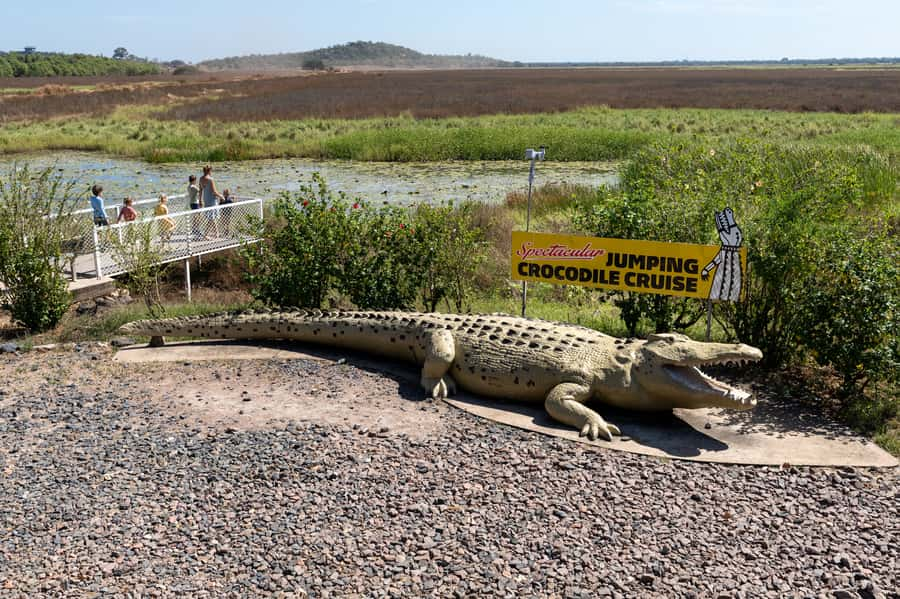
Wear a hat and sunscreen, and carry water. The boat has a roof, but you are still spending time in the tropical Northern Territory climate.
A fly net over your hat may be useful. One passenger specifically advised this because flies can be common, especially around the river. It is a small comfort item that can make it easier to focus on the crocodiles.
Arrive with enough time to find the office and complete check-in. The entrance is easy to miss if you are watching only for the river, and the unpaved driveway continues for about 2 kilometers after the highway turn.
Tea and coffee are included, and there is a gift shop on site. Cold drinks and ice cream can be bought before or after the cruise. These details make the waiting period more comfortable, but bring your own water rather than relying on the included hot drinks.
Should you book the Adelaide River crocodile cruise?
Book it if you want a short, exciting, and reasonably priced Darwin outing with wild crocodiles close to the boat. The strongest reasons are the Indigenous ownership, careful handling of animal interactions, strong guide commentary, and the chance to see more than crocodiles.
Go with realistic expectations. You may see several spectacular jumps, or you may get fewer dramatic moments than hoped. The boat can be busy, the drive includes an unpaved section, and one hour passes quickly.
For most visitors, those limits are fair trade-offs at $38. I would choose this cruise over a longer, less focused outing if I wanted a clear introduction to Adelaide River wildlife and a company whose profits return to an Indigenous community.
FAQ
How long does the crocodile cruise last?
The cruise lasts one hour. Allow extra time for check-in and the drive from Darwin.
How far is the meeting point from Darwin?
The meeting point is approximately one hour from Darwin City by car.
Where does the cruise depart?
It departs from 2915 Arnhem Highway, Middle Point, on the way toward Kakadu. Enter through the white gates and follow the unpaved driveway for about 2 kilometers to the office and jetty.
Is hotel pickup included?
No. Hotel pickup and drop-off are not included, so you need to make your own way to the meeting point.
Are the crocodiles guaranteed to jump?
No. Animal activity changes from cruise to cruise, and the crocodiles are not forced to interact. The provider cannot guarantee a particular animal or behavior.
Is the boat covered?
Yes. The cruise operates on a covered boat with custom-built seating intended to provide good views.
What should I bring?
Bring a hat, camera, sunscreen, and water. A fly net worn over your hat may also help if flies are active.
Is the cruise wheelchair accessible?
Yes, but wheelchair users must be able to transfer onto the vessel’s bench seating. Staff can assist if needed. Walkers and wheelchairs cannot remain aboard during the cruise but can be left at the jetty.
Can I cancel the booking?
You can cancel up to 24 hours in advance for a full refund. The provider also offers a reserve-now, pay-later option.
Just added in Darwin
- Bombing of Darwin World War II Tour with Harbour Cruise★ 4.5 · 219 reviews
- 1-Hour Thunderball WWII Adventure Jet Skiing in Darwin★ 5.0 · 70 reviews
- Tiwi Islands Cultural Experience from Darwin Including Ferry★ 4.0 · 97 reviews
- Darwin Combo: The Bombing of Darwin Experience & Darwin Harbour Cruise★ 4.5 · 123 reviews
- ETHICAL ADVENTURES – 1 Day premium Litchfield tour, small group★ 5.0 · 178 reviews
- Litchfield Park & Jumping Crocodile Cruise★ 5.0 · 37 reviews
- Royal Flying Doctor Service Tourist Facility: Two Iconic Territory Stories★ 5.0 · 256 reviews
- Litchfield National Park Waterfalls & Wildlife Adventure Tour★ 5.0 · 30 reviews
Crocodile Cruises & Encounters, compared.
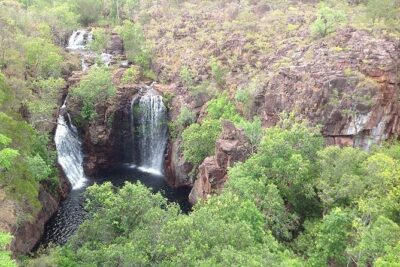
Litchfield National Park and Jumping Crocodile Cruise
Read our review →
Solar Whisper Daintree River Crocodile and Wildlife Cruise
Read our review →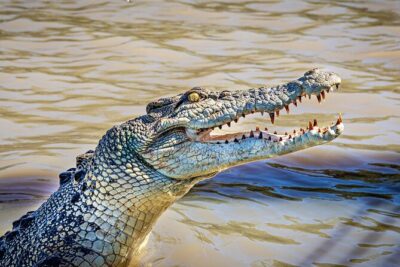
Adelaide River Cruises – Jumping Crocodile Experience
Read our review →
Litchfield Park Tour & Jumping Crocodile Cruise
Read our review →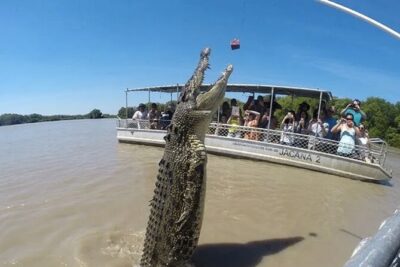
The Croc Bus to the Famous Jumping Crocodile Cruise
Read our review →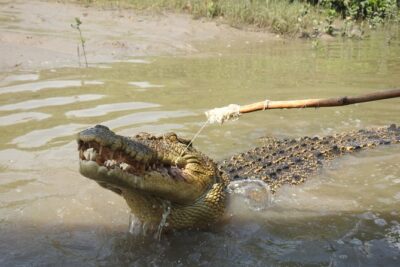
Litchfield and Jumping Crocodiles Full Day Trip from Darwin
Read our review →
Malcolm Douglas Crocodile Park Tour Including Transportation
Read our review →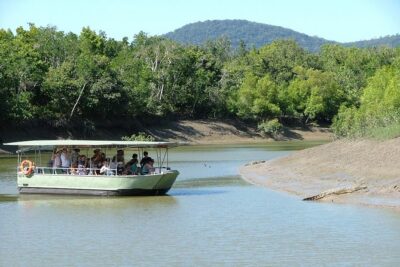
Browse the lists this tour appears in