
Reviewed · NATIONAL PARKS
Darwin: Kakadu National Park & Wildlife Full Day Tour
Kakadu’s great appeal is that the day keeps changing: one moment you’re watching for crocodiles in a wetland, and the next you’re walking beneath ancient Aboriginal rock art at Ubirr. The 12-hour trip packs a huge amount into one outing from Darwin, with guides such as Pascal, Leigh, Daryl, and Becs bringing local stories, wildlife knowledge, and plenty of humor.
I like the small air-conditioned minibus, which is quicker and more personal than a big coach, and I like that the tour treats Kakadu as a living cultural place, not just a scenic stop. The main drawback is the distance. You’ll spend many hours on the road, and the minibus can feel tight for tall passengers or when every seat is filled.
Key points to know before booking
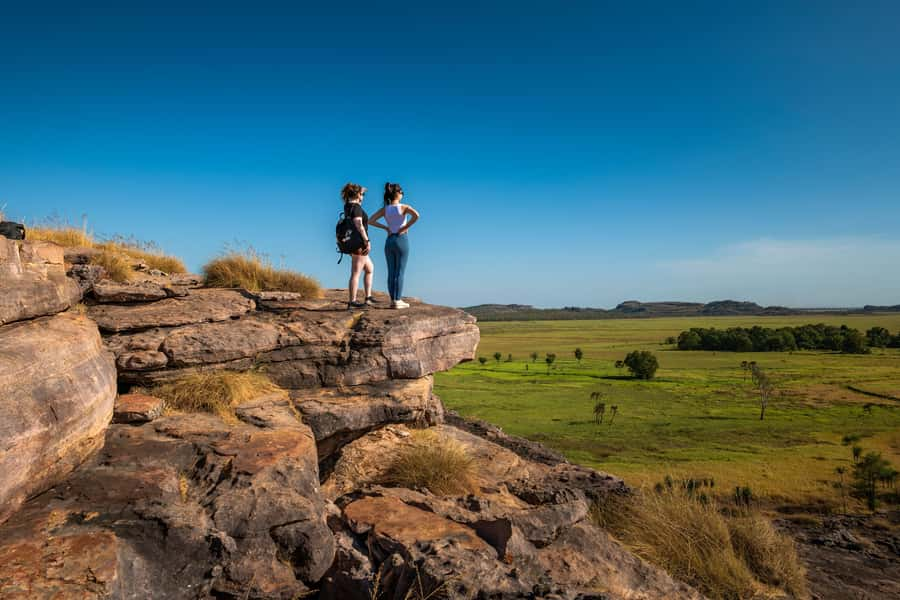
- Ubirr is the star stop: Allow about two hours for Aboriginal rock art, a guided walk, and wide views across Kakadu.
- The day begins with wetlands and crocodiles: Fogg Dam and the Adelaide River introduce you to Top End wildlife before you reach the national park.
- The optional Jumping Crocodile Cruise costs extra: It adds a thrilling one-hour boat ride, but it also leaves less time for Kakadu itself.
- Seasonal changes are normal: From November to April, flooding and rain can replace Ubirr with Nourlangie Rock or close Cahill Crossing.
- Your guide matters: Strong guides such as Daryl, Leigh, Pascal, Becs, and Alex have made this long day far more engaging for many people.
- Pack for heat and walking: Bring a hat, sunscreen, insect repellent, water, breathable clothes, and closed-toe walking shoes.
Why this is a useful first look at Kakadu
At $166 per person, this is not a cheap bus ride. It is a full-day outing covering the return transport from Darwin, Kakadu park entry, a driver-guide, and several major stops across an enormous protected area. If you have only one day for Kakadu, the price can make sense because arranging transport, park entry, and wildlife stops separately would be difficult.
You should also know what this trip cannot do. Kakadu covers about 20,000 square kilometers, so a single day can only introduce you to the park. You will see important places, hear cultural and natural history, and get a feel for the region, but you will not cover every major area or spend long hours at each site.
The tour suits families with children aged six and older, couples, solo visitors, and anyone who wants a guided introduction without renting a car. It is less suitable if you dislike long drives, need generous legroom, or want a slow, deeply focused visit to one rock-art site.
A few more things to do in Darwin worth a look
- Litchfield National Park and Jumping Crocodile Cruise
★ 5.0 · 2,119 reviews - From Darwin: Kakadu Wilderness Escape & Rock Art Day Tour
★ 4.5 · 403 reviews - Litchfield National Park Day Tour from Darwin
★ 4.0 · 264 reviews
The early road to Adelaide River and Fogg Dam
The meeting point is outside The Leea Darwin on Cavenagh Street. You need to arrive 10 minutes before departure, and hotel pickup is not included, so leave enough time to reach the city meeting point.
The first drive takes about an hour. This is useful travel time rather than dead time when the guide is doing the job well. Guides such as Leigh and Danni have been praised for explaining plants, animals, local culture, and the places you pass along the road. A good guide turns the long drive into part of the education.
Fogg Dam Conservation Reserve is the first proper stop, with about 45 minutes for viewing wildlife and taking in the wetlands. The reserve sits on the traditional lands of the Limilngan-Wulna people, who take part in its management. That detail matters because it gives the stop a cultural and present-day connection, rather than presenting the wetland as untouched scenery.
Keep watch for birds, turtles, water pythons, and saltwater crocodiles. One person even saw a crocodile sunning itself beside the road. Sightings are never guaranteed, so treat this as a wildlife opportunity rather than a scheduled animal show.
You may need an NT parks pass for Fogg Dam, depending on the fare type. The supplied information specifies that the park pass is required for Fogg Dam for the WKD fare type, while Kakadu park entry is included. Check this point when booking so the extra cost does not surprise you.
The Adelaide River crocodile cruise
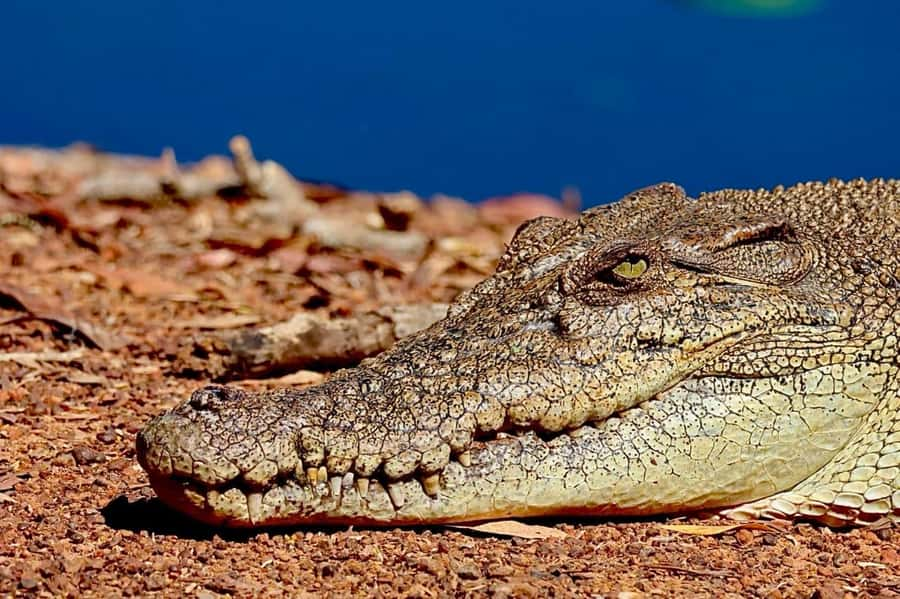
The Adelaide River stop lasts about an hour if you choose the optional Jumping Crocodile Cruise. This is one of the day’s most dramatic additions. You stay on a boat and watch enormous saltwater crocodiles approach the vessel, giving you a close view while keeping a safe barrier between you and the animals.
The cruise is a strong choice if crocodiles are a major reason you came to the Top End. It offers a clearer, more concentrated wildlife experience than simply hoping to spot a crocodile from a road or wetland lookout. The close approach can also be genuinely nerve-racking, in a good way, especially for children old enough to appreciate the spectacle.
There is a tradeoff. The cruise is optional, and the overall day is already long. One useful criticism of the schedule is that removing the crocodile cruise could leave more time for Ubirr or another part of Kakadu. If ancient rock art is your priority, ask yourself if an extra wildlife ride is worth taking time from the park.
The morning includes breaks, including a short stop around Marrakai for about 20 minutes. These pauses help on a long drive and give you chances to buy snacks or use the facilities. Still, some people may feel that frequent early stops delay arrival at Kakadu.
Reaching Kakadu and Bowali Visitor Centre
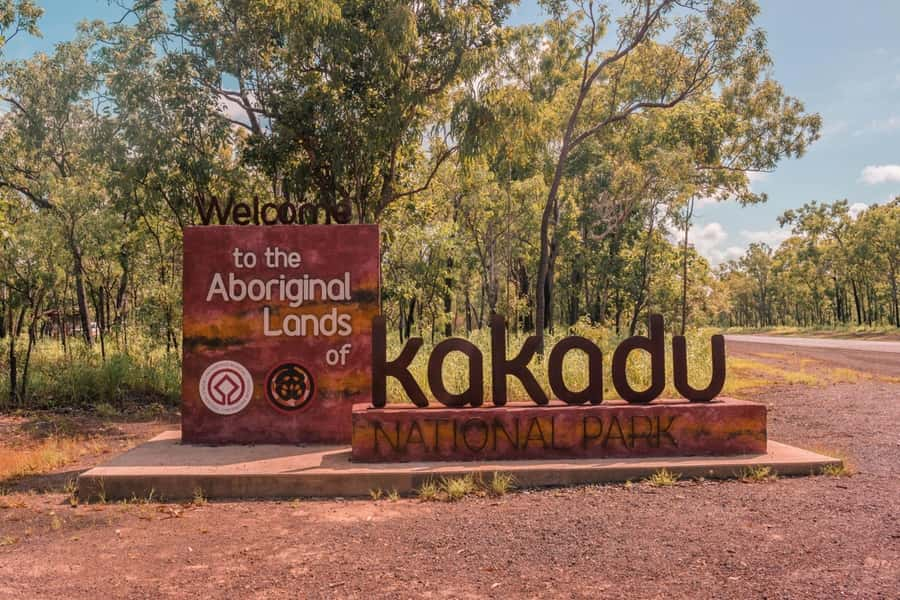
After the morning wildlife stops, the minibus continues toward Kakadu. The drive includes an 80-minute stretch, a photo stop, and another 20-minute section before reaching Bowali Visitor Centre. The exact order can change, especially during wet-season conditions or park closures.
Bowali is a short, roughly 20-minute visit. Think of it as an orientation stop rather than a major attraction. It helps place Kakadu’s natural and cultural features in context before you reach the more memorable outdoor sites.
The value of this part of the day comes from the guide’s commentary. The strongest guides do more than point out a plant or animal. They explain how the wetland, escarpment, wildlife, and Aboriginal traditions connect. Daryl was praised for discussing difficult subjects directly, while Pascal was noted for combining cultural explanation with humor and personal stories.
The quality of the commentary depends on who leads your group. The operator uses different guides, so you cannot count on a particular person unless the company confirms it. Names that have drawn especially strong praise include Pascal, Leigh, Daryl, Becs, Alex, Tom, Andrea, and Danni. All guides are described as English-speaking, and the main language of the tour is English.
Same base, a different sort of day:
- Adelaide River Cruises – Jumping Crocodile Experience
★ 5.0 · 997 reviews - Sunset 3-Hour Cruise from Darwin with Dinner and Sparkling Wine
★ 5.0 · 980 reviews - From Darwin: Litchfield Park Tour & Jumping Crocodile Cruise
★ 4.9 · 829 reviews - Charles Darwin Dinner Cruise
★ 4.5 · 820 reviews
Cahill Crossing and the wet-season question
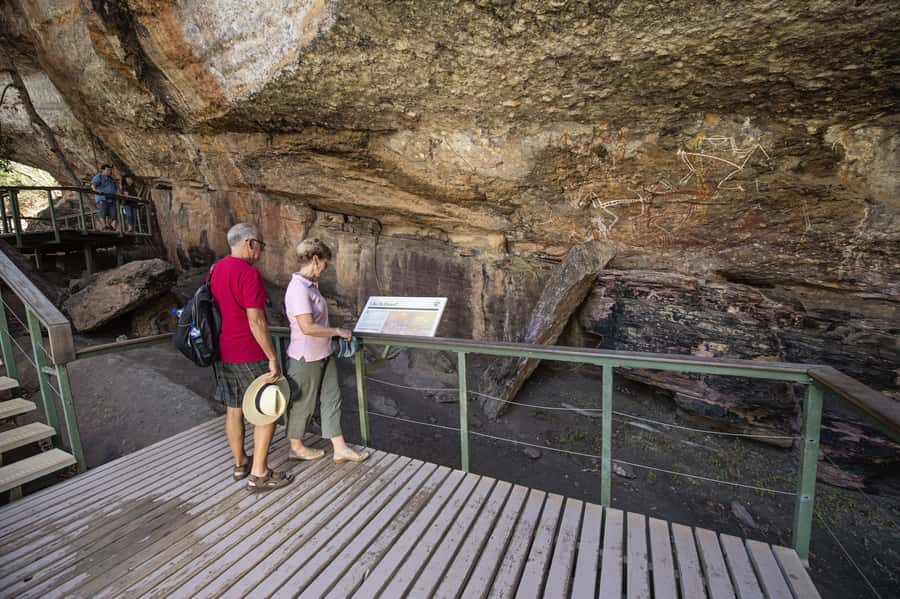
Cahill Crossing is scheduled as a 30-minute photo and sightseeing stop with a guided explanation. It is known for the chance to see saltwater crocodiles near the crossing, making it one of the most anticipated parts of the day for wildlife fans.
Do not treat Cahill Crossing as guaranteed. Water levels and road conditions can change access, especially after heavy rain or during large wet-season flows. Some departures have replaced it with another stop, including a detour to see wallabies. That flexibility is sensible because safety and local conditions matter more than following a fixed schedule.
The crossing can also be a short stop. If you hope to spend a long time watching crocodiles, you may find the 30-minute allocation brief, and an even shorter visit is possible if the group needs to keep moving. This is one reason to view Cahill Crossing as a bonus rather than the sole purpose of the tour.
The guide will keep you at safe viewing points. Do not expect to wander freely near the water. This is a place where following instructions matters, and the tour’s safety focus is one of its practical strengths.
Ubirr rock art and the best two hours of the day
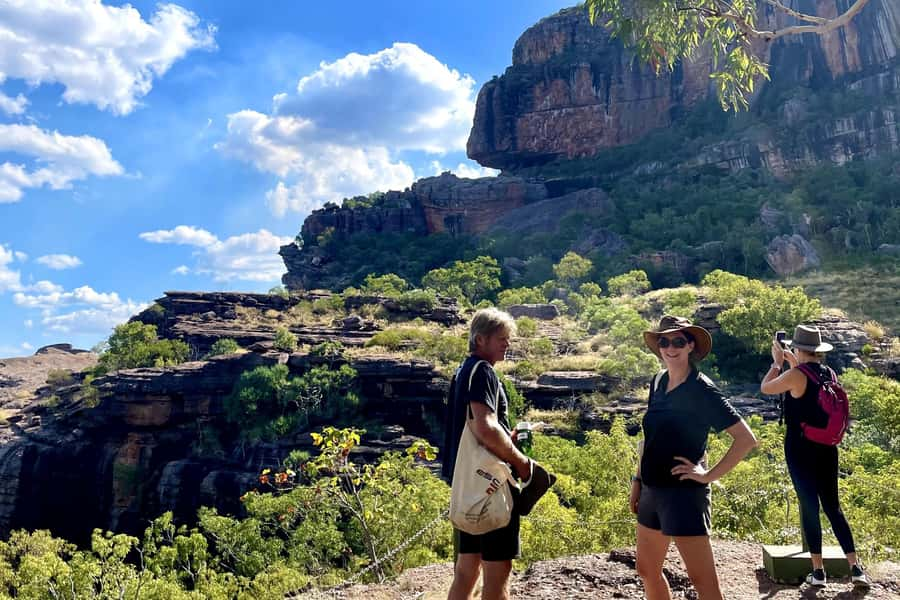
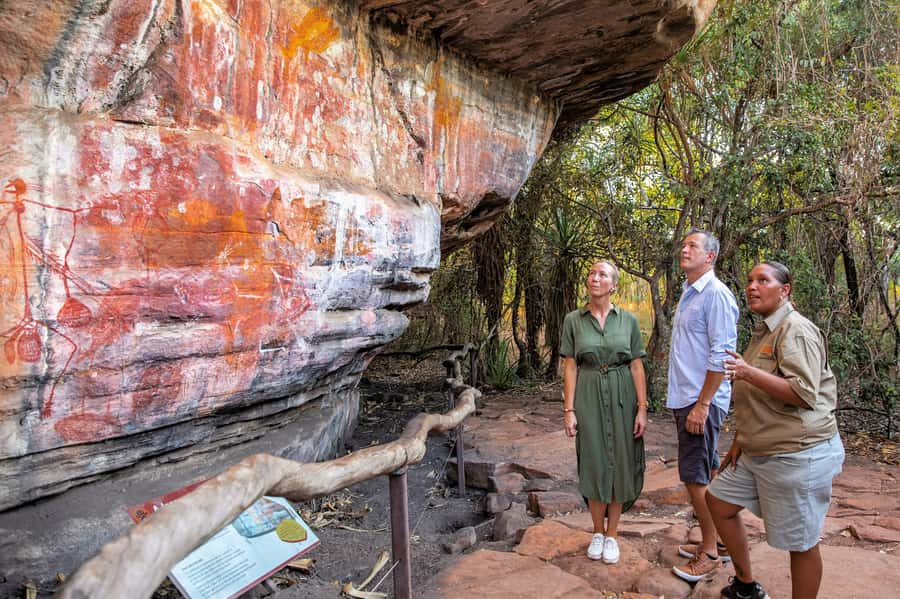
Ubirr receives about two hours for a guided walk and sightseeing. For many people, this is the heart of the trip. The rock shelters contain ancient Aboriginal paintings, including depictions of animals and figures connected to the cultural life of the area.
Your guide explains how the art was made, what the images represent, and how Aboriginal people lived with the land. The best commentary also acknowledges that these are not simply old drawings for tourists to photograph. Ubirr is an active ceremonial site with deep meaning for Traditional Owners.
The walk includes some climbing and uneven ground, so closed-toe hiking shoes are sensible. In hot weather, the short walk can feel demanding. One person found the heat so intense that some members of the group stopped before reaching all the art, although the surrounding views still offered plenty to see.
Take water and move at your own pace. You will have time for photographs, but the group needs to stay together enough for the guide to provide explanations and keep the schedule moving. The reward is a strong combination of culture, geology, and open Top End views.
The site can close for Traditional Owner ceremonies. If that happens, the tour may switch to Nourlangie Rock, also known as Burrungkuy. Nourlangie offers another important Aboriginal rock-art setting, so the change does not mean the cultural part of the day disappears. It does mean you should book this as a Kakadu experience, not as a promise of one exact rock-art wall.
The long return to Darwin
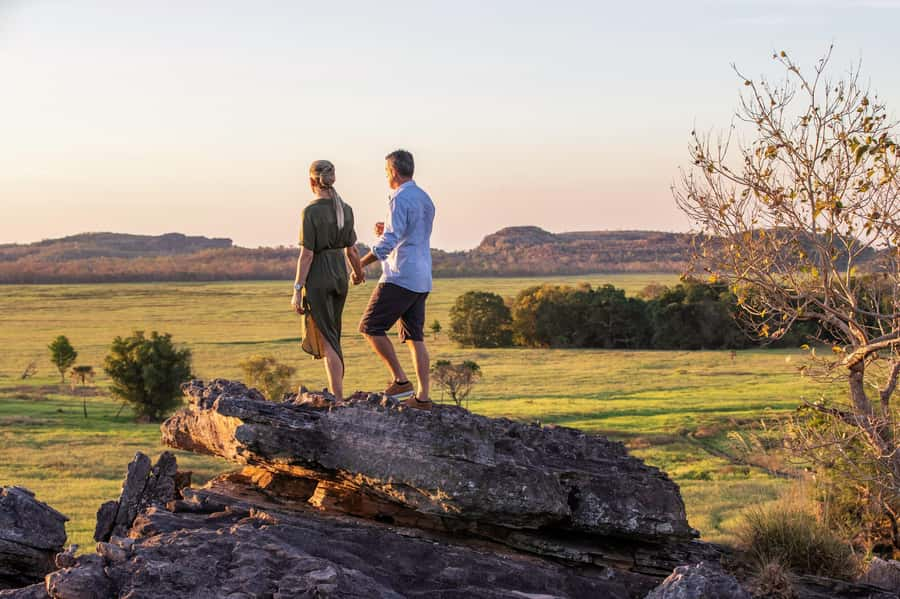
The return drive is listed at about three hours. By this point, you will probably be tired, sun-warmed, and ready for a quiet seat. The minibus has air-conditioning, and stops are made for toilets and snacks, but the journey remains long.
This is where a good driver-guide makes a real difference. Several guides have been praised for keeping people interested with stories and information all the way home. That does not remove the fatigue, but it makes the road feel less like lost time.
Comfort depends on the vehicle load and your height. One tall passenger, about 194 centimeters, found legroom difficult. Another person described the seats as cramped when the minibus was full. On the other hand, smaller groups have had plenty of space, and the minibus is easier to load and unload than a large coach.
If you are tall or have back problems, ask about the vehicle before booking. The tour is not suitable for people with mobility impairments, wheelchair users, or people with a low level of fitness. Children under six cannot join.
What the $166 price really buys
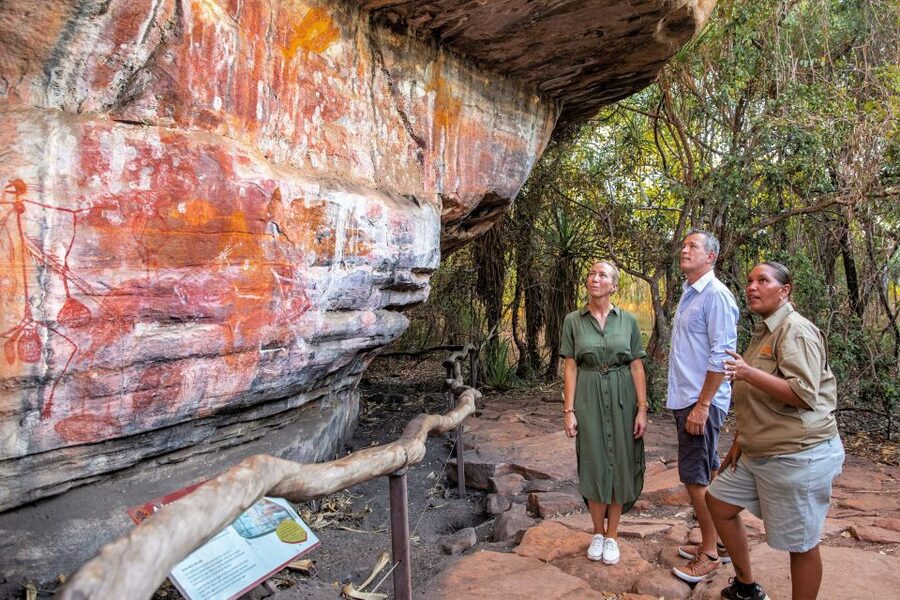
The $166 cost includes Kakadu park entry, return city transport, the driver-guide, commentary, and access to the Aboriginal rock-art visits. Food and drinks are not included, and you should bring or buy your own supplies during the stops.
The value is strongest for a first visit. You avoid arranging a rental car, navigating a huge park, tracking road closures, and learning where to stop for wildlife. You also gain a guide who can explain Aboriginal culture and the natural setting in a way that signs alone cannot.
The price is less attractive if you already have a car, several days in Kakadu, or a strong preference for staying at one site for hours. Independent visitors can take more time, but they also carry the responsibility for driving, planning, park access, and changing conditions.
The crocodile cruise is an optional extra, so include that in your budget if you want it. Food, drinks, travel insurance, personal spending, and the possible Fogg Dam pass are also outside the base price.
Practical packing and comfort advice
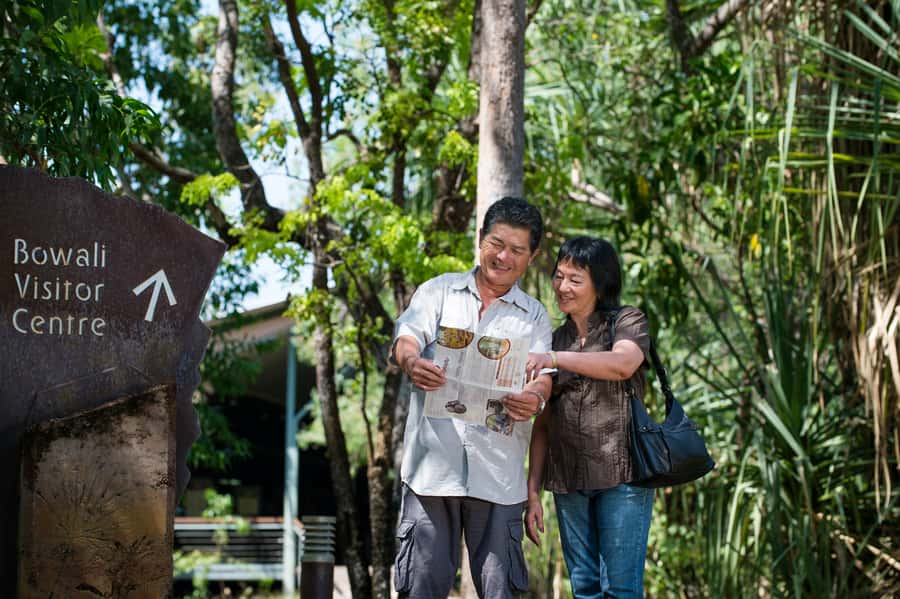
Bring a refillable water bottle, sunscreen, insect repellent, sunglasses, a sun hat, breathable clothing, and closed-toe shoes. A small daypack is useful for water and essentials, but large backpacks, oversized bags, and luggage are not allowed in the vehicle.
Storage is limited to one bag weighing 5 to 7 kilograms per person. Leave suitcases at your accommodation. Smoking is not allowed in the minibus, and mobility scooters and electric wheelchairs cannot be carried.
Wear clothes that work for heat and walking. The day combines wetland viewing, vehicle time, outdoor stops, and a rock-art walk. You need enough coverage for the sun without wearing heavy layers.
From November through April, expect the day plan to be flexible. Heavy rain, flooding, road closures, and ceremonies can change access to Ubirr, Nourlangie, and Cahill Crossing. The operator may rearrange stops or provide a comparable alternative, but you should not book during the wet season expecting every listed place to be open.
Who should book this Kakadu day trip?
I would choose this tour if I had one free day in Darwin and wanted a broad introduction to Kakadu without driving myself. It is also a good match for solo visitors who want company, families with older children, and anyone who values explanations about Aboriginal culture as much as wildlife.
The tour is especially strong when the guide is engaged, careful, and comfortable discussing difficult parts of history. People such as Leigh, Pascal, Daryl, Becs, and Alex have shown how much personality and local knowledge can add to a long day.
I would think twice if your main goal is a relaxed pace. You will cover a lot of ground, and the day can feel crowded with driving and timed stops. Tall passengers should also consider the minibus space, while anyone with limited fitness should avoid it because of the heat and walking at Ubirr.
Should you book it?
Book this tour if you want to see Kakadu’s key highlights in one demanding but rewarding day from Darwin. The combination of Fogg Dam, the Adelaide River, crocodile viewing, Aboriginal rock art, and an informed guide gives you a useful first taste of the Top End.
Skip it if you have several days to explore independently or if you want long, quiet hours at Ubirr. For most first-time visitors with limited time, though, $166 is a fair price for the transport, park access, guiding, and sheer amount of ground covered. Just pack light, bring water, prepare for heat, and accept that Kakadu sometimes makes the schedule.
FAQ
How long does the Kakadu tour last?
The experience lasts about 12 hours, including the return journey from Darwin.
Where does the tour begin?
You meet outside The Leea Darwin at 64 Cavenagh Street, Darwin City. Arrive 10 minutes before departure.
Is hotel pickup included?
No. Hotel pickup and drop-off are not included. You need to reach the meeting point yourself.
Is the Jumping Crocodile Cruise included?
No. The Adelaide River crocodile cruise is an optional extra and is not included in the base price.
Is Kakadu park entry included?
Yes. Kakadu park entry is included. A separate NT parks pass may be required for Fogg Dam for the WKD fare type.
Can Ubirr or Cahill Crossing close?
Yes. Ubirr, Nourlangie, and Cahill Crossing can be affected by ceremonies, flooding, heavy rain, road conditions, or other park closures. The operator may replace a stop or change the order of the day.
What should I bring?
Bring sunglasses, a hat, sunscreen, insect repellent, breathable clothing, hiking or closed-toe shoes, a daypack, and a reusable water bottle.
Is the tour suitable for children and wheelchair users?
Children under six cannot join. The tour is not suitable for wheelchair users, people with mobility impairments, or people with a low level of fitness.
Just added in Darwin
- Bombing of Darwin World War II Tour with Harbour Cruise★ 4.5 · 219 reviews
- 1-Hour Thunderball WWII Adventure Jet Skiing in Darwin★ 5.0 · 70 reviews
- Tiwi Islands Cultural Experience from Darwin Including Ferry★ 4.0 · 97 reviews
- Darwin Combo: The Bombing of Darwin Experience & Darwin Harbour Cruise★ 4.5 · 123 reviews
- Royal Flying Doctor Service Tourist Facility: Two Iconic Territory Stories★ 5.0 · 256 reviews
- ETHICAL ADVENTURES – 1 Day premium Litchfield tour, small group★ 5.0 · 178 reviews
- Litchfield Park & Jumping Crocodile Cruise★ 5.0 · 37 reviews
- Litchfield National Park Waterfalls & Wildlife Adventure Tour★ 5.0 · 30 reviews
National Parks, compared.
Litchfield National Park and Jumping Crocodile Cruise
Read our review →
Grampians National Park Small-Group Eco Tour from Melbourne
Read our review →
Blue Mountains National Park Tour with River Cruise
Read our review →
From Hobart/Adventure Bay: Bruny Island Wilderness Cruise
Read our review →
Port Arthur Full-day Guided Tour with Harbour Cruise and Tasman National Park
Read our review →
Bruny Island Wilderness Coast Eco Cruise with Lunch
Read our review →
Wilsons Promontory Wilderness Cruise from Tidal River
Read our review →Browse the lists this tour appears in