
Reviewed · ULURU & KATA TJUTA TOURS
Uluru, Kata Tjuta and Kings Canyon Camping Safari from Alice Springs
Uluru glowing at sunset, Kata Tjuta’s rounded domes, and Kings Canyon’s sheer walls make this one of the most efficient ways to see Australia’s Red Centre in three days. You get the big sights without driving yourself, and the schedule puts you outdoors during the cooler parts of the day.
I especially like the sunrise and sunset visits to Uluru, plus the chance to walk at all three major sites. I also like the group size, capped at 23, and the chance to share a campfire and meals with people from several countries. The tradeoff is real: this is an active camping trip, not a soft hotel tour, and long drives, early mornings, heat, and basic camp facilities are part of the deal.
Key points before you book
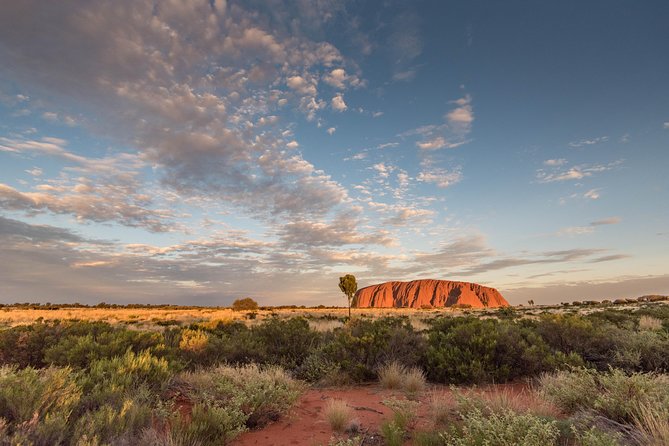
- Uluru at two different hours: See the rock glow at sunset, then watch dawn change the color of the desert.
- Three substantial walks: The program includes guided outings at Kata Tjuta, around Uluru, and in Kings Canyon.
- Kings Canyon earns the big finish: The rim walk is demanding, but its gorge and Garden of Eden are often the trip’s highlight.
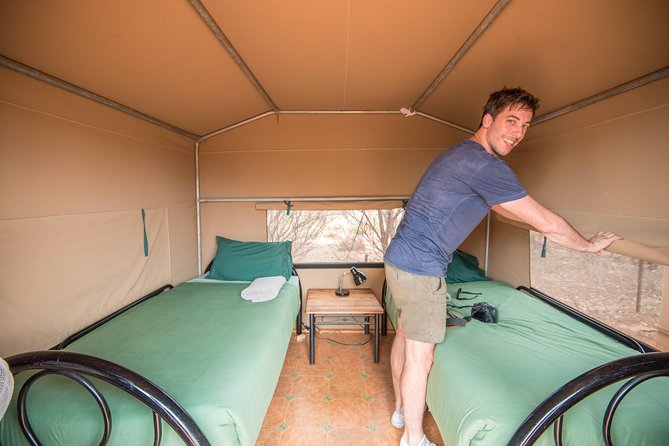
- Camping varies by night: Tent cabins can have framed beds, lights, fans, and power, while other facilities are much simpler.
- Expect a very early clock: Pickup from Stay at Alice Springs Hotel is listed for 5:40 am.
- Plan for heat and long road time: Bring sturdy shoes, a hat, electrolytes, and a well-insulated water bottle.
The Red Centre in three tightly packed days
At $713.66 per person, this safari costs more than simply hiring a car and booking basic accommodation. The price covers round-trip coach transport from Alice Springs, national park access, meals, guided walks, camping, and the work of getting a group across huge distances.
That last part matters. Uluru is more than 400 kilometers from Alice Springs, and the route to Kings Canyon adds more road time. You are paying for someone else to drive, plan the stops, cook, manage camp, and keep the schedule moving. If you value convenience and want the major sights in one short trip, the price can make sense.
You should not book this expecting a luxury lodge experience. The term glamping fits the best version of the accommodation, but it can set your expectations too high. Some tent cabins have steel-frame beds, power, a light, and even a fan. Other camp facilities may be rough, with basic showers, simple toilets, limited lighting, and no hot water.
The experience works best for people who want scenery, walking, and company more than privacy. The maximum group size is 23, large enough for a social atmosphere but small enough for a guide to keep an eye on the group.
Other trips to the rock and the domes from Alice Springs:
- From Alice Springs: Day Trip to Uluru with BBQ Dinner
★ 4.6 · 761 reviews - Ayers Rock Day Trip from Alice Springs Including BBQ Dinner
★ 4.5 · 639 reviews - 3 Day Red Centre Kata Tjuta Kings Canyon Outback ex.Alice Springs
★ 5.0 · 69 reviews
Day one: Kata Tjuta before Uluru sunset
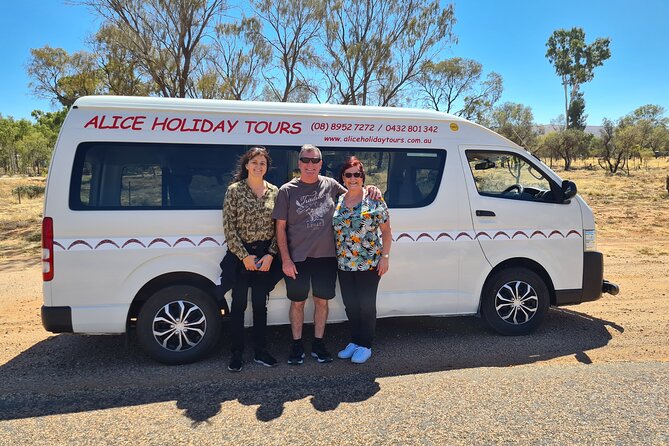
The first morning begins early in Alice Springs, with pickup listed for 5:40 am at Stay at Alice Springs Hotel on Leichhardt Terrace. That early departure is not just a scheduling nuisance. It helps you reach the Red Centre’s walking sites before the strongest afternoon heat, though you will spend a good part of the day on the coach.
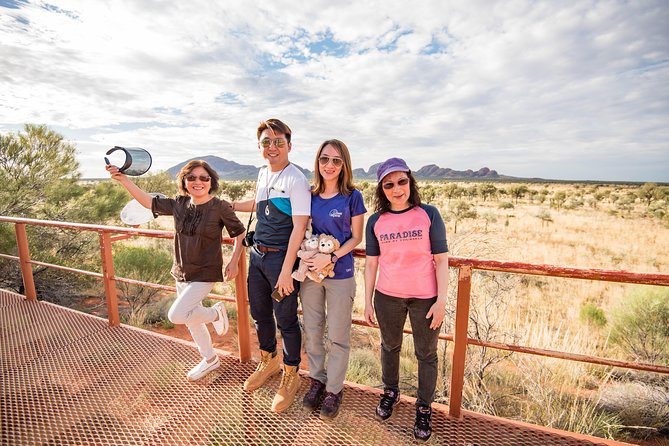
Kata Tjuta is the first major walk. Its name means many heads, a fitting description of the site’s 36 rounded domes. The rock formations feel different from Uluru: less like one massive monolith and more like a cluster of giant red stone forms rising from the plain.
You get about two hours for a guided hike. That is enough to see the character of the place, ask questions, and take in the changing shapes of the domes. Wear shoes with a firm sole. The trip calls for moderate physical fitness, and the heat can make a walk feel harder than the distance suggests.
Later, you reach Uluru for sunset. Snacks are included at this point in the planned program, and the view changes quickly as the rock shifts through orange, red, and deeper tones. Your guide may position the group away from busier viewing areas, which can give you a calmer moment at the end of a long day.
Sunset is a visual highlight, but it is also a useful introduction to the scale of Uluru. From a distance, it looks simple. Close up, the surface shows folds, caves, marks, and changing textures that photographs often flatten.
The first night is spent at camp. Meals are included, and the cooking is part of the shared nature of the trip. You may be asked to help with chopping, serving, or cleanup. That is worth knowing before you go. This is a small working camp, not a restaurant where you arrive, eat, and leave the dishes behind.
Day two: Uluru at dawn and First Peoples culture
Day two starts before sunrise. The early hour can feel severe, especially after a full first day, but it pays off. Uluru catches the first light while much of the surrounding country remains dim, creating a strong contrast between the glowing rock and the cooler colors around it.
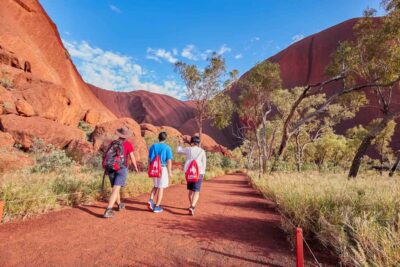
The base walk is the morning’s main activity and can take up to four hours. Some departures have included a walk of roughly 10 kilometers around Uluru. The pace and exact route can vary, but you should be ready for several hours outside on your feet.
This is a much better way to understand Uluru than simply stopping for a photograph. You see how water has shaped the rock, how small plants survive in the dry country, and how the surface changes from one side to another. Guides such as Ty, Lorrie, Mishka, Ryan, and Troy have been praised for explaining plants, animals, local stories, and the cultural importance of the area.
The cultural side of the visit matters here. Uluru is not just a scenic object. The program is designed to present the area with respect for Anangu culture and the original custodians of the land. You should listen closely, follow the guide’s instructions, and treat restricted places with care.
After lunch, the group visits the Uluru-Kata Tjuta Cultural Centre. The scheduled stop is only about 30 minutes. That is enough for a quick look, but not enough for an unhurried visit to exhibitions, displays, or the art and craft area.
If you are interested in Aboriginal art, this is one of the places where extra time would help. The schedule may leave you choosing between a quick browse and a more focused look at a few works. Do not expect a long museum visit.
The itinerary also includes Maruku Arts and an interpretive cultural walk with an Aboriginal and Torres Strait Islander guide. This is an important part of the program because it adds a direct cultural element instead of presenting the Red Centre as scenery alone. The exact operation can be affected by conditions and scheduling, so confirm the current arrangements before departure if this experience is central to your decision.
The second night takes you to an exclusive campsite in Watarrka National Park, near Kings Canyon. In practice, camp comfort can vary. Some people find the tent cabins comfortable and well set up, while others find the second night particularly basic. Power, fans, lighting, showers, toilets, and bed quality may not be the same at every camp.
Day three: the Kings Canyon rim walk
Kings Canyon is the final major stop and, for many people, the strongest part of the trip. The gorge has high red walls and sharp changes in shape, color, and depth. It feels different from both Uluru and Kata Tjuta, which is why including all three sites gives you a more complete view of the Red Centre.
The main option is the Kings Canyon rim walk, scheduled for about four hours. It is not a flat stroll. Some sections are challenging, especially at the start, and you need steady footing, reasonable fitness, and enough water.
The effort earns its reward. From the rim, you look into the vast gorge, then continue through formations and viewpoints that show why the canyon is more than a quick photo stop. The Garden of Eden, with its contrasting vegetation and sheltered setting, provides a memorable change from the dry rock above.
You should take the rim walk seriously, especially in hot weather or if you have knee trouble. The tour does not require elite fitness, but it does require you to be comfortable walking for hours over uneven ground. One person described the trip as better suited to younger or energetic people, while another older couple completed the walks but found the early starts and camp conditions demanding.
The group then returns toward Alice Springs by coach. This final drive can feel long after three active days, but having someone else handle the road is a major advantage. You can rest, watch the country pass, and let the guide manage the route.
Same base, a different sort of day:
- Early Morning Ballooning in Alice Springs
★ 5.0 · 426 reviews - Alice Springs Camel Tour
★ 4.5 · 404 reviews - West MacDonnell Ranges Day Trip from Alice Springs
★ 4.5 · 364 reviews - Alice Springs: Early Morning Hot Air Balloon Flight
★ 4.9 · 243 reviews
What camping is really like
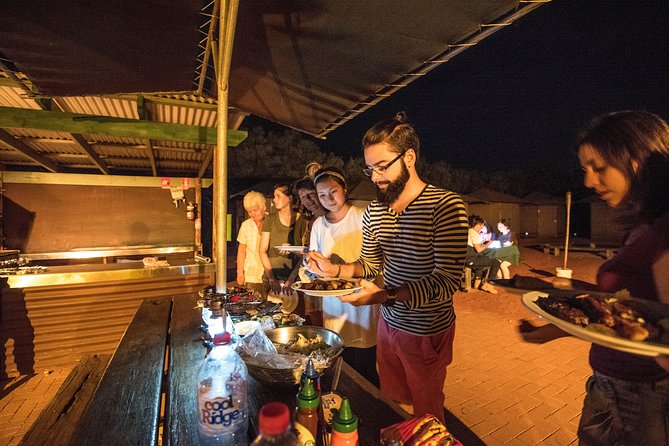
The word camping covers several different levels of comfort on this trip. Tent cabins are the more comfortable choice, with reports of real beds, steel frames, battery lights, and sometimes fans or power. They are still simple, shared-outback facilities rather than hotel rooms.
Swags are a more rugged option. You sleep closer to the ground, often outside around the campfire, and conditions can be cold before dawn or very hot at night. One useful detail is that a sleeping bag is needed if you stay in a swag, but not if you book a tent cabin. Confirm your accommodation type and packing requirements before you leave Alice Springs.
Camp life is social. Meals may include fresh-cooked food such as chicken, burgers, wraps, or other simple group dishes. Several departures have been praised for plentiful food, but one poor experience reported meals as insufficient. I would pack a few permitted snacks if possible, especially if you eat more than average or struggle with long gaps between meals.
You may help set up tents, prepare food, and clean afterward. That shared work can create the best conversations of the trip, but it can also slow the evening when the guide is doing too much alone. Expect some practical teamwork rather than a fully staffed camp.
Facilities can include outdoor showers and ordinary toilets. Conditions may be rough, and one campsite was described as having no toilet door, limited lighting, and no hot water. That is not a minor detail for anyone who needs private, comfortable facilities.
Heat, walking, and the daily rhythm
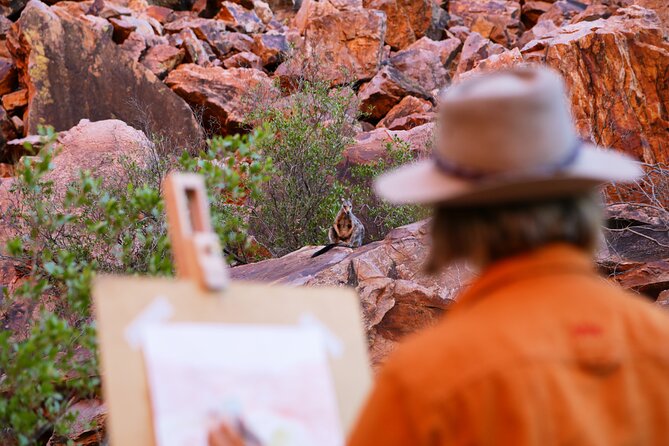
The schedule is built around the climate, but the heat remains a serious concern. Temperatures of 41 to 43 degrees Celsius have made the walking unsuitable for some older participants, regardless of their normal fitness. Hot conditions can also turn a moderate walk into a tiring one.
Bring a broad-brimmed hat, sturdy shoes, sun protection, and electrolytes. An insulated water bottle is especially useful because drinks can become warm quickly. Follow the guide’s instructions about water, shade, and pace.
The rhythm is demanding: early breakfast, long drives, a hike or sightseeing stop, more driving, camp duties, dinner, and another early start. Some days can run into the evening. You will have stretches of sitting on the coach, but do not mistake that for a restful holiday. The active parts are concentrated into the cooler hours, which is sensible, but you still need stamina.
The tour is not a good fit if you need late mornings, private bathrooms, hotel beds, or flexible meal times. It suits you better if you are happy to trade comfort for access to three remarkable places in one compact itinerary.
Guides, group spirit, and organization
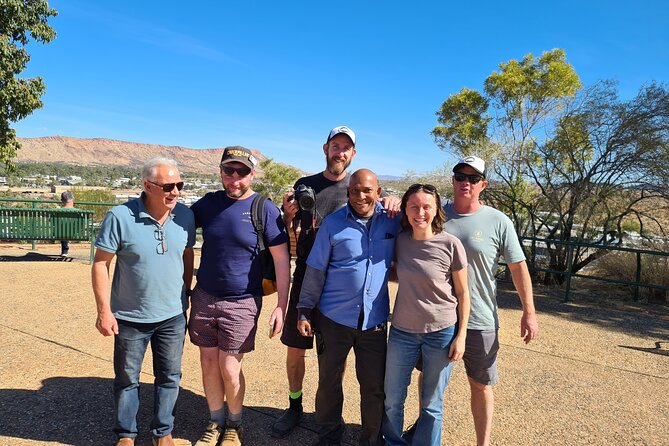
The guide can shape the whole trip. Guides named in the feedback include Lorrie, Ty, Asha, Mishka, Renée, Ryan, Troy, Lachie, Libbi, and Tai. The strongest pattern is clear: good guides explain the natural features, share cultural context, keep people safe, and maintain a friendly tone during long drives and tiring walks.
A guide may also need to cook, drive, organize camp, and manage meals. That is a lot for one person, and camp organization may feel less polished than the walking portions. You should expect some waiting, shared chores, and occasional changes in pace.
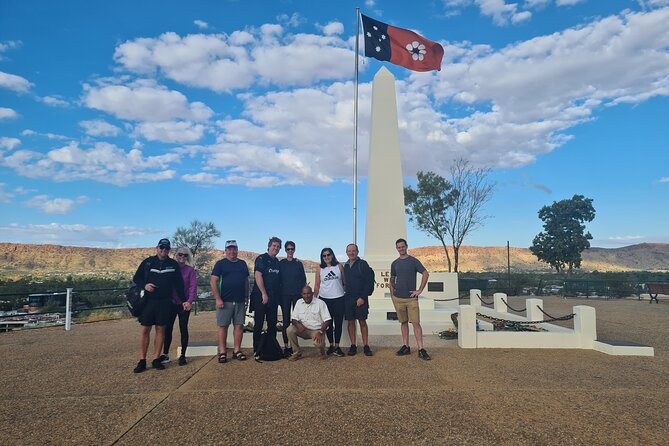
The social side is a real benefit. Groups have included young people on work visas, families, older couples, and solo visitors. Campfires and shared meals make it easy to meet people, although you should also feel free to turn in early. The trip can be sociable without requiring you to stay up late.
Booking communication has not always been perfectly clear. Confirm the pickup time, accommodation type, sleeping bag requirement, and current inclusions before departure. Confirmation is sent within 48 hours, subject to availability, and the activity needs a minimum number of people to operate.
Is $713.66 good value?
For a three-day package covering Alice Springs transport, Uluru, Kata Tjuta, Kings Canyon, guided walks, park access, meals, and camping, the price is defensible. You are covering a huge distance and avoiding the cost and stress of arranging a vehicle, fuel, campsites, permits, food, and route planning.
The value is strongest if you have limited time and want all three headline sights. A self-drive trip may offer more privacy and better control over where you sleep, but it also puts every long road section and camp decision on you.
The value is weaker if you expect polished glamping. Accommodation varies, and the second camp may be notably rougher than the first. You are buying access and coordination, not luxury.
Cancellation terms are strict close to departure: cancel at least six full days ahead for a full refund, two to six days ahead for a 50 percent refund, and less than two full days ahead with no refund. Check the local cut-off time before making changes.
Should you book this Red Centre safari?
Book it if you want Uluru, Kata Tjuta, and Kings Canyon in one carefully packed trip, prefer a guide to driving, and enjoy long walks, basic camping, early starts, and shared meals. The strongest parts are the dawn and sunset visits to Uluru, the cultural interpretation, and the Kings Canyon rim walk.
Think twice if you are over 70 and especially sensitive to heat, have knee problems, need reliable private facilities, or expect the same comfort at both camps. Ask about the current tent setup and bring more water and snacks than you think you need.
For the right kind of visitor, this is an efficient and memorable introduction to the Red Centre. Just book it as an active outback expedition with simple camp comfort, not as a luxury escape.
FAQ
Where does the tour start?
Pickup is listed at Stay at Alice Springs Hotel, 11 Leichhardt Terrace, Alice Springs, Northern Territory.
What time does pickup begin?
The listed start time is 5:40 am.
How long does the experience last?
The tour lasts approximately three days and ends back at the meeting point in Alice Springs.
Which major sites are included?
The trip visits Uluru, Kata Tjuta in Uluru-Kata Tjuta National Park, and Kings Canyon in Watarrka National Park.
Are meals included?
Yes. Meals are included, and the camping setup may involve helping with food preparation and cleanup.
What level of fitness is needed?
A moderate level of physical fitness is recommended. The program includes guided walks at Kata Tjuta, around Uluru, and at Kings Canyon, including the demanding rim walk option.
How large is the group?
The maximum group size is 23 people.
Just added in Alice Springs
- West MacDonnell Ranges & Standley Chasm Day Trip from Alice Springs★ 5.0 · 67 reviews
- West MacDonnell Ranges Day Trip from Alice Springs★ 4.5 · 364 reviews
- Alice Springs to Uluru (Ayers Rock) Coach Transfer★ 4.5 · 39 reviews
- 1 Day Alice Explorer★ 4.5 · 80 reviews
- Alice Springs Desert Park General Entry Ticket★ 5.0 · 150 reviews
- Alice Springs Desert Park Nocturnal Tour★ 5.0 · 45 reviews
- Alice Town And Country Half Day Sunset Tour – Small Group★ 4.5 · 24 reviews
- 3 Day Red Centre Kata Tjuta Kings Canyon Outback ex.Alice Springs★ 5.0 · 69 reviews
Uluru & Kata Tjuta Tours, compared.

Ayers Rock Day Trip from Alice Springs Including BBQ Dinner
Read our review →
Kings Canyon: Full-Day Tour from Ayers Rock Resort
Read our review →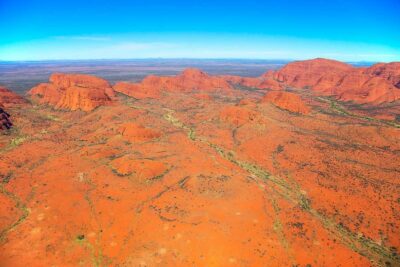
Uluru & Kata Tjuta 25-Minute Helicopter Experience
Read our review →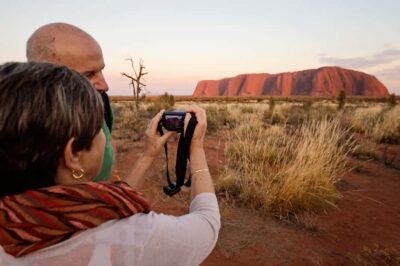
Sacred Sites & Sunset Tour with Wine & Cheeseboard
Read our review →Browse the lists this tour appears in