
Reviewed · WALKING TOURS
Darwin Heritage Walk
Darwin’s story is written into a few blocks of its city centre: an old cinema, a ruined town hall, restored government buildings, and monuments shaped by war and Cyclone Tracy. This walk connects those places with the people and events behind them, rather than asking you to admire facades without context.
I like the small maximum group of six, which makes it easier to ask questions and hear the guide. I also like the way guides such as John, Robin, and Yvonne bring local stories, politics, and personal experience into the walk. The main drawback is that some of the early city-centre commentary can feel slow, and the tour gives more attention to European settlement, bombing, and Cyclone Tracy than to Larrakia history and first contact.
Key points
- Six stops in central Darwin: See Star Village, Brown’s Mart Theatre, the Old Town Hall ruins, the Administrator’s buildings, Parliament House, and Bicentennial Park.
- Strong local storytelling: Guides including John, Robin, and Yvonne are praised for answering questions and adding personal anecdotes.
- A gentle walking pace: Expect plenty of standing and listening, with shade stops when possible.
- Darwin’s defining events: The tour gives substantial attention to the bombing of Darwin and Cyclone Tracy.
- Morning start: The walk begins at 8:30 am, a useful choice in Darwin’s tropical heat.
- Good value for history fans: At $42.32 per person, you pay for a small-group guide and two hours of local explanation, not admission tickets.
What this Darwin walk does best
The Darwin Heritage Walk is not a brisk march from landmark to landmark. It is a guided lesson in how a remote northern settlement became a modern capital, told over roughly two to two and a half hours.
You walk through the central business district, stopping often while the guide explains what happened at each site. The distances are manageable, but the listening matters more than the exercise. If you want a fast photo tour, this may feel too slow. If you want to understand why Darwin looks the way it does, the pace works well.
The walk is especially good at connecting three layers of the city: the small early settlement, the wartime city, and the rebuilt tropical capital you see today. The bombing of Darwin and Cyclone Tracy receive plenty of attention, and the guides also explain how buildings and public places survived, changed use, or disappeared.
The tone depends on who leads your group. John is noted for his broad knowledge of Darwin and the Northern Territory, along with a friendly, patient manner. Robin brings local stories and life experience, while Yvonne has also led the walk. The best part of the format is that you can ask questions as you go, rather than waiting for a recorded commentary to finish.
A few more things to do in Darwin worth a look
- Bombing of Darwin WWII Heritage Tours
★ 5.0 · 261 reviews - Darwin History and Wartime Experience Tour
★ 5.0 · 144 reviews - Darwin: Small Group 2-Hour Heritage Walk
★ 4.9 · 28 reviews
Starting at John McDouall Stuart corner
Meet at John McDouall Stuart at the corner of The Mall and Knuckey Street in Darwin City. The start time is 8:30 am, which is practical in a tropical city. You still need sunscreen, a hat, water, and suitable shoes, but the morning timing helps limit the worst heat.
The group is capped at six people. That is a real advantage here. A city-history walk can lose its spark when the guide is speaking to a large crowd, especially near traffic or in open public areas. With a small group, you can stay close, ask about a building that catches your eye, and hear the answer without interrupting the whole experience.
Wear enclosed, non-slip walking shoes. The route includes pavement, standing, and repeated stops. The physical demand is moderate rather than strenuous, but you should be comfortable on your feet for around two hours.
Star Village and the traces of old Darwin
The first stop is Star Village, a former open-air cinema and one of the few original buildings left from before Cyclone Tracy. It now operates as a stylish retail area, so you see an everyday part of present-day Darwin while learning to spot its older structure.
That contrast is one of the walk’s strengths. Darwin does not preserve its past in one neat old quarter. Instead, fragments are mixed into working streets, offices, shops, and public spaces. A guide helps you notice details that would otherwise pass as ordinary urban decoration.
Expect about ten minutes here. The guide points out historic features and explains the building’s earlier role. It is a useful introduction to the tour because it shows how Darwin’s past often survives through adaptation, not perfect preservation.
The limitation is that the stop is mainly exterior commentary. You are not signing up for an indoor museum visit or a long look around the retail centre. The value comes from the explanation, so stay close and listen.
Brown’s Mart Theatre and more than a century of social life
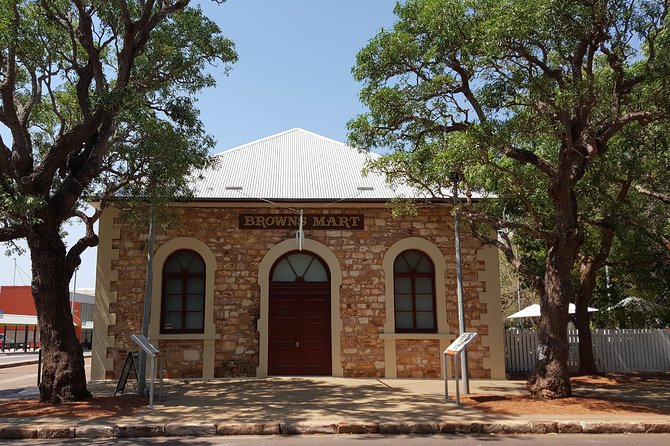
Brown’s Mart Theatre is another short stop, with around ten minutes spent looking at the exterior. The building has been part of Darwin’s social life for more than a century, giving the guide a chance to explain how entertainment and public gatherings fitted into the early town.
I like this kind of stop because it adds human scale. Government offices and monuments can tell you how a city was administered, but a theatre hints at how people spent their free time and built a shared community.
The building also reinforces an important point about Darwin: even when the city’s built fabric changed, certain places kept their social role. You are not simply looking at an old wall. You are hearing why the place mattered to generations of residents.
This portion can feel slow if you prefer major sights over background detail. The tour spends time explaining rather than rushing toward a big visual payoff. That is a fair trade for history-minded visitors, but not everyone will want equal attention given to every building.
Same base, a different sort of day:
- Litchfield National Park and Jumping Crocodile Cruise
★ 5.0 · 2,119 reviews - Adelaide River Cruises – Jumping Crocodile Experience
★ 5.0 · 997 reviews - Sunset 3-Hour Cruise from Darwin with Dinner and Sparkling Wine
★ 5.0 · 980 reviews - From Darwin: Litchfield Park Tour & Jumping Crocodile Cruise
★ 4.9 · 829 reviews
The Old Town Hall ruins
The Old Palmerston Town Hall is now in ruins, but it gives the walk a strong sense of time. Many early Darwin pioneers passed through the site, and the remains offer a visible link to the people who shaped the town before it became the Northern Territory capital you know today.
Ruins are often more revealing than polished buildings. They show loss, change, and the limits of preservation. Here, the guide can place early civic life beside the modern city around it.
Allow roughly ten minutes. You will hear about the people connected with the site and its role in the old town. This is also one of the places where the guide’s storytelling matters most. A ruined structure cannot explain itself, and the meaning comes from the historical connections supplied on the walk.
If you want an extended visit around Darwin’s war memorials or the cenotaph, note that the route may not give as much time there as you expect. One past participant felt the later parts were more compelling and wanted more time around the cenotaph and State Square. That is useful planning advice: this is a broad city walk, not a close study of one memorial precinct.
The Administrator’s buildings and early government
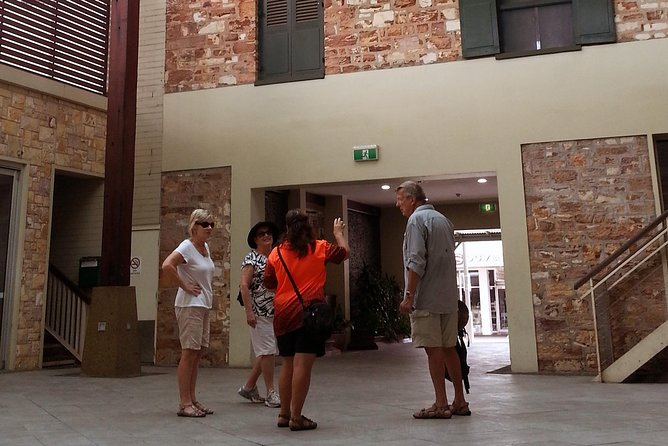
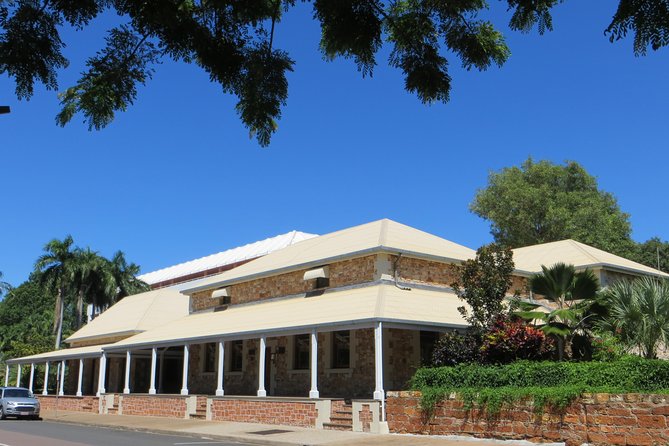
The beautifully restored buildings and gardens used by the Administrator of the Northern Territory provide a change of mood. Their formal appearance helps you picture the early government of Darwin, while the gardens offer a more comfortable setting for explanation and photographs.
This stop shows the city’s administrative side. Darwin’s story is not only about cyclones and war. It is also about how officials, workers, and residents built institutions in a distant tropical outpost.
You spend about ten minutes here. The guide explains what the buildings represent and how they fit into the early years of Darwin. The restored condition makes the site easier to read than the ruins, though the focus remains on the outside.
I would pay attention to how the guide links this stop with the city’s present-day government. The walk works best when it compares old and new Darwin rather than treating the past as something sealed off.
Parliament House and modern self-government
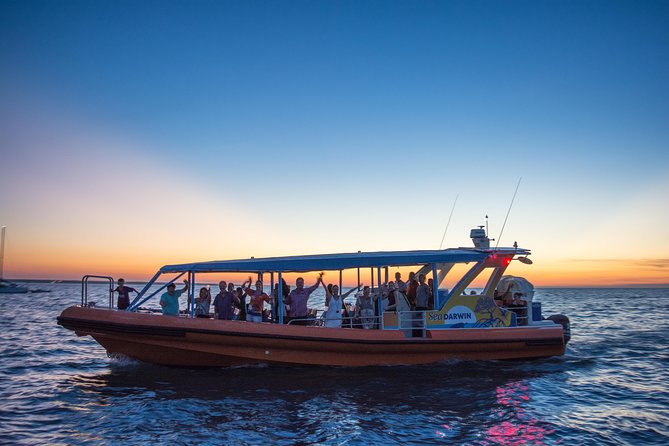
Parliament House is one of the tour’s more imposing sights. It looks out toward Darwin Harbour and represents the self-governing Northern Territory.
After several older buildings and ruins, this stop gives you a clear visual marker for modern Darwin. The guide explains how the city moved from its early days into its current political role. If you are interested in local affairs, this is one of the places where a question-and-answer format adds real value.
The tour does not take you on an indoor parliamentary visit. You see the building from outside and hear its place in the story of the city. That keeps the walk moving, but it also means you should not book this expecting an institutional tour.
Guides have been praised for covering both history and current politics, so this is a good moment to ask questions. The small group makes that easier. You can ask about how the Northern Territory is governed or how modern Darwin relates to the older town without turning the walk into a lecture for a crowd.
Bicentennial Park and the harbour finish

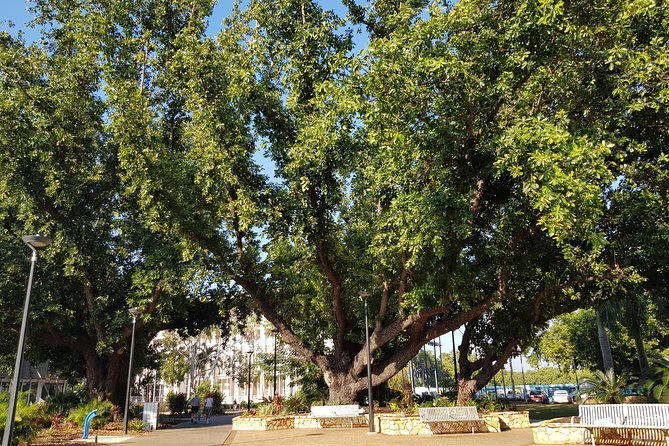
Bicentennial Park is the longest listed stop, at about fifteen minutes. The park overlooks Darwin Harbour and gives you room to breathe after the built-up streets of the CBD.
The area includes green space for leisure and recreation, along with small reminders of Darwin’s early days. Your guide points out these details and explains their links to the city’s past. The harbour setting also helps you understand Darwin’s physical position, even though the tour is focused on history rather than scenery alone.
This is often where the walk feels most open and reflective. You can take photographs, listen to stories about the city, and consider how much has changed since the early settlement. Guides are careful about shade where possible, which matters in Darwin’s sun.
The walk ends at the intersection of The Esplanade and Knuckey Street, opposite Lyons Cottage at 74 The Esplanade. That location is useful for continuing your own exploration of central Darwin afterward. Food and drinks are not included, so plan your next stop separately.
The stories that give Darwin its shape
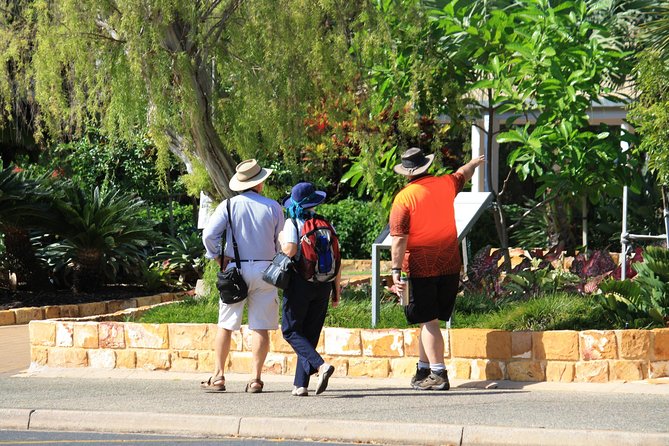
The strongest material on this walk concerns Darwin’s resilience. The city has had to deal with distance, severe weather, wartime attack, and repeated rebuilding. The bombing of Darwin and Cyclone Tracy are central themes, and the guide explains how those events affected the city’s buildings and identity.
I find the personal anecdotes especially valuable. A guide who has lived in Darwin for decades can add local detail that a plaque cannot. John, in particular, is praised for his passion for the Northern Territory and his willingness to answer questions. Robin’s personal stories and experience also give the walk a more human tone.
Still, you should know what kind of history receives the most attention. The commentary is strongest on buildings, civic life, the bombing, Cyclone Tracy, and the people associated with Darwin’s European development.
One important limitation is the treatment of Larrakia history. A past participant wanted more discussion of the Larrakia people, first contact, and what happened to Aboriginal communities during the town’s early development. The tour introduces the Larrakia calendar, but the information supplied for this experience does not indicate that Indigenous history receives equal time to wartime and colonial history.
If that subject matters to you, ask direct questions during the walk. The guides are described as open to questions and able to adjust their commentary to the interests of the group. Still, I would not book this as a dedicated Larrakia cultural tour.
How much walking is involved?
The title says walking tour, but the experience involves more listening and standing than long-distance walking. Stops are usually around ten minutes, with Bicentennial Park receiving about fifteen minutes. You move between sites in the central city, then pause while the guide speaks.
That makes it suitable for someone with moderate fitness who can walk and stand for two hours. It is not presented as a strenuous hike, but you should not expect to sit often.
The tropical weather is the main practical concern. The tour operates in all weather conditions, so dress for sun and possible rain. Bring:
- Enclosed, non-slip shoes
- A hat
- Sunscreen
- Drinking water
- A camera
Shade stops are made when possible, and several people have valued that care. Even so, bring your own water and sun protection rather than relying on the route to stay shaded.
Is $42.32 good value?
At $42.32 per person, the walk sits in a reasonable range for a two-hour guided city experience. You are paying for a local guide, spoken commentary, and a small group capped at six. There are no admission fees included because the scheduled sites are viewed from public areas or externally.
The value depends on what you want. If you only need a map and a list of buildings, the price may feel high. You can walk the same streets alone. But the guide supplies the links between those places, explains why ordinary-looking buildings matter, and answers questions in real time.
I think the best value comes from taking the tour near the start of your stay. It helps you understand the CBD before you explore it independently, and guides may also suggest local things to do afterward. The 8:30 am start makes it easier to fit into a day of sightseeing, although you need to be ready at the meeting point rather than expecting hotel pickup.
Free cancellation is available up to 24 hours before the start time. The tour needs at least two people to operate, and poor weather or an unmet minimum can lead to a changed date or a full refund.
Who should book the Darwin Heritage Walk?
I would choose this walk if you enjoy local history, public buildings, personal stories, and a measured pace. It suits first-time visitors who want a clear introduction to Darwin, as well as repeat visitors who want more context for places they may have already passed.
It also works well for people who prefer a small group. With only six places, you are more likely to hear the guide clearly and ask about the topics that interest you. Families can join, but children must be accompanied by an adult, and the amount of listening may not suit every young child.
I would be more cautious if you want a strongly Indigenous-focused tour, a fast-paced sightseeing circuit, or detailed indoor access to historic buildings. The walk is mainly an outdoor history lesson, and some early sections may feel drawn out before the more dramatic stories arrive.
Should you book it?
Book the Darwin Heritage Walk if you want Darwin explained by someone who cares about the city, rather than simply photographed. John, Robin, and Yvonne have each been praised for clear storytelling, local experience, patience, and a willingness to answer questions.
Go in expecting a gentle pace, frequent stops, and serious discussion of the bombing of Darwin and Cyclone Tracy. Ask about Larrakia history if it is important to you, since the standard focus may not cover that subject in the depth you want.
For $42.32, the small group and local commentary make this a useful first activity in Darwin. Bring water, wear good shoes, and allow two and a half hours so you are not watching the clock. If you prefer learning the story behind a city before setting off on your own, I would book it.
FAQ
How long does the Darwin Heritage Walk last?
The walk lasts approximately two to two and a half hours.
Where does the Darwin Heritage Walk start?
It starts at John McDouall Stuart, at the corner of The Mall and Knuckey Street in Darwin City, Northern Territory.
Where does the tour finish?
The walk finishes at the intersection of The Esplanade and Knuckey Street, opposite Lyons Cottage at 74 The Esplanade.
What time does the walk begin?
The scheduled start time is 8:30 am.
What is included in the price?
The price includes a local guide and spoken commentary. Food, drinks, and hotel pickup and drop-off are not included.
How many people can join the tour?
The tour has a maximum of six participants. At least two people are required for it to operate.
What should I bring?
Bring a camera, sunscreen, a hat, drinking water, and good enclosed non-slip walking shoes. The tour operates in all weather conditions, so dress appropriately.
Just added in Darwin
- Bombing of Darwin World War II Tour with Harbour Cruise★ 4.5 · 219 reviews
- 1-Hour Thunderball WWII Adventure Jet Skiing in Darwin★ 5.0 · 70 reviews
- Tiwi Islands Cultural Experience from Darwin Including Ferry★ 4.0 · 97 reviews
- Darwin Combo: The Bombing of Darwin Experience & Darwin Harbour Cruise★ 4.5 · 123 reviews
- Litchfield Park & Jumping Crocodile Cruise★ 5.0 · 37 reviews
- Royal Flying Doctor Service Tourist Facility: Two Iconic Territory Stories★ 5.0 · 256 reviews
- ETHICAL ADVENTURES – 1 Day premium Litchfield tour, small group★ 5.0 · 178 reviews
- Litchfield National Park Waterfalls & Wildlife Adventure Tour★ 5.0 · 30 reviews
Walking Tours, compared.
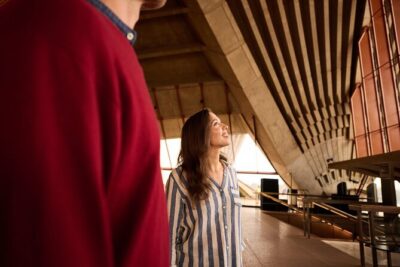
Sydney Opera House Official Guided Walking Tour
Read our review →
Blue Mountains Tour with Waterfall Walk & Lunch
Read our review →

Ultimate Melbourne Walking Tour: History, Laneways & Culture
Read our review →
Great Ocean Road Tour Plus Koalas, Forest Walk and Morning Tea
Read our review →
Blue Mountains Small Group Tour with Waterfall Walk & Fresh Lunch
Read our review →
Maria Island Cruise and Guided Walk Day Tour with Lunch and Drinks
Read our review →Browse the lists this tour appears in